
Filter
2109
Text search:
community
resilience
Featured
200
522
Language
2038
63
45
30
28
16
12
6
6
5
4
3
3
3
3
3
2
2
2
2
2
2
2
1
1
1
1
1
1
1
1
1
1
1
1
1
1
1
1
1
1
1
1
1
1
1
1
1
1
1
1
1
1
1
Document type
858
580
225
171
152
50
36
23
6
4
2
1
1
Countries
166
71
67
54
48
43
39
33
32
32
32
30
28
27
26
26
25
23
18
18
17
17
15
15
15
15
14
13
12
12
12
11
11
11
11
11
10
10
10
9
9
9
9
8
8
8
8
8
7
7
7
7
6
6
6
6
6
6
5
5
5
5
4
4
4
3
3
3
3
3
3
2
2
2
2
2
2
2
2
2
2
2
2
2
2
1
1
1
1
1
1
1
1
1
1
1
1
1
1
1
1
1
1
1
1
1
1
1
1
1
1
1
1
1
1
Authors & Publishers
277
78
60
50
44
43
32
23
20
20
18
17
16
16
15
15
14
14
13
13
13
12
12
11
11
11
11
10
10
10
10
9
9
9
8
8
8
8
8
8
7
7
7
7
7
6
6
6
6
6
6
6
6
5
5
5
5
5
5
5
5
5
5
5
4
4
4
4
4
4
4
4
4
4
4
4
4
4
4
4
4
4
4
3
3
3
3
3
3
3
3
3
3
3
3
3
3
3
3
3
3
3
3
3
3
3
3
3
3
3
3
3
3
3
3
3
3
3
3
3
3
3
2
2
2
2
2
2
2
2
2
2
2
2
2
2
2
2
2
2
2
2
2
2
2
2
2
2
2
2
2
2
2
2
2
2
2
2
2
2
2
2
2
2
2
2
2
2
2
2
2
2
2
2
2
2
2
2
2
2
2
2
2
2
2
2
2
2
2
2
2
2
2
2
2
2
2
2
2
2
2
2
2
2
2
2
2
2
2
2
2
2
2
2
2
2
2
2
2
2
2
2
2
2
2
2
2
2
2
2
2
2
2
2
2
2
2
2
2
2
2
2
2
2
2
2
2
2
2
2
2
2
2
2
2
2
2
2
2
2
1
1
1
1
1
1
1
1
1
1
1
1
1
1
1
1
1
1
1
1
1
1
1
1
1
1
1
1
1
1
1
1
1
1
1
1
1
1
1
1
1
1
1
1
1
1
1
1
1
1
1
1
1
1
1
1
1
1
1
1
1
1
1
1
1
1
1
1
1
1
1
1
1
1
1
1
1
1
1
1
1
1
1
1
1
1
1
1
1
1
1
1
1
1
1
1
1
1
1
1
1
1
1
1
1
1
1
1
1
1
1
1
1
1
1
1
1
1
1
1
1
1
1
1
1
1
1
1
1
1
1
1
1
1
1
1
1
1
1
1
1
1
1
1
1
1
1
1
1
1
1
1
1
1
1
1
1
1
1
1
1
1
1
1
1
1
1
1
1
1
1
1
1
1
1
1
1
1
1
1
1
1
1
1
1
1
1
1
1
1
1
1
1
1
1
1
1
1
1
1
1
1
1
1
1
1
1
1
1
1
1
1
1
1
1
1
1
1
1
1
1
1
1
1
1
1
1
1
1
1
1
1
1
1
1
1
1
1
1
1
1
1
1
1
1
1
1
1
1
1
1
1
1
1
1
1
1
1
1
1
1
1
1
1
1
1
1
1
1
1
1
1
1
1
1
1
1
1
1
1
1
1
1
1
1
1
1
1
1
1
1
1
1
1
1
1
1
1
1
1
1
1
1
1
1
1
1
1
1
1
1
1
1
1
1
1
1
1
1
1
1
1
1
1
1
1
1
1
1
1
1
1
1
1
1
1
1
1
1
1
1
1
1
1
1
1
1
1
1
1
1
1
1
1
1
1
1
1
1
1
1
1
1
1
1
1
1
1
1
1
1
1
1
1
1
1
1
1
1
1
1
1
1
1
1
1
1
1
1
1
1
1
1
1
1
1
1
1
1
1
1
1
1
1
1
1
1
1
1
1
1
1
1
1
1
1
1
1
1
1
1
1
1
1
1
1
1
1
1
1
1
1
1
1
1
1
1
1
1
1
1
1
1
1
1
1
1
1
1
1
1
1
1
1
1
1
1
1
1
1
1
1
1
1
1
1
1
1
1
1
1
1
1
1
1
1
1
1
1
1
1
1
1
1
1
1
1
1
1
1
1
1
1
1
1
1
1
1
1
1
1
1
1
1
1
1
1
1
1
1
1
1
1
1
1
1
1
1
1
1
1
1
1
1
1
1
1
1
1
1
1
1
1
1
1
1
1
1
1
1
1
1
1
1
1
1
1
1
1
1
1
1
1
1
1
1
1
1
1
1
1
1
1
1
1
1
1
1
1
1
1
1
1
1
1
1
1
1
1
1
1
1
1
1
1
1
1
1
1
1
1
1
1
1
1
1
1
1
1
1
1
1
1
1
1
1
1
1
1
1
1
1
1
1
1
1
1
1
1
1
1
1
1
1
1
1
1
1
1
1
1
1
1
1
1
1
1
1
1
1
1
1
1
1
1
1
1
1
1
1
1
1
1
1
1
1
1
1
1
1
1
1
1
1
1
1
1
1
1
1
1
1
1
1
1
1
1
1
1
1
1
1
1
1
1
1
1
1
1
1
1
1
1
1
1
1
1
1
1
1
1
1
1
1
1
1
1
1
1
1
1
1
1
1
1
1
1
1
1
1
1
1
1
1
1
1
1
1
1
1
1
1
1
1
1
1
1
1
1
1
1
1
1
1
1
1
1
1
1
1
1
1
1
1
1
1
1
1
1
1
1
1
1
1
1
1
1
1
1
1
1
1
1
1
1
1
1
1
1
1
1
1
1
1
1
1
1
1
1
1
1
1
1
1
1
1
1
1
1
1
1
1
1
1
1
1
1
1
1
1
1
1
1
1
1
1
1
1
1
1
1
1
1
1
1
1
1
1
1
1
1
1
1
1
1
1
1
1
1
1
1
1
1
1
1
1
1
1
1
1
1
1
1
1
1
1
1
1
1
1
1
1
1
1
1
1
1
1
1
1
1
1
1
1
1
1
1
1
1
1
1
1
1
1
1
1
1
1
1
1
1
1
1
1
1
1
1
1
1
1
1
1
1
1
1
1
1
1
1
1
1
1
1
1
1
1
1
1
1
1
1
1
1
1
1
1
1
1
1
1
1
1
1
1
1
1
1
1
1
1
1
1
1
1
1
1
1
1
1
1
1
1
1
1
1
1
1
1
1
1
1
1
1
1
1
1
1
1
1
1
1
1
1
1
1
1
1
1
1
1
1
1
1
1
1
1
1
1
1
1
1
1
1
1
1
1
1
1
1
1
1
1
1
1
1
1
1
1
1
1
1
1
1
1
1
1
1
1
1
1
1
1
1
1
1
1
1
1
1
1
1
1
1
1
1
1
1
1
1
1
1
1
1
1
1
1
1
1
1
1
1
1
1
1
1
1
1
1
1
1
1
1
1
1
1
1
1
1
1
1
1
1
1
1
1
1
1
1
1
1
1
1
1
1
1
1
1
1
1
1
1
1
1
1
1
1
1
1
1
1
1
1
1
1
1
1
1
1
1
1
1
1
1
1
1
1
1
1
1
1
1
1
1
1
1
1
1
1
1
1
1
1
1
1
1
1
1
1
1
1
1
1
1
1
1
1
1
1
1
1
1
1
1
1
1
1
1
1
1
1
1
1
1
1
1
1
1
1
1
1
1
1
1
1
1
1
1
1
1
1
1
1
1
1
1
1
1
1
1
1
1
1
1
1
1
1
1
1
1
1
1
1
1
1
1
1
1
1
1
1
1
1
1
1
1
1
1
1
1
1
1
1
1
1
1
1
1
1
1
1
1
1
1
1
1
1
1
1
1
1
1
1
1
1
1
1
1
1
1
1
1
1
1
1
1
1
1
1
1
1
1
1
1
1
1
1
1
1
1
1
1
1
1
1
1
1
1
1
1
1
1
1
1
1
1
1
1
1
1
1
1
1
1
1
1
1
1
1
1
1
1
1
1
1
1
1
1
1
1
1
1
1
1
1
1
1
1
1
1
1
1
1
1
1
1
1
1
1
1
1
1
1
1
1
1
1
1
1
1
1
1
1
1
1
1
1
1
1
1
1
1
1
1
1
1
1
1
1
1
1
1
1
1
1
1
1
1
1
1
1
1
1
1
1
1
1
1
1
1
1
1
1
1
1
1
1
1
1
1
1
1
1
1
1
1
1
1
1
1
1
1
1
1
1
1
1
1
1
1
1
1
1
1
1
1
Publication Years
964
1064
80
1
Category
598
252
103
90
37
27
9
Toolboxes
258
255
244
168
90
88
84
81
80
76
60
49
44
36
20
20
20
16
15
12
8
7
7
5
5
4
2
The world is facing a sustainable development crisis. The 2024 Financing for Sustainable Development Report: Financing for Development at a Crossroads finds that financing challenges are at the heart of the crisis and imperil the SDGs and climate action. The window to rescue the SDGs and prevent a c
...
limate catastrophe is still open but closing rapidly. Financing gaps for sustainable development are large and growing – the estimates by international organizations and others are coalescing around $4 trillion additional investment needed annually for developing countries. This represents a more than 50% increase over the pre-pandemic estimates. Meanwhile, the finance divide has not been bridged, with developing countries paying around twice as much on average in interest on their total sovereign debt stock as developed countries. Many countries lack access to affordable finance or are in debt distress. Weak enabling environments are preventing progress. Average global growth has declined, while policy and regulatory frameworks still do not set appropriate incentives. Public budgets and spending is not fully aligned with SDGs. Private investors are not incentivised to invest enough in SDGs and climate action. The world is at a crossroads. This is the last chance to correct course if we want to achieve the SDGs by the 2030 deadline. Only an urgent, large-scale and sustainable investment push can help us achieve our global goals. Next year’s Fourth International Conference on Financing for Development in 2025 will be a once in 80-year opportunity to support coherent transformation of financing.
more

According to the WHO, there were an estimated 251 million malaria cases (95% of global cases) and 579,414 malaria deaths (97% of global deaths) in African Union Member States in 2023. 76% of these deaths were children under the age of five.

This document outlines the plan for a continental cholera prevention and control with the implementation framework for the Cholera IMST, detailing its governance structure, strategic priorities, and operational modalities

Public health challenges over the past decade have highlighted the importance of approaching health through a holistic lens of human, animal, and environmental sectors, recognizing the need for a collaborative response against shared threats. Zoonotic diseases, transmitted between humans and animals
...
through their shared environment, are at the forefront of the threats requiring collaborations that span human health, natural ecosystems, and food systems.
more

On 4 September 2025, the Ministry of Health of the Democratic Republic of the Congo (DRC) declared an outbreak of Ebola Virus Disease (EVD) in Kasai Province, following confirmation of Zaire ebolavirus by the National Institute of Biomedical Research (INRB) in Bulape and Mweka Health Zones. As of 19
...
September, there have been 48 total cases (38 confirmed, 10 probable) with 31 deaths (21 confirmed, 10 probable) and a CFR of 64.5%. Among laboratory confirmed cases, 16 deaths were recorded (CFR: 45.7%). Four deaths occurred among health workers, underscoring the risk of nosocomial transmission. Most cases (39.7%) are among adults aged 20 years and above, in a densely populated, remote, and under-resourced area.
The outbreak is driven by multiple risk factors, including transmission in health facilities with limited infection prevention and control (IPC) measures and personal protective equipment (PPE), incomplete contact tracing, delayed detection, and unsafe burial practices. High population mobility between Bulape and Tshikapa, reliance on traditional healers, and the concurrent mpox outbreak are further straining the fragile health system and increasing the risk of geographic spread.
more
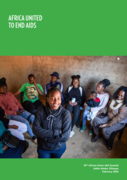
39th African Union (AU) Summit, Addis Ababa, Ethiopia, February 2026

This document aims to provide public health authorities in European Union and European Economic Area (EU/EEA) countries with guidance for improved preparedness planning taking the lessons that have been identified through various activities in the context of recent public health crises (e.g. COVID-1
...
9 pandemic, mpox multi-country outbreak 2022–23) and translating them to concrete advice. This document, together with the ECDC recommendations on the implementation of public health and social measures (PHSMs) for health emergencies and pandemics published in 2024, form a package of concrete recommendations for preparedness planning for the EU/EEA countries. Lessons learned primarily from the response to the COVID-19 pandemic, but also from the response to the multicountry mpox outbreak in 2022–23, were collected through various activities from Member States, the European Commission, the World Health Organization (WHO) and the WHO Regional Office from Europe. We have then presented these in the form of specific recommendations for planners within each phase of the continuous cycle of preparedness (Anticipation, Response and Recovery), following a prototype structure of a preparedness and response plan. In each section, we have presented a relevant example from a Member State or international organisation to illustrate their practice or attempt to implement lessons after COVID-19 or the mpox outbreak. These examples were identified either through literature review or communication with representatives of the countries within ECDC’s network for Preparedness and Response.
more

The document “Strategic Framework for Strengthening Cross-Border Surveillance and Information Sharing in Africa” outlines a coordinated strategy developed by Africa CDC to improve public health surveillance and collaboration across national borders in Africa. It addresses the challenge that infe
...
ctious diseases often spread across borders due to population movement, trade, and migration, while surveillance systems and data-sharing mechanisms frequently remain nationally focused and fragmented.
The framework proposes strengthening regional coordination, harmonizing surveillance systems, enhancing information sharing between countries, and building laboratory and workforce capacity. It also emphasizes timely detection of cross-border health threats, joint outbreak investigations, and improved communication among Member States. Overall, the document aims to enhance preparedness, early warning systems, and collective response to public health threats across the African continent.
more

The 2025 Impact Report summarises Malaria Consortium's year in numbers and includes a message from the Chief Executive.

This guide defines public spaces for children as those that can be easily and freely accessed and enjoyed by all children, either alone or with friends or family, regardless of gender,
ethnicity, sexuality, nationality, social status or physical ability. Whatever their context, these places are saf
...
e from physical hazards (such as pollution, waste, traffic, falls or drowning risks); and social risks (such as crime, exclusion, or bullying). Whether they are streets, neighbourhoods, existing public open spaces, or the small, “liminal” spaces, such as stairwells or alleyways from which children carve out a place for themselves
more
Western Pacific surveillance and response journal: WPSAR Vol.14 No. 6, Special Edition, pp.1-17
Recognizing this need and the role of NPHIs in ensuring health security across the continent, the Africa CDC has prioritized the strengthening of NPHIs as a critical pillar of both the New Public Health Order and the Africa CDC Strategic Plan 2023-2027. To aid the realization of this goal, the Afric
...
a CDC has developed a Plan for the Development of National Public Health Institutes in Africa 2025-2027. The goal is to ensure that NPHIs are not only present in every Member State but are also empowered with the necessary legal frameworks, resources and expertise to effectively lead Africa’s health security efforts.
more
Humanitarian Response in Violent Conflict
recommended
Catholic Relief Services CRS
(2013)
A Toolbox of Conflict Sensitive Indicators.
This toolbox adapts a sample of 15 indicators from the SPHERE Project's Humanitarian Charter and Minimum Standards in Humanitarian Response to be even more conflict sensitive while remaining practical and user-friendly

In response to a call by the United Nations Secretary-General and the Governments of Guinea, Liberia and Sierra Leone, an international team conducted an Ebola Recovery Assessment.The aim was to contribute towards laying the foundation for short-, medium- and long-term recovery while the medical eme
...
rgency response continues to tackle the epidemic.
This summary report is based on a full report as well as three detailed reports submitted to each of the three governments as contributions to their national recovery planning processes.
more
Summary of research into the consequences of the Ebola outbreak for children and communities in Liberia and Sierra Leone
This study describes the range of impacts that Ebola has had on children and families in Liberia and Sierra Leone, looking beyond the immediate health effects
Recovering from the Ebola Crisis
Magdy Martínez-Solimán; Abdoulaye Mar Dieye; Izumi Nakamitsu et al.
United Nations, The World Bank, European Union and African Development Bank
(2015)
Full Report.
In response to a call by the United Nations Secretary-General and the Governments of Guinea, Liberia and Sierra Leone, an international team conducted an Ebola Recovery Assessment. The aim was to contribute towards laying the foundation for short-, medium- and long-term recovery while
...
the medical emergency response continues to tackle the epidemic. This report is a contribution to ongoing efforts by the Governments of Guinea, Liberia and Sierra Leone to design their national Ebola virus disease recovery strategies
more
