
Filter
302
Text search:
spinal
injury
Featured
48
47
Language
Document type
180
52
29
15
13
7
3
2
1
Countries
22
9
9
7
7
6
6
6
5
5
5
4
3
3
3
3
2
2
2
2
1
1
1
1
1
1
1
1
1
1
1
1
1
1
1
1
1
1
1
1
1
1
1
Authors & Publishers
Publication Years
Category
85
50
24
20
14
10
1
Toolboxes
64
21
19
18
10
8
7
6
6
4
4
4
4
4
4
3
2
2
1
1
1
1
1
Due to Nepal’s difficult geographic structure, rapid urbanization, varied groundwater level, and increasing population the country is prone to earthquakes, floods, landslides, fires, lightning, hailstone, drought, epidemic, and other disasters. These disasters cause a huge
loss of li
...
The Practical Approach to Emergencies in the Pregnant Mother, Newborn infant and Child. Provder Manual

Handbook of Foodborne Pathogenic Microorganisms and Natural Toxins

Where there is no doctor Chapter 3

The principles and practice of the surgical lmanagment of wounds produced by missiles or explosions

Handout presentations in PDF for illustrating lectures
Accessed May 2014
Accessed 26 June 2014
Updated 22 august 2016. This document aims to provide interim guidance on the case definition of GBS and strategies to manage the syndrome, in the context of Zika virus and its potential association with GBS. This document is intended to inform the development of local clinical protocols and health
...

This is a checklist of major categories of the International Classification of Functioning, Disability and Health (ICF) of the World Health Organization . The ICF Checklist is a practical tool to elicit and record information on the functioning and disability of an individual. This information can b
...
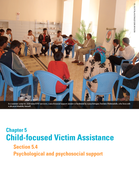
Accessed: 10.03.2019
Session outline
•Introduction to epilepsy.
•Assessment of epilepsy.
•Management of epilepsy.
•Follow-up of a person with epilepsy.
•Review or materials and skills.


accessed Febr. 6, 2020
แนวปฏิบัติในการจัดการความเสี่ยง ดานภาวะฉุกเฉินและความพิการเพื่อสุขภาพ
It is intended for use among clinicians taking care of moderate to severe COVID-19 cases.
The COVID-19 outbreak has brought with it the need for improved critical care for patients who develop severe disease. The majority of COVID-19 patients present with mild to moderate illness, 15% develop sever
...
