
Filter
249
Text search:
poliovirus
Featured
14
72
Language
Document type
131
47
35
13
8
8
2
2
2
1
Countries
16
10
10
10
9
8
8
8
6
6
6
5
4
4
4
4
4
4
3
3
3
3
3
3
2
2
2
2
2
2
2
2
2
2
2
2
2
2
2
2
1
1
1
1
1
1
1
1
1
1
1
1
1
1
1
1
1
1
1
1
1
1
Authors & Publishers
Publication Years
Category
94
21
17
13
12
4
2
Toolboxes
68
19
14
12
10
10
8
5
5
4
4
3
2
2
2
2
2
2
1
1
1
1
Pink Book's chapter
Responding to a polio outbreak. Guidelines
recommended
The occurrence of a case of wild polio in a previously polio free area as presently in Syria, whether through importation, laboratory accident, or mutation of vaccine virus (VDPV), should be considered a public health emergency, that requires a rapid and high quality response as utmost priority

This is a part of a series of lesson plans created by Peace Corps volunteers in Senegal about vaccine preventable diseases
Bulletin of the World Health Organization Volume 91, Number 4, April 2013, 237-312
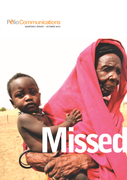
With a focus on Pakistan and Nigeria’s most vulnerable communities, this report provides insight about the role that community push-back is playing in the transmission of the polio virus and how the Global Polio Eradication Initiative (GPEI) can mitigate these social risks to reach every missed ch
...
The push to immunize all children against polio has been hampered by the ongoing crisis in the Syrian Arab Republic. WHO and UNICEF have appealed to all parties to cooperate, including through temporary pauses in hostilities where needed, to allow vaccination campaigns to take place and for all chil
...

Globalization and Health201612:63; DOI: 10.1186/s12992-016-0195-3
Accessed: 11.03.2019
Nepal has only recently started its journey on the path to an integrated response to the challenge of antimicrobial resistance (AMR). Despite this, it is notable that the Nepal Health Sector Strategy Plan (HSSP)-2 mentions growing antibiotic resistanceas a public health challenge.
