
Filter
733
Text search:
obstetrics
Featured
74
222
Language
Document type
405
139
77
53
15
10
10
9
6
5
3
1
Countries
40
30
23
22
20
20
18
17
15
14
13
12
11
10
9
8
8
7
7
7
6
5
5
5
5
4
4
4
4
4
4
3
3
3
3
3
3
2
2
2
2
2
2
2
2
2
2
1
1
1
1
1
1
1
1
1
1
1
1
1
1
1
1
1
1
1
1
1
1
1
1
1
1
1
1
1
1
Authors & Publishers
Publication Years
Category
308
184
175
38
29
28
4
Toolboxes
65
31
18
18
17
15
13
12
9
8
8
7
7
7
5
5
5
2
2
2
2
1
1
An Illustrated Guide for Service Providers
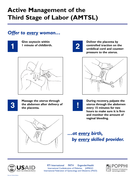
Accessed April 2014
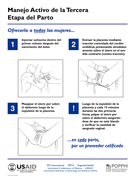
Accessed April 2014
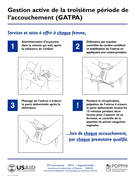
This WHO Guidance Note advocates for a comprehensive approach to cervical cancer prevention and control and is aimed at senior policy makers and programme managers. It describes the need to deliver effective interventions across the female life course from childhood through to adulthood. These inclu
...
Accessed 24 June 2014
Accessed 26 June 2014

An essential resource that helps a community understand, treat, and prevent many health problems that affect women. Topics include reproductive health, violence, mental health, HIV, and more.
This publication gives a broad vision of what a comprehensive approach to cervical cancer prevention and control means. In particular, it outlines the complementary strategies for comprehensive cervical cancer prevention and control, and highlights the neners. This new guide updates the 2006 edition
...

This form includes quesitons to help evaluate the services provided, human resources, infrastructure, equipment, drugs and infection prevention at basic emergency obstetric care (BEmOC) sites.
Part of the Malawi Maternal and Neonatal Health Toolkit
Accessed 12 Febr. 2015

This textbook seeks to support various levels of health personnel in less-resourced locations by providing evidence-based information about low-tech diagnostic and treatment options for common gynecological conditions such as cervical, ovarian and breast cancer, problems in early pregnancy, contrace
...
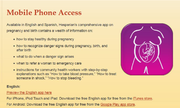
Available in English and Spanish, Hesperian’s comprehensive app on pregnancy and birth contains a wealth of information on:
how to stay healthy during pregnancy
how to recognize danger signs during pregnancy, birth, and
after birth
what to do when a danger sign arises
whe
...

The primary audience for this guideline includes health-care professionals who are responsible for developing national and local health-care protocols and policies, as well as managers of maternal and child health programmes and policy-makers in all settings. The guideline will also be useful to tho
...
Pregnancy, childbirth, postpartum and newborn care: A guide for essential practice (3rd ed.)
recommended
WHO has been alerted to concerns expressed related to the wording on episiotomy in specific situations. We have temporarily removed the publication from the website while we are doing a review of the evidence with in-house and external experts. We will make the publication available on the website o
...
The standards of care cover the routine care and management of complications occurring for women and their babies during labour, childbirth and the early postnatal period, including those of small babies during the first week of life. They define priorities for improving the quality of maternal and
...
This document is intended for a wide audience including national and local policymakers, implementers and managers of national and local maternal and child health programmes, non-governmental and other organizations and professional societies involved in the planning and management of maternal and c
...
The recommendations in this guideline are intended to inform the development of relevant national- and local-level health policies and clinical protocols. Therefore, the target audience includes national and local public health policy-makers, implementers and managers of maternal and child health pr
...
WHO has issued a new recommendation on the length of bladder catheterization following surgical repair of a simple obstetric urinary fistula. Currently the length of catheterization is not standard and ranges from 5 to 42 days. The new guidance recommends a 7–10 day period of bladder catheterizati
...
