
Filter
680
Text search:
epilepsy
Featured
89
135
Language
Document type
473
70
56
40
17
13
7
3
1
Countries
36
28
20
18
15
15
15
13
12
12
12
9
9
8
8
7
6
6
6
6
6
6
5
5
5
5
5
4
4
4
3
3
3
3
3
3
3
2
2
2
2
2
2
2
2
2
2
2
2
1
1
1
1
1
1
1
1
1
1
1
1
1
1
1
1
1
1
1
Authors & Publishers
Publication Years
Category
238
45
35
21
12
7
2
Toolboxes
215
131
24
23
15
13
9
8
8
7
7
7
7
6
5
4
4
4
3
3
1
1
What you can do
BMC Res Notes (2016) 9:182 DOI 10.1186/s13104-016-1993-7

Q 10: In adults and children with epilepsy, which psychological interventions used as adjunctive therapies with antiepileptic drugs when compared to placebo/comparator produce benefits/harm in specified outcomes?

Q6: What is the added advantage of doing neuroimaging in people with convulsive epilepsy in non-specialist settings in low and middle income countries?

Q5: What is the added advantage of doing an electroencephalography (EEG) in people with convulsive epilepsy in non- specialist settings in low and middle income countries?

Neurology Asia 2008; 13 : 41 – 48

Epilepsia, 55(4):475–482, 2014
doi: 10.1111/epi.12550
Q 7: For adults and children with convulsive epilepsy, which standard antiepileptic drugs (phenobarbital, phenytoin, carbamazepine, valproic acid) when compared to placebo/a comparator produce benefits/harm in the specified outcomes?

SCOPING QUESTION: For adults and children with medication-resistant convulsive epilepsy, which anti-epileptic medications produce benefits and/or harm in the specified outcomes when compared to a placebo or a comparator?
Q12: Should the treatment be similar in individuals with intellectual disability and epilepsy compared to people with epilepsy only?

Arq Neuropsiquiatr 2011;69(2-B):342-348
DAKAR, le 06 Mai 2000


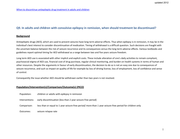
Q9. In adults and children with convulsive epilepsy in remission, when should treatment be discontinued?
Low- and middle-income countries (LMICs) experience a high disease burden for epilepsy, a chronic neurological condition.The authors evaluate the cost-effectiveness of community health workers (CHWs) to improve adherence to medication for
...
Primary Care 101
recommended
Symptom-based integrated approach to the adult in primary care.
Primary Care 101 is a comprehensive clinical practice guideline that aims to equip nurses and other clinicians to diagnose and manage common adult conditions at primary level.
Tb; HIV; Asthma/COPD; cardiovascular disease; diabetes; M
...

Disabled village children. 2nd edition
recommended
A guide for community health workers, rehabilitation workers, and families.
This manual covers identifying primary and secondary disabilities, developing skills for daily living, and working through behavior problems. The new 2018 edition features new topics, including mental and developmental di
...
