
Filter
1968
Text search:
animals
Featured
179
459
Language
1906
64
52
38
27
21
19
12
4
4
3
2
2
2
2
1
1
1
1
1
1
1
1
1
1
1
1
1
1
1
1
1
1
1
1
1
1
1
1
1
1
1
Document type
775
451
304
143
94
91
56
14
12
12
9
5
2
Countries
101
97
49
48
48
42
35
34
34
33
30
25
24
24
23
22
21
21
16
16
15
14
14
13
12
11
11
11
11
9
8
8
8
8
8
7
7
6
6
6
6
5
5
5
5
5
5
5
5
4
4
4
4
4
4
4
3
3
3
3
3
3
3
3
3
3
3
2
2
2
2
2
2
2
2
2
2
2
1
1
1
1
1
1
1
1
1
1
1
1
1
1
1
1
1
1
1
1
1
1
1
1
1
1
1
1
1
Authors & Publishers
283
67
58
50
45
30
29
28
24
21
19
16
15
13
11
11
11
11
10
10
10
10
10
9
9
8
7
7
6
6
6
6
6
6
6
5
5
5
5
5
5
5
5
5
5
5
5
5
5
5
5
5
4
4
4
4
4
4
4
4
4
4
4
4
4
4
4
3
3
3
3
3
3
3
3
3
3
3
3
3
3
3
3
3
3
3
3
3
3
3
3
3
3
3
3
3
3
3
3
3
3
3
3
2
2
2
2
2
2
2
2
2
2
2
2
2
2
2
2
2
2
2
2
2
2
2
2
2
2
2
2
2
2
2
2
2
2
2
2
2
2
2
2
2
2
2
2
2
2
2
2
2
2
2
2
2
2
2
2
2
2
2
2
2
2
2
2
2
2
2
2
2
2
2
2
2
2
2
2
2
2
2
2
2
2
2
2
2
2
2
2
2
2
2
2
2
2
2
2
2
2
2
2
2
2
2
2
2
2
2
2
2
2
2
2
2
2
2
2
2
2
2
2
2
2
2
2
2
2
2
2
2
2
2
2
2
2
2
2
2
1
1
1
1
1
1
1
1
1
1
1
1
1
1
1
1
1
1
1
1
1
1
1
1
1
1
1
1
1
1
1
1
1
1
1
1
1
1
1
1
1
1
1
1
1
1
1
1
1
1
1
1
1
1
1
1
1
1
1
1
1
1
1
1
1
1
1
1
1
1
1
1
1
1
1
1
1
1
1
1
1
1
1
1
1
1
1
1
1
1
1
1
1
1
1
1
1
1
1
1
1
1
1
1
1
1
1
1
1
1
1
1
1
1
1
1
1
1
1
1
1
1
1
1
1
1
1
1
1
1
1
1
1
1
1
1
1
1
1
1
1
1
1
1
1
1
1
1
1
1
1
1
1
1
1
1
1
1
1
1
1
1
1
1
1
1
1
1
1
1
1
1
1
1
1
1
1
1
1
1
1
1
1
1
1
1
1
1
1
1
1
1
1
1
1
1
1
1
1
1
1
1
1
1
1
1
1
1
1
1
1
1
1
1
1
1
1
1
1
1
1
1
1
1
1
1
1
1
1
1
1
1
1
1
1
1
1
1
1
1
1
1
1
1
1
1
1
1
1
1
1
1
1
1
1
1
1
1
1
1
1
1
1
1
1
1
1
1
1
1
1
1
1
1
1
1
1
1
1
1
1
1
1
1
1
1
1
1
1
1
1
1
1
1
1
1
1
1
1
1
1
1
1
1
1
1
1
1
1
1
1
1
1
1
1
1
1
1
1
1
1
1
1
1
1
1
1
1
1
1
1
1
1
1
1
1
1
1
1
1
1
1
1
1
1
1
1
1
1
1
1
1
1
1
1
1
1
1
1
1
1
1
1
1
1
1
1
1
1
1
1
1
1
1
1
1
1
1
1
1
1
1
1
1
1
1
1
1
1
1
1
1
1
1
1
1
1
1
1
1
1
1
1
1
1
1
1
1
1
1
1
1
1
1
1
1
1
1
1
1
1
1
1
1
1
1
1
1
1
1
1
1
1
1
1
1
1
1
1
1
1
1
1
1
1
1
1
1
1
1
1
1
1
1
1
1
1
1
1
1
1
1
1
1
1
1
1
1
1
1
1
1
1
1
1
1
1
1
1
1
1
1
1
1
1
1
1
1
1
1
1
1
1
1
1
1
1
1
1
1
1
1
1
1
1
1
1
1
1
1
1
1
1
1
1
1
1
1
1
1
1
1
1
1
1
1
1
1
1
1
1
1
1
1
1
1
1
1
1
1
1
1
1
1
1
1
1
1
1
1
1
1
1
1
1
1
1
1
1
1
1
1
1
1
1
1
1
1
1
1
1
1
1
1
1
1
1
1
1
1
1
1
1
1
1
1
1
1
1
1
1
1
1
1
1
1
1
1
1
1
1
1
1
1
1
1
1
1
1
1
1
1
1
1
1
1
1
1
1
1
1
1
1
1
1
1
1
1
1
1
1
1
1
1
1
1
1
1
1
1
1
1
1
1
1
1
1
1
1
1
1
1
1
1
1
1
1
1
1
1
1
1
1
1
1
1
1
1
1
1
1
1
1
1
1
1
1
1
1
1
1
1
1
1
1
1
1
1
1
1
1
1
1
1
1
1
1
1
1
1
1
1
1
1
1
1
1
1
1
1
1
1
1
1
1
1
1
1
1
1
1
1
1
1
1
1
1
1
1
1
1
1
1
1
1
1
1
1
1
1
1
1
1
1
1
1
1
1
1
1
1
1
1
1
1
1
1
1
1
1
1
1
1
1
1
1
1
1
1
1
1
1
1
1
1
1
1
1
1
1
1
1
1
1
1
1
1
1
1
1
1
1
1
1
1
1
1
1
1
1
1
1
1
1
1
1
1
1
1
1
1
1
1
1
1
1
1
1
1
1
1
1
1
1
1
1
1
1
1
1
1
1
1
1
1
1
1
1
1
1
1
1
1
1
1
1
1
1
1
1
1
1
1
1
1
1
1
1
1
1
1
1
1
1
1
1
1
1
1
1
1
1
1
1
1
1
1
1
1
1
1
1
1
1
1
1
1
1
1
1
1
1
1
1
1
1
1
1
1
1
1
1
1
1
1
1
1
1
1
1
1
1
1
1
1
1
1
1
1
1
1
1
1
1
1
1
1
1
1
1
1
1
1
1
1
1
1
1
1
1
1
1
1
1
1
1
1
1
1
1
1
1
1
1
1
1
1
1
1
1
1
1
1
1
1
1
1
1
1
1
1
1
1
1
1
1
1
1
1
1
1
1
1
1
1
1
1
1
1
1
1
1
1
1
1
1
1
1
1
1
1
1
1
1
1
1
1
1
1
1
1
1
1
1
1
1
1
1
1
1
1
1
1
1
1
1
1
1
1
1
1
1
1
1
1
1
1
1
1
1
1
1
1
1
1
1
1
1
1
1
1
1
1
1
1
1
1
1
1
1
1
1
1
1
1
1
1
1
1
1
1
1
1
1
1
1
1
1
1
1
1
1
1
1
1
1
1
1
1
1
1
1
1
1
1
1
1
1
1
1
1
1
1
1
1
1
1
1
1
1
1
1
1
1
1
1
1
1
1
1
1
1
1
1
1
1
1
1
1
1
1
1
1
1
1
1
1
1
1
1
1
1
1
1
1
1
1
1
1
1
1
1
1
1
1
1
1
1
1
1
1
1
1
1
1
1
1
1
1
1
1
1
1
1
1
1
1
1
1
1
1
1
1
1
1
1
1
1
1
1
1
1
1
1
1
1
1
1
1
1
1
1
1
1
1
1
1
1
1
1
1
1
1
1
1
1
1
1
1
1
1
1
1
1
1
1
1
1
1
1
1
1
1
1
1
1
1
1
1
1
1
1
1
1
1
1
1
1
1
1
1
1
1
1
1
1
1
1
1
1
1
1
1
1
1
1
1
1
1
1
1
1
1
1
1
1
1
1
1
1
1
1
1
1
1
1
1
1
1
1
1
1
1
1
1
1
1
1
1
1
1
1
1
1
1
1
1
1
1
1
1
1
1
1
1
1
1
1
1
1
1
1
1
1
1
1
1
1
1
1
1
1
1
1
1
1
1
1
1
1
1
1
1
1
1
1
1
1
1
1
1
1
1
1
1
1
1
1
1
1
1
1
1
1
1
1
1
1
1
1
1
1
1
1
1
1
1
1
1
1
1
1
1
1
1
1
1
1
1
1
1
1
1
1
1
1
1
1
1
1
1
1
1
1
1
1
1
1
1
1
1
1
1
1
1
1
1
1
1
1
1
1
1
1
1
1
1
1
1
1
1
1
1
1
1
1
1
1
1
1
1
1
1
1
1
1
1
1
1
1
1
1
1
1
1
1
1
1
1
1
1
1
1
1
1
1
1
1
1
Publication Years
671
1101
178
18
Category
579
173
127
94
45
36
34
1
Toolboxes
223
213
170
135
130
82
74
68
47
46
45
41
36
31
27
26
25
24
21
19
15
13
10
7
4
2
2

One Health Joint Plan of Action (2022-2026)
World Organisation for Animal Health
Food and Agriculture Organization of the United Nations; United Nations Enviroment Programme; Wolrd Health Organization; World Organisation for Animal Health
(2022)
C_WHO
The desired impact of the OH JPA is a world better able to prevent, predict, detect and
respond to health threats and improve the health of humans, animals, plants and the
environment while contributing to sustainable development. The OH JPA aims
...
to work
towards this vision in the following way:
• Provide a framework for action and propose a set of activities the four organizations
can offer together to advance and sustainably scale up One Health.
• Provide upstream policy and legislative advice and technical assistance, to help
set national targets and priorities across the sectors for the development and
implementation of One Health legislation, initiatives and programmes.
• Take stock of existing cross-sectoral global and regional initiatives around One
Health, identify and advise on synergies and overlaps, and support coordination.
• Mobilize and make better use of resources across sectors, disciplines and
stakeholders.
• The OH JPA is guided by a theory of change and makes use of One Health principles
to strengthen collaboration, communication, capacity building and coordination
more
Rabies is a viral infection of wild and domestic mammals, transmitted to humans by the saliva of infected animals through bites, scratches or licks on broken skin or mucous membranes.
In endemic areas (Africa and Asia), 99% of cases are due to dog
...
bites and 40% of cases are children under 15 years of age.
Before symptoms develop, rabies can effectively be prevented by post-exposure prophylaxis.
Once symptoms develop, rabies is fatal. There is no curative treatment; care is palliative.
more
Rabies remains an under-reported neglected zoonosis with a case-fatality rate of almost 100% in humans and animals. Dog-mediated human rabies causes tens of thousands of human deaths annually despite being 100% preventable. More than 95% of human ca
...
ses are caused by the bite of a rabies-infected dog. Dog-mediated human rabies disproportionately affects rural communities, particularly children, and economically disadvantaged areas of Africa and Asia, where awareness of the disease and access to appropriate post-exposure prophylaxis (PEP) can be limited or nonexistent.
more
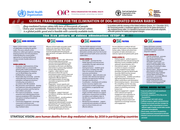
Rabies remains an under-reported neglected zoonosis with a case-fatality rate of almost 100% in humans and animals. Dog-mediated human rabies causes tens of thousands of human deaths annually despite being 100% preventable. More than 95% of human ca
...
ses are caused by the bite of a rabies-infected dog. Dog-mediated human rabies disproportionately affects rural communities, particularly children, and economically disadvantaged areas of Africa and Asia, where awareness of the disease and access to appropriate post-exposure prophylaxis (PEP) can be limited or nonexistent.
more

ProMED
recommended
ProMED - the Program for Monitoring Emerging Diseases - is an Internet-based reporting system dedicated to rapid global dissemination of information on outbreaks of infectious diseases and acute exposures to toxins that affect human health, including those in
...
animals and in plants grown for food or animal feed.
By providing early warning of outbreaks of emerging and re-emerging diseases, public health precautions at all levels can be taken in a timely manner to prevent epidemic transmission and to save lives
more
Emergence of antimicrobial resistance is a result of the use, overuse and misuse of antibiotics both in humans and animals. In Ethiopia, there are indications on the misuse of antibiotics by health care providers’, unskilled practitioners, and dru
...
g consumers. These coupled with rapid spread of resistant bacteria and inadequate surveillance contributed to the problem. Bacterial infections are the major causes of death in Ethiopia. Studies on antibacterial resistance and on bacterial infections have shown that emerging antibacterial resistance threatens the management of bacterial infections; however, the prevention and containment has received far too little attention.
more
Plague: Knowledge resources for responders
recommended
Plague is a zoonotic disease caused by the bacteria Yersinia pestis, found in small mammals. It is transmitted between animals by their fleas.
The bacteria, the animal reservoir and the vector in a given area are collectively called a “plague n
...
atural focus”. Humans can become infected by being bitten by infected fleas direct contact with infected fluids or tissue from a host inhalation of respiratory droplet.
This channel aims to equip frontline responders with introductory level knowledge to manage outbreaks of plague.
more
Act 851 | AN ACT to revise and consolidate the law relating to public health to
prevent disease, promote, safeguard, maintain and protect the health
of humans and animals and to provide for related matters.
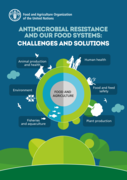
Since the introduction of penicillin in the early twentieth century, antimicrobial treatments have been utilized not only in human medicine but also in veterinary care – initially to ward off diseases, prevent post-surgery infections, and treat sick farm
...
animals.Global food production has intensified over the past 50 years due to economic expansion and popu-lation growth. The use of antimicrobials in agriculture – in livestock, fish farming, and even on crops – has grown as well. Antimicrobials are not only used as medicines, but are sometimes also added in low concentrations to animal feed as a way of stimulating growth.
more
BUKO Pharma-Kampagne has investigated the causes and consequences of antibiotic resistance in India, South Africa, Tanzania and Germany. Together with our partners we collected data and did interviews with numerous stakeholders. The outcome is presented in a brochure that is now available in English
...
Resistant bacteria are spreading worldwide. In collaboration with partners in India, Tanzania, South Africa and Germany, we have investigated the causes and consequences of this spread.2 This Pharma-Brief Special presents the results. It examines the risks for humans, animals and the environment. It focuses on local problems and approaches, international interactions and the re-sponsibility of doctors, farmers and consumers.
more
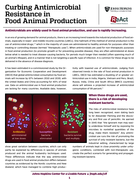
Antimicrobials are widely used in food animal production, and use is rapidly increasing.
In an era of growing demand for animal products, there is an increasing trend towards the industrial production of food animals, especially in lower- and middl
...
e-income countries (LMICs). One hallmark of this method of animal production is the
use of antimicrobial drugs, which in the majority of cases are administered to healthy animals for purposes other than
treating or controlling disease (termed “therapeutic uses”)
more
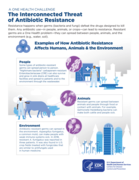
Resistance happens when germs (bacteria and fungi) defeat the drugs designed to kill them. Any antibiotic use—in people, animals, or crops—can lead to resistance. Resistant germs are a One Health problem—they can spread between people,
...
animals, and the environment.
more
The WHO CIA List should be used as a reference to help formulate and prioritize risk assessment and risk management strategies for containing antimicrobial resistance. The WHO CIA List supports strategies to mitigate the human health risks associated with antimicrobial use in
...
food-producing animals and has been used by both public and private sector organizations. The list helps regulators and stakeholders know which types of antimicrobials used in animals present potentially higher risks to human populations and how use of antimicrobials might be managed to minimize antimicrobial resistance of medical importance. The use of the WHO CIA List, in conjunction with the OIE list of antimicrobials of veterinary importance (1) and the WHO Model Lists of Essential Medicines (2) , will allow for prioritization of risk management strategies in the human sector, the food animal sector, inagriculture (crops) and horticulture, through a coordinated multisectoral One Health approach.
more

How does antibiotic resistance spread?
Antibiotic resistance is the ability of bacteria to combat the action of one or more antibiotics.
Humans and animals do not become resistant to antibiotic treatments, but bacteria carried by humans and
...
animals can.
more
Antibiotics, also known as antimicrobial drugs, are medicines that can kill or inhibit the growth of bacteria to cure infections in people, animals and sometimes plants. Antibiotics are medicines for bacterial infections (such as pneumococcal pneumo
...
nia or staphylococcal bloodstream infections); antimicrobial drugs that are effective against viruses are usually called antiviral drugs (such as those for influenza, HIV and herpes). Not all antibiotics are active against all bacteria. There are more than 15 different classes of antibiotics that differ in their chemical structure and their action against bacteria. An antibiotic may be effective against only one or multiple types of bacteria.
more
Diseases that spread easily have always been around. Sometimes these diseases spread from one person to another person. Sometimes they spread from animals to people. Other times, they spread through germs in the water, soil, food, or air.
Some dise
...
ases can be prevented or controlled with a vaccination, like measles. Other diseases may not have a vaccine or drugs to treat them. Because of this, it is important to prevent the spread of diseases.
Last Reviewed Date: 2020-03-18
more
Presently, there is no evidence that the virus responsible for the current COVID-19 pandemic is carried by domestic food-producing animals, such as chickens, ducks, other poultry, pigs, cattle, camels, horses, sheep, goats, rabbits, guinea pigs or f
...
ish. While live animals can be a source of pathogens, all types of food can potentially be contaminated through contact with contaminated equipment, surfaces or environments. Proper cleaning and the prevention of cross-contamination are critical in the control of foodborne illnesses. The application of sound principles of environmental sanitation, personal hygiene and established food safety practices will reduce the likelihood that harmful pathogens will threaten the safety of the food supply, regardless of whether the food is sourced from intensive agriculture, small stakeholders or wildlife.
more
The COVID-19 pandemic has provided a dramatic illustration of the extent to which the health of people, animals and the environment is interdependent, which is why “One Health” is now high on the political agenda. This document provides an overv
...
iew of KfW Development Bank’s approach to promoting human, animal and environmental health. Involvement in areas like agriculture, biodiversity, health and water is already contributing to the One Health objectives. Moving forward, it will also be important to give greater consideration to interdependencies between sectors and ensure that structural connections are taken into account in cross-sectoral programmes.
more
Such as antibiotics, antivirals, antiparasitics, and antifungals are important for infectious disease control in humans, animals and plants,
but they can only continue to be effective if we use them responsibly and according to professional advice.
...
Available in English, French and Portuguese
more
Infectious diseases cause over one billion human infections per year, with millions of deaths each year globally. Extensive health and financial burden is seen from both established and emerging infectious diseases. Infectious diseases also affect plants and
...
animals, which may pose threats to agriculture and water supplies with additional impacts on human health. This Question and Answers, prepared by the World Health Organization (WHO) and Convention on Biological Diversity (CBD) Secretariat under their joint work programme on biodiversity and health, and launched of the occasion of the International Day for Biodiversity 2020, summarizes some of the interlinkages between biodiversity and infectious diseases.
WHO is continuously monitoring and responding to the COVID 19 outbreak. This Q&A will be updated as more is known about COVID-19, how it is affecting people worldwide, and the effectiveness of interventions against the disease.
more
