
Filter
1387
Text search:
WHO
(World
Health
Organisation)
Featured
Recommendations
105
New Publications
291
Language
Document type
No document type
698
Studies & Reports
301
Guidelines
145
Manuals
67
Strategic & Response Plan
65
Fact sheets
48
Training Material
25
Situation Updates
21
Infographics
7
Resource Platforms
5
Online Courses
3
Videos
2
Countries / Regions
India
60
Global
54
South Africa
47
Kenya
34
Africa
29
Nigeria
28
Uganda
26
Latin America and the Carribbean
26
Western and Central Europe
26
Sierra Leone
25
Zambia
25
Malawi
25
Ghana
24
Nepal
21
Syria
20
Tanzania
16
Namibia
16
Ethiopia
14
Rwanda
12
Myanmar / Burma
12
Congo, Democratic Republic of
10
Zimbabwe
10
Haiti
10
Indonesia
10
Lesotho
10
South Sudan
9
Ukraine
9
West and Central Africa
9
Mozambique
8
East and Southern Africa
8
Senegal
7
Cameroon
7
South–East Asia Region
7
Asia
7
Russia
7
Botswana
6
Madagascar
6
Eastern Europe
6
Guinea
5
Mali
5
Philippines
5
Afghanistan
5
Lebanon
5
Benin
5
Middle East and North Africa
5
Côte d’Ivoire / Ivory Coast
4
Niger
4
Pakistan
4
Chad
4
Cambodia
4
Thailand
4
Bangladesh
4
Central African Republic
4
Brazil
4
Sri Lanka
4
France
4
Burkina Faso
3
Liberia
3
Iraq
3
Jordan
3
Turkey
3
China
3
Eswatini/ Swaziland
3
Yemen
3
Kyrgyzstan
3
Kazakhstan
3
Togo
2
Germany
2
Malaysia
2
Argentina
2
Hungary
2
Croatia
2
Colombia
2
Greece
2
Angola
2
Eastern Europe and Central Asia
2
Venezuela
2
Laos
2
Timor Leste/ East Timor
2
Tajikistan
2
Iran
2
Georgia
2
Vietnam
2
Gabon
2
Japan
2
Portugal
2
Belarus
2
Morocco
1
USA
1
Mauritania
1
Ireland
1
Singapore
1
Papua New Guinea
1
North Macedonia
1
Serbia
1
Burundi
1
Ecuador
1
El Salvador
1
Libya
1
Mexico
1
Chile
1
Fiji
1
Bhutan
1
Poland
1
Palestine
1
Albania
1
Mongolia
1
Southern Africa
1
Congo-Brazzaville
1
Lithuania
1
Moldova
1
Uzbekistan
1
Turkmenistan
1
Jamaica
1
Denmark
1
Maldives
1
Mauritius
1
United Kingdom
1
Norway
1
Spain
1
Azerbaijan
1
Bosnia and Herzegovina
1
Authors & Publishers
Publication Years
Category
Countries
472
Clinical Guidelines
92
Key Resources
90
Public Health
73
Women & Child Health
69
Capacity Building
18
Pharmacy & Technologies
7
Toolboxes
COVID-19
117
Mental Health
113
Disability
104
AMR
78
HIV
71
Planetary Health
71
TB
51
Global Health Education
46
Caregiver
46
Conflict
43
Rapid Response
38
Refugee
34
Ebola & Marburg
32
NTDs
30
Health Financing Toolbox
26
NCDs
26
Natural Hazards
20
Pharmacy
20
2.0 Rapid Response
13
Specific Hazards
11
Social Ethics
10
Cholera
8
Zika
7
Polio
4
Malaria
4
Those who clean are the first line of defense against health care-associated infections (HAIs), and support efforts to reduce antimicrobial resistance (AMR).
Strengthening the training of this im
...
New WHO Global Air Quality Guidelines (AQGs) provide clear evidence of the damage air pollution inflicts on human health, at even lower concentrations than previously understood. The guidelines reco
...
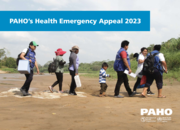
This document outlines PAHO’s regional priorities for the year 2023 to sustain and scale up health emergency and humanitarian assistance in the Americas, with a focus on five priority countries currently facing a prolonged humanitarian crisis and
...
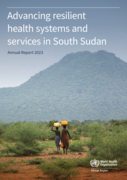
This report presents the work provided by the WHO South Sudan Office in 2023, covering the work of the country
and field offices. It summarizes the major achievements under four categories of the country’s priorities: Universal HealthCoverage, Em
...
The Quadripartite organizations have developed the One Health Priority Research Agenda for AMR report, this is a joint initiative to assist in directing and catalysing scientific interest and financial investments for the priority research agenda ac
...

To enhance health co-benefits across urban policies which tackle air pollution and climate change, WHO, in cooperation with various international, national, and local partners, implemented the Urban
...
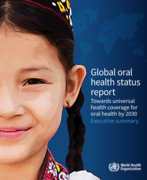
The executive summary of the WHO Global oral health status report presents a snapshot of the most recent data on major oral diseases, risk factors, health
...
The WHO Global research agenda on health, migration and displacement identified the health of displaced and migrant populations in the context of c
...
This thematic brief accompanies the Working for Health 2022–2030 Action Plan, serving as a background and rationale to the related actions of the Working for Health progression model (see Annex).
...
Safe water, sanitation and hygiene (collectively known as WASH) are crucial for human health and well-being. Yet, millions of people globally lack adequate WASH services and consequently suffer from or are exposed to a multitude of preventable illne
...

The standards define 10 key competencies for health and care workers to support self-care in their clinical practice as well as the specific, measurable behaviours that demonstrate those competencies, focusing on people-centredness; decision-making;
...

The key updates include: content update in various sections based on new evidence; design changes for enhanced usability; a streamlined and simplified clinical assessment that includes an algorithm for follow-up; inclusion of two new modules
- Essential Care and Practice that includes general guid
...
Children continue to be exposed to powerful food marketing, which predominantly promotes foods high in saturated fatty acids, trans-fatty acids, free sugars and/or sodium and uses a wide variety of marketing strategies that are likely to appeal to children. Food marketing has a harmful impact on chi
...
This guideline provides evidence-informed guidance on the use of non-sugar sweeteners to reduce the risk of unhealthy weight gain and diet-related noncommunicable diseases in adults and children. The guidance in this guideline is not based on toxicological assessments of the safety of individual no
...
Health-care waste management is a critical aspect of health-care systems, crucial for public health and environmental sustainability. This report p
...

During this short video, essential workers from around the world from the health, emergency and humanitarian sectors share their personal stories about mental
...
Sexual exploitation, sexual abuse and sexual harassment (SEAH) violate the rights and wellbeing of the people we serve and the people with whom we serve. Such behaviours are directly in opposition to WHO’s values and our abiding responsibility to
...
The 2021 Report examines country health spending patterns and trends over the past 20 years, before the COVID-19 pandemic, with greater focus on public spending on health. The report also presents s
...
