Filter
1333
Text search:
key
facts
Featured
133
324
Language
Document type
684
215
153
105
68
49
37
8
7
4
1
1
1
Countries
80
48
31
30
29
28
28
27
24
23
23
22
21
19
18
17
17
15
13
12
11
10
10
10
10
9
8
8
8
8
7
7
7
7
6
6
6
5
5
5
5
5
5
5
5
5
4
4
4
4
4
4
3
3
3
3
3
3
3
3
3
3
3
2
2
2
2
2
2
2
2
2
2
2
2
2
2
2
2
2
2
2
1
1
1
1
1
1
1
1
1
1
1
1
1
1
1
1
1
1
1
1
1
1
1
1
1
1
1
1
1
1
1
Authors & Publishers
Publication Years
Category
413
106
93
90
83
71
7
Toolboxes
139
129
71
58
55
43
42
40
39
37
36
30
30
29
24
22
17
14
12
12
11
9
8
6
1
1
The CHS is a voluntary and measurable standard, which means its application can be objectively assessed. The CHS Verification Scheme allows organisations to measure the extent to which they have successfully applied the CHS requirements, and allows them, to demonstrate that they have done so. The Sc
...
This Training module on malaria elimination has been developed by WHO to support health professionals in planning, managing, monitoring and evaluating malaria elimination programmes
This toolkit has been developed by the ZAZI campaign for use by peer educators, community outreach workers, faith-based organisations, and traditional health practitioners to help facilitate participatory discussions on sexual and reproductive health with women aged between 20 and 49 years of age. T
...
Namibia: Operation Theatre Manual
recommended

Standard Treatment Guideline
This is the third guidance note in a four-part series of notes related to impact evaluation developed by InterAction with financial support from the Rockefeller Foundation.This third guidance note, Introduction to Mixed Methods in Impact Evaluation, starts by explaining what a mixed methods (MM) imp
...
This EISF Briefing Paper seeks to outline the requirements of crisis management structures, providing a general guideline of crisis management planning, Crisis Management Teams (CMTs) and post-crisis follow-up. It is followed by the May 2010 EISF Briefing Paper, Abduction Management, that will focu
...

The Cost of Security Risk Management for NGOs explores the costs related to safety and security management for aid programmes. It aims to assist all aid practitioners to determine their risk management expenditure more accurately, and demonstrate an evidence-based approach when presenting this infor
...
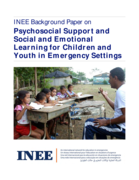
Psychosocial Support and Social and Emotional Learning for Children and Youth in Emergency Settings
recommended
The purpose of this paper is to clarify relevant terminologies and approaches relating to psychosocial well-being and social and emotional learning (SEL) in education in crisis affected contexts, and to explore how psychosocial support (PSS) and social and emotional learning relate to one another.