
Filter
7000
Text search:
country
guidelines
Featured
714
1956
Language
6762
153
136
114
61
49
31
24
15
11
10
9
8
8
7
6
6
6
6
6
5
5
5
5
5
4
4
4
3
3
3
3
3
3
3
3
3
3
3
3
2
2
2
2
2
2
2
2
2
2
1
1
1
1
1
1
1
1
1
1
1
1
1
Document type
3683
1122
1080
453
308
143
116
55
15
9
6
6
1
1
Countries
375
300
212
176
159
154
148
145
144
142
129
125
125
104
103
102
99
97
94
80
69
67
65
64
53
50
49
48
47
45
44
41
36
36
34
33
33
33
29
28
26
25
25
25
24
24
23
22
21
20
19
16
15
14
14
14
13
13
12
12
12
12
11
11
10
10
9
9
9
8
7
7
7
7
7
7
7
6
6
6
6
6
6
6
5
5
5
5
5
4
4
4
4
4
4
4
4
4
4
4
4
4
4
3
3
3
3
3
3
2
2
2
2
2
2
2
2
2
2
2
2
2
2
1
1
1
1
1
1
1
1
1
1
1
1
1
1
1
1
1
1
1
1
1
1
1
1
1
1
1
1
1
1
1
Authors & Publishers
1083
338
252
191
174
133
123
111
72
67
56
44
43
42
39
37
34
29
29
28
27
27
26
25
24
24
23
22
22
21
21
21
20
20
20
20
20
20
20
19
17
17
17
17
17
16
16
16
16
16
15
15
14
14
14
14
14
14
13
13
13
13
13
12
12
12
12
12
12
12
12
12
11
11
11
11
11
11
11
11
11
11
11
11
11
11
10
10
10
10
10
10
10
10
10
10
10
9
9
9
9
9
9
9
9
9
9
8
8
8
8
8
8
8
8
8
8
8
8
8
8
8
7
7
7
7
7
7
7
7
7
7
7
7
7
7
7
7
7
7
7
7
7
7
7
7
7
6
6
6
6
6
6
6
6
6
6
6
6
6
6
6
6
6
6
6
6
6
6
6
6
6
6
5
5
5
5
5
5
5
5
5
5
5
5
5
5
5
5
5
5
5
5
5
5
5
5
5
5
5
5
5
5
5
5
5
5
5
4
4
4
4
4
4
4
4
4
4
4
4
4
4
4
4
4
4
4
4
4
4
4
4
4
4
4
4
4
4
4
4
4
4
4
4
4
4
4
4
4
4
4
4
4
4
4
4
4
4
4
4
4
4
4
4
4
4
4
4
4
4
4
4
4
4
4
4
4
4
4
3
3
3
3
3
3
3
3
3
3
3
3
3
3
3
3
3
3
3
3
3
3
3
3
3
3
3
3
3
3
3
3
3
3
3
3
3
3
3
3
3
3
3
3
3
3
3
3
3
3
3
3
3
3
3
3
3
3
3
3
3
3
3
3
3
3
3
3
3
3
3
3
3
3
3
3
3
3
3
3
3
3
3
3
3
3
3
3
3
3
3
3
3
3
3
3
3
3
3
3
3
3
3
3
3
3
3
3
3
3
3
3
3
3
3
3
3
3
3
3
3
3
3
3
2
2
2
2
2
2
2
2
2
2
2
2
2
2
2
2
2
2
2
2
2
2
2
2
2
2
2
2
2
2
2
2
2
2
2
2
2
2
2
2
2
2
2
2
2
2
2
2
2
2
2
2
2
2
2
2
2
2
2
2
2
2
2
2
2
2
2
2
2
2
2
2
2
2
2
2
2
2
2
2
2
2
2
2
2
2
2
2
2
2
2
2
2
2
2
2
2
2
2
2
2
2
2
2
2
2
2
2
2
2
2
2
2
2
2
2
2
2
2
2
2
2
2
2
2
2
2
2
2
2
2
2
2
2
2
2
2
2
2
2
2
2
2
2
2
2
2
2
2
2
2
2
2
2
2
2
2
2
2
2
2
2
2
2
2
2
2
2
2
2
2
2
2
2
2
2
2
2
2
2
2
2
2
2
2
2
2
2
2
2
2
2
2
2
2
2
2
2
2
2
2
2
2
2
2
2
2
2
2
2
2
2
2
2
2
2
2
2
2
2
2
2
2
2
2
2
2
2
2
2
2
2
2
2
2
2
2
2
2
2
2
2
2
2
2
2
2
2
2
2
2
2
2
2
2
2
2
2
2
2
2
2
2
2
2
2
2
2
2
2
2
2
2
2
2
2
2
2
2
2
2
2
2
2
2
2
2
2
2
2
2
2
2
2
2
2
2
2
2
2
2
2
2
2
2
2
2
2
2
2
2
2
2
2
2
2
2
2
2
2
2
2
2
2
2
2
2
2
2
2
2
2
2
2
2
2
2
2
2
2
2
2
2
2
2
2
2
2
2
2
2
2
2
2
2
2
2
2
2
2
2
2
2
2
2
2
1
1
1
1
1
1
1
1
1
1
1
1
1
1
1
1
1
1
1
1
1
1
1
1
1
1
1
1
1
1
1
1
1
1
1
1
1
1
1
1
1
1
1
1
1
1
1
1
1
1
1
1
1
1
1
1
1
1
1
1
1
1
1
1
1
1
1
1
1
1
1
1
1
1
1
1
1
1
1
1
1
1
1
1
1
1
1
1
1
1
1
1
1
1
1
1
1
1
1
1
1
1
1
1
1
1
1
1
1
1
1
1
1
1
1
1
1
1
1
1
1
1
1
1
1
1
1
1
1
1
1
1
1
1
1
1
1
1
1
1
1
1
1
1
1
1
1
1
1
1
1
1
1
1
1
1
1
1
1
1
1
1
1
1
1
1
1
1
1
1
1
1
1
1
1
1
1
1
1
1
1
1
1
1
1
1
1
1
1
1
1
1
1
1
1
1
1
1
1
1
1
1
1
1
1
1
1
1
1
1
1
1
1
1
1
1
1
1
1
1
1
1
1
1
1
1
1
1
1
1
1
1
1
1
1
1
1
1
1
1
1
1
1
1
1
1
1
1
1
1
1
1
1
1
1
1
1
1
1
1
1
1
1
1
1
1
1
1
1
1
1
1
1
1
1
1
1
1
1
1
1
1
1
1
1
1
1
1
1
1
1
1
1
1
1
1
1
1
1
1
1
1
1
1
1
1
1
1
1
1
1
1
1
1
1
1
1
1
1
1
1
1
1
1
1
1
1
1
1
1
1
1
1
1
1
1
1
1
1
1
1
1
1
1
1
1
1
1
1
1
1
1
1
1
1
1
1
1
1
1
1
1
1
1
1
1
1
1
1
1
1
1
1
1
1
1
1
1
1
1
1
1
1
1
1
1
1
1
1
1
1
1
1
1
1
1
1
1
1
1
1
1
1
1
1
1
1
1
1
1
1
1
1
1
1
1
1
1
1
1
1
1
1
1
1
1
1
1
1
1
1
1
1
1
1
1
1
1
1
1
1
1
1
1
1
1
1
1
1
1
1
1
1
1
1
1
1
1
1
1
1
1
1
1
1
1
1
1
1
1
1
1
1
1
1
1
1
1
1
1
1
1
1
1
1
1
1
1
1
1
1
1
1
1
1
1
1
1
1
1
1
1
1
1
1
1
1
1
1
1
1
1
1
1
1
1
1
1
1
1
1
1
1
1
1
1
1
1
1
1
1
1
1
1
1
1
1
1
1
1
1
1
1
1
1
1
1
1
1
1
1
1
1
1
1
1
1
1
1
1
1
1
1
1
1
1
1
1
1
1
1
1
1
1
1
1
1
1
1
1
1
1
1
1
1
1
1
1
1
1
1
1
1
1
1
1
1
1
1
1
1
1
1
1
1
1
1
1
1
1
1
1
1
1
1
1
1
1
1
1
1
1
1
1
1
1
1
1
1
1
1
1
1
1
1
1
1
1
1
1
1
1
1
1
1
1
1
1
1
1
1
1
1
1
1
1
1
1
1
1
1
1
1
1
1
1
1
1
1
1
1
1
1
1
1
1
1
1
1
1
1
1
1
1
1
1
1
1
1
1
1
1
1
1
1
1
1
1
1
1
1
1
1
1
1
1
1
1
1
1
1
1
1
1
1
1
1
1
1
1
1
1
1
1
1
1
1
1
1
1
1
1
1
1
1
1
1
1
1
1
1
1
1
1
1
1
1
1
1
1
1
1
1
1
1
1
1
1
1
1
1
1
1
1
1
1
1
1
1
1
1
1
1
1
1
1
1
1
1
1
1
1
1
1
1
1
1
1
1
1
1
1
1
1
1
1
1
1
1
1
1
1
1
1
1
1
1
1
1
1
1
1
1
1
1
1
1
1
1
1
1
1
1
1
1
1
1
1
1
1
1
1
1
1
1
1
1
1
1
1
1
1
1
1
1
1
1
1
1
1
1
1
1
1
1
1
1
1
1
1
1
1
1
1
1
1
1
1
1
1
1
1
1
1
1
1
1
1
1
1
1
1
1
1
1
1
1
1
1
1
1
1
1
1
1
1
1
1
1
1
1
1
1
1
1
1
1
1
1
1
1
1
1
1
1
1
1
1
1
1
1
1
1
1
1
1
1
1
1
1
1
1
1
1
1
1
1
1
1
1
1
1
1
1
1
1
1
1
1
1
1
1
1
1
1
1
1
1
1
1
1
1
1
1
1
1
1
1
1
1
1
1
1
1
1
1
1
1
1
1
1
1
1
1
1
1
1
1
1
1
1
1
1
1
1
1
1
1
1
1
1
1
1
1
1
1
1
1
1
1
1
1
1
1
1
1
1
1
1
1
1
1
1
1
1
1
1
1
1
1
1
1
1
1
1
1
1
1
1
1
1
1
1
1
1
1
1
1
1
1
1
1
1
1
1
1
1
1
1
1
1
1
1
1
1
1
1
1
1
1
1
1
1
1
1
1
1
1
1
1
1
1
1
1
1
1
1
1
1
1
1
1
1
1
1
1
1
1
1
1
1
1
1
1
1
1
1
1
1
1
1
1
1
1
1
1
1
1
1
1
1
1
1
1
1
1
1
1
1
1
1
1
1
1
1
1
1
1
1
1
1
1
1
1
1
1
1
1
1
1
1
1
1
1
1
1
1
1
1
1
1
1
1
1
1
1
1
1
1
1
1
1
1
1
1
1
1
1
1
1
1
1
1
1
1
1
1
1
1
1
1
1
1
1
1
1
1
1
1
1
1
1
1
1
1
1
1
1
1
1
1
1
1
1
1
1
1
1
1
1
1
1
1
1
1
1
1
1
1
1
1
1
1
1
1
1
1
1
1
1
1
1
1
1
1
1
1
1
1
1
1
1
1
1
1
1
1
1
1
1
1
1
1
1
1
1
1
1
1
1
1
1
1
1
1
1
1
1
1
1
1
1
1
1
1
1
1
1
1
1
1
1
1
1
1
1
1
1
1
1
1
1
1
1
1
1
1
1
1
1
1
1
1
1
1
1
1
1
1
1
1
1
1
1
1
1
1
1
1
1
1
1
1
1
1
1
1
1
1
1
1
1
1
1
1
1
1
1
1
1
1
1
1
1
1
1
1
1
1
1
1
1
1
1
1
1
1
1
1
1
1
1
1
1
1
1
1
1
1
1
1
1
1
1
1
1
1
1
1
1
1
1
1
1
1
1
1
1
1
1
1
1
1
1
1
1
1
1
1
1
1
1
1
1
1
1
1
1
1
1
1
1
1
1
1
1
1
1
1
1
1
1
1
1
1
1
1
1
1
1
1
1
1
1
1
1
1
1
1
1
1
1
1
1
1
1
1
1
1
1
1
1
1
1
1
1
1
1
1
1
1
1
1
1
1
1
1
1
1
1
1
1
1
1
1
1
1
1
1
1
1
1
1
1
1
1
1
1
1
1
1
1
1
1
1
1
1
1
1
1
1
1
1
1
1
1
1
1
1
1
1
1
1
1
1
1
1
1
1
1
1
1
1
1
1
1
1
1
1
1
1
1
1
1
1
1
1
1
1
1
1
1
1
1
1
1
1
1
1
1
1
1
1
1
1
1
1
1
1
1
1
1
1
1
1
1
1
1
1
1
1
1
1
1
1
1
1
1
1
1
1
1
1
1
1
1
1
1
1
1
1
1
1
1
1
1
1
1
1
1
1
1
1
1
1
1
1
1
1
1
1
1
1
1
1
1
1
1
1
1
1
1
1
1
1
1
1
1
1
1
1
1
1
1
1
1
1
1
1
1
1
1
1
1
1
1
1
1
1
1
1
1
1
1
1
1
1
1
1
1
1
1
1
1
1
1
1
1
1
1
1
1
1
1
1
1
1
1
1
1
1
1
1
1
1
1
1
1
1
1
1
1
1
1
1
1
1
1
1
1
1
1
1
1
1
1
1
1
1
1
1
1
1
1
1
1
1
1
1
1
1
1
1
1
1
1
1
1
1
1
1
1
1
1
1
1
1
1
1
1
1
1
1
1
1
1
1
1
1
1
1
1
1
1
1
1
1
1
1
1
1
1
1
1
1
1
1
1
1
1
1
1
1
1
1
1
1
1
1
1
1
1
1
1
1
1
1
1
1
1
1
1
1
1
1
1
1
1
1
1
1
1
1
1
1
1
1
1
1
1
1
1
1
1
1
1
1
1
1
1
1
1
1
1
1
1
1
1
1
1
1
1
1
1
1
1
1
1
1
1
1
1
1
1
1
1
1
1
1
1
1
1
1
1
1
1
1
1
1
1
1
1
1
1
1
1
1
1
1
1
1
1
1
1
1
1
1
1
1
1
1
1
1
1
1
1
1
1
1
1
1
1
1
1
1
1
1
1
1
1
1
1
1
1
1
1
1
1
1
1
1
1
1
1
1
1
1
1
1
1
1
1
1
1
1
1
1
1
1
1
1
1
1
1
1
1
1
1
1
1
1
1
1
1
1
1
1
1
1
1
1
1
1
1
1
1
1
1
1
1
1
1
1
1
1
1
1
1
1
1
1
1
1
1
1
1
1
1
1
1
1
1
1
1
1
1
1
1
1
1
1
1
1
1
1
1
1
1
1
1
1
1
1
1
1
1
1
1
1
1
1
1
1
1
1
1
1
1
1
1
1
1
1
1
1
1
1
1
1
1
1
1
1
1
1
1
1
1
1
1
1
1
1
1
1
1
1
1
1
1
1
1
1
1
1
1
1
1
1
1
1
1
1
1
1
1
1
1
1
1
1
1
1
1
1
1
1
1
1
1
1
1
1
1
1
1
1
1
1
1
1
1
1
1
1
1
1
1
1
1
1
1
1
1
1
1
1
1
1
1
1
1
1
1
1
1
1
1
1
1
1
1
1
1
1
1
1
1
1
1
1
1
1
1
1
1
1
1
1
1
1
1
1
1
1
1
1
1
1
1
1
1
1
1
1
1
1
1
1
1
1
1
1
1
1
1
1
1
1
1
1
1
1
1
1
1
1
1
1
1
1
1
1
1
1
1
1
1
1
1
1
1
1
1
1
1
1
1
1
1
1
1
1
1
1
1
1
1
1
1
1
1
1
1
1
1
1
1
1
1
1
1
1
1
1
1
1
1
1
1
1
1
1
1
1
1
1
1
1
1
1
1
1
1
1
1
1
1
1
1
1
1
1
1
1
1
1
1
1
1
1
1
1
1
1
1
1
1
1
1
1
1
1
1
1
1
1
1
1
1
1
1
1
1
1
1
1
1
1
1
1
1
1
1
1
1
1
1
1
1
1
1
1
1
1
1
1
1
1
1
1
1
1
1
1
1
1
1
1
1
1
1
1
1
1
1
1
1
1
1
1
1
1
1
1
1
1
1
1
1
1
1
1
1
1
1
1
1
1
1
1
1
1
1
1
1
1
1
1
1
1
1
1
1
1
1
1
1
1
1
1
1
1
1
1
1
1
1
1
1
1
1
1
1
1
1
1
1
1
1
1
1
1
1
1
1
1
1
1
1
1
1
1
1
1
1
1
1
1
1
1
1
1
1
1
1
1
1
1
1
1
1
1
1
1
1
1
1
1
1
1
1
1
1
1
1
1
1
1
1
1
1
1
1
1
1
1
1
1
1
1
1
1
1
1
1
1
1
1
1
1
1
1
1
1
1
1
1
1
1
1
1
1
1
1
1
1
1
1
1
1
1
1
1
1
1
1
1
1
1
1
1
1
1
1
1
1
1
1
1
1
1
1
1
1
1
1
1
1
1
1
1
1
1
1
1
1
1
1
1
1
1
1
1
1
1
1
1
1
1
1
1
1
1
1
1
1
1
1
1
1
1
1
1
1
1
1
1
1
1
1
1
1
1
1
1
1
1
1
1
1
1
1
1
1
1
1
1
1
1
1
1
1
1
1
1
1
1
1
1
1
1
1
1
1
1
1
1
1
1
1
1
1
1
1
1
1
1
1
1
1
1
1
1
1
1
1
1
1
1
1
1
1
1
1
1
1
1
1
1
1
1
1
1
1
1
1
1
1
1
1
1
1
1
1
1
1
1
1
1
1
1
1
1
1
1
1
1
1
1
1
1
1
1
1
1
1
1
1
1
1
1
1
1
1
1
1
1
1
1
1
1
1
1
1
1
1
1
1
1
1
1
1
1
1
1
1
1
1
1
1
1
1
1
1
1
1
1
1
1
1
1
1
1
1
1
1
1
1
1
1
1
1
1
1
1
1
1
1
1
1
1
1
1
1
1
1
1
1
1
1
1
1
1
1
1
1
1
1
1
1
1
1
1
1
1
1
1
1
1
1
1
1
1
1
1
1
1
1
1
1
1
1
1
1
1
1
1
1
1
1
1
1
1
1
1
1
1
1
1
1
1
1
1
1
1
1
1
1
1
1
1
1
1
1
1
1
1
1
1
1
1
1
1
1
1
1
1
1
1
1
1
1
1
1
1
1
1
1
1
1
1
1
1
1
1
1
1
1
1
1
1
1
1
1
1
1
1
1
1
1
1
1
1
1
1
1
1
1
1
1
1
1
1
1
1
1
1
1
1
1
1
1
1
1
1
1
1
1
1
1
1
1
1
1
1
1
1
1
1
1
1
1
1
1
1
1
1
1
1
1
1
1
1
1
1
1
1
1
1
1
1
1
1
1
1
1
1
1
1
1
1
1
1
1
1
1
1
1
1
1
1
1
1
1
1
1
1
1
1
1
1
1
1
1
1
1
1
1
1
1
1
1
1
1
1
1
1
1
1
1
1
1
1
1
1
1
1
1
1
1
1
1
1
1
1
1
1
1
1
1
1
1
1
1
1
1
1
1
1
1
1
1
1
1
1
1
1
1
1
1
1
1
1
1
1
1
1
1
1
1
1
1
1
1
1
1
1
1
1
1
1
1
1
1
1
1
1
1
1
1
1
1
1
1
1
1
1
1
1
1
1
1
1
1
1
1
1
1
1
1
1
1
1
1
1
1
1
1
1
1
1
1
1
1
1
1
1
1
1
1
1
1
1
1
1
1
1
1
1
1
1
1
1
1
1
1
1
1
1
1
1
1
1
1
1
1
1
1
1
1
1
1
1
1
1
1
1
1
1
1
1
1
1
1
1
1
1
1
1
1
1
1
1
1
1
1
1
1
1
1
1
1
1
1
1
1
1
1
1
1
1
1
1
1
1
1
1
1
1
1
1
1
1
1
1
1
1
1
1
1
1
1
1
1
1
1
1
1
1
1
1
1
1
1
1
1
1
1
1
1
1
1
1
1
1
1
1
1
1
1
1
1
1
1
1
1
1
1
1
1
1
1
1
1
1
1
1
1
1
1
1
1
1
1
1
1
1
1
1
1
1
1
1
1
1
1
1
1
1
1
1
1
1
1
1
1
1
1
1
1
1
1
1
1
1
1
1
1
1
1
1
1
1
1
1
1
1
1
1
1
1
1
1
1
1
1
1
1
1
1
1
1
1
1
1
1
1
1
1
1
1
1
1
1
1
1
1
1
1
1
1
1
1
1
1
1
1
1
1
1
1
1
1
1
1
1
1
1
1
1
1
1
1
1
1
1
1
1
1
1
1
1
1
1
1
1
1
1
1
1
1
1
1
1
1
1
1
1
1
1
1
1
1
1
1
1
1
1
1
1
1
1
1
1
1
1
1
1
1
1
1
1
1
1
1
1
1
1
1
1
1
1
1
1
1
1
1
1
1
1
1
1
1
1
1
1
1
1
1
1
1
1
1
1
1
1
1
1
1
1
1
1
1
1
1
1
1
1
1
1
1
1
1
1
1
1
1
1
1
1
1
1
1
1
1
1
1
1
1
1
1
1
1
1
1
1
1
1
1
1
1
1
1
1
1
1
1
1
1
1
1
1
1
1
1
1
1
1
1
1
1
1
1
1
1
1
1
1
1
1
1
1
1
1
1
1
1
1
1
1
1
1
1
1
1
1
1
1
1
1
1
1
1
1
1
1
1
1
1
1
1
1
1
1
1
1
1
1
1
1
1
1
1
1
1
1
1
1
1
1
1
1
1
1
1
1
1
1
1
1
1
1
1
1
1
1
1
1
1
1
1
1
1
1
1
1
1
1
1
1
1
1
1
1
1
1
1
1
1
1
1
1
1
1
1
1
1
1
1
1
1
1
1
1
1
1
1
1
1
1
1
1
1
1
1
1
1
1
1
1
1
1
1
1
1
1
1
1
1
1
1
1
1
1
1
1
1
1
1
1
1
1
1
1
1
1
1
1
1
1
1
1
1
1
1
1
1
1
1
1
1
1
1
1
1
1
1
1
1
1
1
1
1
1
1
1
1
1
1
1
1
1
1
1
1
1
1
1
1
1
1
1
1
1
1
1
1
1
1
1
1
1
1
1
1
1
1
1
1
1
1
1
1
1
1
1
1
1
1
1
1
1
1
1
1
1
1
1
1
1
1
1
1
1
1
1
1
1
1
1
1
1
1
1
1
1
1
1
1
1
1
1
1
1
1
1
1
1
1
1
1
1
1
1
1
1
1
1
1
1
1
1
1
1
1
1
1
1
1
1
1
1
1
1
1
1
1
1
1
1
1
1
1
1
1
1
1
1
1
1
1
1
1
1
1
1
1
1
1
1
1
1
1
1
1
1
1
1
1
1
1
1
1
1
1
1
1
1
1
1
1
1
1
1
1
1
1
1
1
1
1
1
1
1
1
1
1
1
1
1
1
1
1
1
1
1
1
1
1
1
1
1
1
1
1
1
1
1
1
1
1
1
1
1
1
1
1
1
1
1
1
1
1
1
1
1
1
1
1
1
1
1
1
1
1
1
1
1
1
1
1
1
1
1
1
1
1
1
1
1
1
1
1
1
1
1
1
1
1
1
1
1
1
1
1
1
1
1
1
1
1
1
1
1
1
1
1
1
1
1
1
1
1
1
1
1
1
1
1
1
1
1
1
1
1
1
1
1
1
1
1
1
1
1
1
1
1
1
1
1
1
1
1
1
1
1
1
1
1
1
1
1
1
1
1
1
1
1
1
1
1
1
1
1
1
1
1
1
1
1
1
1
1
1
1
1
1
1
1
1
1
1
1
1
1
1
1
1
1
1
1
1
1
1
1
1
1
1
1
1
1
1
1
1
1
1
1
1
1
1
1
1
1
1
1
1
1
1
1
1
1
1
1
1
1
1
1
1
1
1
1
1
1
1
1
1
1
1
1
1
1
1
1
1
1
1
1
1
1
1
1
1
1
1
1
1
1
1
1
1
1
1
1
1
1
1
1
1
1
1
1
1
1
1
1
1
1
1
1
1
1
1
1
1
1
1
1
1
1
1
1
1
1
1
1
1
1
1
1
1
1
1
1
1
1
1
1
1
1
1
1
1
1
1
1
1
1
1
1
1
1
1
1
1
1
1
1
1
1
1
1
1
1
1
1
1
1
1
1
1
1
Publication Years
1
2050
4265
644
37
3
Category
2850
557
527
416
415
165
87
3
Toolboxes
508
492
401
291
244
233
217
206
203
178
177
156
151
151
136
126
99
90
82
54
50
43
42
25
20
5

There is growing international consensus that food systems transformation is important to address the challenges of malnutrition in all its forms, the burden of noncommunicable diseases (NCDs), environmental sustainability, increasing inequality and ensuring the welfare of workers and animals. In li
...
ght of the urgency of these challenges, there are questions about the role of red and processed meat in healthy and sustainable food systems. Globally, production and consumption of all types of meat has increased substantially in the last 50 years, and – although red meat consumption is now plateauing in high-income countries (HICs) – is predicted to increase by a further 50% by 2050. Meat consumption remains highly unequal both between and within countries, and animal-source food intakes, including red meat, are lowest among those at most risk of undernutrition
more

FACTI Panel Interim Report - Executive Summary
The High-Level Panel on International Financial Accountability, Transparency and Integrity for Achieving the 2030 Agenda (FACTI Panel)
The High-Level Panel on International Financial Accountability, Transparency and Integrity for Achieving the 2030 Agenda (FACTI Panel)
(2020)
CC
The High-Level Panel on International Financial Accountability, Transparency and Integrity for Achieving the 2030 Agenda (FACTI Panel) was convened by the 74th President of United Nations General Assembly and the 75th President of the Economic and Social Council on 2 March 2020. The objective of the
...
FACTI Panel is to contribute to the overall efforts undertaken by Member States to implement the ambitious and transformational vision of the 2030 Agenda for Sustainable Development. It is mandated to review current challenges and trends related to financial accountability, transparency and integrity, and to make evidence-based recommendations to close remaining gaps in the international system.
more

The standards define 10 key competencies for health and care workers to support self-care in their clinical practice as well as the specific, measurable behaviours that demonstrate those competencies, focusing on people-centredness; decision-making; effective communication; collaboration; evidence-i
...
nformed practice, and personal conduct.
more

The knowledge guide is the second publication in the Self-care competency framework to support health and care workers.
This describes how health and care workers can apply each of the 10 competency standards in their work, detailing the necessary knowledge, skills and attitudes that underpin the
...
required behaviours.
more

This document provides technical guidance on concepts, definitions, indicators, criteria, milestones and tools to assist leprosy programmes in their journey towards the goals of interruption of transmission and elimination of leprosy disease and through the post-elimination period. Importantly, it p
...
rovides criteria with benchmarks, where possible, for all key aspects of leprosy programmes and services. Not only those related to elimination efforts, but also those related to diagnosis and management of leprosy, leprosy-related disabilities, mental wellbeing, stigma and discrimination and inclusion and participation of persons affected by leprosy. The document emphasises that the elimination of leprosy is a long-term, continuous journey on the one hand, while, on the other, clear milestones can be recognised on the way and programme implementation can be assessed against benchmarks, guiding appropriate action to keep the programme on track.
more

The ninth WHO report on the global tobacco epidemic tracks the progress made by countries in tobacco control since 2008 and, marks 15 years since the introduction of the MPOWER technical package which is designed to help countries implement the demand-reduction measures of the WHO Framework Conventi
...
on on Tobacco Control. The report shows that many countries continue to make progress in the fight against tobacco, but efforts must be accelerated to protect people from the harms of tobacco and second-hand smoke.
more
Diets are changing everywhere, and the burden of disease associated with unhealthy diets is a worldwide concern. Measurement and monitoring of diets across countries and population groups is critical. However, there are no harmonized metrics for tracking how the healthfulness of diets around the wor
...
ld is evolving.
This report assesses the validity, usefulness and fitness for purpose of existing healthy diet metrics as global and national monitoring indicators, presents a comparative assessment of selected healthy diet metrics and discusses priorities and opportunities to improve diet monitoring. This report is an important first step of the Healthy Diets Monitoring Initiative to respond to the need for developing healthy diets metrics for assessing and monitoring diets at national and global level.
more

The 2030 health-related Sustainable Development Goals call on countries to end AIDS as a public health threat and also to achieve universal health coverage. The World Health Organization (WHO) promotes primary health care (PHC) as the key mechanism for achieving universal health coverage, and the PH
...
C approach is also essential for ending AIDS and reaching other Sustainable Development Goal targets.
The PHC approach is defined as a whole-of-society approach to health that aims to maximize the level and distribution of health and well-being through three components: (1) primary care and essential public health functions as the core of integrated health services; (2) multisectoral policy and action; and (3) empowered people and communities.
This publication helps decision-makers to consider and optimize the synergies between existing and future assets and investments intended for both PHC and disease-specific responses, including HIV. Specifically, it aims to:
• provide guidance to policy-makers, health system managers and programmatic leads from both PHC and HIV backgrounds regarding opportunities to jointly advance their respective efforts to strengthen PHC and end AIDS as a public health threat; and
• provide a resource for all stakeholders who seek to contribute to strengthening PHC and ending AIDS as a public health threat in a synergistic manner, including people living with HIV, members of key and vulnerable populations, community and civil society representatives, people working in all areas of health systems, researchers, funders and private-sector decision-makers.
more
The 2020 Financing for Sustainable Development Report, the fifth report of the Inter-agency Task Force on Financing for Development, provides a comprehensive assessment of the state of sustainable finance. Prepared by more than 60 agencies of the United Nations system and partner international organ
...
izations, the report brings together a wide range of expertise and perspectives. It puts forward a set of policy recommendations to mobilize financing flows, and align them with economic, social and environmental priorities. These recommendations should assist Member States and all other stakeholders as they work toward fully implementing the Addis Agenda and achieve the SDGs.
more

The importance of robust mortality surveillance systems cannot be overstated in an era marked by increasing global health challenges where health threats loom large and population dynamics continue to evolve. Accurate and timely mortality data is essential for identifying trends and detecting emergi
...
ng health threats, evaluating the impact of interventions, and guiding evidence-based policy decisions.
This framework outlines a holistic approach to strengthening routine mortality surveillance systems, considering the unique contextual factors and challenges faced by African countries. It emphasizes the importance of establishing efficient data collection mechanisms, enhancing data quality and completeness, and promoting data sharing and collaboration among stakeholders.
Moreover, the framework recognizes the pivotal role of technology in the integration of data from fragmented mortality data sources. It highlights the potential of innovative data capture methods, advanced analytics, and real-time reporting systems to enhance mortality data’s accuracy, efficiency, and timeliness.
The continental framework for mortality surveillance aligns with Africa CDC’s mission and strategic goal by serving as a fundamental component in strengthening public health systems, enhancing disease surveillance capacities and capabilities, informing evidence-based policies and interventions, and promoting collaboration and coordination among African countries to address health challenges and improve health outcomes on the continent.
The successful implementation of this framework requires collective commitment and concerted efforts from governments, health institutions, and the international community. We hope this document will serve as a catalyst for transformative change, enabling countries to build resilient mortality surveillance systems that protect public health, save lives, and contribute to evidence-based decision-making.
more
L'importance de systèmes de surveillance de la mortalité robustes ne peut être surestimée à une époque marquée par des défis sanitaires mondiaux croissants, où les menaces sanitaires pèsent lourd et la dynamique des populations continue d'évoluer. Des données précises et opportunes sur
...
la mortalité sont essentielles pour identifier les tendances et détecter les menaces émergentes pour la santé, évaluer l'impact des interventions et orienter les décisions politiques fondées sur des données probantes.
Ce cadre décrit une approche holistique pour renforcer les systèmes de surveillance de routine de la mortalité, en tenant compte des facteurs contextuels uniques et des défis auxquels sont confrontés les pays africains. Il souligne l'importance d'établir des mécanismes de collecte de données efficaces, d'améliorer la qualité et l'exhaustivité des données et de promouvoir le partage des données et la collaboration entre les parties prenantes.
De plus, le cadre reconnaît le rôle central de la technologie dans l'intégration des données provenant de sources de données fragmentées sur la mortalité. Il met en évidence le potentiel des méthodes innovantes de capture de données, des analyses avancées et des systèmes de notification en temps réel pour améliorer la précision, l'efficacité et l'actualité des données sur la mortalité.
Le cadre continental de surveillance de la mortalité s'aligne sur la mission et l'objectif stratégique d'Africa CDC en servant d'élément fondamental dans le renforcement des systèmes de santé publique, l'amélioration des capacités et des capacités de surveillance des maladies, l'élaboration de politiques et d'interventions fondées sur des données probantes et la promotion de la collaboration et de la coordination entre les pays africains pour relever les défis sanitaires et améliorer les résultats sanitaires sur le continent.
La mise en œuvre réussie de ce cadre nécessite un engagement collectif et des efforts concertés de la part des gouvernements, des établissements de santé et de la communauté internationale. Nous espérons que ce document servira de catalyseur pour un changement transformateur, permettant aux pays de mettre en place des systèmes de surveillance de la mortalité résilients qui protègent la santé publique, sauvent des vies et contribuent à la prise de décision fondée sur des données probantes.
more
WHO’s total revenue in 2020 was US$ 4299 million and total expenses were US$ 3561 million, resulting in a surplus of US$ 824 million, which includes finance revenue (e.g. interest and investment income) of US$ 86 million, representing increases of 38% and 15% in revenue and expenses respectively.
...
10. The financial statements report all the Organization’s revenue and expenses. The Organization’s operations are managed under three fund groups: (1) the General Fund, which supports the programme budget, (2) Member States – other, and (3) the Fiduciary Fund (Note 2.18 gives particulars of each of the funds). This segregation of resources facilitates clearer reporting of WHO’s revenues and expenses.
more
The Director-General has the honour to transmit to the Seventy-fifth World Health Assembly the report of the seventh meeting of the Working Group on Sustainable Financing, which met in a hybrid format, from 25 to 27 April 2022.

I examine the effectiveness of donors in targeting the highest burden of malaria in the Democratic Republic of Congo when health information structure is fragmented. I exploit local variations in the burden of malaria induced by mining activities as well as financial and epidemiological data from he
...
alth facilities to estimate how local aid is matching local health needs. Using a regression discontinuity design, I find significant but quantitatively small variations in aid to health facilities located within mining areas. Comparing local aid with the additional cost of treatment and prevention associated with the increased risk of malaria transmission, I find suggestive evidence that local populations with the highest burden of the disease receive a proportionately lower share of aid compared to neighbouring areas with reduced exposure to malaria infection. The evidence of disparities in the allocation of aid for malaria supports the view that donors may have inaccurate information about local population needs.
more
Background:Neonatal mortality accounts for 43% of global under-five deaths and is decreasing more slowly than maternal or child mortality. Donor funding has increased for maternal, newborn, and child health (MNCH), but no analysis to date has disaggregated aid for newborns. We evaluated if and how a
...
id flows for newborn care can be tracked, examined changes in the last decade, and considered methodological implications for tracking funding for specific population groups or diseases. MethodsandFindings:We critically reviewed and categorised previous analyses of aid to specific populations, diseases, or types of activities. We then developed and refined key terms related to newborn survival in seven languages and searched titles and descriptions of donor disbursement records in the Organisation for Economic Co-operation and Development’s Creditor Reporting System database, 2002–2010. We compared results with the Countdown to 2015 database of aid for MNCH (2003–2008) and the search strategy used by the Institute for Health Metrics and Evaluation. Prior to 2005, key terms related to newborns were rare in disbursement records but their frequency increased markedly thereafter. Only two mentions were found of ‘‘stillbirth’’ and only nine references were found to ‘‘fetus’’ in any spelling variant or language
more

Ebola disease and Marburg disease outbreaks continue to occur in Africa, with increased frequency. In addition to resulting in high mortality and morbidity, the outbreaks generate fear and mistrust about the response activities within the communities affected.
Infection prevention and control (IP
...
C) is a key pillar in the outbreak response; adherence to IPC practices can prevent and control transmission of infections to health and care workers, patients and their family members.
During the 2014-2016 West African Ebola disease outbreak, there was an urgent need for rapid IPC guidance to help support ministries of health, health-care providers and non-governmental organizations (NGOs). In response, WHO produced several documents related to the outbreak based on expert opinion, including IPC-specific documents and documents on clinical management that also referenced key IPC principles and practices. Since that time, many practices in the field have become institutionalized.
more

This report makes clear that there is a path to end AIDS. Taking that path will help ensure preparedness to address other pandemic challenges, and advance progress across the Sustainable Development Goals. The data and real-world examples in the report make it very clear what that path is. It is not
...
a mystery. It is a choice. Some leaders are already following the path—and succeeding. It is inspiring to note that Botswana, Eswatini, Rwanda, the United Republic of Tanzania and Zimbabwe have already achieved the 95–95–95 targets, and at least 16 other countries (including eight in sub-Saharan Africa) are close to doing so.
more
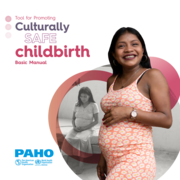
This manual and its Excel tool are under revision. The revised edition will be published soon.

This report summarizes the World Health Organization’s (WHO) global work on water, sanitation and hygiene (WASH) during 2022. It describes how the Organization continued to deliver its essential WASH programming as elaborated in its 2018–2025 strategy.
Member States of the Region have initiated processes to strengthen leadership and governance for mental health. Several countries have developed and implemented mental health plans, strategies and legislations. Direct spending on mental health needs to be increased throughout the Region through the
...
health sector as well as other relevant sectors.
more
