
Filter
5814
Text search:
COVID-19
Featured
733
53
Language
3730
806
707
450
395
337
317
115
63
60
56
38
37
32
29
26
23
22
21
21
20
19
18
18
18
17
16
14
14
14
13
12
12
12
12
11
11
11
11
11
11
10
9
9
9
9
8
8
8
7
7
6
6
6
5
5
4
4
4
4
3
3
2
2
2
2
2
2
2
2
2
2
2
2
2
1
1
1
1
1
1
1
1
1
1
1
1
1
1
1
1
1
1
1
1
1
1
1
1
1
1
Document type
1428
1419
701
391
378
361
262
238
204
123
122
86
84
10
7
Countries
408
270
254
228
202
171
147
143
133
128
119
112
108
106
101
91
87
81
80
63
61
61
60
55
52
51
46
44
43
42
41
41
41
37
37
34
29
29
27
27
26
26
26
25
23
23
23
22
22
21
21
20
20
19
19
19
19
19
19
18
18
17
16
15
15
15
14
14
13
13
13
13
13
12
12
11
11
11
11
11
11
10
10
10
10
10
9
9
9
9
9
9
9
8
8
8
8
8
8
8
7
7
7
7
7
6
6
6
6
6
6
5
5
5
5
5
5
5
5
5
5
4
4
4
3
3
3
3
3
3
3
3
2
2
2
2
2
2
2
2
2
2
2
1
1
1
1
1
1
1
1
1
1
1
1
1
Authors & Publishers
1023
198
188
163
148
141
126
102
94
85
76
69
65
60
53
51
48
46
43
41
35
34
33
31
31
31
30
29
28
27
27
27
26
25
25
25
25
25
25
22
22
21
21
21
20
20
20
19
19
19
19
19
17
16
16
16
16
16
16
16
16
16
16
16
16
15
15
15
15
14
14
14
14
14
14
14
14
14
14
13
13
13
13
13
13
13
13
13
12
12
12
12
12
12
12
12
12
12
11
11
11
11
11
10
10
10
10
10
10
10
10
9
9
9
9
9
9
9
8
8
8
8
8
8
8
8
8
8
8
8
8
8
8
8
8
8
8
8
8
8
7
7
7
7
7
7
7
7
7
7
7
6
6
6
6
6
6
6
6
6
6
6
6
6
6
6
6
6
6
6
6
6
6
6
6
6
6
6
6
6
6
6
6
6
6
5
5
5
5
5
5
5
5
5
5
5
5
5
5
5
5
5
5
5
5
5
5
5
5
5
5
5
5
5
5
5
5
5
5
5
4
4
4
4
4
4
4
4
4
4
4
4
4
4
4
4
4
4
4
4
4
4
4
4
4
4
4
4
4
4
4
4
4
4
4
4
4
4
4
4
4
4
3
3
3
3
3
3
3
3
3
3
3
3
3
3
3
3
3
3
3
3
3
3
3
3
3
3
3
3
3
3
3
3
3
3
3
3
3
3
3
3
3
3
3
3
3
3
3
3
3
3
3
3
3
3
3
3
3
3
3
3
3
3
3
3
3
3
3
3
3
3
3
3
3
3
3
3
3
3
3
3
3
3
3
3
3
3
3
3
3
3
3
3
3
3
3
3
3
3
2
2
2
2
2
2
2
2
2
2
2
2
2
2
2
2
2
2
2
2
2
2
2
2
2
2
2
2
2
2
2
2
2
2
2
2
2
2
2
2
2
2
2
2
2
2
2
2
2
2
2
2
2
2
2
2
2
2
2
2
2
2
2
2
2
2
2
2
2
2
2
2
2
2
2
2
2
2
2
2
2
2
2
2
2
2
2
2
2
2
2
2
2
2
2
2
2
2
2
2
2
2
2
2
2
2
2
2
2
2
2
2
2
2
2
2
2
2
2
2
2
2
2
2
2
2
2
2
2
2
2
2
2
2
2
2
2
2
2
2
2
2
2
2
2
2
2
2
2
2
2
2
2
2
2
2
2
2
2
2
2
2
2
2
2
2
2
2
2
2
2
2
2
2
2
2
2
2
2
2
2
2
2
2
2
2
2
2
2
2
2
2
2
2
2
2
2
2
2
2
2
2
2
2
2
2
2
2
2
2
2
2
2
2
2
2
2
2
2
2
2
2
2
2
2
2
2
2
2
2
2
2
2
2
2
2
2
2
1
1
1
1
1
1
1
1
1
1
1
1
1
1
1
1
1
1
1
1
1
1
1
1
1
1
1
1
1
1
1
1
1
1
1
1
1
1
1
1
1
1
1
1
1
1
1
1
1
1
1
1
1
1
1
1
1
1
1
1
1
1
1
1
1
1
1
1
1
1
1
1
1
1
1
1
1
1
1
1
1
1
1
1
1
1
1
1
1
1
1
1
1
1
1
1
1
1
1
1
1
1
1
1
1
1
1
1
1
1
1
1
1
1
1
1
1
1
1
1
1
1
1
1
1
1
1
1
1
1
1
1
1
1
1
1
1
1
1
1
1
1
1
1
1
1
1
1
1
1
1
1
1
1
1
1
1
1
1
1
1
1
1
1
1
1
1
1
1
1
1
1
1
1
1
1
1
1
1
1
1
1
1
1
1
1
1
1
1
1
1
1
1
1
1
1
1
1
1
1
1
1
1
1
1
1
1
1
1
1
1
1
1
1
1
1
1
1
1
1
1
1
1
1
1
1
1
1
1
1
1
1
1
1
1
1
1
1
1
1
1
1
1
1
1
1
1
1
1
1
1
1
1
1
1
1
1
1
1
1
1
1
1
1
1
1
1
1
1
1
1
1
1
1
1
1
1
1
1
1
1
1
1
1
1
1
1
1
1
1
1
1
1
1
1
1
1
1
1
1
1
1
1
1
1
1
1
1
1
1
1
1
1
1
1
1
1
1
1
1
1
1
1
1
1
1
1
1
1
1
1
1
1
1
1
1
1
1
1
1
1
1
1
1
1
1
1
1
1
1
1
1
1
1
1
1
1
1
1
1
1
1
1
1
1
1
1
1
1
1
1
1
1
1
1
1
1
1
1
1
1
1
1
1
1
1
1
1
1
1
1
1
1
1
1
1
1
1
1
1
1
1
1
1
1
1
1
1
1
1
1
1
1
1
1
1
1
1
1
1
1
1
1
1
1
1
1
1
1
1
1
1
1
1
1
1
1
1
1
1
1
1
1
1
1
1
1
1
1
1
1
1
1
1
1
1
1
1
1
1
1
1
1
1
1
1
1
1
1
1
1
1
1
1
1
1
1
1
1
1
1
1
1
1
1
1
1
1
1
1
1
1
1
1
1
1
1
1
1
1
1
1
1
1
1
1
1
1
1
1
1
1
1
1
1
1
1
1
1
1
1
1
1
1
1
1
1
1
1
1
1
1
1
1
1
1
1
1
1
1
1
1
1
1
1
1
1
1
1
1
1
1
1
1
1
1
1
1
1
1
1
1
1
1
1
1
1
1
1
1
1
1
1
1
1
1
1
1
1
1
1
1
1
1
1
1
1
1
1
1
1
1
1
1
1
1
1
1
1
1
1
1
1
1
1
1
1
1
1
1
1
1
1
1
1
1
1
1
1
1
1
1
1
1
1
1
1
1
1
1
1
1
1
1
1
1
1
1
1
1
1
1
1
1
1
1
1
1
1
1
1
1
1
1
1
1
1
1
1
1
1
1
1
1
1
1
1
1
1
1
1
1
1
1
1
1
1
1
1
1
1
1
1
1
1
1
1
1
1
1
1
1
1
1
1
1
1
1
1
1
1
1
1
1
1
1
1
1
1
1
1
1
1
1
1
1
1
1
1
1
1
1
1
1
1
1
1
1
1
1
1
1
1
1
1
1
1
1
1
1
1
1
1
1
1
1
1
1
1
1
1
1
1
1
1
1
1
1
1
1
1
1
1
1
1
1
1
1
1
1
1
1
1
1
1
1
1
1
1
1
1
1
1
1
1
1
1
1
1
1
1
1
1
1
1
1
1
1
1
1
1
1
1
1
1
1
1
1
1
1
1
1
1
1
1
1
1
1
1
1
1
1
1
1
1
1
1
1
1
1
1
1
1
1
1
1
1
1
1
1
1
1
1
1
1
1
1
1
1
1
1
1
1
1
1
1
1
1
1
1
1
1
1
1
1
1
1
1
1
1
1
1
1
1
1
1
1
1
1
1
1
1
1
1
1
1
1
1
1
1
1
1
1
1
1
1
1
1
1
1
1
1
1
1
1
1
1
1
1
1
1
1
1
1
1
1
1
1
1
1
1
1
1
1
1
1
1
1
1
1
1
1
1
1
1
1
1
1
1
1
1
1
1
1
1
1
1
1
1
1
1
1
1
1
1
1
1
1
1
1
1
1
1
1
1
1
1
1
1
1
1
1
1
1
1
1
1
1
1
1
1
1
1
1
1
1
1
1
1
1
1
1
1
1
1
1
1
1
1
1
1
1
1
1
1
1
1
1
1
1
1
1
1
1
1
1
1
1
1
1
1
1
1
1
1
1
1
1
1
1
1
1
1
1
1
1
1
1
1
1
1
1
1
1
1
1
1
1
1
1
1
1
1
1
1
1
1
1
1
1
1
1
1
1
1
1
1
1
1
1
1
1
1
1
1
1
1
1
1
1
1
1
1
1
1
1
1
1
1
1
1
1
1
1
1
1
1
1
1
1
1
1
1
1
1
1
1
1
1
1
1
1
1
1
1
1
1
1
1
1
1
1
1
1
1
1
1
1
1
1
1
1
1
1
1
1
1
1
1
1
1
1
1
1
1
1
1
1
1
1
1
1
1
1
1
1
1
1
1
1
1
1
1
1
1
1
1
1
1
1
1
1
1
1
1
1
1
1
1
1
1
1
1
1
1
1
1
1
1
1
1
1
1
1
1
1
1
1
1
1
1
1
1
1
1
1
1
1
1
1
1
1
1
1
1
1
1
1
1
1
1
1
1
1
1
1
1
1
1
1
1
1
1
1
1
1
1
1
1
1
1
1
1
1
1
1
1
1
1
1
1
1
1
1
1
1
1
1
1
1
1
1
1
1
1
1
1
1
1
1
1
1
1
1
1
1
1
1
1
1
1
1
1
1
1
1
1
1
1
1
1
1
1
1
1
1
1
1
1
1
1
1
1
1
1
1
1
1
1
1
1
1
1
1
1
1
1
1
1
1
1
1
1
1
1
1
1
1
1
1
1
1
1
1
1
1
1
1
1
1
1
1
1
1
1
1
1
1
1
1
1
1
1
1
1
1
1
1
1
1
1
1
1
1
1
1
1
1
1
1
1
1
1
1
1
1
1
1
1
1
1
1
1
1
1
1
1
1
1
1
1
1
1
1
1
1
1
1
1
1
1
1
1
1
1
1
1
1
1
1
1
1
1
1
1
1
1
1
1
1
1
1
1
1
1
1
1
1
1
1
1
1
1
1
1
1
1
1
1
1
1
1
1
1
1
1
1
1
1
1
1
1
1
1
1
1
1
1
1
1
1
1
1
1
1
1
1
1
1
1
1
1
1
1
1
1
1
1
1
1
1
1
1
1
1
1
1
1
1
1
1
1
1
1
1
1
1
1
1
1
1
1
1
1
1
1
1
1
1
1
1
1
1
1
1
1
1
1
1
1
1
1
1
1
1
1
1
1
1
1
1
1
1
1
1
1
1
1
1
1
1
1
1
1
1
1
1
1
1
1
1
1
1
1
1
1
1
1
1
1
1
1
1
1
1
1
1
1
1
1
1
1
1
1
1
1
1
1
1
1
1
1
1
1
1
1
1
1
1
1
1
1
1
1
1
1
1
1
1
1
1
1
1
1
1
1
1
1
1
1
1
1
1
1
1
1
1
1
1
1
1
1
1
1
1
1
1
1
1
1
1
1
1
1
1
1
1
1
1
1
1
1
1
1
1
1
1
1
1
1
1
1
1
1
1
1
1
1
1
1
1
1
1
1
1
1
1
1
1
1
1
1
1
1
1
1
1
1
1
1
1
1
1
1
1
1
1
1
1
1
1
1
1
1
1
1
1
1
1
1
1
1
1
1
1
1
1
1
1
1
1
1
1
1
1
1
1
1
1
1
1
1
1
1
1
1
1
1
1
1
1
1
1
1
1
1
1
1
1
1
1
1
1
1
1
1
1
1
1
1
1
1
1
1
1
1
1
1
1
1
1
1
1
1
1
1
1
1
1
1
1
1
1
1
1
1
1
1
1
1
1
1
1
1
1
1
1
1
1
1
1
1
1
1
1
1
1
1
1
1
1
1
1
1
1
1
1
1
1
1
1
1
1
1
1
1
1
1
1
1
1
1
1
1
1
1
1
1
1
1
1
1
1
1
1
1
1
1
1
1
1
1
1
1
1
1
1
1
1
1
1
1
1
1
1
1
1
1
1
1
1
1
1
1
1
1
1
1
1
1
1
1
1
1
1
1
1
1
1
1
1
1
1
1
1
1
1
1
1
1
1
1
1
1
1
1
1
1
1
1
1
1
1
1
1
1
1
1
1
1
1
1
1
1
1
1
1
1
1
1
1
1
1
1
1
1
1
1
1
1
1
1
1
1
1
1
1
1
1
1
1
1
1
1
1
1
1
1
1
1
1
1
1
1
1
1
1
1
1
1
1
1
1
1
1
1
1
1
1
1
1
1
1
1
1
1
1
1
1
1
1
1
1
1
1
1
1
1
1
1
1
1
1
1
1
1
1
1
1
1
1
1
1
1
1
1
1
1
1
1
1
1
1
1
1
1
1
1
1
1
1
1
1
1
1
1
1
1
1
1
1
1
1
1
1
1
1
1
1
1
1
1
1
1
1
1
1
1
1
1
1
1
1
1
1
1
1
1
1
1
1
1
1
1
1
1
1
1
1
1
1
1
1
1
1
1
1
1
1
1
1
1
1
1
1
1
1
1
1
1
1
1
1
1
1
1
1
1
1
1
1
1
1
1
1
1
Publication Years
5771
40
2
1
Category
2714
229
193
167
130
78
41
2
Toolboxes
3692
234
220
154
127
124
121
100
99
84
82
74
67
66
55
49
38
29
23
17
8
7
6
5
5
Antimicrobial resistance (AMR) has emerged as a leading cause of death in the African region, surpassing fatalities from malaria, HIV, and TB. In response to this critical threat, the region has adopted the AMR Global Action Plan and the African Union Framework for Antimicrobial Resistance Control 2
...
020 – 2025, which is tailored to meet the specific needs of African nations through a coordinated approach. While most countries in the region have developed and prioritized National Action Plans (NAPs) to tackle AMR, the overall response remains inadequate given the magnitude of the threat, which endangers human, animal, environmental, aquatic, and plant health.
more

This report explores the extent to which evidence, policy, normative guidance and commitments on HIV and gender-based violence, and their interlinkages, is being translated into action on the ground in fragile settings. These issues are explored through the lens of training of peace support operatio
...
ns deploying African troops across Africa and beyond.
more

Language influences the way we think, how we perceive reality, and how we behave. With respect to HIV, language can embody stigma and discrimination, which impacts access to testing, acquisition of HIV, and engagement with treatment. Language plays a role in supporting respect and empowerment of ind
...
ividuals, as communities shape how they are referred to and the labels they wish to use. Consideration and use of appropriate language can strengthen the global response to the HIV pandemic by diminishing stigma and discrimination and increasing support and understanding for individuals and communities living with HIV. Comments and suggestions for modifications should be sent to
more
Asthma is the most common noncommunicable disease in children, and among the most common in adults. According to the most recent estimates from the Global Asthma Network Phase I study, around one in 10 children and adults have symptoms of asthma and one in 20 school-aged children have severe asthma
...
symptoms, with marked variations in prevalence and in prevalence trends between countries and regions of the world. The Global Burden of Disease Study estimated that asthma caused the loss of 21.6 million healthy years of life (disability-adjusted life years) and 461 069 deaths in 2019. Approximately 90% of the asthma burden of disease is borne by people living low and middle income countries (LMICs). Some countries report very high (up to 90%) rates of uncontrolled asthma. While the prevalence of asthma is highest in countries with a high Socio-Demographic Index (SDI), death rates from asthma are highest in countries with low and lower middle incomes.
more

National action plans on antimicrobial resistance (AMR) often overlook the critical intersection of gender, despite evidence that exposure and susceptibility to infection, health-seeking behaviours, as well as antimicrobial prescribing and use patterns are all influenced by gender.

The 2023 meeting of the WHO Clinical Consortium on Healthy Ageing (CCHA) was the group’s ninth gathering and took place in Geneva 5–7 December 2023. The meeting was structured around seven panels, with a series of technical presentations, plenary discussions and group work, and a final session o
...
utlining the work programme for 2024.
more

Uganda is Africa's largest refugee-hosting country and ranks fifth globally. Over the decades, Uganda has hosted refugees from nations including South Sudan, the Democratic Republic of Congo, Eritrea, Somalia, Sudan, Burundi, and Rwanda. As of early 2024, it hosts 1 600 000 refugees, primarily in re
...
fugee settlements in northern and southwestern Uganda, and in Kampala City. Thirteen districts accommodate 94% of these refugees.
The World Health Organization (WHO) and Uganda’s Ministry of Health conducted a joint review mission to provide a comprehensive overview of the health system's response. The aim was to understand service delivery challenges and identify opportunities to further support Uganda in strengthening health system capacity and ensuring continued access to health services for refugees, migrants and host communities.
more

Health Statistics in the Western Pacific Region 2023: Monitoring health for the SDGs is the third biennial report providing an overview of the progress of the World Health Organization (WHO) Western Pacific Region towards the health-related Sustainable Development Goal (SDG) targets. Thi
...
s edition also serves as a baseline assessment for the implementation of the global WHO Fourteenth General Programme of Work 2025–2028 (GPW14) within the Western Pacific Region and the for the Regional Vision “Weaving Health for Families, Communities, and Societies of the Western Pacific Region: Working Together to Improve Health, Well-Being and Save Lives”.
more

The active participation and engagement of health and care workers (HCWs) in health emergency preparedness, readiness and response is crucial to support risk communication, community engagement and infodemic management (RCCE-IM) interventions during emergencies. HCWs hold unique position
...
s in society – repeatedly being identified among the main influencers of people’s behaviours: they are one of the most trusted sources of health information and advice in communities and role models for the acceptance and uptake of protective measures during health emergencies. On the frontline, HCWs have valuable insights and knowledge that can be harnessed to support health emergencies across the entire emergency cycle. Between October and December 2023, the WHO Regional Office for Europe interviewed key informants on strategies and experiences to meaningfully engage HCWs during emergencies
more

Toolkit regarding Zika Virus

On 14 August 2024, the Director-General of the World Health Organization determined that the upsurge of mpox in a growing number of countries in Africa constitutes a new public health emergency of international concern (PHEIC) under the International Health Regulations (IHR) (2005)

The WHO Global tuberculosis report 2024 provides a comprehensive and up-to-date assessment of the TB epidemic, and of progress in prevention, diagnosis and treatment of the disease, at global, regional and country levels. This is done in the context of global TB commitments, strategies and targets.

This report on global leishmaniasis surveillance follows those published in 2016–2023.2–6 Six indicators of leishmaniasis are publicly available from the Global Health Observatory (GHO).7 In addition to the GHO, country profiles with up to 30 indicators are published, with detailed data received
...
from 45 Member States.
more
The WHO Global research agenda on health, migration and displacement identified the health of displaced and migrant populations in the context of climate change as one of the most pressing, yet under-researched, topics.

Since February 24th, 2022, the beginning of Russia’s aggression against Ukraine, more than 80,000 women were expected to give birth. Therefore, understanding the impact of war on the perinatal health of women is an important requisite to improve perinatal care. This narrative synthesis has two mai
...
n purposes: on one hand, it aims to summarize the current evidence available based on perinatal health outcomes and care among perinatal women; on the other, it attempts to identify the gaps still present in research in relation to perinatal care.
more
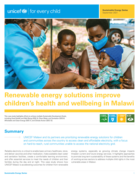
UNICEF Malawi and its partners are prioritizing renewable energy solutions for children and communities across the country to access clean and affordable electricity, with a focus on hard-to-reach, rural communities unable to access the national electricity grid.

What does the future hold for the world’s children?
In many ways, the future is now. Today’s actions and decisions will determine the future children inherit.
Unfortunately, today's children live in a world fraught with crises, poverty and discrimination. Where far too many are deprived of
...
opportunities to meet their full potential.
We can and must do better.
The future of childhood hangs in the balance.
This year’s State of the World’s Children Report examines the forces and trends shaping our world today and reflects on how they might shape the future.
The report explores three megatrends that will profoundly impact children’s lives between now and 2050: demographics shifts, the climate and environmental crises and frontier technologies.
It also presents three future scenarios – possible outcomes, not predictions – for how children could experience the world of 2050.
As we consider what we can do today, our responsibility is clear: now is the time to shape a better future for every child.
more

This purpose of this guide is to inform robust evaluations of the WHO training package – a package aimed at personnel whose primary role in health-care facilities is environmental cleaning, hereafter referred to as cleaners.
The WHO training package – Environmental cleaning and infection prev
...
ention and control in health-care facilities in low- and middle-income countries – was designed to improve the competencies of cleaners through a practical, educational approach for adult learners in low- and middle-income countries and comprises two volumes: trainer’s guide and modules and resources (1,2). An associated OpenWHO online course describes the essential preparations for trainers to deliver the WHO training package.
more

Mpox can spread in humans through close contact, usually skin-to-skin contact, including sexual contact, with an infected person or animal, as well as with materials contaminated with the virus such as clothing, beddings and towels, and respiratory droplets in prolonged face to face contact. People
...
remain infectious from the onset of symptoms until all the lesions have scabbed and healed. The virus may spread from infected animals through handling infected meat or through bites or scratches. Diagnosis is confirmed by polymerase chain reaction (PCR) testing of material from a lesion for the virus’s DNA.
more
Cystic fibrosis (CF) was earlier thought to be a disease prevalent in the West among Caucasians. However, quite a number of recent studies have uncovered CF cases outside of this region, and reported hundreds of unique and novel variant forms of CFTR. Here, we discuss the evidence of CF in parts of
...
the world earlier considered to be rare; Africa, and Asia. This review also highlighted the CFTR mutation variations and new mutations discovered in these regions. This discovery implies that the CF data from these regions were earlier underestimated. The inadequate awareness of the disease in these regions might have contributed towards the poor diagnostic facilities, under-diagnosis or/and under-reporting, and the lack of CF associated health policies. Overall, these regions have a high rate of infant, childhood and early adulthood mortality due to CF. Therefore, there is a need for a thorough investigation of CF prevalence and to identify unique and novel variant mutations within these regions in order to formulate intervention plans, create awareness, develop mutation specific screening kits and therapies to keep CF mortality at bay.
more
