
Filter
2548
Text search:
recommendation
Featured
299
625
Language
2435
86
63
53
33
30
15
15
9
5
4
3
3
3
3
3
2
2
2
2
2
2
2
2
2
1
1
1
1
1
1
1
1
1
1
1
1
1
Document type
1249
562
370
146
73
67
48
18
5
4
2
1
1
Countries
150
133
59
53
50
47
44
41
40
38
36
33
33
33
30
28
26
26
21
20
20
19
18
17
17
17
17
17
15
14
14
12
11
11
11
11
11
10
10
10
10
10
10
8
7
7
7
6
6
6
6
5
5
5
5
5
4
4
4
4
3
3
3
3
3
3
3
3
3
3
2
2
2
2
2
2
2
2
2
2
2
2
2
2
2
2
2
2
1
1
1
1
1
1
1
1
1
1
1
1
1
1
1
1
1
1
1
1
1
1
1
1
1
1
1
1
1
1
Authors & Publishers
572
173
78
70
68
54
38
36
24
21
20
19
16
15
15
15
15
15
14
13
12
12
12
10
10
10
10
9
9
9
9
9
9
9
9
8
7
7
7
7
7
7
6
6
6
6
6
5
5
5
5
5
5
5
5
5
5
5
5
5
5
4
4
4
4
4
4
4
4
4
4
4
4
4
4
4
4
4
4
4
4
4
4
3
3
3
3
3
3
3
3
3
3
3
3
3
3
3
3
3
3
3
3
3
3
3
3
3
3
3
3
3
3
3
3
3
3
3
3
3
3
3
3
3
3
3
3
3
2
2
2
2
2
2
2
2
2
2
2
2
2
2
2
2
2
2
2
2
2
2
2
2
2
2
2
2
2
2
2
2
2
2
2
2
2
2
2
2
2
2
2
2
2
2
2
2
2
2
2
2
2
2
2
2
2
2
2
2
2
2
2
2
2
2
2
2
2
2
2
2
2
2
2
2
2
2
2
2
2
2
2
2
2
2
2
2
2
2
2
2
2
2
2
2
2
2
2
2
2
2
2
2
2
2
2
2
2
2
2
2
2
2
2
2
2
2
2
2
2
2
2
2
2
2
2
2
2
2
1
1
1
1
1
1
1
1
1
1
1
1
1
1
1
1
1
1
1
1
1
1
1
1
1
1
1
1
1
1
1
1
1
1
1
1
1
1
1
1
1
1
1
1
1
1
1
1
1
1
1
1
1
1
1
1
1
1
1
1
1
1
1
1
1
1
1
1
1
1
1
1
1
1
1
1
1
1
1
1
1
1
1
1
1
1
1
1
1
1
1
1
1
1
1
1
1
1
1
1
1
1
1
1
1
1
1
1
1
1
1
1
1
1
1
1
1
1
1
1
1
1
1
1
1
1
1
1
1
1
1
1
1
1
1
1
1
1
1
1
1
1
1
1
1
1
1
1
1
1
1
1
1
1
1
1
1
1
1
1
1
1
1
1
1
1
1
1
1
1
1
1
1
1
1
1
1
1
1
1
1
1
1
1
1
1
1
1
1
1
1
1
1
1
1
1
1
1
1
1
1
1
1
1
1
1
1
1
1
1
1
1
1
1
1
1
1
1
1
1
1
1
1
1
1
1
1
1
1
1
1
1
1
1
1
1
1
1
1
1
1
1
1
1
1
1
1
1
1
1
1
1
1
1
1
1
1
1
1
1
1
1
1
1
1
1
1
1
1
1
1
1
1
1
1
1
1
1
1
1
1
1
1
1
1
1
1
1
1
1
1
1
1
1
1
1
1
1
1
1
1
1
1
1
1
1
1
1
1
1
1
1
1
1
1
1
1
1
1
1
1
1
1
1
1
1
1
1
1
1
1
1
1
1
1
1
1
1
1
1
1
1
1
1
1
1
1
1
1
1
1
1
1
1
1
1
1
1
1
1
1
1
1
1
1
1
1
1
1
1
1
1
1
1
1
1
1
1
1
1
1
1
1
1
1
1
1
1
1
1
1
1
1
1
1
1
1
1
1
1
1
1
1
1
1
1
1
1
1
1
1
1
1
1
1
1
1
1
1
1
1
1
1
1
1
1
1
1
1
1
1
1
1
1
1
1
1
1
1
1
1
1
1
1
1
1
1
1
1
1
1
1
1
1
1
1
1
1
1
1
1
1
1
1
1
1
1
1
1
1
1
1
1
1
1
1
1
1
1
1
1
1
1
1
1
1
1
1
1
1
1
1
1
1
1
1
1
1
1
1
1
1
1
1
1
1
1
1
1
1
1
1
1
1
1
1
1
1
1
1
1
1
1
1
1
1
1
1
1
1
1
1
1
1
1
1
1
1
1
1
1
1
1
1
1
1
1
1
1
1
1
1
1
1
1
1
1
1
1
1
1
1
1
1
1
1
1
1
1
1
1
1
1
1
1
1
1
1
1
1
1
1
1
1
1
1
1
1
1
1
1
1
1
1
1
1
1
1
1
1
1
1
1
1
1
1
1
1
1
1
1
1
1
1
1
1
1
1
1
1
1
1
1
1
1
1
1
1
1
1
1
1
1
1
1
1
1
1
1
1
1
1
1
1
1
1
1
1
1
1
1
1
1
1
1
1
1
1
1
1
1
1
1
1
1
1
1
1
1
1
1
1
1
1
1
1
1
1
1
1
1
1
1
1
1
1
1
1
1
1
1
1
1
1
1
1
1
1
1
1
1
1
1
1
1
1
1
1
1
1
1
1
1
1
1
1
1
1
1
1
1
1
1
1
1
1
1
1
1
1
1
1
1
1
1
1
1
1
1
1
1
1
1
1
1
1
1
1
1
1
1
1
1
1
1
1
1
1
1
1
1
1
1
1
1
1
1
1
1
1
1
1
1
1
1
1
1
1
1
1
1
1
1
1
1
1
1
1
1
1
1
1
1
1
1
1
1
1
1
1
1
1
1
1
1
1
1
1
1
1
1
1
1
1
1
1
1
1
1
1
1
1
1
1
1
1
1
1
1
1
1
1
1
1
1
1
1
1
1
1
1
1
1
1
1
1
1
1
1
1
1
1
1
1
1
1
1
1
1
1
1
1
1
1
1
1
1
1
1
1
1
1
1
1
1
1
1
1
1
1
1
1
1
1
1
1
1
1
1
1
1
1
1
1
1
1
1
1
1
1
1
1
1
1
1
1
1
1
1
1
1
1
1
1
1
1
1
1
1
1
1
1
1
1
1
1
1
1
1
1
1
1
1
1
1
1
1
1
1
1
1
1
1
1
1
1
1
1
1
1
1
1
1
1
1
1
1
1
1
1
1
1
1
1
1
1
1
1
1
1
1
1
1
1
1
1
1
1
1
1
1
1
1
1
1
1
1
1
1
1
1
1
1
1
1
1
1
1
1
1
1
1
1
1
1
1
1
1
1
1
1
1
1
1
1
1
1
1
1
1
1
1
1
1
1
1
1
1
1
1
1
1
1
1
1
1
1
1
1
1
1
1
1
1
1
1
1
1
1
1
1
1
1
1
1
1
1
1
1
1
1
1
1
1
1
1
1
1
1
1
1
1
1
1
1
1
1
1
1
1
1
1
1
1
1
1
1
1
1
1
1
1
1
1
1
1
1
1
1
1
1
1
1
1
1
1
1
1
1
1
1
1
1
1
1
1
1
1
1
1
1
1
1
1
1
1
1
1
1
1
1
1
1
1
1
1
1
1
1
1
1
1
1
1
1
1
1
1
1
1
1
1
1
1
1
1
1
1
1
1
1
1
1
1
1
1
1
1
1
1
1
1
1
1
1
1
1
1
1
1
1
1
1
1
1
1
1
1
1
1
1
1
1
1
1
1
1
1
1
1
1
1
1
1
1
1
1
1
1
1
1
1
1
1
1
1
1
1
1
1
1
1
1
1
1
1
1
1
1
1
1
1
1
1
1
1
1
1
1
1
1
1
1
1
1
1
1
1
1
1
1
1
1
1
1
1
1
1
1
1
1
1
1
1
1
1
1
1
1
1
1
1
1
1
1
1
1
1
1
1
1
1
1
1
1
1
1
1
1
1
1
1
1
1
1
1
1
1
1
1
1
1
1
1
1
1
1
1
1
1
1
1
1
1
1
1
1
1
1
1
1
1
1
1
1
1
1
1
1
1
1
1
1
1
1
1
1
1
1
1
1
1
1
1
1
1
1
1
1
1
1
1
1
1
1
1
1
1
1
1
1
1
1
1
1
1
1
1
1
1
1
1
1
1
1
1
1
1
1
1
1
1
1
1
1
1
1
1
1
1
1
1
1
1
1
1
1
1
1
1
1
1
1
1
1
1
1
1
1
1
1
1
1
1
1
1
1
1
1
1
1
1
1
1
1
1
1
1
1
1
1
1
1
1
1
1
1
1
1
1
1
1
1
1
1
1
1
1
1
1
1
1
1
1
1
1
1
1
1
1
1
1
1
1
1
1
1
1
1
1
1
1
1
1
1
1
1
1
1
1
1
1
1
1
1
1
1
1
1
1
1
1
1
1
1
1
1
1
1
1
1
1
1
1
1
1
1
1
1
1
1
1
1
1
1
1
1
1
1
1
1
1
1
1
1
1
1
1
1
1
1
1
1
1
1
1
1
1
1
1
1
1
1
1
1
1
1
1
1
1
1
1
1
1
1
1
1
1
1
1
1
1
1
1
1
1
1
1
1
1
1
1
1
1
1
1
1
1
Publication Years
837
1472
229
8
1
1
Category
831
307
225
136
131
46
30
Toolboxes
245
206
167
110
88
85
77
71
71
65
56
55
47
43
38
32
32
27
24
23
19
18
17
14
7
2
1

As a global community of +750 representatives of the world’s civil society, the C20 official Engagement Group of the G20 is submitting a list of policy priorities for the upcoming G20 Finance Ministers & Central Bank Governors meeting on July 18th and the G20 Extraordinary Sherpa Meeting on July 2
...
4th. The proposed recommendations take into account complimentary policy areas at the intersection of health and finance policymaking; including funding gaps, systemic, fiscal and financial priorities to put global finances at the service of global health.
more
Report on the PCB Bureau on UNAIDS' funding situation based on the recommendations of the informal multistakeholder task team
Trustworthy, evidence-based health guidelines form the basis of national policies affecting both patients and health-care workers. Emphasizing the link between robust evidence and people’s trust in their health systems, Dr Hans Henri P. Kluge, WHO Regional Director for Europe said at the launch ev
...
ent, “Trust and transformation are key words for us, especially when we talk about improving and strengthening our health systems. Transformation should first and foremost serve the interests of patients and health-care workers”.
While it is not always easy to demonstrate the immediate effect of guidelines on people’s health, there is no viable alternative to utilizing guidelines based on the best available evidence.
Yet, developing robust guidelines remains a challenge for most countries. “Guidelines need to be both simple to use and timely, they need to address people’s real needs, especially at the local level, and should ultimately reflect the resources available,” said Dr Natasha Azzopardi-Muscat, Director, Country Health Policies and Systems, WHO/Europe. “This means that any successful guideline needs to be adjusted and adapted to local contexts and realities.”
more

In an ambitious new era for health development under the 2030 Agenda for Sustainable Development, WHO and
its partners have a solid foundation of success on which to build. Health plays a fundamental role in development
and is the central focus of Sustainable Development Goal 3, “Ensure healthy
...
lives and promote well-being for all
at all ages”. It is also relevant to all the Sustainable Development Goals. Understanding the significance of the
role of health is a prerequisite for successful collective action on the social, economic and environmental
determinants of health
more

This toolkit was developed to provide detailed information and resources to support implementation of the WHO intrapartum and immediate postnatal care recommendations at the health-care facility level. The careful design of this toolkit is based on a rigorous evidence-based approach that includes im
...
plementation strategies of proven effectiveness to help close the gap between WHO’s care recommendations and current policies and practices.
The primary target audience for the toolkit includes policy-makers, health-care facility managers, implementers and managers of maternal and child health programmes, nongovernmental organizations (NGOs) and professional societies involved in the planning and management of maternal and child health services.
more
Prompt, effective antimalarial treatment, and supportive care can substantially reduce the rate of mortality from severe malaria. However, many children in malaria-endemic countries do not have access to health facilities or a qualified health care provider and do not receive the necessary care in a
...
timely fashion. Without rapid detection of danger signs and access to effective treatment, including pre-referral treatment that can be administered in the community level, many of these children with severe malaria die.
In situations where there is no immediate access to a health care facility, WHO recommends the administration of a standard dose of an effective antimalarial medicine as pre-referral treatment before referral to a facility at which complete treatment can be administered.
Rectal artesunate is the WHO-recommended pre-referral intervention in situations where artesunate injection are not feasible for children under the age of 6 years with suspected severe malaria. The intervention reduces the risk of death or permanent disability by up to 50% provided the child is referred to a health facility at which complete treatment can be administered.
This field guide is aimed at supporting the effective deployment of RAS as pre-referral treatment of suspected severe malaria in line with the WHO malaria guidelines.
more
On May 17, 2026, the World Health Organization (WHO) declared the Ebola outbreak in the Democratic Republic of Congo (DRC) and Uganda as a Public Health Emergency of International Concern (PHEIC). This was followed by Africa Centres for Disease Control and Prevention (Africa CDC) declaration on 18 M
...
ay 2026 as a Public Health Emergency of Continental Security (PHECS) signalling the seriousness of the situation and calling for immediate actions. Unlike previous outbreaks of Ebola Virus Disease (EVD) caused by zaire strain for which validated countermeasures have been available, there is currently lack of vaccines and therapeutics for the Bundibugyo ebolavirus strain that is driving the current outbreak. In addition, only a limited number of clinical diagnostics tests have been approved or validated for use. These gaps in effective medical countermeasures are constraining the outbreak response efforts.
more

Background: COVID-19 is a global public health crisis that affects all sectors; studying the impact of this pandemic on the delivery of cardiology services in Africa is crucial as COVID-19-related cardiovascular complications may worsen the CVD burden in this already highly affected and resource-lim
...
ited continent
Methods: This was a cross-sectional e-survey study conducted amongst cardiologists in African countries. The primary outcome was the change in service delivery in African cardiology units during the on-going COVID-19 pandemic. The secondary outcomes were the satisfaction of cardiologists with regards to the workload and factors associated with this satisfaction.
Results: There was a significant reduction in working time and the number of patients consulted by week during this pandemic (p<0.001). In general, there was a decrease in the overall activities in cardiovascular care delivery. The majority of cardiology services (76.5%) and consulting programs (85%) were adjusted to the pandemic. Only half of the participants were satisfied with their workload. Reconfiguration of the consultation schedule was associated with a reduced satisfaction of participants (p=0.02).
Conclusions: COVID-19 is associated with an overall reduction in cardiology services rendered in Africa. Since the cardiovascular burdens continue to increase in this part of the World and the risk of cardiovascular complications linked to SARS COV2 remains unchanged cardiology, departments in Africa should anticipate a significant surge of cardiology services demanded by patients after the COVID-19 pandemic.
more

Humanitarian crises exacerbate nutritional risks and often lead to an increase in acute malnutrition. Emergencies include both manmade (conflict) and natural disasters (floods, drought, cyclones, typhoons, earthquakes, volcanic eruptions, etc.). Complex emergencies are combinations of both manmade a
...
nd natural disasters, often of a protracted nature. Millions of people are affected by humanitarian crises every year. The increasing frequency and scale of emergencies requires nutrition to be addressed in all phases of a response.
Crisis situations, whether acute or protracted, impact on a range of factors that can increase the risk of undernutrition, morbidity, and mortality. They may involve: the large-scale destruction of property and infrastructure; the erosion of livelihood strategies and purchasing power; a breakdown of and reduced access to essential services, including health services, water supply, and sanitation; and the displacement of large numbers of people. Emergencies can also disrupt social systems and the quality of care/feeding practices. Household access to food may be negatively affected and people may find themselves in overcrowded settlements with their families divided. As a result, at the individual level, there is often an increased risk of deteriorating health and nutritional status, resulting in a greater likelihood of death.
more
WHO has published the first-ever guidance on the clinical management of diphtheria. The only previously available guidance was an operational protocol. The new guidance followed the rigorous process for developing guidance at WHO.
It addresses the use of Diphtheria Antitoxin (DAT) in the treatmen
...
t of diphtheria. There is a worldwide shortage of DAT and evidence based recommendations on the use of DAT were requested by many Member States.
The guidance also includes new recommendations on antibiotics. In patients with suspected or confirmed diphtheria, WHO recommends using macrolide antibiotics (azithromycin, erythromycin) rather than penicillin antibiotics.
This clinical practice guideline has been rapidly developed recognizing the global increase in diphtheria outbreaks. Outbreaks of diphtheria in Nigeria, Guinea and neighbouring countries in 2023 have highlighted the urgent need for evidence-based clinical practice guidelines for the treatment of diphtheria. Given the sporadic nature of outbreaks, many clinicians in the affected regions have never managed acute diphtheria and its related complications. Diphtheria remains a neglected disease and vaccination is the top priority. At the same time, for patients with diphtheria, access to antibiotics, DAT and supportive care can be lifesaving.
more

Small drinking-water supplies commonly experience operational, managerial, technical and resourcing challenges that impact their ability to deliver safe and reliable services. The needs and opportunities associated with these supplies therefore warrant explicit consideration in policies and regulati
...
ons.
These Guidelines, specifically tailored to small water supplies, build on over 60 years of guidance by the World Health Organization (WHO) on drinking-water quality and safety. They focus on establishing drinking-water quality regulations and standards that are health based and context appropriate; on proactively managing risks through water safety planning and sanitary inspections; and on carrying out independent surveillance. The guidance is intended primarily for decision-makers at national and subnational levels with responsibility for developing regulatory frameworks and support programmes related to these activities. Other stakeholders involved in water service provision will also benefit from the guidance in this document.
Designed to be practical and accessible, these Guidelines offer clear guidance that is rooted in the principle of progressive improvement. State-of-the-art recommendations and implementation guidance are provided, drawn from a comprehensive evidence review and established good practices. Additionally, case examples are provided from countries and areas around the world to demonstrate how the guidance in this publication has been implemented in practice in a wide variety of contexts.
Together with WHO’s 2024 Sanitary inspection packages – a supporting tool for the Guidelines for drinking-water quality: small water supplies, these Guidelines update and supersede WHO’s 1997 Guidelines for drinking-water quality. Volume 3: surveillance and control of community supplies. Key changes to this updated publication include a greater focus on preventive risk management and a broader range of small water supplies covered, including those managed by households, communities and professional entities.
more
Protection from a Single Dose of HPV Vaccine A major public health impact from IARC studies of vaccine efficacy.

Diabetes in children and young people
National Institute for Health and Care Excellence (NICE)
National Institute for Health and Care Excellence (NICE)
(2022)
CC2
The document "Diabetes in Children and Young People" by NICE (National Institute for Health and Care Excellence) provides quality standards for the diagnosis, management, and support of diabetes in children and adolescents.

Smallpox eradication was certified in 1980. Mpox has been endemic in Central and West African countries since it was first detected in 1958 . It is a zoonosis; cases are often found close to tropical rainforests where various animals carry the orthopoxvirus that causes the disease. In endemic countr
...
ies, most mpox infections in humans result from a primary animal-to-human transmission. Human-to-human transmission can result from close contact with respiratory secretions, skin lesions of an infected person, or recently contaminated objects. Transmission can also occur via the placenta from mother to fetus or through close contact during and after birth.
more
Action Plan for Implementation of Recommendations from the Evaluation of PAHO's Response to COVID-19
An external team evaluated PAHO’s response to COVID-19 to provide an independent assessment of the Pan American Sanitary Bureau’s (PASB) performance regarding preparedness for and response to the COVID-19 pandemic. The evaluations’ final report culminates with eight recommendations for actions
...
to future response to health emergencies. The final report of EPRC culminates with eight evidence-based recommendations of actions to strengthen future pandemic responses, while building a resilient recovery in the Region. The recommendations by the external team focus on PAHO’s governance and management, on specialized regional mechanisms, diversified funding models, and use of new technologies, among others.
more
Under- and over-diagnosis of COPD: a global perspective
Ho T., Cusack R.P., Chaudhary N. et al.
Breathe, part of the European Respiratory Society (ERS)
(2019)
CC2
The article "Under- and over-diagnosis of COPD: a global perspective" reviews the worldwide variation in the prevalence of chronic obstructive pulmonary disease (COPD) and issues related to its misdiagnosis. It highlights that COPD is under-diagnosed due to factors such as limited access to spiromet
...
ry and variable diagnostic criteria, especially in low- and middle-income countries. Conversely, over-diagnosis often results from reliance on non-standard criteria or inadequate spirometry use. The article discusses key risk factors, including age, gender, exposure to pollutants, and comorbidities, and emphasizes the need for standardized diagnostic practices to better address and manage COPD globally.
more
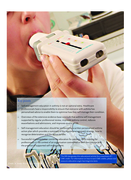
This articel summarises the evidence base underpinning supported self-management for asthma. It provides clinicians with a practical approach to providing supported self-management for asthma and suggests an appropriate strategy for implementing supported self-management.
HIV testing programmes need to ensure that all clients who test for HIV are provided with correct diagnoses. The accuracy of HIV testing is critical to prevent misdiagnosis, as the consequences of giving an incorrect test result can be serious for clients, HIV testing services, HIV programmes and pu
...
blic health.
With the evolution of global HIV epidemiology, HIV testing approaches must also evolve to maintain accuracy and efficiency in population-level diagnosis. Reports suggest that misdiagnosis of HIV status may occur when suboptimal testing algorithms and out-of-date testing strategies are used. As a result of changing epidemiology and declining HIV positivity in testing, WHO recommends all countries use a standard three-test strategy to ensure a PPV of at least 99%, minimizing false-positive misdiagnosis. The WHO-recommended HIV testing strategy, along with quality assurance measures such as retesting to verify a positive diagnosis prior to initiation of HIV treatment, is cost-effective as it prevents misdiagnosis and unnecessary initiation of costly lifelong treatment.
This implementation guide provides practical advice on switching to a three-test strategy and instituting other measures that can help national HIV programmes deliver high-quality, accurate HIV testing services and ensure that misdiagnosis is minimized.
more

Effective malaria case management requires quick access to diagnostics and antimalarial treatments to reduce illness and death. Artemisinin-based combination therapy (ACT) has been essential to malaria treatment since 2001, as it combines artemisinin for rapid parasite reduction with a partner drug
...
to ensure complete cure. However, resistance to antimalarial drugs, where parasites survive standard doses, threatens malaria control.
more

Guidelines approved by the WHO Guidelines -Review Committee; second edition
