
Filter
5401
Text search:
nutrition
Featured
Recommendations
409
New Publications
1626
Language
Document type
No document type
3187
Studies & Reports
894
Guidelines
513
Strategic & Response Plan
234
Manuals
229
Fact sheets
97
Training Material
87
Situation Updates
62
Infographics
39
Resource Platforms
25
Brochures
11
Videos
10
Online Courses
7
Dashboards/Maps
5
App
1
Countries / Regions
India
276
Global
224
Kenya
200
Ethiopia
159
Nepal
143
Congo, Democratic Republic of
118
Bangladesh
116
Malawi
109
Sierra Leone
102
Nigeria
96
Uganda
95
Myanmar / Burma
95
Senegal
93
Tanzania
93
Rwanda
93
Zambia
87
South Africa
87
Liberia
80
Haiti
66
Syria
64
Ghana
62
Philippines
62
South Sudan
62
Namibia
62
Burkina Faso
60
Latin America and the Carribbean
53
Indonesia
52
Lesotho
51
Zimbabwe
46
Africa
46
Yemen
43
Western and Central Europe
41
Mozambique
40
Benin
39
Cambodia
37
Ukraine
37
South–East Asia Region
37
Central African Republic
35
Guinea
34
Cameroon
32
Venezuela
30
Asia
24
Madagascar
23
Botswana
22
Afghanistan
20
Somalia
18
Pakistan
18
Russia
18
West and Central Africa
17
Mali
16
Sudan
16
Eswatini/ Swaziland
16
Niger
15
East and Southern Africa
15
Eastern Europe and Central Asia
15
Brazil
14
Middle East and North Africa
14
Germany
13
Eastern Europe
13
Jordan
11
Colombia
11
Côte d’Ivoire / Ivory Coast
10
Western Pacific Region
10
Lebanon
9
Chad
9
Peru
9
Burundi
9
Togo
8
Iraq
8
Thailand
8
Moldova
8
Sri Lanka
7
Paraguay
7
Turkey
6
China
6
Papua New Guinea
6
USA
5
Bolivia
5
Mexico
5
Chile
5
Laos
5
Tajikistan
5
Vietnam
5
Spain
5
Argentina
4
Southern Africa
4
Kyrgyzstan
4
Kazakhstan
4
Turkmenistan
4
United Kingdom
4
Egypt
3
Hungary
3
Angola
3
Palestine
3
Albania
3
Congo-Brazzaville
3
Canada
3
Iran
3
North America
3
Japan
3
Bosnia and Herzegovina
3
Guinea-Bissau
2
Mauritania
2
Switzerland
2
Croatia
2
Honduras
2
Ecuador
2
Greece
2
Libya
2
Guatemala
2
Nicaragua
2
Other region
2
Fiji
2
Bhutan
2
Poland
2
Djibouti
2
Timor Leste/ East Timor
2
Bulgaria
2
France
2
Portugal
2
Azerbaijan
2
Latvia
2
Morocco
1
Gambia
1
Malaysia
1
Ireland
1
Singapore
1
Vanuatu
1
Dominican Republic
1
Serbia
1
El Salvador
1
Luxembourg
1
Solomon Islands
1
North Korea
1
Mongolia
1
Romania
1
Slovakia
1
Georgia
1
Uruguay
1
Jamaica
1
Denmark
1
Belgium
1
Maldives
1
Israel
1
Authors & Publishers
Publication Years
Category
Countries
2557
Women & Child Health
456
Key Resources
367
Clinical Guidelines
300
Public Health
287
Capacity Building
125
Pharmacy & Technologies
12
Toolboxes
COVID-19
337
Planetary Health
259
HIV
239
Mental Health
223
Conflict
208
TB
195
Disability
192
Caregiver
159
Global Health Education
148
NCDs
130
Ebola & Marburg
107
Natural Hazards
92
AMR
74
Refugee
71
NTDs
63
Rapid Response
55
Health Financing Toolbox
47
Malaria
37
Cholera
35
Pharmacy
35
2.0 Rapid Response
24
Polio
15
Zika
15
Specific Hazards
14
Social Ethics
13
Typhoon
4
South Sudan
2

Strengthening global health security to protect the world against future epidemics and pandemics requires well-tested and decentralized capacities for the local detection and rapid containment of outbreaks of infectious disease. For such capacities to translate into effective response actions, ind
...


Epidemics and pandemics are some of the biggest threats to a safe and healthy world. But with effective preparedness and response measures, we can reduce their impacts and even stop them in their tracks.
Through the Programmatic Partnership with the European Union, 24 local Red Cross and Red Cres
...
Les épidémies et les pandémies font partie des plus grandes menaces pesant sur un monde sûr et sain. Elles sont en augmentation et, dans le monde connecté d’aujourd’hui, elles se répandent plus loin et plus vite que jamais. Mais avec des mesures de préparation et d’intervention effica
...

The primary audience for this guideline includes policy-makers or service providers who are responsible for developing national and local health-care protocols and policies related to care during pregnancy, childbirth and the postnatal period, and those directly providing care to women during pregna
...

These guidelines, produced in 2022 by the Uganda Ministry of Health, provide guidance on the diagnosis of HIV, the care of people living with HIV, and the use of antiretroviral drugs for treating and preventing HIV infection, including injectable cabotegravir and the dapivirine vaginal ring.
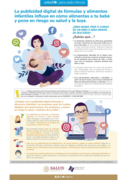
La alimentación complementaria (AC) se considera un proceso por el cual se ofrecen al lactante alimentos sólidos o líquidos distintos de la leche materna o de una fórmula infantil como complemento y no como sustitución de esta.
En Dale un Giro a tu Alimentación te compartimos información sobre hábitos saludables, desde la alimentación, ejercicio y autocuidado, con el objetivo de sentirte bien desde todos los espacios.
Informe sobre nutrición infantil
Ideas para alimentar de forma sana y nutritiva a niñas y niños de 6 meses en adelante
De acuerdo con la Convención sobre los Derechos del Niño, todos los lactantes y niños tienen derecho a una buena nutrición.
Alimentar a los bebés sólo con leche materna en sus primeros seis meses de vida
contribuye a disminuir de manera significativa la desnutrición y la mortalidad infantil. Después del sexto mes y hasta los dos años, la leche materna debe ser complementada con alimentos que sean adecuados a la eda
...
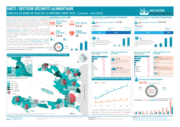
De janvier à juin 2025, les différentes interventions des partenaires du secteur sécurité alimentaire ont permis d’atteindre 1,56 millions de
personnes, soit un taux de réalisation de 45,4% sur les 3,4 millions de personnes ciblées dans le plan de réponse humanitaire. La stratégie de cibl
...
The monograph contained in this volume was prepared following the ninety-third meeting of the Joint Food and Agriculture Organization of the United Nations (FAO)/World Health Organization (WHO) Expert Committee on Food Additives (JECFA), which met virtually online from 24 March–1 April 2022. This
...
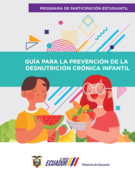
PROGRAMA DE PARTICIPACIÓN ESTUDIANTIL
Almost all populations are consuming too much sodium. The global mean intake of adults is 4310 mg/day sodium (equivalent to 10.78 g/day salt). This is more than double the World Health Organization recommendation for adults of less than 2000 mg/day sodium (equivalent to < 5 g/day salt).
- The primary health effect ass
...

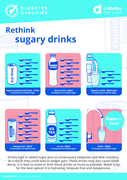
Poor diets are the major cause of death and disease globally, driving high levels of obesity and noncommunicable diseases. Cheap, heavily marketed, ultra-processed, energy-dense and nutrient-poor food and drinks that are high in fat, sugar and salt play a major role. The high-sugar content of these
...
The NIH webpage discusses how dietary habits influence the risk of heart disease, stroke, and type 2 diabetes. It highlights that both excessive and insufficient intake of certain foods and nutrients can increase mortality risk from these conditions, emphasizing the importance of a balanced diet for
...
