
Filter
5145
Text search:
water
quality
Featured
542
1530
Language
5022
116
85
58
58
27
22
15
13
9
8
8
7
6
5
5
5
5
4
4
4
4
3
3
3
3
3
3
3
3
3
2
2
2
2
2
2
2
2
2
2
2
2
2
1
1
1
1
1
1
1
1
1
1
1
1
1
1
1
1
Document type
2625
957
703
352
234
105
80
50
15
15
7
1
1
Countries
256
230
170
148
135
125
122
120
108
106
103
96
86
83
82
74
71
69
54
53
49
48
48
46
44
40
35
35
33
31
29
29
28
28
27
26
21
20
20
19
18
18
17
17
16
16
14
14
14
13
13
12
12
11
11
10
10
10
10
9
9
8
8
8
8
8
7
7
7
7
7
6
6
6
5
5
5
4
4
4
4
4
4
3
3
3
3
3
3
3
3
3
2
2
2
2
2
2
2
2
2
2
2
2
2
2
2
2
2
2
2
2
2
1
1
1
1
1
1
1
1
1
1
1
1
1
1
1
1
1
1
1
1
1
1
1
1
1
1
1
1
Authors & Publishers
626
173
138
130
126
121
87
71
71
54
32
32
29
26
26
25
24
24
23
22
21
21
20
20
19
19
18
17
17
16
16
16
16
16
16
15
15
15
15
14
14
14
14
13
13
13
13
13
12
12
12
12
12
12
11
11
11
11
11
11
11
10
10
10
10
10
10
10
10
10
10
9
9
9
9
9
9
9
9
8
8
8
8
8
8
8
8
8
8
8
8
8
8
8
7
7
7
7
7
7
7
7
7
7
7
7
7
7
7
6
6
6
6
6
6
6
6
6
6
6
6
6
6
6
6
6
6
6
6
6
6
6
6
6
6
6
5
5
5
5
5
5
5
5
5
5
5
5
5
5
5
5
5
5
5
5
5
5
5
4
4
4
4
4
4
4
4
4
4
4
4
4
4
4
4
4
4
4
4
4
4
4
4
4
4
4
4
4
4
4
4
4
4
4
4
4
4
4
4
4
4
4
4
4
4
4
4
4
4
4
4
4
4
4
4
4
4
4
4
4
3
3
3
3
3
3
3
3
3
3
3
3
3
3
3
3
3
3
3
3
3
3
3
3
3
3
3
3
3
3
3
3
3
3
3
3
3
3
3
3
3
3
3
3
3
3
3
3
3
3
3
3
3
3
3
3
3
3
3
3
3
3
3
3
3
3
3
3
3
3
3
3
3
3
3
3
3
3
3
3
3
3
3
3
3
3
3
3
3
3
3
3
3
3
3
3
3
3
3
3
3
3
3
3
3
3
3
3
3
3
3
3
2
2
2
2
2
2
2
2
2
2
2
2
2
2
2
2
2
2
2
2
2
2
2
2
2
2
2
2
2
2
2
2
2
2
2
2
2
2
2
2
2
2
2
2
2
2
2
2
2
2
2
2
2
2
2
2
2
2
2
2
2
2
2
2
2
2
2
2
2
2
2
2
2
2
2
2
2
2
2
2
2
2
2
2
2
2
2
2
2
2
2
2
2
2
2
2
2
2
2
2
2
2
2
2
2
2
2
2
2
2
2
2
2
2
2
2
2
2
2
2
2
2
2
2
2
2
2
2
2
2
2
2
2
2
2
2
2
2
2
2
2
2
2
2
2
2
2
2
2
2
2
2
2
2
2
2
2
2
2
2
2
2
2
2
2
2
2
2
2
2
2
2
2
2
2
2
2
2
2
2
2
2
2
2
2
2
2
2
2
2
2
2
2
2
2
2
2
2
2
2
2
2
2
2
2
2
2
2
2
2
2
2
2
2
2
2
2
2
2
2
2
2
2
2
2
2
2
2
2
2
2
2
2
2
2
2
2
2
2
2
2
2
2
2
2
2
2
2
2
2
2
2
2
2
2
2
2
2
2
2
2
2
2
2
2
2
2
2
2
2
2
2
2
1
1
1
1
1
1
1
1
1
1
1
1
1
1
1
1
1
1
1
1
1
1
1
1
1
1
1
1
1
1
1
1
1
1
1
1
1
1
1
1
1
1
1
1
1
1
1
1
1
1
1
1
1
1
1
1
1
1
1
1
1
1
1
1
1
1
1
1
1
1
1
1
1
1
1
1
1
1
1
1
1
1
1
1
1
1
1
1
1
1
1
1
1
1
1
1
1
1
1
1
1
1
1
1
1
1
1
1
1
1
1
1
1
1
1
1
1
1
1
1
1
1
1
1
1
1
1
1
1
1
1
1
1
1
1
1
1
1
1
1
1
1
1
1
1
1
1
1
1
1
1
1
1
1
1
1
1
1
1
1
1
1
1
1
1
1
1
1
1
1
1
1
1
1
1
1
1
1
1
1
1
1
1
1
1
1
1
1
1
1
1
1
1
1
1
1
1
1
1
1
1
1
1
1
1
1
1
1
1
1
1
1
1
1
1
1
1
1
1
1
1
1
1
1
1
1
1
1
1
1
1
1
1
1
1
1
1
1
1
1
1
1
1
1
1
1
1
1
1
1
1
1
1
1
1
1
1
1
1
1
1
1
1
1
1
1
1
1
1
1
1
1
1
1
1
1
1
1
1
1
1
1
1
1
1
1
1
1
1
1
1
1
1
1
1
1
1
1
1
1
1
1
1
1
1
1
1
1
1
1
1
1
1
1
1
1
1
1
1
1
1
1
1
1
1
1
1
1
1
1
1
1
1
1
1
1
1
1
1
1
1
1
1
1
1
1
1
1
1
1
1
1
1
1
1
1
1
1
1
1
1
1
1
1
1
1
1
1
1
1
1
1
1
1
1
1
1
1
1
1
1
1
1
1
1
1
1
1
1
1
1
1
1
1
1
1
1
1
1
1
1
1
1
1
1
1
1
1
1
1
1
1
1
1
1
1
1
1
1
1
1
1
1
1
1
1
1
1
1
1
1
1
1
1
1
1
1
1
1
1
1
1
1
1
1
1
1
1
1
1
1
1
1
1
1
1
1
1
1
1
1
1
1
1
1
1
1
1
1
1
1
1
1
1
1
1
1
1
1
1
1
1
1
1
1
1
1
1
1
1
1
1
1
1
1
1
1
1
1
1
1
1
1
1
1
1
1
1
1
1
1
1
1
1
1
1
1
1
1
1
1
1
1
1
1
1
1
1
1
1
1
1
1
1
1
1
1
1
1
1
1
1
1
1
1
1
1
1
1
1
1
1
1
1
1
1
1
1
1
1
1
1
1
1
1
1
1
1
1
1
1
1
1
1
1
1
1
1
1
1
1
1
1
1
1
1
1
1
1
1
1
1
1
1
1
1
1
1
1
1
1
1
1
1
1
1
1
1
1
1
1
1
1
1
1
1
1
1
1
1
1
1
1
1
1
1
1
1
1
1
1
1
1
1
1
1
1
1
1
1
1
1
1
1
1
1
1
1
1
1
1
1
1
1
1
1
1
1
1
1
1
1
1
1
1
1
1
1
1
1
1
1
1
1
1
1
1
1
1
1
1
1
1
1
1
1
1
1
1
1
1
1
1
1
1
1
1
1
1
1
1
1
1
1
1
1
1
1
1
1
1
1
1
1
1
1
1
1
1
1
1
1
1
1
1
1
1
1
1
1
1
1
1
1
1
1
1
1
1
1
1
1
1
1
1
1
1
1
1
1
1
1
1
1
1
1
1
1
1
1
1
1
1
1
1
1
1
1
1
1
1
1
1
1
1
1
1
1
1
1
1
1
1
1
1
1
1
1
1
1
1
1
1
1
1
1
1
1
1
1
1
1
1
1
1
1
1
1
1
1
1
1
1
1
1
1
1
1
1
1
1
1
1
1
1
1
1
1
1
1
1
1
1
1
1
1
1
1
1
1
1
1
1
1
1
1
1
1
1
1
1
1
1
1
1
1
1
1
1
1
1
1
1
1
1
1
1
1
1
1
1
1
1
1
1
1
1
1
1
1
1
1
1
1
1
1
1
1
1
1
1
1
1
1
1
1
1
1
1
1
1
1
1
1
1
1
1
1
1
1
1
1
1
1
1
1
1
1
1
1
1
1
1
1
1
1
1
1
1
1
1
1
1
1
1
1
1
1
1
1
1
1
1
1
1
1
1
1
1
1
1
1
1
1
1
1
1
1
1
1
1
1
1
1
1
1
1
1
1
1
1
1
1
1
1
1
1
1
1
1
1
1
1
1
1
1
1
1
1
1
1
1
1
1
1
1
1
1
1
1
1
1
1
1
1
1
1
1
1
1
1
1
1
1
1
1
1
1
1
1
1
1
1
1
1
1
1
1
1
1
1
1
1
1
1
1
1
1
1
1
1
1
1
1
1
1
1
1
1
1
1
1
1
1
1
1
1
1
1
1
1
1
1
1
1
1
1
1
1
1
1
1
1
1
1
1
1
1
1
1
1
1
1
1
1
1
1
1
1
1
1
1
1
1
1
1
1
1
1
1
1
1
1
1
1
1
1
1
1
1
1
1
1
1
1
1
1
1
1
1
1
1
1
1
1
1
1
1
1
1
1
1
1
1
1
1
1
1
1
1
1
1
1
1
1
1
1
1
1
1
1
1
1
1
1
1
1
1
1
1
1
1
1
1
1
1
1
1
1
1
1
1
1
1
1
1
1
1
1
1
1
1
1
1
1
1
1
1
1
1
1
1
1
1
1
1
1
1
1
1
1
1
1
1
1
1
1
1
1
1
1
1
1
1
1
1
1
1
1
1
1
1
1
1
1
1
1
1
1
1
1
1
1
1
1
1
1
1
1
1
1
1
1
1
1
1
1
1
1
1
1
1
1
1
1
1
1
1
1
1
1
1
1
1
1
1
1
1
1
1
1
1
1
1
1
1
1
1
1
1
1
1
1
1
1
1
1
1
1
1
1
1
1
1
1
1
1
1
1
1
1
1
1
1
1
1
1
1
1
1
1
1
1
1
1
1
1
1
1
1
1
1
1
1
1
1
1
1
1
1
1
1
1
1
1
1
1
1
1
1
1
1
1
1
1
1
1
1
1
1
1
1
1
1
1
1
1
1
1
1
1
1
1
1
1
1
1
1
1
1
1
1
1
1
1
1
1
1
1
1
1
1
1
1
1
1
1
1
1
1
1
1
1
1
1
1
1
1
1
1
1
1
1
1
1
1
1
1
1
1
1
1
1
1
1
1
1
1
1
1
1
1
1
1
1
1
1
1
1
1
1
1
1
1
1
1
1
1
1
1
1
1
1
1
1
1
1
1
1
1
1
1
1
1
1
1
1
1
1
1
1
1
1
1
1
1
1
1
1
1
1
1
1
1
1
1
1
1
1
1
1
1
1
1
1
1
1
1
1
1
1
1
1
1
1
1
1
1
1
1
1
1
1
1
1
1
1
1
1
1
1
1
1
1
1
1
1
1
1
1
1
1
1
1
1
1
1
1
1
1
1
1
1
1
1
1
1
1
1
1
1
1
1
1
1
1
1
1
1
1
1
1
1
1
1
1
1
1
1
1
1
1
1
1
1
1
1
1
1
1
1
1
1
1
1
1
1
1
1
1
1
1
1
1
1
1
1
1
1
1
1
1
1
1
1
1
1
1
1
1
1
1
1
1
1
1
1
1
1
1
1
1
1
1
1
1
1
1
1
1
1
1
1
1
1
1
1
1
1
1
1
1
1
1
1
1
1
1
1
1
1
1
1
1
1
1
1
1
1
1
1
1
1
1
1
1
1
1
1
1
1
1
1
1
1
1
1
1
1
1
1
1
1
1
1
1
1
1
1
1
1
1
1
1
1
1
1
1
1
1
1
1
1
1
1
1
1
1
1
1
1
1
1
1
1
1
1
1
1
1
1
1
1
1
1
1
1
1
1
1
1
1
1
1
1
1
1
1
1
1
1
1
1
1
1
1
1
1
1
1
1
1
1
1
1
1
1
1
1
1
1
1
1
1
1
1
1
1
1
1
1
1
1
1
1
1
1
1
1
1
1
1
1
1
1
1
1
1
1
1
1
1
1
1
1
1
1
1
1
1
1
1
1
1
1
1
1
1
1
1
1
1
1
1
1
1
1
1
1
1
1
1
1
1
1
1
1
1
1
1
1
1
1
1
1
1
1
1
1
1
1
1
1
1
1
1
1
1
1
1
1
1
1
1
1
1
1
1
1
1
1
1
1
1
1
1
1
1
1
1
1
1
1
1
1
1
1
1
1
1
1
1
1
1
1
1
1
1
1
1
1
1
1
1
1
1
1
1
1
1
1
1
1
1
1
1
1
1
1
1
1
1
1
1
1
1
1
1
1
1
1
1
1
1
1
1
1
1
1
1
1
1
1
1
1
1
1
1
1
1
1
1
1
1
1
1
1
1
1
1
1
1
1
1
1
1
1
1
1
1
1
1
1
1
1
1
1
1
1
1
1
1
1
1
1
1
1
1
1
1
1
1
1
1
1
1
1
1
1
1
1
1
1
1
1
1
1
1
1
1
1
1
1
1
1
1
1
1
1
1
1
1
1
1
1
1
1
1
1
1
1
1
1
1
1
1
1
1
1
1
1
1
1
1
1
1
1
1
1
1
1
1
1
1
1
1
1
1
1
1
1
1
1
1
1
1
1
1
1
1
1
1
1
1
1
1
1
1
1
1
1
1
1
1
1
1
1
1
1
1
1
1
1
1
1
1
1
1
1
1
1
1
1
1
1
1
1
1
1
1
1
1
1
1
1
1
1
1
1
1
1
1
1
1
1
1
1
1
1
1
1
1
1
1
1
1
1
1
1
1
1
1
1
1
1
1
1
1
1
1
1
1
1
1
1
1
1
1
1
1
1
1
1
1
1
1
1
1
1
1
1
1
1
1
1
1
1
1
1
1
1
1
1
1
1
1
1
1
1
1
1
1
1
1
1
1
1
1
1
1
1
1
1
1
1
1
1
1
1
1
1
1
1
1
1
1
1
1
1
1
1
1
1
1
1
1
1
1
1
1
1
1
1
1
1
1
1
1
1
1
1
1
1
1
1
1
1
1
1
1
1
1
1
1
1
1
1
1
1
1
1
1
1
1
1
1
1
1
1
1
1
1
1
1
1
1
1
1
1
1
1
1
1
1
1
1
1
1
1
1
1
1
1
1
1
1
1
1
1
1
1
1
1
1
1
1
1
1
1
1
1
1
1
1
1
1
1
1
1
1
1
1
1
1
1
1
1
1
1
1
1
1
1
1
1
1
1
1
1
1
1
1
1
1
1
1
1
1
1
1
1
1
1
1
1
1
1
1
1
1
1
1
1
1
1
1
1
1
1
1
1
1
1
1
1
1
1
1
1
1
1
1
1
1
1
1
1
1
1
1
1
1
1
1
1
1
1
1
1
1
1
1
1
1
1
1
1
1
1
1
1
1
1
1
1
1
1
1
1
1
1
1
1
1
1
1
1
1
1
1
1
1
1
1
1
1
1
1
1
1
1
1
1
1
1
1
1
1
1
1
1
1
1
1
1
1
1
1
1
1
1
1
1
1
1
1
1
1
1
1
1
1
1
1
1
1
1
1
1
1
1
1
1
1
1
1
1
1
1
1
1
1
1
1
1
1
1
1
1
1
1
1
1
1
1
1
1
1
1
1
1
1
1
1
1
1
1
1
1
1
1
1
1
1
1
1
1
1
1
1
1
1
1
1
1
1
1
1
1
1
1
1
1
1
1
1
1
1
1
1
1
1
1
1
1
1
1
1
1
1
1
1
1
1
1
1
1
1
1
1
1
1
1
1
1
1
1
1
1
1
1
1
1
1
1
1
1
1
1
1
1
1
1
1
1
1
1
1
1
1
1
1
1
1
1
1
1
1
1
1
1
1
1
1
1
1
1
1
1
1
1
1
1
1
1
1
1
1
1
1
1
1
1
1
1
1
1
1
1
1
1
1
1
1
1
1
1
1
1
1
1
1
1
1
1
1
1
1
1
1
1
1
1
1
1
1
1
1
1
1
1
1
1
1
1
1
1
1
1
1
1
1
1
1
1
1
1
1
1
1
1
1
1
1
1
1
1
1
1
1
1
1
1
1
1
1
1
1
1
1
1
1
1
1
1
1
1
1
1
1
1
1
1
1
1
1
1
1
1
1
1
1
1
1
1
1
1
1
1
1
1
1
1
1
1
1
1
1
1
1
1
1
1
1
1
1
1
1
1
1
1
1
1
1
1
1
1
1
1
1
1
1
1
1
1
1
1
1
1
1
1
1
1
1
1
1
1
1
1
1
1
1
1
1
1
1
1
1
1
1
1
1
1
1
1
1
1
1
1
1
1
1
1
1
1
1
1
1
1
1
1
1
1
1
1
1
1
1
1
1
1
1
1
1
1
1
1
1
1
1
1
1
1
1
1
1
1
1
1
1
1
1
1
1
1
1
1
1
1
1
1
1
1
1
1
1
1
1
1
1
1
1
1
1
1
1
1
1
1
1
1
1
1
1
1
1
1
1
1
1
1
1
1
1
1
1
1
1
1
1
1
1
1
1
1
1
1
1
1
1
1
1
1
1
1
1
1
1
1
1
1
1
1
1
1
1
1
1
1
1
1
1
1
1
1
1
1
1
1
1
1
1
1
1
1
1
1
1
1
1
1
1
1
1
1
1
1
1
1
1
1
1
1
1
1
1
1
1
1
1
1
1
1
1
1
1
1
1
1
1
1
1
1
1
1
1
1
1
1
1
1
1
1
1
1
1
1
1
1
1
1
1
1
1
1
1
1
1
1
1
1
1
1
1
1
1
1
1
1
1
1
1
1
1
1
1
1
1
1
1
1
1
1
1
1
1
1
1
1
1
1
1
1
1
1
1
1
1
1
1
1
1
1
1
1
1
1
1
1
1
1
1
1
1
1
1
1
1
1
1
1
1
1
1
1
1
1
1
1
1
1
1
1
1
1
1
1
1
1
1
1
1
1
1
1
1
1
1
1
1
1
1
1
1
1
1
1
1
1
1
1
1
1
1
1
1
1
1
1
1
1
1
1
1
1
1
1
1
1
1
1
1
1
1
1
1
1
1
1
1
1
1
1
1
1
1
1
1
1
1
1
1
1
1
1
1
1
1
1
1
1
1
1
1
1
1
1
1
Publication Years
1515
3086
509
32
3
Category
2156
550
298
279
256
118
60
2
Toolboxes
350
347
221
216
203
201
170
169
167
142
135
118
106
103
93
87
80
75
58
55
48
30
25
19
18
6
2
This handbook was designed primarily as a tool for district clinical specialist teams (DCSTs), and for the provincial specialists who will guide and support their work. This handbook will also be useful to managers of health facilities, heads of clinical units and nurses, doctors and allied health w
...
orkers at the coalface of clinical care. This handbook will be of interest to district managers and other members of the district management team who are dedicated to developing the capacity of the district health system to respond
effectively to the health needs of the population they serve. It will help them understand the role of the DCSTs and the type of
activities they need to engage in to improve the quality of care
more
The document provides detailed guidelines for managing cholera outbreaks, focusing on prevention, diagnosis, treatment, and control strategies. It emphasizes the importance of setting up Cholera Treatment Centers (CTCs), ensuring access to clean water
...
, promoting hygiene, and utilizing oral rehydration solutions (ORS) and antibiotics for treatment. The guide also addresses outbreak surveillance, community education, and resource allocation to effectively mitigate cholera's spread and impact.
more
Interim Guidance.
A number of medical problems have been reported in survivors, including mental health issues. Ebola virus may persist in some body fluids, including semen. Ebola survivors need comprehensive support for the medical and psychosocial challenges they face and also to minimize the ... risk of continued Ebola virus transmission. WHO has developed this document to guide health services on how to provide quality care to survivors of Ebola virus disease more
A number of medical problems have been reported in survivors, including mental health issues. Ebola virus may persist in some body fluids, including semen. Ebola survivors need comprehensive support for the medical and psychosocial challenges they face and also to minimize the ... risk of continued Ebola virus transmission. WHO has developed this document to guide health services on how to provide quality care to survivors of Ebola virus disease more
Section One
summarizes UNHCR’s mandate of international protecdtion and the aim and principles of emergency
response;
Section Two
deals with emergency management;
Section Three
covers the vital sectors and problem areas in refugee emergencies, including health, food, sanitation
and
...
water, as well as key field activities underpinning the operations such as logistics, community
services and registration. The chapters in this section start with a summary so that readers, who
might not need the full level of detail in each of these chapters, can understand the basic principles of
the subject quickly;
Section Four
gives guidance on the support to field operations, primarily administration and staffing;
The Appendices
include a “Toolbox” which gathers, in one location, the standards, indicators and useful references
used throughout the handbook;
more
Psoriasis, which can involve the skin, nails and joints, is a chronic, painful, disfiguring and disabling noncommunicable disease (NCD) for which there is no cure. It negatively impacts on quality of life. Some of those who suffer from the disease d
...
evelop chronic, inflammatory arthritis (psoriatic arthritis) that leads to joint deformations and disability. People with psoriasis are also reported to be at increased risk of developing other serious clinical conditions such as cardiovascular and other NCDs
more
Nosocomial or health-facility-acquired infections are a serious issue, representing one of the most significant causes of morbidity and mortality in healthcare systems and consuming many scarce resources, especially in developing countries. Although much has been done, particularly in the hospital s
...
etting, to reduce the risk of these infections, the problem persists and demands innovative and cost-efficient solutions.
Although the care provided in most primary health care facilities is predominantly ambulatory with few or no inpatient beds, infection prevention is still important to minimize or eliminate the risks of facility-acquired infections and assure quality patient care.
Health facilities and hospitals should have written infection control procedures and guidelines in place and should also be monitoring that these procedures are adhered to in both inpatient and ambulatory care settings.
more
On 19 August 2016, the former UN Secretary-General announced a new approach to cholera in Haiti, consisting of two tracks. Track 1 focuses on reducing cholera transmission, improving access to care, and addressing water, sanitation, and health syste
...
m issues. Track 2 aims to provide material assistance to those most affected by cholera. The Secretary-General urged Member States to show solidarity with Haiti by increasing contributions. The UN General Assembly, in resolution 71/161, recognized the UN's moral responsibility to cholera victims and called for support to eliminate cholera and address its victims' suffering. The Secretary-General was requested to provide an update on the progress of this approach.
more
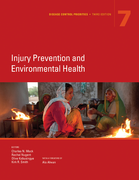
The substantial burden of death and disability that results from interpersonal violence, road traffic injuries, unintentional injuries, occupational health risks, air pollution, climate change, and inadequate water and sanitation falls disproportion
...
ally on low- and middle-income countries. Injury Prevention and Environmental Health addresses the risk factors and presents updated data on the burden, as well as economic analyses of platforms and packages for delivering cost-effective and feasible interventions in these settings. The volume's contributors demonstrate that implementation of a range of prevention strategies-presented in an essential package of interventions and policies-could achieve a convergence in death and disability rates that would avert more than 7.5 million deaths a year
more
Frameworks for Victim Assistance: Monitor key findings and observations
International Campaign to Ban Landmines
(2013)
C3
For close to 15 years, the Monitor has tracked the impact of victim assistance on the lives of victims of landmines, cluster munitions,
and other explosive remnants of war (hereafter “mine/ERW victims”). Over this time, the international communi
...
ty has strengthened its resolve to promote the rights and address the needs of victims through programs and services that are accessible and adequate in quantity, quality, availability, and consistent with the high standards set by human rights as well as other international humanitarian law.
more
The 2007 Rwanda Service Provision Assessment (RSPA) was a national representative survey conducted in 538 health facilities throughout Rwanda. The survey covered hospitals, health centers, dispensaries and
health posts, including all public facilities such as government and government-assisted heal
...
th facilities. The 2007 RSPA used interviews with health service providers and clients and observations of provider client consultations to obtain information on the capacity of facilities to provide quality services and the existence of functioning systems to support quality services. The areas addressed were the overall facility
infrastructure, maternal and child health, reproductive health, tuberculosis, malaria services; and services for sexually transmitted infections and HIV/AIDS. The objective was to assess the strengths and
weaknesses of the infrastructure and systems supporting these services, and to assess the adherence to standards in the delivery of services.
more
This guide presents new knowledge and guidelines on the provision of care to persons living with HIV/AIDS, in accordance with the last guidelines of the World Health Organization (WHO) published in 2006 and adapted to the Rwandan national context. It thus responds to the need by the Ministry of Heal
...
th to improve the skills of the actors in the health sector as well as the quality of care and antiretroviral treatment offered in both public and private health facilities countrywide.
more

The Health Sector Policy gives general orientations for the sector which are further developed in the various sub-sector policies guiding key health programs and departments. All health sub-sector policies will be updated in line with this new policy. The Health Sector Policy is the basis of nationa
...
l health planning and the first point of reference for all actors working in the health sector. The overall aim of this policy is to ensure universal accessibility (in geographical and financial terms) of equitable and affordable quality health services (preventative, curative, rehabilitative and promotional services) for all Rwandans. It sets the health sector’s objectives, identifies the priority health interventions for meeting these objectives, outlines the role of each level in the health system, and provides guidelines for improved planning and evaluation of activities in the health sector. A companion Health Sector Strategic Plan (HSSP) elaborates the strategic directions defined in the Health Sector Policy in order to support and achieve the implementation of the policy, and more detailed annual operational plans describe the activities under each strategy.
more
The role of an essential health benefit in health systems in east and southern Africa: Learning from regional research
R. Loewenson, M. Mamdani and others
Regional Network for Equity in Health in east and southern Africa (EQUINET)
(2018)
C1
Regional Network for Equity in Health in east and southern Africa (EQUINET): Disussion Paper 113
This report synthesises the learning across the full programme of work. It presents the methods used, the context and policy motivations for developing EHBs; how they are being defined, costed, di ... sseminated and used in health systems, including for service provision and quality, resourcing and purchasing services and monitoring and accountability on service delivery and performance, and for learning, useful practice and challenges faced. more
This report synthesises the learning across the full programme of work. It presents the methods used, the context and policy motivations for developing EHBs; how they are being defined, costed, di ... sseminated and used in health systems, including for service provision and quality, resourcing and purchasing services and monitoring and accountability on service delivery and performance, and for learning, useful practice and challenges faced. more

A case study of the role of an Essential Health Benefit in the delivery of integrated health services in Zambia
Luwabelwa, M.; Banda, P; Palale M.; Chama-Chiliba, C.
Regional Network for Equity in Health in east and southern Africa (EQUINET)
(2017)
C1
Regional Network for Equity in Health in east and southern Africa (EQUINET): Disussion Paper 111
The health services delivery system in Zambia is pyramid in structure, with primary healthcare (PHC) services at community level, at the base, followed by first and second level hospitals at distric ... t and provincial levels, respectively, and third level (tertiary) services at national level. Notably, primary health services are free in Zambia and health service providers are either governmentowned or not-for-profit facilities.
Over the years, resource constraints have affected the quality and extent of healthcare services at all levels, requiring the mobilisation of additional resources for the sector. In doing so, prioritisation was high on the agenda of health sector reform. The EHB, therefore, prioritises interventions with the highest impact on the population, enabling policy makers to revisit priority diseases and conditions and to cost the services provided at each level of facility. Other key issues in developing the EHB in Zambia have included the need to have cost-effective services and cost per capita of services for more systematic budgeting, to rank interventions and to validate and cost the health benefit package as a whole. more
The health services delivery system in Zambia is pyramid in structure, with primary healthcare (PHC) services at community level, at the base, followed by first and second level hospitals at distric ... t and provincial levels, respectively, and third level (tertiary) services at national level. Notably, primary health services are free in Zambia and health service providers are either governmentowned or not-for-profit facilities.
Over the years, resource constraints have affected the quality and extent of healthcare services at all levels, requiring the mobilisation of additional resources for the sector. In doing so, prioritisation was high on the agenda of health sector reform. The EHB, therefore, prioritises interventions with the highest impact on the population, enabling policy makers to revisit priority diseases and conditions and to cost the services provided at each level of facility. Other key issues in developing the EHB in Zambia have included the need to have cost-effective services and cost per capita of services for more systematic budgeting, to rank interventions and to validate and cost the health benefit package as a whole. more
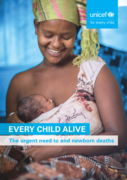
Globally, in low-income countries, the average newborn mortality rate is 27 deaths per 1,000 births, the report says. In high-income countries, that rate is 3 deaths per 1,000. Newborns from the riskiest places to give birth are up to 50 times more likely to die than those from the safest places.
... The report also notes that 8 of the 10 most dangerous places to be born are in sub-Saharan Africa, where pregnant women are much less likely to receive assistance during delivery due to poverty, conflict and weak institutions. If every country brought its newborn mortality rate down to the high-income average by 2030, 16 million lives could be saved.
More than 80 per cent of newborn deaths are due to prematurity, complications during birth or infections such as pneumonia and sepsis, the report says. These deaths can be prevented with access to well-trained midwives, along with proven solutions like clean water, disinfectants, breastfeeding within the first hour, skin-to-skin contact and good nutrition. more
... The report also notes that 8 of the 10 most dangerous places to be born are in sub-Saharan Africa, where pregnant women are much less likely to receive assistance during delivery due to poverty, conflict and weak institutions. If every country brought its newborn mortality rate down to the high-income average by 2030, 16 million lives could be saved.
More than 80 per cent of newborn deaths are due to prematurity, complications during birth or infections such as pneumonia and sepsis, the report says. These deaths can be prevented with access to well-trained midwives, along with proven solutions like clean water, disinfectants, breastfeeding within the first hour, skin-to-skin contact and good nutrition. more
Training Manual on Interpersonal Violence Prevention and Stress Management in Health Care Facilities
In many contexts, the safe delivery of health care services is challenged by the lack of respect for health care personnel who face insults, threats and violence. Consequences include the disruption of health services, high staff turnover in health facilities, high levels of stress impacting the
...
quality of the services and health care personnel being forced to flee. This manual intends to complement the existing training materials and is aimed at supporting staff in health care facilities to cope with stress and violent experiences, including how they can protect themselves by de-escalating potentially violent situations.
No publication year indicated more
No publication year indicated more

The five hepatitis viruses have different epidemiological profiles, and their impact, duration, and transmission route also vary. The most common transmission routes contributing to the spread of hepatitis are exposure to infected blood via blood transfusion or unsafe injection practices, consumptio
...
n of contaminated food and drinking water, and transmission from mother to child during pregnancy and delivery. Also, unsafe injection practices, including the use of unsterile needles and syringes, serve as a major pathway for the spread of hepatitis B and C, and reducing transmission of both diseases requires addressing these practices.
more
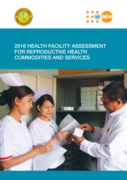
A nationwide survey of a representative sample of health facilities across public health services in all states and regions of Myanmar has been undertaken since 2014 to track Reproductive Health Commodity Security (RHCS) indicators, such as the availability of reproductive health (RH) commodities; t
...
he supply chain (including cold chain systems); staff training and supervision; availability of guidelines and protocols; information and communication technologies; methods of waste disposal; and user fees. The surveys have also obtained the views of clients about the quality and cost of services through exit interviews. This is the third report for Myanmar, which is an assessment of the situation in 2016.
more

Version 2, January 2016
The primary purpose of this document is to provide 3MDG stakeholders with some essential information on the MNCH core-indicators for 3MDG, which were derived from the 3MDG Logical Framework, Data Dictionary for Health Service Indicators (2014 June, DoPH, MoH), A ... Guide for Monitoring and Evaluating Child Health Programmes (MEASURE Evaluation, September 2005) and Monitoring Emergency Obstetric Care (WHO/UNICEF/UNFPA/AMDD). Partners are strongly encouraged to integrate the MNCH indicators into their ongoing monitoring and evaluation (M&E) activities.
These indicators are designed to help Partners assess the current state of their activities, their progress towards achieving their targets, and contribution towards the national response. This guideline is designed to improve the quality and consistency of data collected at the township level, which will enhance the accuracy of conclusions drawn when the data are aggregated. more
The primary purpose of this document is to provide 3MDG stakeholders with some essential information on the MNCH core-indicators for 3MDG, which were derived from the 3MDG Logical Framework, Data Dictionary for Health Service Indicators (2014 June, DoPH, MoH), A ... Guide for Monitoring and Evaluating Child Health Programmes (MEASURE Evaluation, September 2005) and Monitoring Emergency Obstetric Care (WHO/UNICEF/UNFPA/AMDD). Partners are strongly encouraged to integrate the MNCH indicators into their ongoing monitoring and evaluation (M&E) activities.
These indicators are designed to help Partners assess the current state of their activities, their progress towards achieving their targets, and contribution towards the national response. This guideline is designed to improve the quality and consistency of data collected at the township level, which will enhance the accuracy of conclusions drawn when the data are aggregated. more
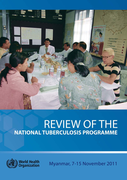
Myanmar is one of the world’s 22 high tuberculosis (TB) burden countries, and supporting TB control in Myanmar is a global priority. This report reflects the findings, discussions, conclusions and recommendations of the fourth international review mission of the Myanmar National TB Programme (NTP)
...
, which brought together international and national partners to review progress in TB control and to offer guidance on future TB control directions and efforts.
A high-quality national disease prevalence survey completed in 2010 demonstrated a TB disease burden two to three times higher than anticipated on the basis of previous surveys. In 2011 about 200 000 adults and children will have developed TB, including 20 000 HIV infected and 9000 suffering from MDR-TB, both of which will require additional care and costly treatment. TB remains among the top killers of adults, and more women die of TB than from maternal causes. more
A high-quality national disease prevalence survey completed in 2010 demonstrated a TB disease burden two to three times higher than anticipated on the basis of previous surveys. In 2011 about 200 000 adults and children will have developed TB, including 20 000 HIV infected and 9000 suffering from MDR-TB, both of which will require additional care and costly treatment. TB remains among the top killers of adults, and more women die of TB than from maternal causes. more
