
Filter
1677
Text search:
response
to
epidemics
Featured
208
428
Language
Document type
768
321
262
121
112
42
26
15
4
3
1
Countries
123
63
59
46
37
35
32
32
31
29
29
28
27
25
20
20
20
19
19
18
16
16
13
11
11
11
11
11
11
11
10
10
10
9
9
9
8
8
8
7
7
6
6
5
5
5
5
5
4
4
4
4
4
3
3
3
3
3
3
3
3
3
3
3
3
2
2
2
2
2
2
2
2
2
2
2
2
2
2
2
2
2
2
1
1
1
1
1
1
1
1
1
1
1
1
1
1
1
1
Authors & Publishers
Publication Years
Category
536
145
145
111
49
24
18
Toolboxes
205
135
100
98
94
74
71
56
53
42
40
37
36
36
29
23
20
19
17
15
14
13
8
7
1
1
The aim of the pandemic preparedness checklist is primarily to provide an outline of the essential minimum elements of preparedness, as well as elements of preparedness that are considered desirable. It is recommended that responsible authorities or
...
India AIDS Response Report 2014
The EYE communication strategy is intended for use by all EYE partners and respective communication teams, as well as regional and country colleagues who will need to communicate about the work of EYE. It will also be publicly available for others,
...
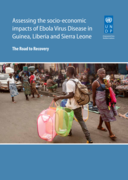
The Road to Recovery. This synthesis report is based on three national studies on the evolution of the Ebola epidemic and its impact on Guinea, Liberia and Sierra Leone
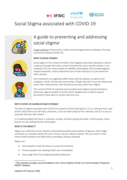
Social Stigma associated with COVID-19
recommended
A guide to preventing and addressing social stigma.
Social stigma in the context of health is the negative association between a person or group of people who share certain characteristics and a specific disease. In an outbreak, this may mean peopl
...
Up-to-date Literature review current through: Jan 2015. | This topic last updated: Jan 29, 2015.
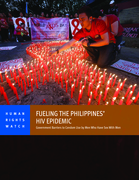
Government Barriers to Condom Use by Men Who Have Sex With Men

Technical report
This manual aims to provide information about the methods for investigating outbreaks of hepatitis E, and measures for their prevention and control. In addition, the manual gives information about the causative agent – known ...
This manual aims to provide information about the methods for investigating outbreaks of hepatitis E, and measures for their prevention and control. In addition, the manual gives information about the causative agent – known ...
It is too early to know the full impact of COVID-19 on Africa. To date the experience has been varied. There are causes for concern, but also reasons for hope. Early estimates were pessimistic regar
...
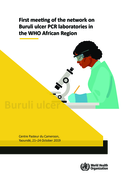
Research to develop point-of-care tests is in progress. Treatment of Buruli ulcer comprises 8 weeks of combined antibiotics (rifampicin and clarithromycin). Complementary therapies such as wound care, skin graft and prevention of disability are need
...

To meet our Strategy objectives and get within reach
of the 2030 SDG 3 target related to the three diseases,
the Global Fund needs to raise US$18
...

This guidance is intended to be one stop shop to improve the quality and effectiveness of health interventions in emergency, to respond
...
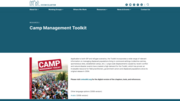
The Camp Managment Toolkit
recommended
Applicable to both IDP and refugee scenarios, the Toolkit incorporates a wide range of relevant information on managing displaced populations living in communal settings (collective centres, spontaneous sites, established camps, etc.). Large scale d
...
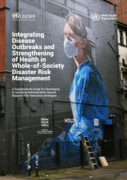
The guide aims to provide health and DRM practitioners, planners and policymakers across sectors with targeted information to help them strengthen national health systems and integrate the risks of
...
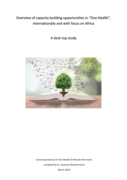
An interdisciplinary approach to address global health challenges such as the Covid-19 pandemic, climate change, loss of biodiversity, human migration has been framed by the One Health approach. This approach is promoted at global level by the Tripa
...
Supplement to the Healthcare Waste Management Toolkit for Global Fund
Practitioners and Policy Makers
Due to Nepal’s difficult geographic structure, rapid urbanization, varied groundwater level, and increasing population the country is prone to earthquakes, floods, landslides, fires, l
...
A report demonstrating the urgent need to support groups at the local level if COVID-19 misinformation and mistrust is to be tackled effectively.
Access to controlled medicines. 3rd edition
The key to a lasting world free of all forms of poliovirus lies in rapidly interrupting all remaining endemic transmission of WPV in the endemic areas of Pakistan and Afghanistan. This is the only way to
...
