
Filter
5501
Text search:
hygiène
Featured
637
1340
Language
4745
393
183
160
152
134
87
42
30
25
22
19
17
15
14
14
12
11
10
10
10
9
9
8
8
8
7
7
6
5
5
5
5
5
5
5
5
5
5
4
4
4
4
3
3
3
3
3
2
2
2
2
2
2
2
2
1
1
1
1
1
1
1
1
1
1
1
1
1
1
1
1
1
Document type
2386
912
872
337
254
239
146
141
105
30
29
29
18
1
1
Countries
233
213
148
136
129
108
107
106
97
95
94
93
92
86
86
82
77
68
64
64
64
63
60
58
57
57
56
55
53
49
46
45
40
40
38
34
34
33
31
31
31
30
27
24
23
22
21
21
21
20
20
19
19
19
18
17
17
16
15
15
15
15
13
13
12
11
11
11
11
10
10
10
9
8
8
7
7
7
7
6
6
6
6
6
6
5
5
5
5
5
5
5
5
5
5
5
4
4
4
4
4
4
4
4
4
4
4
4
4
4
3
3
3
3
3
3
3
3
3
3
3
3
3
2
2
2
2
2
2
2
2
1
1
1
1
1
1
1
1
1
1
1
1
1
1
1
1
1
1
1
Authors & Publishers
762
194
181
122
120
117
99
83
73
58
48
44
42
41
37
36
33
31
29
27
27
27
26
26
26
25
22
20
19
19
19
19
18
18
17
17
17
17
16
16
16
15
15
15
15
15
15
13
13
13
12
12
12
12
12
11
11
11
11
11
11
11
11
11
11
10
10
10
10
10
10
10
10
10
10
10
10
9
9
9
9
9
9
9
9
9
9
9
9
8
8
8
8
8
8
8
8
8
8
8
8
8
8
8
8
8
8
7
7
7
7
7
7
7
7
7
7
7
7
7
7
7
7
7
7
7
7
7
7
6
6
6
6
6
6
6
6
6
6
6
6
6
6
6
6
6
6
6
6
6
6
6
6
6
5
5
5
5
5
5
5
5
5
5
5
5
5
5
5
5
5
5
5
5
5
5
5
5
5
5
5
5
5
5
5
5
5
5
5
4
4
4
4
4
4
4
4
4
4
4
4
4
4
4
4
4
4
4
4
4
4
4
4
4
4
4
4
4
4
4
4
4
4
4
4
4
4
4
4
4
4
4
4
4
4
4
4
4
4
4
4
4
4
4
4
4
4
3
3
3
3
3
3
3
3
3
3
3
3
3
3
3
3
3
3
3
3
3
3
3
3
3
3
3
3
3
3
3
3
3
3
3
3
3
3
3
3
3
3
3
3
3
3
3
3
3
3
3
3
3
3
3
3
3
3
3
3
3
3
3
3
3
3
3
3
3
3
3
3
3
3
3
3
3
3
3
3
3
3
3
3
3
3
3
3
3
3
3
3
3
3
3
3
3
3
3
3
3
3
3
3
3
3
3
3
3
3
3
3
3
3
3
3
3
3
3
3
3
3
2
2
2
2
2
2
2
2
2
2
2
2
2
2
2
2
2
2
2
2
2
2
2
2
2
2
2
2
2
2
2
2
2
2
2
2
2
2
2
2
2
2
2
2
2
2
2
2
2
2
2
2
2
2
2
2
2
2
2
2
2
2
2
2
2
2
2
2
2
2
2
2
2
2
2
2
2
2
2
2
2
2
2
2
2
2
2
2
2
2
2
2
2
2
2
2
2
2
2
2
2
2
2
2
2
2
2
2
2
2
2
2
2
2
2
2
2
2
2
2
2
2
2
2
2
2
2
2
2
2
2
2
2
2
2
2
2
2
2
2
2
2
2
2
2
2
2
2
2
2
2
2
2
2
2
2
2
2
2
2
2
2
2
2
2
2
2
2
2
2
2
2
2
2
2
2
2
2
2
2
2
2
2
2
2
2
2
2
2
2
2
2
2
2
2
2
2
2
2
2
2
2
2
2
2
2
2
2
2
2
2
2
2
2
2
2
2
2
2
2
2
2
2
2
2
2
2
2
2
2
2
2
2
2
2
2
2
2
2
2
2
2
2
2
2
2
2
2
2
2
2
2
2
2
2
2
2
2
2
2
2
2
2
2
2
2
2
2
1
1
1
1
1
1
1
1
1
1
1
1
1
1
1
1
1
1
1
1
1
1
1
1
1
1
1
1
1
1
1
1
1
1
1
1
1
1
1
1
1
1
1
1
1
1
1
1
1
1
1
1
1
1
1
1
1
1
1
1
1
1
1
1
1
1
1
1
1
1
1
1
1
1
1
1
1
1
1
1
1
1
1
1
1
1
1
1
1
1
1
1
1
1
1
1
1
1
1
1
1
1
1
1
1
1
1
1
1
1
1
1
1
1
1
1
1
1
1
1
1
1
1
1
1
1
1
1
1
1
1
1
1
1
1
1
1
1
1
1
1
1
1
1
1
1
1
1
1
1
1
1
1
1
1
1
1
1
1
1
1
1
1
1
1
1
1
1
1
1
1
1
1
1
1
1
1
1
1
1
1
1
1
1
1
1
1
1
1
1
1
1
1
1
1
1
1
1
1
1
1
1
1
1
1
1
1
1
1
1
1
1
1
1
1
1
1
1
1
1
1
1
1
1
1
1
1
1
1
1
1
1
1
1
1
1
1
1
1
1
1
1
1
1
1
1
1
1
1
1
1
1
1
1
1
1
1
1
1
1
1
1
1
1
1
1
1
1
1
1
1
1
1
1
1
1
1
1
1
1
1
1
1
1
1
1
1
1
1
1
1
1
1
1
1
1
1
1
1
1
1
1
1
1
1
1
1
1
1
1
1
1
1
1
1
1
1
1
1
1
1
1
1
1
1
1
1
1
1
1
1
1
1
1
1
1
1
1
1
1
1
1
1
1
1
1
1
1
1
1
1
1
1
1
1
1
1
1
1
1
1
1
1
1
1
1
1
1
1
1
1
1
1
1
1
1
1
1
1
1
1
1
1
1
1
1
1
1
1
1
1
1
1
1
1
1
1
1
1
1
1
1
1
1
1
1
1
1
1
1
1
1
1
1
1
1
1
1
1
1
1
1
1
1
1
1
1
1
1
1
1
1
1
1
1
1
1
1
1
1
1
1
1
1
1
1
1
1
1
1
1
1
1
1
1
1
1
1
1
1
1
1
1
1
1
1
1
1
1
1
1
1
1
1
1
1
1
1
1
1
1
1
1
1
1
1
1
1
1
1
1
1
1
1
1
1
1
1
1
1
1
1
1
1
1
1
1
1
1
1
1
1
1
1
1
1
1
1
1
1
1
1
1
1
1
1
1
1
1
1
1
1
1
1
1
1
1
1
1
1
1
1
1
1
1
1
1
1
1
1
1
1
1
1
1
1
1
1
1
1
1
1
1
1
1
1
1
1
1
1
1
1
1
1
1
1
1
1
1
1
1
1
1
1
1
1
1
1
1
1
1
1
1
1
1
1
1
1
1
1
1
1
1
1
1
1
1
1
1
1
1
1
1
1
1
1
1
1
1
1
1
1
1
1
1
1
1
1
1
1
1
1
1
1
1
1
1
1
1
1
1
1
1
1
1
1
1
1
1
1
1
1
1
1
1
1
1
1
1
1
1
1
1
1
1
1
1
1
1
1
1
1
1
1
1
1
1
1
1
1
1
1
1
1
1
1
1
1
1
1
1
1
1
1
1
1
1
1
1
1
1
1
1
1
1
1
1
1
1
1
1
1
1
1
1
1
1
1
1
1
1
1
1
1
1
1
1
1
1
1
1
1
1
1
1
1
1
1
1
1
1
1
1
1
1
1
1
1
1
1
1
1
1
1
1
1
1
1
1
1
1
1
1
1
1
1
1
1
1
1
1
1
1
1
1
1
1
1
1
1
1
1
1
1
1
1
1
1
1
1
1
1
1
1
1
1
1
1
1
1
1
1
1
1
1
1
1
1
1
1
1
1
1
1
1
1
1
1
1
1
1
1
1
1
1
1
1
1
1
1
1
1
1
1
1
1
1
1
1
1
1
1
1
1
1
1
1
1
1
1
1
1
1
1
1
1
1
1
1
1
1
1
1
1
1
1
1
1
1
1
1
1
1
1
1
1
1
1
1
1
1
1
1
1
1
1
1
1
1
1
1
1
1
1
1
1
1
1
1
1
1
1
1
1
1
1
1
1
1
1
1
1
1
1
1
1
1
1
1
1
1
1
1
1
1
1
1
1
1
1
1
1
1
1
1
1
1
1
1
1
1
1
1
1
1
1
1
1
1
1
1
1
1
1
1
1
1
1
1
1
1
1
1
1
1
1
1
1
1
1
1
1
1
1
1
1
1
1
1
1
1
1
1
1
1
1
1
1
1
1
1
1
1
1
1
1
1
1
1
1
1
1
1
1
1
1
1
1
1
1
1
1
1
1
1
1
1
1
1
1
1
1
1
1
1
1
1
1
1
1
1
1
1
1
1
1
1
1
1
1
1
1
1
1
1
1
1
1
1
1
1
1
1
1
1
1
1
1
1
1
1
1
1
1
1
1
1
1
1
1
1
1
1
1
1
1
1
1
1
1
1
1
1
1
1
1
1
1
1
1
1
1
1
1
1
1
1
1
1
1
1
1
1
1
1
1
1
1
1
1
1
1
1
1
1
1
1
1
1
1
1
1
1
1
1
1
1
1
1
1
1
1
1
1
1
1
1
1
1
1
1
1
1
1
1
1
1
1
1
1
1
1
1
1
1
1
1
1
1
1
1
1
1
1
1
1
1
1
1
1
1
1
1
1
1
1
1
1
1
1
1
1
1
1
1
1
1
1
1
1
1
1
1
1
1
1
1
1
1
1
1
1
1
1
1
1
1
1
1
1
1
1
1
1
1
1
1
1
1
1
1
1
1
1
1
1
1
1
1
1
1
1
1
1
1
1
1
1
1
1
1
1
1
1
1
1
1
1
1
1
1
1
1
1
1
1
1
1
1
1
1
1
1
1
1
1
1
1
1
1
1
1
1
1
1
1
1
1
1
1
1
1
1
1
1
1
1
1
1
1
1
1
1
1
1
1
1
1
1
1
1
1
1
1
1
1
1
1
1
1
1
1
1
1
1
1
1
1
1
1
1
1
1
1
1
1
1
1
1
1
1
1
1
1
1
1
1
1
1
1
1
1
1
1
1
1
1
1
1
1
1
1
1
1
1
1
1
1
1
1
1
1
1
1
1
1
1
1
1
1
1
1
1
1
1
1
1
1
1
1
1
1
1
1
1
1
1
1
1
1
1
1
1
1
1
1
1
1
1
1
1
1
1
1
1
1
1
1
1
1
1
1
1
1
1
1
1
1
1
1
1
1
1
1
1
1
1
1
1
1
1
1
1
1
1
1
1
1
1
1
1
1
1
1
1
1
1
1
1
1
1
1
1
1
1
1
1
1
1
1
1
1
1
1
1
1
1
1
1
1
1
1
1
1
1
1
1
1
1
1
1
1
1
1
1
1
1
1
1
1
1
1
1
1
1
1
1
1
1
1
1
1
1
1
1
1
1
1
1
1
1
1
1
1
1
1
1
1
1
1
1
1
1
1
1
1
1
1
1
1
1
1
1
1
1
1
1
1
1
1
1
1
1
1
1
1
1
1
1
1
1
1
1
1
1
1
1
1
1
1
1
1
1
1
1
1
1
1
1
1
1
1
1
1
1
1
1
1
1
1
1
1
1
1
1
1
1
1
1
1
1
1
1
1
1
1
1
1
1
1
1
1
1
1
1
1
1
1
1
1
1
1
1
1
1
1
1
1
1
1
1
1
1
1
1
1
1
1
1
1
1
1
1
1
1
1
1
1
1
1
1
1
1
1
1
1
1
1
1
1
1
1
1
1
1
1
1
1
1
1
1
1
1
1
1
1
1
1
1
1
1
1
1
1
1
1
1
1
1
1
1
1
1
1
1
1
1
1
1
1
1
1
1
1
1
1
1
1
1
1
1
1
1
1
1
1
1
1
1
1
1
1
1
1
1
1
1
1
1
1
1
1
1
1
1
1
1
1
1
1
1
1
1
1
1
1
1
1
1
1
1
1
1
1
1
1
1
1
1
1
1
1
1
1
1
1
1
1
1
1
1
1
1
1
1
1
1
1
1
1
1
1
1
1
1
1
1
1
1
1
1
1
1
1
1
1
1
1
1
1
1
1
1
1
1
1
1
1
1
1
1
1
1
1
1
1
1
1
1
1
1
1
1
1
1
1
1
1
1
1
1
1
1
1
1
1
1
1
1
1
1
1
1
1
1
1
1
1
1
1
1
1
1
1
1
1
1
1
1
1
1
1
1
1
1
1
1
1
1
1
1
1
1
1
1
1
1
1
1
1
1
1
1
1
1
1
1
1
1
1
1
1
1
1
1
1
1
1
1
1
1
1
1
1
1
1
1
1
1
1
1
1
1
1
1
1
1
1
1
1
1
1
1
1
1
1
1
1
1
1
1
1
1
1
1
1
1
1
1
1
1
1
1
1
1
1
1
1
1
1
1
1
1
1
1
1
1
1
1
1
1
1
1
1
1
1
1
1
1
1
1
1
1
1
1
1
1
1
1
1
1
1
1
1
1
1
1
1
1
1
1
1
1
1
1
1
1
1
1
1
1
1
1
1
1
1
1
1
1
1
1
1
1
1
1
1
1
1
1
1
1
1
1
1
1
1
1
1
1
1
1
1
1
1
1
1
1
1
1
1
1
1
1
1
1
1
1
1
1
1
1
1
1
1
1
1
1
1
1
1
1
1
1
1
1
1
1
1
1
1
1
1
1
1
1
1
1
1
1
1
1
1
1
1
1
1
1
1
1
1
1
1
1
1
1
1
1
1
1
1
1
1
1
1
1
1
1
1
1
1
1
1
1
1
1
1
1
1
1
1
1
1
1
1
1
1
1
1
1
1
1
1
1
1
1
1
1
1
1
1
1
1
1
1
1
1
1
1
1
1
1
1
1
1
1
1
1
1
1
1
1
1
1
1
1
1
1
1
1
1
1
1
1
1
1
1
1
1
1
1
1
1
1
1
1
1
1
1
1
1
1
1
1
1
1
1
1
1
1
1
1
1
1
1
1
1
1
1
1
1
1
1
1
1
1
1
1
1
1
1
1
1
1
1
1
1
1
1
1
1
1
1
1
1
1
1
1
1
1
1
1
1
1
1
1
1
1
1
1
1
1
1
1
1
1
1
1
1
1
1
1
1
1
1
1
1
1
1
1
1
1
1
1
1
1
1
1
1
1
1
1
1
1
1
1
1
1
1
1
1
1
1
1
1
1
1
1
1
1
1
1
1
1
1
1
1
1
1
1
1
1
1
1
1
1
1
1
1
1
1
1
1
1
1
1
1
1
1
1
1
1
1
1
1
1
1
1
1
1
1
1
1
1
1
1
1
1
1
1
1
1
1
1
1
1
1
1
1
1
1
1
1
1
1
1
1
1
1
1
1
1
1
1
1
1
1
1
1
1
1
1
1
1
1
1
1
1
1
1
1
1
1
1
1
1
1
1
1
1
1
1
1
1
1
1
1
1
1
1
1
1
1
1
1
1
1
1
1
1
1
1
1
1
1
1
1
1
1
1
1
1
1
1
1
1
1
1
1
1
1
1
1
1
1
1
1
1
1
1
1
1
1
1
1
1
1
1
1
1
1
1
1
1
1
1
1
1
1
1
1
1
1
1
1
1
1
1
1
1
1
1
1
1
1
1
1
1
1
1
1
1
1
1
1
1
1
1
1
1
1
1
1
1
1
1
1
1
1
1
1
1
1
1
1
1
1
1
1
1
1
1
1
1
1
1
1
1
1
1
1
1
1
1
1
1
1
1
1
1
1
1
1
1
1
1
1
1
1
1
1
1
1
1
1
1
1
1
1
1
1
1
1
1
1
1
1
1
1
1
1
1
1
1
1
1
1
1
1
1
1
1
1
1
1
1
1
1
1
1
1
1
1
1
1
1
1
1
1
1
1
1
1
1
1
1
1
1
1
1
1
1
1
1
1
1
1
1
1
1
1
1
1
1
1
1
1
1
1
1
1
1
1
1
1
1
1
1
1
1
1
1
1
1
1
1
1
1
1
1
1
1
1
1
1
1
1
1
1
1
1
1
1
1
1
1
1
1
1
1
1
1
1
1
1
1
1
1
1
1
1
1
1
1
1
1
1
1
1
1
1
1
1
1
1
1
1
1
1
1
1
1
1
1
1
1
1
1
1
1
1
1
1
1
1
1
1
1
1
1
1
1
1
1
1
1
1
1
1
1
1
1
1
1
1
1
1
1
1
1
1
1
1
1
1
1
1
1
1
1
1
1
1
1
1
1
1
1
1
1
1
1
1
1
1
1
1
1
1
1
1
1
1
1
1
1
1
1
1
1
1
1
1
1
1
1
1
1
1
1
1
1
1
1
1
1
1
1
1
1
1
1
1
1
1
1
1
1
1
1
1
1
1
1
1
1
1
1
1
1
1
1
1
1
1
1
1
1
1
1
1
1
1
1
1
1
1
1
1
1
1
1
1
1
1
1
1
1
1
1
1
1
1
1
1
1
1
1
1
1
1
1
1
1
1
1
1
1
1
1
1
1
1
1
1
1
1
1
1
1
1
1
1
1
1
1
1
1
1
1
1
1
1
1
1
1
1
1
1
1
1
1
1
1
1
1
1
1
1
1
1
1
1
1
1
1
1
1
1
1
1
1
1
1
1
1
1
1
1
1
1
1
1
1
1
1
1
1
1
1
1
1
1
1
1
1
1
1
1
1
1
1
1
1
1
1
1
1
1
1
1
1
1
1
1
1
1
1
1
1
1
1
1
1
1
1
1
1
1
1
1
1
1
1
1
1
1
1
1
1
1
1
1
1
1
1
1
1
1
1
1
1
1
1
1
1
1
1
1
1
1
1
1
1
1
1
1
1
Publication Years
2117
2916
433
33
2
Category
1946
628
324
295
226
135
44
1
Toolboxes
927
325
249
222
205
201
201
198
192
187
181
150
134
125
104
95
76
56
55
41
36
27
23
19
10
4
1

The document is a comprehensive practical guide for managing cholera epidemics. It includes detailed instructions on outbreak investigation, control measures, case management, and the organization of treatment facilities. It emphasizes strategies such as rehydration therapy, water sanitation,
...
hygiene promotion, and vaccination to prevent the spread of cholera. The guide serves as a resource for healthcare professionals, logisticians, and public health officials to respond effectively to cholera outbreaks.
more
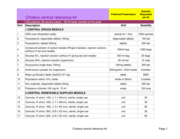
The document lists the components of various cholera kits designed for managing cholera outbreaks. It includes items for rehydration therapy (e.g., oral rehydration salts and IV fluids), medications, sanitation supplies, diagnostic tools, and logistical materials such as cholera beds and water purif
...
ication systems. These kits aim to support healthcare providers in treating patients, preventing the spread of the disease, and maintaining hygiene in affected areas.
more

La vidéo "Choléra - Questions & Réponses" de l'Organisation Mondiale de la Santé (OMS) explique les aspects essentiels du choléra, une maladie diarrhéique aiguë causée par l'ingestion d'eau ou d'aliments contaminés par la bactérie Vibrio cholerae. Elle met en avant les principaux symptôme
...
s, notamment une diarrhée aqueuse sévère, des vomissements et une déshydratation rapide, pouvant être mortelle sans traitement adéquat. La transmission se fait principalement par l’eau insalubre et les mauvaises conditions sanitaires. Pour prévenir la maladie, il est essentiel d'avoir accès à de l'eau potable, d'améliorer l'hygiène et l'assainissement, et d'utiliser la vaccination dans les zones à haut risque. En cas d'infection, la réhydratation orale ou intraveineuse est le traitement principal, tandis que les antibiotiques sont parfois administrés dans les cas graves. La vidéo insiste sur l'importance d'une intervention rapide et de mesures préventives pour limiter la propagation du choléra et protéger les populations à risque.
more

The video "Cholera - Questions & Answers" by the World Health Organization (WHO) explains the essential aspects of cholera, an acute diarrheal disease caused by ingesting water or food contaminated with the Vibrio cholerae bacterium. It highlights the main symptoms, including severe watery diarrhea,
...
vomiting, and rapid dehydration, which can be fatal without proper treatment. Transmission occurs primarily through unsafe water and poor sanitation conditions. To prevent the disease, it is crucial to have access to clean drinking water, improve hygiene and sanitation, and use vaccination in high-risk areas. In case of infection, oral or intravenous rehydration is the primary treatment, while antibiotics are sometimes administered in severe cases. The video emphasizes the importance of rapid intervention and preventive measures to limit the spread of cholera and protect at-risk populations.
more
Malawi's Ministry of Health officially declared on August 16, 2023, that the cholera outbreak is no longer a national health emergency. Since the outbreak began in February 2022, the country recorded 58,982 cholera cases and 1,768 deaths. Through coordinated efforts by the government, development pa
...
rtners, and local communities, the outbreak has been contained in 26 out of 29 districts.
Only a few isolated cases remain in areas affected by Cyclone Freddy. The Minister of Health emphasized the importance of water, sanitation, and hygiene (WASH) initiatives to prevent future outbreaks. The World Health Organization (WHO) praised Malawi’s progress and pledged continued support to mitigate remaining risks.
more
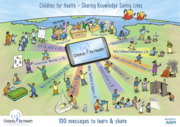
This document outlines key health messages for children and their caregivers, with a focus on the prevention and early treatment of common illnesses. Topics covered include malaria, diarrhoea, malnutrition, respiratory infections, intestinal worms, HIV/AIDS and accident prevention. The importance of
...
insecticide-treated nets, oral rehydration salts (ORS), breastfeeding, immunisation, hygiene, access to clean water, deworming and emotional care for child development is also emphasised. The practical advice provided helps families to create safer and healthier environments, and to recognise when medical help is needed.
Accessed on 15/07/2025.
more

This website provides comprehensive guidance on vaccinations, malaria prevention and general health measures for travellers to tropical and developing regions. It emphasises two main vaccination criteria: the administrative requirements of the destination country and the actual health risks to the t
...
raveller. Malaria prevention measures include chemoprophylaxis (e.g. atovaquone-proguanil, doxycycline or mefloquine) and vector control methods such as insecticide-treated nets, insect repellents and environmental protection measures. Additional travel health risks covered include bites from other arthropods, envenomations, dog and mammal bites, food and water hygiene, traveller's diarrhoea, and considerations for pregnant women, infants, the elderly, and people with chronic conditions. It strongly recommends carrying a travel medical kit and having a pre-travel consultation. Overall, the document aims to minimise illness and ensure safe travel.
Accessed on 27/08/2025.
more
The document provides operational guidelines from Bhutan’s National Statistics Bureau on how to safely conduct face-to-face data collection during the COVID-19 pandemic. It outlines preventive measures to be taken before, during, and after fieldwork, including adherence to Ministry of Health proto
...
cols, use of personal protective equipment, physical distancing, hygiene practices, symptom reporting, safe handling of devices, and daily data submission, in order to protect both enumerators and respondents while maintaining essential statistical activities.
more
The WHO publication “Surveillance, case investigation and contact tracing for mpox: interim guidance” provides updated global technical guidance on monitoring and responding to mpox (formerly known as monkeypox). It explains how countries should conduct surveillance to detect new outbreaks, car
...
ry out case investigation including clinical assessment and lab specimen collection, and perform contact tracing to monitor people exposed to confirmed or probable cases in order to stop transmission and protect at-risk groups. The guidance includes practical recommendations for how long contacts should be monitored (e.g., daily for 21 days without requiring quarantine if symptom-free) and advising good hygiene and reduced exposure risk during the monitoring period. This interim guidance is intended to support public health authorities worldwide in strengthening mpox outbreak detection, response, and reporting.
more

This video provides comprehensive health education about Ebola virus disease. It explains the main symptoms of Ebola, how the virus is transmitted, and the measures people can take to protect themselves from infection. The video also offers practical guidance on how to safely care for a person with
...
suspected or confirmed Ebola, emphasizing hygiene, infection prevention, and the importance of seeking medical assistance. Its purpose is to raise public awareness, promote preventive behaviors, and help communities respond safely to Ebola outbreaks.
more
More time or more money to improve nutrition in Benin Republic?
M. C. D. N. Vodouhe, L. Fakambi
Institut National des Recherches Agricoles du Bénin (INRAB)
(2015)
C2
Children malnutrition eradication in developing countries is a real challenge, especially among
vulnerable population. There are so many effort towards women (who are the main care providers)
socio-economic situation in order to improve their children nutrition. This article aims to identify the
...
impact of mothers’ activities on child nutrition and care. Interviews were used to collect data from
mothers of children less than 5 years old. Pearson correlation test and regression models were
performed to highlight relation and to identify the main factors that affect child nutrition and care. The
nutritional statuses of children show a high prevalence of underweight (38.46%), emaciation (25.17%)
and stunting (23.77%). Statistic results show that a child whose mother has food processing as main
activity has 2,322 more times to not suffer from emaciation malnutrition compared to a child whose
mother has trade as main activity. A child whose mother has high revenue has 1.463 more times to
not be suffering from stunting malnutrition compared to a child whose mother has lower revenue. A
child whose father has fishing as main activity has 8,4 more chance to not be suffering from stunting
malnutrition compared to a child whose father has another activity as main activity. A child whose
father is present in the household has 8.11 more chance to not suffer from stunting malnutrition
compared to a child whose father is absent. A child from mother who has food processing as main
activity is 2,464 more times preserved from fever compared to a child from mother whose main activity
is trade. Moreover child position, child feeding with porridge, child nursing are correlated with mother
activity. This situation is justified by the fact that mother need money to improve child nutrition and
health but they are also confronted to the fact that those activity that provide significant money are
sometime time consuming and not permit to take care of children in term of feeding practices, hygiene
control etc. Therefore it is important that intervention towards women take in consideration those
factors (money and time) but also the family in the whole.
more
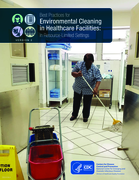
Healthcare-associated infections (HAI) are a significant burden globally, with millions of patients affected each year. These infections affect both high- and limited-resource healthcare settings, but in limited-resource settings, rates are approximately twice as high as high-resource settings (15 o
...
ut of every 100 patients versus 7 out of every 100 patients). Furthermore, rates of infections within certain patient populations are significantly higher in limited-resource settings, including surgical patients, patients in intensive-care units (ICU) and neonatal units. It is well documented that environmental contamination plays a role in the transmission of HAIs in healthcare settings. Therefore, environmental cleaning is a fundamental intervention for infection prevention and control (IPC).It is a multifaceted intervention that involves cleaning and disinfection (when indicated) of the environment alongside other key program elements to support successful implementation (e.g., leadership support, training, monitoring, and feedback mechanisms). To be effective, environmental cleaning activities must be implemented within the framework of the facility IPC program, and not as a standalone intervention. It is also essential that IPC programs advocate for and work with facility administration and government officials to budget, operate and maintain adequate water, sanitation and hygiene (WASH) infrastructure to ensure that environmental cleaning can be performed according to best practices.
more
Although Shiga toxin-producing Escherichia coli (STEC) have been isolated from a variety of food production animals, they are most commonly associated with ruminants from which we derive meat and milk. Because of the widespread and diverse nature of ruminant-derived food production, coupled with the
...
near ubiquity of STEC worldwide, there is no single definitive solution for controlling STEC that will work alone or in all situations. Instead, the introduction of multiple interventions applied in sequence, as a “multiple-hurdle scheme” at several points throughout the food chain (including processing, transport and handling) will be most effective.
This report summarizes the review and evaluation of interventions applied for the control of STEC in cattle, raw beef and raw milk and raw milk cheese manufactured from cows’ milk, and also evaluates available evidence for other small ruminants, swine and other animals. The information is presented from primary production, to the end of processing, providing the reader with information on the currently available interventions based on the latest scientific evidence.
This work was undertaken to support the development of guidelines for the control of STEC in beef, raw milk and cheese produced from raw milk by the Codex Committee on Food Hygiene (CCFH).
more
Stunting as a Risk Factor of Soil-Transmitted Helminthiasis in Children: A Literature Review
Fauziah, N.; Ar-Rizqi, M.A.; Hana, S.
Interdisciplinary Perspectives on Infectious Diseases
(2022)
CC
As a high-burden neglected tropical disease, soil-transmitted helminth (STH) infections remain a major problem in the world, especially among children under five years of age. Since young children are at high risk of being infected, STH infection can have a long-term negative impact on their life, i
...
ncluding impaired growth and development. Stunting, a form of malnutrition in young children, has been long assumed as one of the risk factors in acquiring the STH infections. However, the studies on STH infection in children under five with stunting have been lacking, resulting in poor identification of the risk. Accordingly, we collected and reviewed existing related research articles to provide an overview of STH infection in a susceptible population of stunted children under five years of age in terms of prevalence and risk factors. There were 17 studies included in this review related to infection with Ascaris lumbricoides, Trichuris trichiura, hookworm, and Strongyloides stercoralis from various countries. The prevalence of STH infection in stunted children ranged from 12.5% to 56.5%. Increased inflammatory markers and intestinal microbiota dysbiosis might have increased the intensity of STH infection in stunted children that caused impairment in the immune system. While the age from 2 to 5 years along with poor hygiene and sanitation has shown to be the most common risk factors of STH infections in stunted children; currently there are no studies that show direct results of stunting as a risk factor for STH infection. While stunting itself may affect the pathogenesis of STH infection, further research on stunting as a risk factor for STH infection is encouraged.
more

Children with disabilities are particularly vulnerable in humanitarian settings, yet they are often not able to access the services and protection they need. While multiple factors create these barriers, a major cause is how data about children with disabilities is collected and mapped. Data collect
...
ion processes often exclude or underrepresent the views of children with disabilities and thier caretakers. When the experiences of children with disabilities and their caretakers are not defined and collected, they become excluded from mainstreamed protective services, which are meant to serve all children. Children with disabilities also do not get the specialised interventions they need.
This guidance note explores how to use qualitative methods to create more robust assessment processes to ensure more effective programming and services for children with disabilities. This note provides promising practices for engaging with children with disabilities and includes sample tools that can be tailored to fit the needs of a particular assessment process. The note also explores the importance of thoughtful cross-sectoral responses so that children with disabilities, and their families, are carefully considered in areas like water, sanitation, and hygiene (WASH), education, health, and nutrition, and therefore receive the holistic support they need and deserve.
This note is intended for a broad audience of relevant child protection actors, including practitioners, coordination groups, researchers, and donors. The information is not limited to one type of humanitarian setting, geographic region, or culture. As a result, the practices and guidance should be adapted to each specific context, ideally in partnership with well-informed local actors, such as representatives from local organisations for persons with disabilities.
more

Antimicrobial resistance (AMR) is a global human, animal, plant and environment health threat that needs to be addressed by every country. The impacts of AMR are wide-ranging in terms of human health, animal health, food security and safety, environmental effects on ecosystems and biodiversity, and
...
socioeconomic development. Just like the climate crisis, AMR poses a significant threat to the delivery of the 2030 Agenda for Sustainable Development. The response to the AMR crisis has been spearheaded through the global action plan on antimicrobial resistance (GAP-AMR), developed by the World Health Organization (WHO) in 2015, in close collaboration with the Food and Agriculture Organization of the United Nations (FAO) and the World Organisation for Animal Health (WOAH), and formally endorsed by the three organizations’ governing bodies and by the Political Declaration of the high-level meeting of the United Nations General Assembly on AMR in 2016. In 2022, the three organizations officially became the Quadripartite by welcoming the United Nations Environment Programme (UNEP) into the alliance “to accelerate coordination strategy on human, animal and ecosystem health”.
The aim of the GAP-AMR is to ensure the continuity of successful treatment with effective and safe medicines.
Its strategic objectives include:
• improving the awareness and understanding of AMR;
• strengthening the knowledge and evidence base through surveillance and research;
• reducing the incidence of infection through effective sanitation, hygiene and infection prevention measures; optimizing the use of antimicrobial medicines in human and animal health; and
• developing the economic case for sustainable investment that takes account of the needs of all countries and increasing investment in new medicines, diagnostic tools, vaccines and other interventions.
With the adoption of the GAP-AMR, countries agreed to develop national action plans (NAPs) aligned with the GAP-AMR to mainstream AMR interventions nationally. Individually, the Quadripartite took action to advance AMR interventions in their respective sectors. FAO adopted a resolution on AMR recognizing that it poses an increasingly serious threat to public health and sustainable food production, and developed an AMR action plan to support the resolution’s implementation. For its part, WOAH developed a strategy on AMR aligned with the GAP-AMR, acknowledging the importance of a One Health approach to AMR. Similarly, more recently, UNEP’s governing body, the United Nations Environment Assembly, recognized that AMR is a current and increasing threat and a challenge to global health, food security and the sustainable development of all countries, and welcomed the GAP-AMR and the NAPs developed in accordance with its five overarching strategic objectives
more
This dataset contains data from WHO's data portal covering the following categories:
Air pollution, Antimicrobial resistance (AMR), Assistive technology, Child mortality, Dementia diagnosis, treatment and care, Dementia policy and legislation, Environment and health, Foodborne Diseases Estimates,
...
Global Dementia Observatory (GDO), Global Health Estimates: Life expectancy and leading causes of death and disability, Global Information System on Alcohol and Health, Global Patient Safety Observatory, HIV, Health financing, Health systems, Health taxes, Health workforce, Hepatitis, Immunization coverage and vaccine-preventable diseases, Malaria, Maternal and reproductive health, Mental health, Neglected tropical diseases, Noncommunicable diseases, Nutrition, Oral Health, Priority health technologies, Resources for Substance Use Disorders, Road Safety, SDG Target 3.8 | Achieve universal health coverage (UHC), Sexually Transmitted Infections, Tobacco control, Tuberculosis, Vaccine-preventable communicable diseases, Violence against women, Violence prevention, Water, sanitation and hygiene (WASH), World Health Statistics.
more

he UNFPA “Programmatic guidelines: Cash and Voucher Assistance in Sexual and Reproductive Health programming in Emergencies” explains how CVA can be effectively integrated into humanitarian responses to help women, girls, and other vulnerable groups access lifesaving and comprehensive SRH servic
...
es. Rooted in UNFPA’s mandate, this document provides practical direction for designing, implementing, and monitoring CVA within SRH programming.
The guidance highlights the barriers that hinder access to SRH care, such as affordability, availability, acceptability, and appropriateness, and illustrates how CVA can address financial obstacles by covering transport, user fees, or other indirect costs, while reinforcing health system strengthening efforts. CVA is presented as a complementary tool that supports both emergency and long-term SRH goals. Within humanitarian emergencies, it can contribute directly to achieving MISP objectives, including:
Enabling survivors of sexual violence to access clinical and psychosocial care;
Supporting the continuation of HIV and STI treatment, including coverage of transport;
Facilitating safe deliveries and emergency obstetric and newborn care; and
Removing financial barriers to voluntary family planning and contraceptive access, while ensuring informed choice and avoiding coercion.
Beyond the MISP, CVA also supports the transition to comprehensive SRH services in protracted emergencies and recovery phases. Examples include using cash or vouchers to encourage antenatal and postnatal care, ensure menstrual hygiene, sustain cancer prevention and treatment, fund obstetric fistula repair, and promote SRH education among adolescents.
more

In this guideline, natural ventilation is considered
among one the effective measures to control infections in health care. This guideline provides
a design and operation guide for hospital planners, engineers, architects and infection control
personnel. The recommendations in this guidelin
...
e followed a systematic
review of the literature on the association of ventilation and disease transmission, as well
as effective natural ventilation solutions for infection control.
more
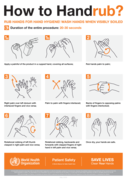
How to Hand rub?
recommended
Poster
