Filter
1894
Text search:
Analysis
and
Perspectives
Featured
144
420
Language
1753
92
63
45
33
20
10
10
3
3
2
2
2
2
2
1
1
1
1
1
1
1
1
1
1
1
1
1
1
1
1
1
1
1
1
1
1
1
1
1
1
1
1
1
1
1
Document type
960
471
201
125
68
32
22
7
6
1
Countries
114
50
47
45
41
38
33
31
31
29
28
28
27
26
24
23
22
21
18
18
18
18
14
14
14
14
13
12
11
11
11
11
11
10
10
10
10
10
10
9
8
8
8
8
8
8
7
7
7
7
7
6
5
5
5
5
4
4
4
3
3
3
3
3
3
3
3
3
2
2
2
2
2
2
2
2
2
2
2
2
2
2
2
2
2
1
1
1
1
1
1
1
1
1
1
1
1
1
1
1
1
1
1
1
1
1
1
1
1
1
1
1
1
1
1
Authors & Publishers
253
79
57
52
34
34
30
27
20
18
18
17
17
16
13
12
12
11
11
11
10
9
9
7
7
7
7
7
7
7
7
6
6
6
6
5
5
5
5
5
5
4
4
4
4
4
4
4
4
4
4
4
4
4
4
4
4
4
4
4
4
4
4
4
4
3
3
3
3
3
3
3
3
3
3
3
3
3
3
3
3
3
3
3
3
3
3
3
3
3
3
3
3
3
3
3
3
3
3
3
3
2
2
2
2
2
2
2
2
2
2
2
2
2
2
2
2
2
2
2
2
2
2
2
2
2
2
2
2
2
2
2
2
2
2
2
2
2
2
2
2
2
2
2
2
2
2
2
2
2
2
2
2
2
2
2
2
2
2
2
2
2
2
2
2
2
2
2
2
2
2
2
2
2
2
2
2
2
2
2
2
2
2
2
2
2
2
2
2
2
2
2
2
2
2
2
2
2
2
2
2
2
2
2
2
2
2
2
2
2
2
2
2
2
2
2
2
2
2
2
2
2
2
2
2
2
2
1
1
1
1
1
1
1
1
1
1
1
1
1
1
1
1
1
1
1
1
1
1
1
1
1
1
1
1
1
1
1
1
1
1
1
1
1
1
1
1
1
1
1
1
1
1
1
1
1
1
1
1
1
1
1
1
1
1
1
1
1
1
1
1
1
1
1
1
1
1
1
1
1
1
1
1
1
1
1
1
1
1
1
1
1
1
1
1
1
1
1
1
1
1
1
1
1
1
1
1
1
1
1
1
1
1
1
1
1
1
1
1
1
1
1
1
1
1
1
1
1
1
1
1
1
1
1
1
1
1
1
1
1
1
1
1
1
1
1
1
1
1
1
1
1
1
1
1
1
1
1
1
1
1
1
1
1
1
1
1
1
1
1
1
1
1
1
1
1
1
1
1
1
1
1
1
1
1
1
1
1
1
1
1
1
1
1
1
1
1
1
1
1
1
1
1
1
1
1
1
1
1
1
1
1
1
1
1
1
1
1
1
1
1
1
1
1
1
1
1
1
1
1
1
1
1
1
1
1
1
1
1
1
1
1
1
1
1
1
1
1
1
1
1
1
1
1
1
1
1
1
1
1
1
1
1
1
1
1
1
1
1
1
1
1
1
1
1
1
1
1
1
1
1
1
1
1
1
1
1
1
1
1
1
1
1
1
1
1
1
1
1
1
1
1
1
1
1
1
1
1
1
1
1
1
1
1
1
1
1
1
1
1
1
1
1
1
1
1
1
1
1
1
1
1
1
1
1
1
1
1
1
1
1
1
1
1
1
1
1
1
1
1
1
1
1
1
1
1
1
1
1
1
1
1
1
1
1
1
1
1
1
1
1
1
1
1
1
1
1
1
1
1
1
1
1
1
1
1
1
1
1
1
1
1
1
1
1
1
1
1
1
1
1
1
1
1
1
1
1
1
1
1
1
1
1
1
1
1
1
1
1
1
1
1
1
1
1
1
1
1
1
1
1
1
1
1
1
1
1
1
1
1
1
1
1
1
1
1
1
1
1
1
1
1
1
1
1
1
1
1
1
1
1
1
1
1
1
1
1
1
1
1
1
1
1
1
1
1
1
1
1
1
1
1
1
1
1
1
1
1
1
1
1
1
1
1
1
1
1
1
1
1
1
1
1
1
1
1
1
1
1
1
1
1
1
1
1
1
1
1
1
1
1
1
1
1
1
1
1
1
1
1
1
1
1
1
1
1
1
1
1
1
1
1
1
1
1
1
1
1
1
1
1
1
1
1
1
1
1
1
1
1
1
1
1
1
1
1
1
1
1
1
1
1
1
1
1
1
1
1
1
1
1
1
1
1
1
1
1
1
1
1
1
1
1
1
1
1
1
1
1
1
1
1
1
1
1
1
1
1
1
1
1
1
1
1
1
1
1
1
1
1
1
1
1
1
1
1
1
1
1
1
1
1
1
1
1
1
1
1
1
1
1
1
1
1
1
1
1
1
1
1
1
1
1
1
1
1
1
1
1
1
1
1
1
1
1
1
1
1
1
1
1
1
1
1
1
1
1
1
1
1
1
1
1
1
1
1
1
1
1
1
1
1
1
1
1
1
1
1
1
1
1
1
1
1
1
1
1
1
1
1
1
1
1
1
1
1
1
1
1
1
1
1
1
1
1
1
1
1
1
1
1
1
1
1
1
1
1
1
1
1
1
1
1
1
1
1
1
1
1
1
1
1
1
1
1
1
1
1
1
1
1
1
1
1
1
1
1
1
1
1
1
1
1
1
1
1
1
1
1
1
1
1
1
1
1
1
1
1
1
1
1
1
1
1
1
1
1
1
1
1
1
1
1
1
1
1
1
1
1
1
1
1
1
1
1
1
1
1
1
1
1
1
1
1
1
1
1
1
1
1
1
1
1
1
1
1
1
1
1
1
1
1
1
1
1
1
1
1
1
1
1
1
1
1
1
1
1
1
1
1
1
1
1
1
1
1
1
1
1
1
1
1
1
1
1
1
1
1
1
1
1
1
1
1
1
1
1
1
1
1
1
1
1
1
1
1
1
1
1
1
1
1
1
1
1
1
1
1
1
1
1
1
1
1
1
1
1
1
1
1
1
1
1
1
1
1
1
1
1
1
1
1
1
1
1
1
1
1
1
1
1
1
1
1
1
1
1
1
1
1
1
1
1
1
1
1
1
1
1
1
1
1
1
1
1
1
1
1
1
1
1
1
1
1
1
1
1
1
1
1
1
1
1
1
1
1
1
1
1
1
1
1
1
1
1
1
1
1
1
1
1
1
1
1
1
1
1
1
1
1
1
1
1
1
1
1
1
1
1
1
1
1
1
1
1
1
1
1
1
1
1
1
1
1
1
1
1
1
1
1
1
1
1
1
1
1
1
1
1
1
1
1
1
1
1
1
1
1
1
1
1
1
1
1
1
1
1
1
1
1
1
1
1
1
1
1
1
1
1
1
1
1
1
1
1
1
1
1
1
1
1
1
1
1
1
1
1
1
1
1
1
1
1
1
1
1
1
1
1
1
1
1
1
1
1
1
1
1
1
1
1
1
1
1
1
1
1
1
1
1
1
1
1
1
1
1
1
1
1
1
1
1
1
1
1
1
1
1
1
1
1
1
1
1
1
1
1
1
1
1
1
1
1
1
1
1
1
1
1
1
1
1
1
1
1
1
1
1
1
1
1
1
1
1
1
1
1
1
1
1
1
1
1
1
1
1
1
1
1
1
1
1
1
1
1
1
1
1
1
1
1
1
1
1
1
1
1
1
1
1
1
1
1
1
1
1
1
1
1
1
1
1
1
1
1
1
1
1
1
1
1
1
1
1
1
1
1
1
1
1
1
1
1
1
1
1
1
1
1
1
1
1
1
1
1
1
1
1
1
1
1
1
1
1
1
1
1
1
1
1
1
1
1
1
1
1
1
1
1
1
1
1
1
1
1
1
1
1
1
1
1
1
1
1
1
1
1
1
1
1
1
1
1
1
1
1
1
1
1
1
1
1
1
1
1
1
1
1
1
1
1
1
1
1
1
1
1
1
1
1
1
1
1
1
1
1
1
1
1
1
1
1
1
1
1
1
1
1
1
1
1
1
1
1
1
1
1
1
1
1
1
1
1
1
1
1
1
1
1
1
1
1
1
1
1
1
1
1
1
1
1
1
1
1
1
1
1
1
1
1
1
1
1
1
1
1
1
1
1
1
1
1
1
1
1
1
1
1
1
1
1
1
1
1
1
1
1
1
1
1
1
1
1
1
1
1
1
1
1
1
1
1
1
1
1
1
1
1
1
1
1
1
1
1
1
1
1
1
1
1
1
1
1
1
1
1
1
1
1
1
1
1
1
1
1
1
1
1
1
1
1
1
1
1
1
1
1
1
1
1
1
1
1
1
1
1
1
1
1
1
1
1
1
1
1
1
1
1
1
1
1
1
1
1
1
1
1
1
1
1
1
1
1
1
1
1
1
1
1
1
1
1
1
1
1
1
1
1
1
1
1
1
1
1
1
1
1
1
1
1
1
1
1
1
1
1
1
1
1
1
1
1
1
1
1
1
1
1
1
1
1
1
1
1
1
1
1
1
1
1
1
1
1
1
1
1
1
1
1
1
1
1
1
1
1
1
1
1
1
1
1
1
1
1
1
1
1
1
1
1
1
1
1
1
1
1
1
1
1
1
1
1
1
1
1
1
1
1
1
1
1
1
1
1
1
1
1
1
1
1
1
1
1
1
1
1
1
1
1
1
1
1
1
1
1
1
1
1
1
1
1
1
1
1
1
1
1
1
1
1
1
1
1
1
1
1
1
1
1
1
1
1
1
1
1
1
1
1
1
1
1
1
1
1
1
1
1
1
1
1
1
1
1
1
1
1
1
1
1
1
1
1
1
1
1
1
1
1
1
1
1
1
1
1
1
1
1
1
1
1
1
1
1
1
1
1
1
1
1
1
1
1
1
1
1
1
1
1
1
1
1
1
1
1
1
1
1
1
1
1
1
1
1
1
1
1
1
1
1
1
1
1
1
1
1
1
1
1
1
1
1
1
1
1
1
1
1
1
1
1
1
1
1
1
1
1
1
1
1
1
1
1
1
1
1
1
1
1
1
1
1
1
1
1
1
1
1
1
1
1
1
1
1
1
1
1
1
1
1
1
1
1
1
1
1
1
1
1
1
1
1
1
1
1
1
1
1
1
1
1
1
1
1
1
1
1
1
1
Publication Years
1
631
1143
114
5
Category
536
172
125
109
91
33
9
Toolboxes
215
134
133
120
80
67
65
64
62
55
50
45
42
39
30
29
28
27
18
14
10
9
8
6
4
1
1

Addressing comorbidities and risk factors for tuberculosis (TB) is a crucial component of the World Health Organization (WHO)’s End TB Strategy. This WHO operational handbook on tuberculosis. Module 6: tuberculosis
...
and comorbidities aims to support countries in scaling up people-centred care, based on the latest WHO recommendations on TB and key comorbidities, and drawing upon additional evidence, best practices and inputs from various experts and stakeholders obtained during WHO processes. It is intended for use by people working in ministries of health, particularly TB programmes and the relevant departments or programmes responsible for comorbidities and health-related risk factors for TB such as HIV, diabetes, undernutrition, substance use, and tobacco use, as well as programmes addressing mental health and lung health. This operational handbook is a living document and will include a separate section for each of the key TB comorbidities or health-related risk factors. The third edition includes guidance for HIV-associated TB, mental health conditions and diabetes, which are three conditions strongly associated with TB and which result in higher mortality, poorer TB treatment outcomes and negatively impact health-related quality of life. The operational handbook aims to facilitate early detection, proper assessment and adequate management of people affected by TB and comorbidities. Full implementation of this guidance is expected to have a significant impact on TB treatment outcomes and health-related quality of life for people affected by TB.
more

This policy brief presents a summary of current evidence on vulnerability to TB and proposes interventions for equitable, person-centred, and human rights-based TB prevention
...
and care. It aligns with WHO policies and guidance on TB prevention and screening, management of TB and comorbidities, access to health care, universal health coverage, determinants of TB, TB-associated impairment and disability, social protection, as well as ethics, equity and human rights.
more

DHS Working Papers No. 91

The key question addressed in this article is social inclusion, as an opposite concept of social exclusion. The author provides a historical of social inclusion/exclusion terminology. Further, some of the principles of social inclusion are presented. In the end, the article focuses on the role of ed
...
ucation as a very important and useful tool for ensuring social inclusion.Social inclusion through education, in particular through vocational education, considered by the author as the only way towards sustainable development of Albanian society.
more
Mental Health and Psychosocial Support (MHPSS) in the context of the crises in Syria and Iraq
Sigmund Freud Privatuniversität; BAff; Charité; et al.
Deutsche Gesellschaft für Internationale Zusammenarbeit (GIZ) GmbH
(2017)
C2
Guiding framework for development cooperation, Working paper 2017.
This document was drawn up on the basis of expert publications and inputs from partners in the
GIZ regional programme Psychosocial Support for Syrian
...
and Iraqi Refugees and Internally
Displaced People1 in order to serve as guidance in the design, implementation and assessment of
psychosocial support measures for refugees in the context of the crises in Syria and Iraq. It is
aimed at actors from the MHPSS sector working with refugees in the Middle East and at ministries
and academic/scientific institutions in the context of the Syria and Iraq crises.
more

Q11. SCOPING QUESTIONS: In people with psychotic disorders (including schizophrenia and bipolar disorder) are recovery-oriented psychosocial strategies enhancing independent living and social skills
...
(such as life skills and social skills training) feasible and effective?
more
According to the International Science Council, the report focuses on identifying the scope of hazards that should be considered in risk reduction efforts, and provides scientifically robust and int
...
ernationally agreed definitions of these hazards.
more
Background paper 10
The Independent Panel for Pandemic Preparedness and Response
May 2021
22 April 2022, This document provides updated interim recommendations on the use of masks by health workers providing care to patients with suspected or confirmed COVID-19. This update is prompted by new evidence around mask use and COVID-19 transmi
...
ssion, as well as the emergence of variants of concern including Omicron. Masks continue to be a critical tool to prevent the spread of COVID-19. These interim guidelines supersede the recommendations provided in the WHO recommendations on mask use by health workers, in light of the Omicron variant of concern published on 22 December 2022.
WHO continually evaluates the emerging evidence and will review these interim recommendations within two months and issue new guidance as needed.
more
The WHO continuously reviews available data on SARS-CoV-2 variants of concern. For this version, the global epidemiological
situation of the COVID-19 pandemic as of 21 January 2022 – at a time when the Omicron VOC had been identified in 171
countries across all six WHO Regions
...
and was rapidly replacing Delta worldwide – was considered Omicron has a substantial growth advantage, higher secondary attack rates and a higher observed reproduction number than Delta.
There is now significant evidence that immune evasion contributes to the rapid spread of Omicron. Other factors may be a shorter
serial interval (by about 0.8 to 1.2 days compared to Delta) and potential increased intrinsic transmission fitness . There is
growing evidence that with Omicron, there is lower vaccine effectiveness (VE) against infection and symptomatic disease soon after vaccination compared to Delta. There is also evidence of accelerated waning of VE over time of the primary series against infection and symptomatic disease for the studied vaccines. Further studies are required to better understand the drivers of transmission and declining incidence in various settings. These factors include the intrinsic transmission fitness properties of the virus, degree of immune evasion, vaccination coverage and level of vaccine-derived and post-infection immunity, levels of social mixing and degree of application of public health and social measures (PHSM).
more

The Infection prevention and control in the context of coronavirus disease 2019 (COVID-19): a living guideline consolidates technical guidance developed and published during the COVID-19 pandemic in
...
to evidence-informed recommendations for infection prevention and control (IPC). This living guideline is available both online and PDF.
**This version of the living guideline (version 5.0) **includes the following seven revised statements for the prevention, identification and management of SARS-CoV-2 infections among health and care workers:
a good practice statement on national and subnational testing strategies;
a good practice statement on passive syndromic surveillance of health and care workers;
a good practice statement on prioritizing health and care workers for SARS-CoV-2 testing;
a good practice statement on protocols for reporting and managing health and care worker exposures;
a good practice statement to limit in-person work of health and care workers with active SARS-CoV-2 infections;
a statement on high-risk exposures and quarantine; and,
a conditional recommendation on the duration of isolation for health and care workers.
Understanding the updated section
Prevention of infections in the health care setting includes a multi-pronged and multi-factorial approach that includes IPC and occupational health and safety measures and adherence to Public Health and Social Measures in the community by the health workforce. The underlying infection prevention and control strategy of this section is the notion that early identification of symptomatic cases, testing and quarantining/isolating health and care workers decreases the risk of nosocomial infection to patients and to other health and care workers.
more

World Vision’s Gender Equality and Social Inclusion (GESI) approach actively strives to examine, question, and change harmful social norms and po
...
wer imbalances as a means of reaching gender equality and social inclusion objectives in a programme area.
This reference guide is designed to help WASH practitioners implement GESI-transformative WASH programmes by supporting change across all five GESI domains – access, decision-making, participation, systems, and well-being. It provides information on how to design, implement, monitor and evaluate a WASH project or programme to address GESI.
more

Exploring equity and inclusion in Malawi’s National Disability Mainstreaming Strategy and Implementation Plan
Ebuenyi, I.D.; Smith, E.M.; Munthali, A. et al.
International Journal for Equity in Health
(2021)
CC
Background
Equity and inclusion are important principles in policy development and implementation. The aim of this study is to explore the extent to which equity
...
and inclusion were considered in the development of Malawi’s National Disability Mainstreaming Strategy and Implementation Plan.
Methods
We applied an analytical methodology to review the Malawi’s National Disability Mainstreaming Strategy and Implementation Plan using the EquIPP (Equity and Inclusion in Policy Processes) tool. The EquIPP tool assesses 17 Key Actions to explore the extent of equity and inclusion.
Results
The development of the Malawi National Disability Mainstreaming Strategy and Implementation Plan was informed by a desire to promote the rights, opportunities and wellbeing of persons with disability in Malawi. The majority (58%) of the Key Actions received a rating of three, indicating evidence of clear, but incomplete or only partial engagement of persons with disabilities in the policy process. Three (18%) of the Key Actions received a rating of four indicating that all reasonable steps to engage in the policy development process were observed. Four (23%) of the Key Actions received a score five indicating a reference to Key Action in the core documents in the policy development process.
Conclusions
The development of disability policies and associated implementation strategies requires equitable and inclusive processes that consider input from all stakeholders especially those whose wellbeing depend on such policies. It is pivotal for government and organisations in the process of policy or strategy development and implementation, to involve stakeholders in a virtuous process of co-production – co-implementation – co-evaluation, which may strengthen both the sense of inclusion and the effectiveness of the policy life-cycle.
more

Developed through broad and inclusive consultation, and aligned with the WHO Global Health Sector Strategies and the Sustainable Development Goals,
...
the framework promotes a people-centred approach and antimicrobial stewardship across 5 key domains: prevention and response, surveillance, research and innovation, laboratory capacity, and governance.
more

2nd edition. This new edition provides policy-makers, programme managers and health-service providers with the latest evidence-based guidance on clinical care. It includes information on how to establish a
...
nd strengthen services, and outlines a human-rights-based approach to laws and policies on safe, comprehensive abortion care. This guidelines is available in English; French, Spanish; Japanese; Russian; Portuguese; Romanian and Ukrainian
more
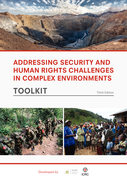

Insecurity Insight Report 13-1.
The Extending Service Delivery (ESD) project has developed Healthy Timing and Spacing of
Pregnancy: A Trainer’s Reference Guide as a resource for trainers in developing in-service training
for facility-based healthcare providers
...
and community health workers (chws) who already have
some basic experience with and understanding of FP/RH. This is not a training manual, but a
reference guide which can be used and adapted by trainers based on whether or not trainees are facilitybased
or community-based.
more