
Filter
5096
Text search:
medicines
Featured
Recommendations
522
New Publications
1388
Language
Document type
No document type
2539
Studies & Reports
867
Guidelines
745
Manuals
289
Strategic & Response Plan
234
Fact sheets
151
Training Material
97
Situation Updates
70
Resource Platforms
32
Brochures
30
Infographics
24
Online Courses
11
Videos
6
Dashboards/Maps
1
Countries / Regions
India
249
Global
236
Kenya
155
Uganda
116
South Africa
116
Ethiopia
108
Africa
101
Nepal
96
Sierra Leone
95
Liberia
89
Nigeria
89
Western and Central Europe
81
Bangladesh
78
Tanzania
76
Latin America and the Carribbean
76
Malawi
75
Myanmar / Burma
75
Zambia
74
Ukraine
73
Ghana
72
Namibia
61
Rwanda
58
Syria
56
Congo, Democratic Republic of
46
Philippines
42
Venezuela
41
Zimbabwe
40
South–East Asia Region
37
Eastern Europe
37
Mozambique
32
Asia
32
Haiti
30
Indonesia
27
Guinea
26
West and Central Africa
26
Cambodia
25
Burkina Faso
24
Lesotho
24
Yemen
24
Senegal
23
East and Southern Africa
23
Middle East and North Africa
23
Russia
23
South Sudan
22
Botswana
21
Germany
18
Eswatini/ Swaziland
16
Brazil
16
Madagascar
16
Eastern Europe and Central Asia
16
Pakistan
15
Cameroon
13
Afghanistan
12
Sudan
12
Western Pacific Region
12
North America
12
Benin
11
Mali
10
Somalia
10
Thailand
10
Colombia
10
Lebanon
9
Central African Republic
9
Paraguay
9
Tajikistan
9
Moldova
9
Vietnam
9
Georgia
8
Peru
7
Laos
7
Côte d’Ivoire / Ivory Coast
6
Jordan
6
China
6
North Macedonia
6
Iraq
5
Argentina
5
Bolivia
5
Poland
5
Palestine
5
Albania
5
Kyrgyzstan
5
Hungary
4
Ecuador
4
El Salvador
4
Libya
4
Mexico
4
Sri Lanka
4
Bhutan
4
Southern Africa
4
Iran
4
United Kingdom
4
Morocco
3
USA
3
Saudi Arabia
3
Niger
3
Turkey
3
Egypt
3
Chad
3
Papua New Guinea
3
Serbia
3
Angola
3
Fiji
3
Armenia
3
Timor Leste/ East Timor
3
Romania
3
Kazakhstan
3
Jamaica
3
Mauritius
3
Guinea-Bissau
2
Gambia
2
Switzerland
2
Honduras
2
Guatemala
2
Nicaragua
2
Chile
2
Canada
2
Qatar
2
Bulgaria
2
Uzbekistan
2
Australia
2
Gabon
2
Turkmenistan
2
Japan
2
Tunisia
2
Belarus
2
Togo
1
Malaysia
1
Dominican Republic
1
Burundi
1
Greece
1
Other region
1
Solomon Islands
1
Djibouti
1
Mongolia
1
Congo-Brazzaville
1
Lithuania
1
Slovakia
1
Uruguay
1
Denmark
1
France
1
Maldives
1
Norway
1
Portugal
1
Spain
1
Israel
1
Latvia
1
Belize
1
Costa Rica
1
Oman
1
Panama
1
Authors & Publishers
Publication Years
Category
Countries
2046
Clinical Guidelines
442
Public Health
299
Women & Child Health
209
Key Resources
179
Capacity Building
98
Pharmacy & Technologies
61
Annual Report MEDBOX
2
Toolboxes
HIV
404
COVID-19
378
TB
303
AMR
291
Mental Health
289
Pharmacy
252
NCDs
159
NTDs
144
Conflict
130
Caregiver
129
Ebola & Marburg
112
Malaria
109
Disability
107
Planetary Health
93
Refugee
91
Global Health Education
79
Rapid Response
67
Health Financing Toolbox
64
Natural Hazards
52
2.0 Rapid Response
27
Zika
21
Cholera
19
Polio
12
Specific Hazards
11
Social Ethics
7
Typhoon
1

World malaria report 2024
recommended
New data from the WHO reveal that an estimated 2.2 billion cases of malaria and 12.7 million deaths have been averted since 2000, but the disease remains a serious global health threat, particularly in the WHO African Region. According to WHO’s latest World malaria report, there were an estimated
...
Материалы научно-практической конференции с международным участием «Достижения в нейробиологии и терапии болезни Альцгеймера», посвященной памяти профессора Э.Ð
...

This document is a compilation of all questions, justifications, and sources used to determine the 2021 Global Health Security Index scores for Zambia. For a category and indicator-level summary, please see the Country Profile for Zambia.

To meet our Strategy objectives and get within reach
of the 2030 SDG 3 target related to the three diseases,
the Global Fund needs to raise US$18 billion for the
Eighth Replenishment. That sum is essential to drive the
required pace of progress in the fight against HIV, TB
and malaria, and to m
...

To deliver on the Global Fund Strategy milestones
for 2028 and ensure we keep the SDG 3 target
within reach, we need to raise US$18 billion to
fund the Global Fund’s next three-year grant cycle.

The role of evidence in the journey towards universal health coverage is paramount. Financial risk protection monitoring, the major focus of this report, informs where the WHO African Region stands in reducing the financial hardship people face due to health expenses. This report details the status
...

This paper was commissioned by N´weti and Wemos as part
of the project “Equitable health financing for a strong health
system in Mozambique”. Its purpose is to contribute to the
debate of the Mozambican Ministry of Health’s draft Health
Sector Financing Strategy (HSFS) 2025 – 2034
Overall, harmonisation and innovation should be the
focus of the future direction of DAH and the creation of
a healthy global community. The world needs all hands
on deck if it were to move towards achieving the SDGs,
addressing global health inequalities and improving the
welfare of the global
...

Insufficient funding is hindering the achievement of malaria elimination targets in Africa, despite the pressing need for increased investment in malaria control. While Western donors attribute their inaction to financial constraints, the global health community has limited knowledge of China’s ex
...
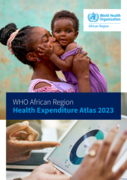
Over the past decade, countries in the African region experienced slow progress in mobilizing resources for health while facing continued challenges. In their revised estimates published in 2017, Stenberg et al., developed two costs scenarios, termed progress and ambitious, aimed at strengthening co
...
In the last three decades, health financialization has surged in
several creative ways, yet this growing phenomenon remains surprisingly
unknown, and neglected, in the global health arena. Financialization in the
health domain could be described as the uncontrolled expansion of finance along vari
...

Rising levels of inflation, debt and macrofiscal tightening are putting expenditures on the social sectors including health under immense scrutiny. Already, there are worrying signs of reductions in social sector investments. However, even before the pandemic, evidence showed the significant returns
...
Each year since 2007, G-FINDER has provided policy-makers, donors, researchers and industry with a comprehensive analysis of global investment into research and development of new products to
prevent, diagnose, control or cure neglected diseases in low- and middle-income countries, making it the go
...

Achieving financial risk protection for the whole population requires significant financing for health. Health systems in low- and middle-income countries (LMIC) are plagued with persistent underfunding, and recent reductions in official development assistance have been registered. To create fiscal
...

Development assistance for health (DAH)
plays a vital role in supporting health programmes in lowand middle-income countries. While DAH has historically
focused on infectious diseases and maternal and child
health, there is a lack of comprehensive analysis of DAH
trends, strategic shifts and the
...

Zambia is facing a severe economic crisis marked by high inflation, increasing poverty and a heavy debt burden that is straining both its fiscal stability and progress in health outcomes. By 2020, the country's external debt reached United States dollars (USD) 12.7 billion, representing 108% of the
...

The Council was established in late 2020 by Dr Tedros Adhanom
Ghebreyesus (Director-General, WHO) to provide new economic thinking – reassessing how health and wellbeing are valued, produced and distributed across the economy. An all-female group of 10 distinguished economists and area experts, t
...

This comprehensive HPFM report thoroughly explores Kenya’s health financing landscape. It provides an in-depth analysis of the current state of affairs and sheds light on required strategic changes in health financing. The report points out the need to improve public financial management within th
...

The COVID-19 pandemic exposed critical gaps in the global response to health crises, particularly in the financing of pandemic prevention, preparedness, response, recovery, and reconstruction. This chapter presents a comprehensive framework for pandemic financing that spans the entire pandemic cycle
...

There has never been a more critical moment to invest in WHO, and strengthen the unique role it plays in global health. Now is the time to sustainably finance WHO and invest in a healthy return for all.
