
Filter
2584
Text search:
equitable
access
Featured
205
677
Language
2520
83
68
44
43
25
25
12
4
3
3
3
3
2
2
2
2
2
2
2
2
2
1
1
1
1
1
1
1
1
1
1
1
1
1
1
1
1
1
1
1
1
1
1
Document type
1222
584
272
209
132
76
40
24
12
4
3
2
1
Countries
198
99
61
61
60
59
59
53
49
47
47
45
44
43
39
39
38
37
33
30
27
22
22
21
19
16
15
15
14
14
14
12
12
12
11
11
11
11
10
10
9
9
8
8
6
6
6
6
6
6
6
5
5
5
5
5
4
4
4
4
4
4
4
4
3
3
3
3
3
3
3
3
3
2
2
2
2
2
2
2
2
2
2
2
1
1
1
1
1
1
1
1
1
1
1
1
1
1
1
1
1
1
1
1
1
1
Authors & Publishers
397
105
84
77
65
61
48
41
32
21
21
19
18
17
15
14
13
13
13
12
12
12
11
11
11
11
10
10
10
9
9
9
9
8
8
8
8
8
8
8
7
7
7
7
7
7
7
7
7
7
6
6
6
6
6
6
6
6
6
6
6
6
6
6
6
5
5
5
5
5
5
5
5
5
5
5
5
5
5
5
4
4
4
4
4
4
4
4
4
4
4
4
4
4
4
4
4
4
4
4
4
4
3
3
3
3
3
3
3
3
3
3
3
3
3
3
3
3
3
3
3
3
3
3
3
3
3
3
3
3
3
3
3
3
3
3
3
3
3
3
3
3
3
3
3
3
3
3
3
3
3
3
3
3
3
3
3
3
3
3
2
2
2
2
2
2
2
2
2
2
2
2
2
2
2
2
2
2
2
2
2
2
2
2
2
2
2
2
2
2
2
2
2
2
2
2
2
2
2
2
2
2
2
2
2
2
2
2
2
2
2
2
2
2
2
2
2
2
2
2
2
2
2
2
2
2
2
2
2
2
2
2
2
2
2
2
2
2
2
2
2
2
2
2
2
2
2
2
2
2
2
2
2
2
2
2
2
2
2
2
2
2
2
2
2
2
2
2
2
2
2
2
2
2
2
2
2
2
2
2
2
2
2
2
2
2
2
2
2
2
2
2
2
2
2
2
2
2
2
2
2
1
1
1
1
1
1
1
1
1
1
1
1
1
1
1
1
1
1
1
1
1
1
1
1
1
1
1
1
1
1
1
1
1
1
1
1
1
1
1
1
1
1
1
1
1
1
1
1
1
1
1
1
1
1
1
1
1
1
1
1
1
1
1
1
1
1
1
1
1
1
1
1
1
1
1
1
1
1
1
1
1
1
1
1
1
1
1
1
1
1
1
1
1
1
1
1
1
1
1
1
1
1
1
1
1
1
1
1
1
1
1
1
1
1
1
1
1
1
1
1
1
1
1
1
1
1
1
1
1
1
1
1
1
1
1
1
1
1
1
1
1
1
1
1
1
1
1
1
1
1
1
1
1
1
1
1
1
1
1
1
1
1
1
1
1
1
1
1
1
1
1
1
1
1
1
1
1
1
1
1
1
1
1
1
1
1
1
1
1
1
1
1
1
1
1
1
1
1
1
1
1
1
1
1
1
1
1
1
1
1
1
1
1
1
1
1
1
1
1
1
1
1
1
1
1
1
1
1
1
1
1
1
1
1
1
1
1
1
1
1
1
1
1
1
1
1
1
1
1
1
1
1
1
1
1
1
1
1
1
1
1
1
1
1
1
1
1
1
1
1
1
1
1
1
1
1
1
1
1
1
1
1
1
1
1
1
1
1
1
1
1
1
1
1
1
1
1
1
1
1
1
1
1
1
1
1
1
1
1
1
1
1
1
1
1
1
1
1
1
1
1
1
1
1
1
1
1
1
1
1
1
1
1
1
1
1
1
1
1
1
1
1
1
1
1
1
1
1
1
1
1
1
1
1
1
1
1
1
1
1
1
1
1
1
1
1
1
1
1
1
1
1
1
1
1
1
1
1
1
1
1
1
1
1
1
1
1
1
1
1
1
1
1
1
1
1
1
1
1
1
1
1
1
1
1
1
1
1
1
1
1
1
1
1
1
1
1
1
1
1
1
1
1
1
1
1
1
1
1
1
1
1
1
1
1
1
1
1
1
1
1
1
1
1
1
1
1
1
1
1
1
1
1
1
1
1
1
1
1
1
1
1
1
1
1
1
1
1
1
1
1
1
1
1
1
1
1
1
1
1
1
1
1
1
1
1
1
1
1
1
1
1
1
1
1
1
1
1
1
1
1
1
1
1
1
1
1
1
1
1
1
1
1
1
1
1
1
1
1
1
1
1
1
1
1
1
1
1
1
1
1
1
1
1
1
1
1
1
1
1
1
1
1
1
1
1
1
1
1
1
1
1
1
1
1
1
1
1
1
1
1
1
1
1
1
1
1
1
1
1
1
1
1
1
1
1
1
1
1
1
1
1
1
1
1
1
1
1
1
1
1
1
1
1
1
1
1
1
1
1
1
1
1
1
1
1
1
1
1
1
1
1
1
1
1
1
1
1
1
1
1
1
1
1
1
1
1
1
1
1
1
1
1
1
1
1
1
1
1
1
1
1
1
1
1
1
1
1
1
1
1
1
1
1
1
1
1
1
1
1
1
1
1
1
1
1
1
1
1
1
1
1
1
1
1
1
1
1
1
1
1
1
1
1
1
1
1
1
1
1
1
1
1
1
1
1
1
1
1
1
1
1
1
1
1
1
1
1
1
1
1
1
1
1
1
1
1
1
1
1
1
1
1
1
1
1
1
1
1
1
1
1
1
1
1
1
1
1
1
1
1
1
1
1
1
1
1
1
1
1
1
1
1
1
1
1
1
1
1
1
1
1
1
1
1
1
1
1
1
1
1
1
1
1
1
1
1
1
1
1
1
1
1
1
1
1
1
1
1
1
1
1
1
1
1
1
1
1
1
1
1
1
1
1
1
1
1
1
1
1
1
1
1
1
1
1
1
1
1
1
1
1
1
1
1
1
1
1
1
1
1
1
1
1
1
1
1
1
1
1
1
1
1
1
1
1
1
1
1
1
1
1
1
1
1
1
1
1
1
1
1
1
1
1
1
1
1
1
1
1
1
1
1
1
1
1
1
1
1
1
1
1
1
1
1
1
1
1
1
1
1
1
1
1
1
1
1
1
1
1
1
1
1
1
1
1
1
1
1
1
1
1
1
1
1
1
1
1
1
1
1
1
1
1
1
1
1
1
1
1
1
1
1
1
1
1
1
1
1
1
1
1
1
1
1
1
1
1
1
1
1
1
1
1
1
1
1
1
1
1
1
1
1
1
1
1
1
1
1
1
1
1
1
1
1
1
1
1
1
1
1
1
1
1
1
1
1
1
1
1
1
1
1
1
1
1
1
1
1
1
1
1
1
1
1
1
1
1
1
1
1
1
1
1
1
1
1
1
1
1
1
1
1
1
1
1
1
1
1
1
1
1
1
1
1
1
1
1
1
1
1
1
1
1
1
1
1
1
1
1
1
1
1
1
1
1
1
1
1
1
1
1
1
1
1
1
1
1
1
1
1
1
1
1
1
1
1
1
1
1
1
1
1
1
1
1
1
1
1
1
1
1
1
1
1
1
1
1
1
1
1
1
1
1
1
1
1
1
1
1
1
1
1
1
1
1
1
1
1
1
1
1
1
1
1
1
1
1
1
1
1
1
1
1
1
1
1
1
1
1
1
1
1
1
1
1
1
1
1
1
1
1
1
1
1
1
1
1
1
1
1
1
1
1
1
1
1
1
1
1
1
1
1
1
1
1
1
1
1
1
1
1
1
1
1
1
1
1
1
1
1
1
1
1
1
1
1
1
1
1
1
1
1
1
1
1
1
1
1
1
1
1
1
1
1
1
1
1
1
1
1
1
1
1
1
1
1
1
1
1
1
1
1
1
1
1
1
1
1
1
1
1
1
1
1
1
1
1
1
1
1
1
1
1
1
1
1
1
1
1
1
1
1
1
1
1
1
1
1
1
1
1
1
1
1
1
1
1
1
1
1
1
1
1
1
1
1
1
1
1
1
1
1
1
1
1
1
1
1
1
1
1
1
1
1
1
1
1
1
1
1
1
1
1
1
1
1
1
1
1
1
1
1
1
1
1
1
1
1
1
1
1
1
1
1
1
1
1
1
1
1
1
1
1
1
1
1
1
1
1
1
1
1
1
1
1
1
1
1
1
1
1
1
1
1
1
1
1
1
1
1
1
1
1
1
1
1
1
1
1
1
1
1
1
1
1
1
1
1
1
1
1
1
1
1
1
1
1
1
1
1
1
1
1
1
1
1
1
1
1
1
1
1
1
1
1
1
1
1
1
1
1
1
1
1
1
1
1
1
1
1
1
1
1
1
1
1
1
1
1
1
1
1
1
1
1
1
1
1
1
1
1
1
1
1
1
1
1
1
1
1
1
1
1
1
1
1
1
1
1
1
1
1
1
1
1
1
1
1
1
1
1
1
1
1
1
1
1
1
1
1
1
1
1
1
1
1
1
1
1
1
1
1
1
1
1
1
1
1
1
1
1
1
1
1
1
1
1
1
1
1
1
1
1
1
1
1
1
1
1
1
1
1
1
1
1
1
1
1
1
1
1
1
1
1
1
1
1
1
1
1
1
1
1
1
1
1
1
1
1
1
1
1
1
1
1
1
1
1
1
1
1
1
1
1
1
1
1
1
1
1
1
1
1
1
1
1
1
1
1
1
1
1
1
1
1
1
1
1
1
1
1
1
1
1
1
1
1
1
1
1
1
1
1
1
1
1
1
1
1
1
1
1
1
1
1
1
1
1
1
1
1
1
1
1
1
1
1
1
1
1
1
1
1
1
1
1
1
1
1
1
1
1
1
1
1
1
1
1
1
1
1
1
1
1
1
1
1
1
1
1
1
1
1
Publication Years
1058
1340
174
10
1
1
Category
1044
194
181
129
128
33
16
1
Toolboxes
268
170
158
114
102
85
85
83
80
76
53
52
49
36
36
35
32
30
28
27
16
11
8
4
3
1
1
14 de setembro de 2020Este Modelo de Valores fornece orientações globais para alocação de vacinas contra a COVID-19 entre os países, e orientações nacionais de priorização de grupos para vacinação dentro dos países em caso de oferta limitada. O Modelo destina-se a auxiliar os elaboradore
...
s de políticas públicas e assessores especializados nos âmbitos global, regional e nacional nas decisões sobre alocação e priorização de vacinas contra a COVID-19. Este documento foi endossado pelo Grupo Consultivo Estratégico de Especialistas em Imunização
more
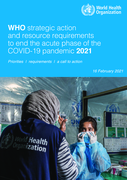
WHO has a unique combination of technical public health and scientific expertise, and a global operational footprint, with field offices in more than 150 countries. In 2020, this global, technical, and operational reach meant WHO was able to support countries around the world in every aspect of COVI
...
D-19 public health response, from surveillance and laboratory testing to maintaining essential health services in the most vulnerable and fragile contexts.
more
El propósito de este marco de valores es brindar orientación a nivel mundial acerca de la asignación de las vacunas contra la COVID-19 entre los países y a nivel nacional con respecto a la determinación de los grupos prioritarios para recibirlas dentro de los países, mientras el suministro sea
...
limitado. El marco tiene por objeto apoyar a los responsables de formular políticas y a los asesores expertos a nivel nacional, regional y mundial mientras toman decisiones sobre la asignación de las vacunas contra la COVID-19 y la priorización de los grupos que las recibirán
This document it available in Arabic, Chinese English, French, Portuguese and Russian
more
Background paper 11
The Independent Panel for Pandemic Preparedness and Response
May 2021
Bioethics - Medical, Ethical and Legal Perspectives
There’s evidence that implementing the four medical ethics principles may be challenging especially in low income country contexts with extreme resource scarcity and limited capacity to facilitate deliberations on the different ethical dilemmas.
...
These challenges can partly be explained by the social, economic, and political contexts in which the decisions are made, as well as the limited time, training and guidance to facilitate ethical decision making. Based on current literature, and using the example of bedside rationing; this chapter synthesizes the challenges clinicians face when operationalizing the four principle; identifying the opportunities to address them. We suggest that clinicians’ ability to implement the four principles are constrained by meso‐ and macro‐level decision making as well as their lack of training, explicit guidelines, and peer support. To ameliorate this situation, current efforts to strengthen the clinicians’ capacity to make ethical decisions should be complimented with developing of context relevant guidelines for ethical clinical decision making. The renewed global commitment to the sustainable development goals and universal healthcare coverage should be recognized as an opportunity to leverage resources and champion the integration of equity and justice as a core value in resource allocation at the bedside, meso-, macro- and global levels.
more
Factsheet
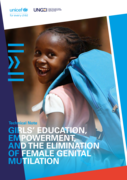
The coronavirus disease 2019 (COVID-19) pandemic has created a global and gendered crisis that is compounding existing inequalities and disproportionately affecting girls and women. Emerging evidence from the COVID-19 crisis in 2020 shows school closures, disruptions in essential services and rising
...
poverty contributed to girls’ increased risk of female genital mutilation (FGM). School closures limited the monitoring and reporting of cases of FGM. Rising household monetary poverty may have contributed to families adopting negative coping mechanisms, including having girls undergo FGM as a precursor to marriage to reduce household costs. A report from the United Nations Population Fund (UNFPA) estimates 2 million additional cases of FGM by 2030 due to the pandemic.
more
WHO's Health in the Green Economy sector briefings examine the health impacts of climate change mitigation strategies considered by the Intergovernmental Panel on Climate Change in their Fourth Assessment Report.

This report, which involved input from across WaterAid, in particular from the Programme Support Unit (PSU) of WaterAid UK, includes case studies from a variety of countries, including Bangladesh, Burkina Faso, Eswatini, Ethiopia, Ghana, India and Nepal, each demonstrating what must be done now to i
...
mprove WASH services and address current challenges, in order to increase community resilience to climate change.
more
The World Health Organization (WHO) recognizes the challenges countries face for maintaining their COVID-19 response while addressing competing public health challenges, conflicts, climate change and economic crises. WHO continues to support countries in adjusting COVID-19 strategies to reflect succ
...
esses to date and leverage what has been learned through national responses.
To assist national and global efforts to end the COVID-19 emergency worldwide, WHO updated the COVID-19 (Global Preparedness, Readiness and Response plan) in 2022 and outlined two strategic objectives.
more
The World Health Organization (WHO) recognizes the challenges countries face for maintaining their COVID-19 response while addressing competing public health challenges, conflicts, climate change and economic crises.
It remains critical for national programmes to continue to offer testing for COVI
...
D-19 in line with three main objectives: reduce morbidity and mortality through linkage to prompt care and treatment, reduce onward transmission and track the evolution of the epidemic and the virus
itself.
more
Getting on track to end AIDS as a public health threat by 2030. This new Road Map charts a way forward for country-level actions to achieve an ambitious set of HIV prevention targets by 2025. Those targets emerged from the 2021 Political Declaration on HIV and AIDS, which the United Nations General
...
Assembly adopted in June 2021 and they are underpinned by the Global AIDS Strategy (2021–2026). The Strategy sets out the principles, approaches, priority action area and programmatic targets for the global HIV response
more
The guidance notes describe key actions that policy-makers at national and subnational levels can take in relation to: diagnostic testing for COVID-19, clinical management of COVID-19, meeting targets for vaccination against COVID-19, maintaining infection control measures for COVID-19 in health-car
...
e settings, building confidence through risk communication and community involvement, and ensuring that all health-care workers are aware of the risks of COVID-19.
This guidance note focuses on the following areas: COVID-19 diagnostic testing, clinical management of COVID-19, achieving COVID-19 vaccination targets, maintaining COVID-19 infection control measures in health-care settings, building confidence through risk communication and community engagement, and managing COVID-19 infodemia. This guidance note focuses on risk communication and community engagement in the context of COVID-19.
more
In collaboration with partners, the government of Ethiopia has successfully developed 10 years Hand Hygiene for All (HH4A) costed national roadmap- a country-wide approach to achieving sustainable and universal hand hygiene. On the occasion of the 2022 Global Hand Washing Day event ( Ethiopia is cel
...
ebrating the event for one month with different sessions), the national HH4A road map launched on the 4th of Nov 2022 in a high-level advocacy event in the presence of higher officials and partners. Action is set mainly on the need for a joint effort to mobilize resources for implementation, monitoring and documenting of lessons and best practices.
more
Accessed on 04.04.2023
The Drugs for Neglected Diseases initiative (DNDi) is an international
non-profit organization that discovers, develops, and delivers safe,
effective, and affordable treatments for the most neglected patients
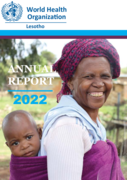
This annual report gives an overview of WHO lesotho Country office's undertakings and achievements in the context of an extraordinary health emergency. As we walk another mile this year, may we embrace all lessonst leanred in the previous year, learn from what did not work so well and take on new op
...
portunities in championing health in the country.
more

The annual Development Co-operation Report brings new evidence, analysis and ideas on
sustainable development to members of the OECD Development Assistance Committee (DAC) and the international community more broadly. The objectives are to promote best practices and innovation in development co-ope
...
ration and to inform and shape policy reform and behaviour change to realise better lives and the Sustainable Development Goals for all
more

Since the discovery of insulin nearly 100 years ago, advances in diabetes treatments and therapies have transformed the lives of people
with diabetes (PwD), notably reducing the daily burden of its management.
Newer technologies, including those driven by artificial intelligence, have the potentia
...
l to further improve the quality of life of PwD and help
identify and diagnose people at risk of developing Type 2 diabetes and diabetes-related complications early. However, medical and technological advances alone are not enough to fix the diabetes challenge. It is also critical to acknowledge the complexity and the seriousness of diabetes, its impact on the quality of life and well-being of over 32 million PwD in the EU and the financial burden it represents for health systems and society at large.
more

This document outlines the plan for a continental cholera prevention and control with the implementation framework for the Cholera IMST, detailing its governance structure, strategic priorities, and operational modalities
