Filter
1661
Text search:
Global
Protection
Cluster
Featured
159
499
Language
Document type
839
298
196
127
109
40
31
12
6
2
1
Countries / Regions
83
55
48
48
38
37
37
34
34
32
30
29
25
25
23
22
20
20
19
17
16
15
14
14
13
13
13
13
13
12
12
12
11
11
11
9
9
8
8
8
8
8
8
7
7
7
7
6
6
6
6
5
5
5
5
5
5
5
4
4
4
4
4
4
4
3
3
3
3
3
3
3
3
3
2
2
2
2
2
2
2
2
2
2
2
2
2
2
1
1
1
1
1
1
1
1
1
1
1
1
1
1
1
1
1
1
1
1
1
1
1
1
1
1
1
1
1
Authors & Publishers
Publication Years
Category
675
205
123
84
72
18
8
Toolboxes
226
139
83
75
61
60
49
48
36
34
31
30
25
24
22
20
17
14
13
13
9
9
9
9
2
1
1
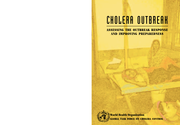
Cholera Outbreak Response
recommended
The document provides comprehensive guidelines for managing cholera outbreaks, including detection, confirmation, response, treatment, and prevention. It emphasizes the importance of rehydration, water sanitation, hygiene promotion, and community mobilization to limit the spread. This guide is desig
...
The emergency Water, Sanitation and Hygiene Promotion (WASH) gap analysis project was funded by The Humanitarian Innovation Fund (HIF), a program managed by Enhancing Learning and Research for Humanitarian Assistance (ELRHA) in partnership with the Active Learning Network for Accountability and Per
...
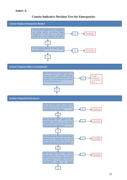
The document contains 2 decision trees, the first short one is to act fast and the second is to design better interventions

Results from a High Frequency Cell Phone Survey Round 1
The magnitude of urban disasters, high population densities, and a complex social, political and institutional environment has challenged the manner in which humanitarian agencies are used to working. Humanitarian agencies are now grappling with how to change their approaches to this reality. This d
...
The use of explosive weapons, such as bombs, rockets, and mortar and
artillery shells, in cities, towns and villages and in other populated areas
has devastating humanitarian consequences. Explosive weapons act mainly
through the projection of blast and fragmentation wi
...
‘Psychosocial Support of Children in Emergencies’ is a reference document for humanitarian workers who want to increase their understanding of the experiences of children in emergency situations and how to support them in mitigating the negative effects of these experiences and how to prevent fu
...
Introduction Un Plan humanitaire multisectoriel spécifique à la réponse COVID-19 a été développé en avril 2020 et constitue un Addendum au Plan de réponse humanitaire 2020 (PRH) afin d’intégrer l’impact de la pandémie de COVID-19 sur les besoins humanitaires existants et sur les activi
...
Les coronavirus forment une vaste famille de virus qui peuvent être pathogènes chez l’homme et chez l’animal. On sait que, chez l’être humain, plusieurs coronavirus peuvent entraîner des infections respiratoires dont les manifestations vont du simple rhume à des maladies plus graves comme
...
How to respond to Covid19 pandemic in West and Central Africa

The Country Cooperation Strategy is the World Health Organization (WHO)’s reference for country work guiding planning and resource allocation through alignment with national health priorities and harmonization with other development partners. It clarifies roles and functions of WHO in supporting t
...