
Filter
1904
Text search:
Neglected
Diseases
Featured
174
371
Language
1763
148
132
57
51
33
33
26
3
2
1
1
1
1
1
1
1
1
1
1
1
1
1
1
1
1
1
1
1
1
Document type
689
529
195
105
103
82
73
41
24
19
16
10
9
7
2
Countries
241
52
43
36
35
32
31
30
28
26
25
22
21
19
18
16
16
16
16
15
14
14
13
12
11
11
11
10
10
10
9
9
8
8
8
7
7
7
6
6
6
6
5
5
5
4
4
4
4
4
4
3
3
3
3
2
2
2
2
2
2
2
2
2
2
2
2
2
2
2
2
2
1
1
1
1
1
1
1
1
1
1
1
1
1
1
1
1
1
1
1
1
1
1
1
1
1
1
1
1
1
1
1
1
1
1
Authors & Publishers
216
203
62
58
56
37
23
23
22
22
17
14
14
11
10
10
9
9
8
7
7
7
7
6
6
6
6
6
6
5
5
5
5
5
5
5
5
5
5
4
4
4
4
4
4
4
4
4
4
4
4
4
4
4
4
4
4
4
4
4
3
3
3
3
3
3
3
3
3
3
3
3
3
3
3
3
3
3
3
3
3
3
3
3
3
3
3
3
3
3
3
3
3
3
3
3
3
3
3
3
3
3
3
3
3
3
2
2
2
2
2
2
2
2
2
2
2
2
2
2
2
2
2
2
2
2
2
2
2
2
2
2
2
2
2
2
2
2
2
2
2
2
2
2
2
2
2
2
2
2
2
2
2
2
2
2
2
2
2
2
2
2
2
2
2
2
2
2
2
2
2
2
2
2
2
2
2
2
2
2
2
2
2
2
2
2
2
2
2
2
2
2
2
2
2
2
2
2
2
2
2
2
2
2
2
2
2
2
2
2
2
2
2
2
2
2
2
2
2
2
2
2
1
1
1
1
1
1
1
1
1
1
1
1
1
1
1
1
1
1
1
1
1
1
1
1
1
1
1
1
1
1
1
1
1
1
1
1
1
1
1
1
1
1
1
1
1
1
1
1
1
1
1
1
1
1
1
1
1
1
1
1
1
1
1
1
1
1
1
1
1
1
1
1
1
1
1
1
1
1
1
1
1
1
1
1
1
1
1
1
1
1
1
1
1
1
1
1
1
1
1
1
1
1
1
1
1
1
1
1
1
1
1
1
1
1
1
1
1
1
1
1
1
1
1
1
1
1
1
1
1
1
1
1
1
1
1
1
1
1
1
1
1
1
1
1
1
1
1
1
1
1
1
1
1
1
1
1
1
1
1
1
1
1
1
1
1
1
1
1
1
1
1
1
1
1
1
1
1
1
1
1
1
1
1
1
1
1
1
1
1
1
1
1
1
1
1
1
1
1
1
1
1
1
1
1
1
1
1
1
1
1
1
1
1
1
1
1
1
1
1
1
1
1
1
1
1
1
1
1
1
1
1
1
1
1
1
1
1
1
1
1
1
1
1
1
1
1
1
1
1
1
1
1
1
1
1
1
1
1
1
1
1
1
1
1
1
1
1
1
1
1
1
1
1
1
1
1
1
1
1
1
1
1
1
1
1
1
1
1
1
1
1
1
1
1
1
1
1
1
1
1
1
1
1
1
1
1
1
1
1
1
1
1
1
1
1
1
1
1
1
1
1
1
1
1
1
1
1
1
1
1
1
1
1
1
1
1
1
1
1
1
1
1
1
1
1
1
1
1
1
1
1
1
1
1
1
1
1
1
1
1
1
1
1
1
1
1
1
1
1
1
1
1
1
1
1
1
1
1
1
1
1
1
1
1
1
1
1
1
1
1
1
1
1
1
1
1
1
1
1
1
1
1
1
1
1
1
1
1
1
1
1
1
1
1
1
1
1
1
1
1
1
1
1
1
1
1
1
1
1
1
1
1
1
1
1
1
1
1
1
1
1
1
1
1
1
1
1
1
1
1
1
1
1
1
1
1
1
1
1
1
1
1
1
1
1
1
1
1
1
1
1
1
1
1
1
1
1
1
1
1
1
1
1
1
1
1
1
1
1
1
1
1
1
1
1
1
1
1
1
1
1
1
1
1
1
1
1
1
1
1
1
1
1
1
1
1
1
1
1
1
1
1
1
1
1
1
1
1
1
1
1
1
1
1
1
1
1
1
1
1
1
1
1
1
1
1
1
1
1
1
1
1
1
1
1
1
1
1
1
1
1
1
1
1
1
1
1
1
1
1
1
1
1
1
1
1
1
1
1
1
1
1
1
1
1
1
1
1
1
1
1
1
1
1
1
1
1
1
1
1
1
1
1
1
1
1
1
1
1
1
1
1
1
1
1
1
1
1
1
1
1
1
1
1
1
1
1
1
1
1
1
1
1
1
1
1
1
1
1
1
1
1
1
1
1
1
1
1
1
1
1
1
1
1
1
1
1
1
1
1
1
1
1
1
1
1
1
1
1
1
1
1
1
1
1
1
1
1
1
1
1
1
1
1
1
1
1
1
1
1
1
1
1
1
1
1
1
1
1
1
1
1
1
1
1
1
1
1
1
1
1
1
1
1
1
1
1
1
1
1
1
1
1
1
1
1
1
1
1
1
1
1
1
1
1
1
1
1
1
1
1
1
1
1
1
1
1
1
1
1
1
1
1
1
1
1
1
1
1
1
1
1
1
1
1
1
1
1
1
1
1
1
1
1
1
1
1
1
1
1
1
1
1
1
1
1
1
1
1
1
1
1
1
1
1
1
1
1
1
1
1
1
1
1
1
1
1
1
1
1
1
1
1
1
1
1
1
1
1
1
1
1
1
1
1
1
1
1
1
1
1
1
1
1
1
1
1
1
1
1
1
1
1
1
1
1
1
1
1
1
1
1
1
1
1
1
1
1
1
1
1
1
1
1
1
1
1
1
1
1
1
1
1
1
1
1
1
1
1
1
1
1
1
1
1
1
1
1
1
1
1
1
1
1
1
1
1
1
1
1
1
1
1
1
1
1
1
1
1
1
1
1
1
1
1
1
1
1
1
1
1
1
1
1
1
1
1
1
1
1
1
1
1
1
1
1
1
1
1
1
1
1
1
1
1
1
1
1
1
1
1
1
1
1
1
1
1
1
1
1
1
1
1
1
1
1
1
1
1
1
1
1
1
1
1
1
1
1
1
1
1
1
1
1
1
1
1
1
1
1
1
1
1
1
1
1
1
1
1
1
1
1
1
1
1
1
1
1
1
1
1
1
1
1
1
1
1
1
1
1
1
1
1
1
1
1
1
1
1
1
1
1
1
1
1
1
1
1
1
1
1
1
1
1
1
1
1
1
1
1
1
1
1
1
1
1
1
1
1
1
1
1
1
1
1
1
1
1
1
1
1
1
1
1
1
1
1
1
1
1
1
1
1
1
1
1
1
1
1
1
1
1
1
1
1
1
1
1
1
1
1
1
1
1
1
1
1
1
1
1
1
1
1
1
1
1
1
1
1
1
1
1
1
1
1
1
1
1
1
1
1
1
1
1
1
1
1
1
1
1
1
1
1
1
1
1
1
1
1
1
1
1
1
1
1
1
1
1
1
1
1
1
1
1
1
1
1
1
1
1
1
1
1
1
1
1
1
1
1
1
1
1
1
1
1
1
1
1
1
1
1
1
1
1
1
1
1
1
1
1
1
1
1
1
1
1
1
1
1
1
1
1
1
1
1
1
1
1
1
1
1
1
1
1
1
1
1
1
1
1
1
1
1
1
1
1
1
1
1
1
1
1
1
1
1
1
1
1
1
1
1
1
1
1
1
1
1
1
1
1
1
1
1
1
1
1
1
1
1
1
1
1
1
1
1
1
1
1
1
1
1
1
1
1
1
1
1
1
1
1
1
1
1
1
1
1
1
1
1
1
1
1
1
1
1
1
1
1
1
1
1
1
1
1
1
1
1
1
1
1
1
1
1
1
1
1
1
1
1
1
1
1
1
1
1
1
1
1
1
1
1
1
1
1
1
1
1
1
1
1
1
1
1
1
1
1
1
1
1
1
1
1
1
1
1
1
1
1
1
1
1
1
1
1
1
1
1
1
1
1
1
1
1
1
1
1
1
1
1
1
1
1
1
1
1
1
1
1
1
1
1
1
1
1
1
1
1
1
1
1
1
1
1
1
1
1
1
1
1
1
1
1
1
1
1
1
1
1
1
1
1
1
1
1
1
1
1
1
1
1
1
1
1
1
1
1
1
1
1
1
1
1
1
1
1
1
1
1
1
1
1
1
1
1
1
1
1
1
1
1
1
1
1
1
1
1
1
1
1
1
1
1
1
1
1
1
1
1
1
1
1
1
1
1
1
1
1
1
1
1
1
1
1
1
1
1
1
1
1
1
1
1
1
1
1
1
1
Publication Years
783
1001
107
13
Category
445
179
134
78
63
28
27
1
Toolboxes
712
90
75
61
60
54
52
39
31
31
31
30
30
24
24
19
16
13
12
12
12
10
9
7
3

Access to safe, effective and quality-assured health products and technologies is crucial for achieving universal health coverage and primary health care goals. The continued growth of the aging population; increasing burden of noncommunicable diseases
...
; growing burden of mental health issues; climate change; shifting patterns of vector borne diseases, fungal disease and waterborne diseases; antimicrobial resistance; and new infectious hazards create an ongoing need for equitable access to safe, effective and quality-assured health products and technologies, and renewed investments in research and development for innovative health products and technologies.
The coronavirus pandemic exposed the inequalities in access to health products, highlighting the need for longer-term strategies to strengthen access to health products and technologies outside of and in emergency situations. While technological and scientific advances present an opportunity to increase access to health products and technologies, the risk of increasing inequality due to higher prices for new health products and technologies; the persisting problem of substandard and falsified medical products; a lack of skilled workforce in many low- and middle-income countries; and a lack of data for decisionmaking and for measuring progress present significant challenges.
more

The Atlas of health and climate is a product of this unique collaboration between the meteorological and public health communities. It provides sound scientific information on the connections between weather and climate and major health challenges. These range from
...
diseases of poverty to emergencies arising from extreme weather events and disease outbreaks. They also include environmental degradation, the increasing prevalence of noncommunicable diseases and the universal trend of demographic ageing.
more
Fertilizing Crops to Improve Human Health: A Scientific Review
IPNI, IFA
International Plant Nutrition Institute, International Fertilizer Industry Association
(2012)
C1
- The Role of Plant Nutrition in Supporting Food Security
- Micronutrient Malnutrition: Causes, Prevalence, Consequences and Interventions
- Fertilizer Application and Nutraceutical Content in
Health-Functional Foods
- Plant Nutrition and Health Risks Associated with Plant
...
Diseases
- Human Health Issues Associated with Nutrient Use in Organic
and Conventional Crop Production
more
The manual is written for clinicians working at the district hospital (first-level referral care) who diagnose and manage sick adolescents and adults in resource constrained settings. It aims to support clinical reasoning, and to provide an effective clinical approach and protocols for the managemen
...
t of common and serious or potentially life-threatening conditions at district hospitals. The target audience thus includes doctors, clinical officers, health officers, and senior nurse practitioners. It has been designed to be applicable in both high and low HIV prevalence settings.
Volume 2 provides a symptom-based approach to clinical care for acute and subacute conditions (including mental health). It provides short summaries of the management of diseases that affect multiple systems of the body, focusing on communicable diseases. It also includes the chronic or long-term management of HIV, TB, alcohol, and substance use disorders.
more
This guide is a resource for future health professionals who want to learn about and engage in abortion issues. Abortion is a critical but often neglected area of women’s rights, women’s health and health science education. The guide ences stude
...
nts was developed for health sciences students -including students in medicine, nursing, midwifery, pharmacology, public health and other related fields
more

Humanitarian emergencies, regardless of type and cause, have a number of common risk factors for communicable diseases inextricably linked to excess risk of morbidity and mortality which can come from vaccine–preventable
...
diseases (VPDs). The reduction of VPDs is a significant aim of public-health interventions during crises.
The WHO Strategic Advisory Group of Experts (SAGE) on Immunization carried out a comprehensive review of evidence on vaccination decision-making processes and considerations in humanitarian emergencies.
more

The report focuses on several key areas where health outcomes are falling short, and provides insight into ways in which countries can improve the situation for their children and adolescents. Areas in focus include mental health, overweight/obesity and adolescent risk-taking behaviour.
The report
...
shows, for example, that:
- mental health remains a neglected subject – only one quarter of countries are collecting data on the number of children treated by a mental health professional;
- half of countries do not regulate the marketing of food to children, despite the fact that childhood obesity rates are high across the Region and physical activity rates are low;
- almost half of countries have no policy that affects the availability of unhealthy foods at school;
- 2 in 5 girls and 1 in 3 boys who are having sex do not protect themselves; and
one third of countries do not offer legal access to contraception without parental consent for those under 18 years of age.
more

Mental health issues are usually given very low priority in health service policies. Although this is changing, African countries are still confronted with so many problems caused by communicable diseases and malnutrition that they have not woken up
...
to the impact of mental disorders. Every country must formulate a mental health policy based on its own social and cultural realities. Such policies must take into account the scope of mental health problems, provide proven and affordable interventions, safeguard patients’ rights, and ensure equity.
more
Hidden cities: unmasking and overcoming health inequities in urban settings
WHO, UN-HABITAT
(2010)
C_WHO
The World Health Organization (WHO) and United NationsHuman Settlements Programme (UN-HABITAT) joint globalreport, Hidden cities: unmasking and overcoming healthinequities in urban settings, exposes the extent to whichcertain city dwellers suffer disproportionately from a wide range of
...
diseases and health problems. This report provides information and tools to helpgovernments and local leaders reduce health inequities in their cities. The objective of the report is not tocompare rural and urban health inequities. Urban healthinequities need to be addressed specifically for they aredifferent in their magnitude and in their distribution.
more
It summarizes guidance on how to manage – and when to refer – children and adolescents presenting with common complaints and conditions. It includes information to enable primary health care providers to coordinate the continued care of children and adolescents with long-term conditions and
...
diseases managed by specialists. Preventive and promotive measures from the newborn period to adolescence include advice on the timing and content of well-child visits, the promotion of early childhood development and health messages for adolescents.
This Pocket Book aims to improve the diagnosis and management of common conditions in children and adolescents that can be managed at the outpatient level. It helps to improve the use of laboratory and other diagnostic measures and the rational use of essential drugs and equipment.
more
Cholera English Information
recommended
MEDBOX Issue Brief 26. Cholera is an acute diarrhoeal infection caused by eating or drinking food or water that is contaminated with the
bacterium Vibrio cholerae. Cholera remains a global threat to public health and is an indicator of inequity and lack of
social development. Researchers have esti
...
mated that every year, there are 1.3 to 4.0 million cases of cholera, and 21
000 to 143 000 deaths worldwide due to the infection.
However, cholera remains a neglected and underreported disease. Many cases are not recorded due to limitations in
surveillance systems and fears of potential impact on trade or tourism.
Today cholera affects 47 countries across the globe. Almost every developing country faces cholera outbreaks or
the threat of cholera. Major ongoing outbreaks are being reported from Afghanistan, Bangladesh, Democratic
Republic of Congo, Ethiopia and Nigeria. Major outbreaks are currently in Syria and Haiti.
Therefore, MEDBOX decided to produce issue briefs on cholera and available resources in Arabic, English and
French.
more

Developmental disabilities are common. Yet, children with developmental disabilities have been neglected in health systems planning and policy provisions for health and continue to experience stigmatization, institutionalization, barriers to access
...
health care and inequalities in health and education outcomes.
Using findings from research and practice and guided by the tenets of international human rights conventions, this WHO-UNICEF Global Report on children with developmental disabilities provides principles and approaches to intentionally include the needs and aspirations of children and young people with developmental disabilities in policy, programming and public health monitoring. It makes the case for greater accountability and proposes 10 priority actions to accelerate changes towards inclusive environments and responsive multisectoral care systems for children with developmental disabilities.
more
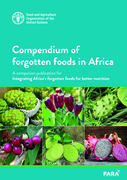
The Food and Agriculture Organization of the United Nations has launched a new Compendium of forgotten foods in Africa which is a first-of-its-kind comprehensive collection of 100 African forgotten food crops.
Also referred to as neglected, under
...
utilized or orphan crops, these species offer valuable benefits, including nutrition and diet diversification, while supporting resilient, climate-smart agriculture but they are at risk of being lost as foods such as maize, rice and wheat dominate African diets.
The compendium list includes details on each crop's botanical classification, agroecological suitability, agronomic requirements, traditional and medicinal uses, value-added prospects and nutritional content. Among the entries are: African locust beans, African nightshade, baobab, Bambara nut, bush mango, cassava, fonio, marula, moringa, teff and tigernut.
Produced by the Food and Agriculture Organization (FAO)'s Regional Office for Africa with the Forum for Agricultural Research in Africa (FARA), the Compendium is a direct response to the UN Food Systems Summit and the Call for Collective Action in the Global Manifesto on Forgotten Foods.
Embracing both agricultural heritage and innovation can transform agrifood systems across Africa. By cataloguing these forgotten or underutilized crops, traditional knowledge is being honoured in the push to unlock the potential for better nutrition, sustainable agriculture, and resilience against the climate crisis.
In a joint foreword to the publication, FAO Assistant Director-General and Regional Representative for Africa Abebe Haile-Gabriel and FARA Executive Director Aggrey Agumya urged the mainstreaming of forgotten foods into African agrifood systems.
more

In the last three decades, health financialization has surged in
several creative ways, yet this growing phenomenon remains surprisingly
unknown, and neglected, in the global health arena. Financialization in the
health domain could be described
...
as the uncontrolled expansion of finance along various lines of healthcare provision. Health has been intentionally transformed into a commodity as private for-profit actors have been allowed freedom to operate - and ultimately play with people’s fundamental right to health - for their vested financial interests, nationally and internationally. Health financialization is thrivingly pursued today for example through the institutionalization of medical knowledge monopolies, the expansion of markets and of financial techniques applied to healthcare insurance schemes, the soaring digitalization of global health interventions and the booming data industry.
more

This toolkit for integrated vector management (IVM) is designed to help national and regional programme managers coordinate across sectors to design and run large IVM programmes.
The toolkit provides the technical detail required to plan, implement, monitor and evaluate an IVM approach. IVM can ... be used when the aim is to control or eliminate vector-borne diseases and can also contribute to insecticide resistance management. This toolkit provides information on where vector-borne diseases are endemic and what interventions should be used, presenting case studies on IVM as well as relevant guidance documents for reference.
The diseases that are the focus of this toolkit are malaria, lymphatic filariasis, dengue, leishmaniasis, onchocerciasis, human African trypanosomiasis and schistosomiasis. It also includes information on other viral diseases (Rift Valley fever, West Nile fever, Chikungunya, yellow fever) and trachoma. If other vector-borne diseases appear in a country or area, vector control with an IVM approach should be adopted, as per national priorities. more
The toolkit provides the technical detail required to plan, implement, monitor and evaluate an IVM approach. IVM can ... be used when the aim is to control or eliminate vector-borne diseases and can also contribute to insecticide resistance management. This toolkit provides information on where vector-borne diseases are endemic and what interventions should be used, presenting case studies on IVM as well as relevant guidance documents for reference.
The diseases that are the focus of this toolkit are malaria, lymphatic filariasis, dengue, leishmaniasis, onchocerciasis, human African trypanosomiasis and schistosomiasis. It also includes information on other viral diseases (Rift Valley fever, West Nile fever, Chikungunya, yellow fever) and trachoma. If other vector-borne diseases appear in a country or area, vector control with an IVM approach should be adopted, as per national priorities. more
This toolkit for integrated vector management (IVM) is designed to help national and regional programme managers coordinate across sectors to design and run large IVM programmes.
The toolkit provides the technical detail required to plan, implement, monitor and evaluate an IVM approach. IVM can be
...
used when the aim is to control or eliminate vector-borne diseases and can also contribute to insecticide resistance management. This toolkit provides information on where vector-borne diseases are endemic and what interventions should be used, presenting case studies on IVM as well as relevant guidance documents for reference.
The diseases that are the focus of this toolkit are malaria, lymphatic filariasis, dengue, leishmaniasis, onchocerciasis, human African trypanosomiasis and schistosomiasis. It also includes information on other viral diseases (Rift Valley fever, West Nile fever, Chikungunya, yellow fever) and trachoma. If other vector-borne diseases appear in a country or area, vector control with an IVM approach should be adopted, as per national priorities. more
The diseases that are the focus of this toolkit are malaria, lymphatic filariasis, dengue, leishmaniasis, onchocerciasis, human African trypanosomiasis and schistosomiasis. It also includes information on other viral diseases (Rift Valley fever, West Nile fever, Chikungunya, yellow fever) and trachoma. If other vector-borne diseases appear in a country or area, vector control with an IVM approach should be adopted, as per national priorities. more

State of Health in the WHO African Region
recommended
This report is not a country scorecard. Rather, its purpose is to act as a compass to guide progress towards health in the SDGs.
There has been a significant improvement in the state of health in the region with healthy life expectancy - time spent in full health - in the region increasing from 50
...
.9 years to 53.8 between 2012 and 2015 - the most marked increase of any region in the world.
What is making Africans sick is changing. The top killers are still lower respiratory infections, HIV and diarrhoeal disease and countries have routinely focused on preventing and treating this trio, often through specialized programmes. The payoff has been significant declines in deaths due to these diseases. There has been a 50% reduction in the burden of disease caused by what have been the top 10 killers since 2000 and death rates have dropped from 87.7 to 51.1 deaths per 100,000 persons between 2000 and 2015...
Chronic diseases like heart disease and cancer are now claiming more lives with a person aged 30 to 70 in the region having a one in five chance of dying from a noncommunicable disease (NCDs).
Countries are specifically failing to provide essential services to two critical age groups – adolescents and the elderly...
more
The attainment of Zambia’s goal of being a prosperous and middle-income country by 2030 as stipulated in its Vision 2030 is dependent on among others, a healthy and productive population. Therefore, the Government of the Republic of Zambia (GRZ) has prioritized health as a key socio-economic inves
...
tment in the Seventh National Development Plan 2017-2021. The government is also committed to achieving the targets under the health goal number three and other health related targets under other goals of the 2030 Sustainable Development agenda. Despite progress which has been made in improving the health of Zambians, the country still faces a high burden of communicable diseases and a growing burden of non-communicable diseases. Structural and social deprivation including poverty, inequalities and marginalisation also remain major threats to health. In order to effectively address all the social determinants of health, all sectors should take into account health and well-being as a key element of policy development.
more
Guidelines for Diagnosing and Managing Disseminated Histoplasmosis among People Living with HIV
recommended
Histoplasmosis is a disease caused by the fungus Histoplasma capsulatum. This disease is highly endemic in some regions of North America, Central America, and South America and is also reported in certain countries of Asia and Africa. It often affects people with impaired immunity, including people
...
living with HIV, among whom the most frequent clinical presentation is disseminated histoplasmosis. The symptoms of disseminated histoplasmosis are non-specific and may be indistinguishable from those of other infectious diseases, especially disseminated tuberculosis (TB), thus complicating diagnosis and treatment. Histoplasmosis is one of the most frequent opportunistic infections caused by fungal pathogens among people living with HIV in the Americas and may be responsible for 5–15% of AIDS-related deaths every year in this Region. These guidelines aim to provide recommendations for the diagnosis, treatment, and management of disseminated histoplasmosis in persons living with HIV
more
The WHO country office for Ghana, began the year 2019 with a 4-day staff retreat at the Busua Beach Resort in the Western Region from 04 to 08 March 2019. The theme for the retreat was ‘Impacting the Health and Lives of the people of Ghana through the Triple Billion Goal”. The staff outlined pri
...
orities and strategies to strengthen WHO’s contribution to the national health agenda during the year. Working in collaboration with the Ministry of Health/Ghana Health Service and other allied health institutions and stakeholders, the WHO country office, provided support aimed at achieving its
mission which is attaining the highest level of health by the people in the country though its six operational areas which are (i) Communicable Diseases (ii) Non-Communicable Diseases, (iii) Promoting Health through the Life Course (iv), Health Systems, (v) Preparedness, Surveillance and Response (vi) Corporate services and enabling functions.
more
