
Filter
2358
Text search:
country
cooperation
strategy
Featured
176
695
Language
2310
50
37
26
23
13
10
9
5
3
3
3
3
3
2
2
2
2
2
2
2
1
1
1
1
1
1
1
1
1
1
1
1
1
1
1
1
1
1
1
1
1
1
1
1
Document type
1360
455
209
154
121
18
17
16
4
2
1
Countries
134
75
68
67
63
63
62
50
47
47
43
42
41
39
39
38
34
33
33
33
32
30
28
27
24
22
21
21
20
17
16
15
15
15
15
13
12
12
12
11
11
11
11
11
11
10
10
9
9
8
8
8
8
7
7
7
7
6
6
6
5
5
5
5
5
4
4
4
4
4
4
3
3
3
3
3
3
3
3
3
3
3
3
3
3
3
2
2
2
2
2
2
2
2
2
2
2
2
2
2
1
1
1
1
1
1
1
1
1
1
1
1
1
1
1
1
1
1
1
1
1
1
1
1
1
1
1
1
1
1
1
1
1
1
1
1
Authors & Publishers
269
87
77
68
47
45
35
33
22
22
18
17
17
16
15
13
12
12
11
11
10
10
10
10
10
9
9
8
8
8
8
8
7
7
7
7
7
7
7
7
7
7
7
6
6
6
6
6
6
6
6
6
6
6
6
6
5
5
5
5
5
5
5
5
5
5
5
5
5
5
5
5
5
5
4
4
4
4
4
4
4
4
4
4
4
4
4
4
4
4
4
4
4
4
4
4
4
4
4
4
4
4
4
3
3
3
3
3
3
3
3
3
3
3
3
3
3
3
3
3
3
3
3
3
3
3
3
3
3
3
3
3
3
3
3
3
3
3
3
3
3
3
2
2
2
2
2
2
2
2
2
2
2
2
2
2
2
2
2
2
2
2
2
2
2
2
2
2
2
2
2
2
2
2
2
2
2
2
2
2
2
2
2
2
2
2
2
2
2
2
2
2
2
2
2
2
2
2
2
2
2
2
2
2
2
2
2
2
2
2
2
2
2
2
2
2
2
2
2
2
2
2
2
2
2
2
2
2
2
2
2
2
2
2
2
2
2
2
2
2
2
2
2
2
2
2
2
2
2
2
2
2
2
2
2
2
2
2
2
2
2
2
2
2
2
2
2
2
2
2
2
2
2
2
2
2
2
2
2
2
2
2
2
2
2
2
2
2
2
2
2
2
2
2
2
2
1
1
1
1
1
1
1
1
1
1
1
1
1
1
1
1
1
1
1
1
1
1
1
1
1
1
1
1
1
1
1
1
1
1
1
1
1
1
1
1
1
1
1
1
1
1
1
1
1
1
1
1
1
1
1
1
1
1
1
1
1
1
1
1
1
1
1
1
1
1
1
1
1
1
1
1
1
1
1
1
1
1
1
1
1
1
1
1
1
1
1
1
1
1
1
1
1
1
1
1
1
1
1
1
1
1
1
1
1
1
1
1
1
1
1
1
1
1
1
1
1
1
1
1
1
1
1
1
1
1
1
1
1
1
1
1
1
1
1
1
1
1
1
1
1
1
1
1
1
1
1
1
1
1
1
1
1
1
1
1
1
1
1
1
1
1
1
1
1
1
1
1
1
1
1
1
1
1
1
1
1
1
1
1
1
1
1
1
1
1
1
1
1
1
1
1
1
1
1
1
1
1
1
1
1
1
1
1
1
1
1
1
1
1
1
1
1
1
1
1
1
1
1
1
1
1
1
1
1
1
1
1
1
1
1
1
1
1
1
1
1
1
1
1
1
1
1
1
1
1
1
1
1
1
1
1
1
1
1
1
1
1
1
1
1
1
1
1
1
1
1
1
1
1
1
1
1
1
1
1
1
1
1
1
1
1
1
1
1
1
1
1
1
1
1
1
1
1
1
1
1
1
1
1
1
1
1
1
1
1
1
1
1
1
1
1
1
1
1
1
1
1
1
1
1
1
1
1
1
1
1
1
1
1
1
1
1
1
1
1
1
1
1
1
1
1
1
1
1
1
1
1
1
1
1
1
1
1
1
1
1
1
1
1
1
1
1
1
1
1
1
1
1
1
1
1
1
1
1
1
1
1
1
1
1
1
1
1
1
1
1
1
1
1
1
1
1
1
1
1
1
1
1
1
1
1
1
1
1
1
1
1
1
1
1
1
1
1
1
1
1
1
1
1
1
1
1
1
1
1
1
1
1
1
1
1
1
1
1
1
1
1
1
1
1
1
1
1
1
1
1
1
1
1
1
1
1
1
1
1
1
1
1
1
1
1
1
1
1
1
1
1
1
1
1
1
1
1
1
1
1
1
1
1
1
1
1
1
1
1
1
1
1
1
1
1
1
1
1
1
1
1
1
1
1
1
1
1
1
1
1
1
1
1
1
1
1
1
1
1
1
1
1
1
1
1
1
1
1
1
1
1
1
1
1
1
1
1
1
1
1
1
1
1
1
1
1
1
1
1
1
1
1
1
1
1
1
1
1
1
1
1
1
1
1
1
1
1
1
1
1
1
1
1
1
1
1
1
1
1
1
1
1
1
1
1
1
1
1
1
1
1
1
1
1
1
1
1
1
1
1
1
1
1
1
1
1
1
1
1
1
1
1
1
1
1
1
1
1
1
1
1
1
1
1
1
1
1
1
1
1
1
1
1
1
1
1
1
1
1
1
1
1
1
1
1
1
1
1
1
1
1
1
1
1
1
1
1
1
1
1
1
1
1
1
1
1
1
1
1
1
1
1
1
1
1
1
1
1
1
1
1
1
1
1
1
1
1
1
1
1
1
1
1
1
1
1
1
1
1
1
1
1
1
1
1
1
1
1
1
1
1
1
1
1
1
1
1
1
1
1
1
1
1
1
1
1
1
1
1
1
1
1
1
1
1
1
1
1
1
1
1
1
1
1
1
1
1
1
1
1
1
1
1
1
1
1
1
1
1
1
1
1
1
1
1
1
1
1
1
1
1
1
1
1
1
1
1
1
1
1
1
1
1
1
1
1
1
1
1
1
1
1
1
1
1
1
1
1
1
1
1
1
1
1
1
1
1
1
1
1
1
1
1
1
1
1
1
1
1
1
1
1
1
1
1
1
1
1
1
1
1
1
1
1
1
1
1
1
1
1
1
1
1
1
1
1
1
1
1
1
1
1
1
1
1
1
1
1
1
1
1
1
1
1
1
1
1
1
1
1
1
1
1
1
1
1
1
1
1
1
1
1
1
1
1
1
1
1
1
1
1
1
1
1
1
1
1
1
1
1
1
1
1
1
1
1
1
1
1
1
1
1
1
1
1
1
1
1
1
1
1
1
1
1
1
1
1
1
1
1
1
1
1
1
1
1
1
1
1
1
1
1
1
1
1
1
1
1
1
1
1
1
1
1
1
1
1
1
1
1
1
1
1
1
1
1
1
1
1
1
1
1
1
1
1
1
1
1
1
1
1
1
1
1
1
1
1
1
1
1
1
1
1
1
1
1
1
1
1
1
1
1
1
1
1
1
1
1
1
1
1
1
1
1
1
1
1
1
1
1
1
1
1
1
1
1
1
1
1
1
1
1
1
1
1
1
1
1
1
1
1
1
1
1
1
1
1
1
1
1
1
1
1
1
1
1
1
1
1
1
1
1
1
1
1
1
1
1
1
1
1
1
1
1
1
1
1
1
1
1
1
1
1
1
1
1
1
1
1
1
1
1
1
1
1
1
1
1
1
1
1
1
1
1
1
1
1
1
1
1
1
1
1
1
1
1
1
1
1
1
1
1
1
1
1
1
1
1
1
1
1
1
1
1
1
1
1
1
1
1
1
1
1
1
1
1
1
1
1
1
1
1
1
1
1
1
1
1
1
1
1
1
1
1
1
1
1
1
1
1
1
1
1
1
1
1
1
1
1
1
1
1
1
1
1
1
1
1
1
1
1
1
1
1
1
1
1
1
1
1
1
1
1
1
1
1
1
1
1
1
1
1
1
1
1
1
1
1
1
1
1
1
1
1
1
1
1
1
1
1
1
1
1
1
1
1
1
1
1
1
1
1
1
1
1
1
1
1
1
1
1
1
1
1
1
1
1
1
1
1
1
1
1
1
1
1
1
1
1
1
1
1
1
1
1
1
1
1
1
1
1
1
1
1
1
1
1
1
1
1
1
1
1
1
1
1
1
1
1
1
1
1
1
1
1
1
1
1
1
1
1
1
1
1
1
1
1
1
1
1
1
1
1
1
1
1
1
1
1
1
1
1
1
1
1
1
1
1
1
1
1
1
1
1
1
1
1
1
1
1
1
1
1
1
1
1
1
1
1
1
1
1
1
1
1
1
1
1
1
1
1
1
1
1
1
1
1
1
1
1
1
1
1
1
1
1
1
1
1
1
1
1
1
1
1
1
1
1
1
1
1
1
1
1
1
1
1
1
1
1
1
1
1
1
1
1
1
1
1
1
1
1
1
1
1
1
1
1
1
1
1
1
1
1
1
1
1
1
1
1
1
1
1
1
1
1
1
1
1
1
1
1
1
1
1
1
1
1
1
1
1
1
1
1
1
1
1
1
1
1
1
1
1
1
1
1
1
1
1
1
1
1
1
1
1
1
1
1
1
1
1
1
1
1
1
1
1
1
1
1
1
1
1
1
1
1
1
1
1
1
1
1
1
1
1
1
1
1
1
1
1
1
1
1
1
1
1
1
1
1
1
1
1
1
1
1
1
1
1
1
1
1
1
1
1
1
1
1
1
1
1
1
1
1
1
1
1
1
1
1
1
1
1
1
1
1
1
1
1
1
1
1
1
1
1
1
1
1
1
1
1
1
1
1
1
1
1
1
1
1
1
1
1
1
1
1
1
1
1
1
1
1
1
1
1
1
1
1
1
1
1
1
1
1
1
1
1
1
1
1
1
1
1
1
1
1
1
1
1
1
1
1
1
1
1
1
1
1
1
1
1
1
1
1
1
1
1
1
1
1
1
1
1
1
1
1
1
1
1
1
1
1
1
1
1
1
1
1
1
1
1
1
1
1
1
1
1
1
1
1
1
1
1
1
1
1
1
1
1
1
1
1
1
1
1
1
Publication Years
1
624
1470
252
10
1
Category
966
234
152
101
85
33
12
2
Toolboxes
154
150
120
116
92
82
73
69
69
59
58
58
57
43
41
40
33
32
28
23
19
13
11
9
7
3
In many of Myanmar’s contested regions, healthcare services are provided through two parallel governance systems – by the government’s Ministry of Health, and by providers linked to ethnic armed organizations. Building upon efforts to build trust between these two actors following ceasefires s
...
igned in 2011 and 2012, the new National League for Democracy-led government offers an unprecedented opportunity to increase cooperation between these systems and to ensure health services reach Myanmar’s most vulnerable populations.
The report provides an overview of existing health service arrangements in these areas, from both the Ministry of Health and from ethnic and community-based health organizations. It then unpacks the concept of “convergence”, highlighting key opportunities and policy recommendations for both government and non-government actors. more
The report provides an overview of existing health service arrangements in these areas, from both the Ministry of Health and from ethnic and community-based health organizations. It then unpacks the concept of “convergence”, highlighting key opportunities and policy recommendations for both government and non-government actors. more
STGs are designed to assist health care professionals in making decisions about appropriate, effective patient care. However, health managers often have trouble setting and meeting the high standards required of modern, developed health care systems. With stakeholders expressing concern over issues
...
such as strength of evidence, transparency, conflicts of interest, and effective implementation, it is clear that many health care professionals need further guidance in developing and making use of STGs.
This manual guides health professionals through the process of establishing and implementing STGs, placing special emphasis on the low- and middle-income country (LMIC) context. By including tools, templates, and success stories as well as hyperlinks to useful resources, the manual helps health practitioners understand not only important concepts of treatment guidelines, but also how they can best be used in practice.
more
Integrating WASH and MHCP interventions will always require imagination and creativity to adapt the approach to specific conditions, opportunities and constraints in each context. The book is designed to stimulate reflection and encourage initiatives to seek opportunities for closer integration of t
...
hese two sectors. It provides examples and tools for integration, highlights possible obstacles and proposes strategies for overcoming them. It provides ideas, examples and resources that can be used at all stages of the project cycle. It is intended for readers at strategic and operational levels, in ACF country missions and at headquarters.
more
Landmine Monitor 2017
International Campaign to Ban Landmines – Cluster Munition Coalition (ICBL-CMC)
(2017)
C3
This is the 19th annual Landmine Monitor report. It is the sister publication to the Cluster Munition Monitor report, first published in November 2010.
Landmine Monitor 2016 provides a global overview of the landmine situation. Chapters on developments in specific countries and other areas are ava
...
ilable in online Country Profiles at www.the-monitor.org/cp.
Landmine Monitor covers mine ban policy, use, production, trade, and stockpiling, and also includes information on contamination, clearance, casualties, victim assistance, and support for mine action. The report focuses on calendar year 2015, with information included up to November 2016 when possible.
more

The aim of these Guidelines is to provide a framework for the conservation and sustainable use of plants in medicine. To do this, the Guidelines describe the various tasks that should be carried out to ensure that where medicinal plants are taken from the wild, they are taken on a basis that is sust
...
ainable.
The Guidelines conform to the principles of Caring for the Earth, prepared in partnership by IUCN, UNEP and WWF. Caring for the Earth extends the message and scope of the World Conservation Strategy to an ethic of sustainable living, and explains how to integrate conservation with development. Its message is particularly relevant to the issue of medicinal plants, which in many parts of the world are being seriously depleted due to over-exploitation and loss of habitats, resulting in a lack of essential medicines and so reducing options for the future. more
The Guidelines conform to the principles of Caring for the Earth, prepared in partnership by IUCN, UNEP and WWF. Caring for the Earth extends the message and scope of the World Conservation Strategy to an ethic of sustainable living, and explains how to integrate conservation with development. Its message is particularly relevant to the issue of medicinal plants, which in many parts of the world are being seriously depleted due to over-exploitation and loss of habitats, resulting in a lack of essential medicines and so reducing options for the future. more
UNICEF analysis indicates that:
- Investments that increase access to high-impact health and nutrition interventions by poor groups have saved almost twice as many lives as equivalent investments in non-poor groups.
- Access to high-impact health and nutrition interventions has improved ra ... pidly among poor groups in recent years, leading to substantial improvements in equity.
- During the period studied, absolute reductions in under-five mortality rates associated with improvements in intervention coverage were three times faster among poor groups than non-poor groups.
- Because birth rates were higher among the poor, the reduction in the under-five mortality rate translated into 4.2 times more lives saved for every 1 million people. Indeed, of the 1.1 million lives saved across the 51 countries during the final year studied for each country, nearly 85 per cent were among the poor.
- Intensified focus on equity-enhancing policies and investments can help countries achieve the Sustainable Development Goal newborn and child mortality targets (SDG3.2). more
- Investments that increase access to high-impact health and nutrition interventions by poor groups have saved almost twice as many lives as equivalent investments in non-poor groups.
- Access to high-impact health and nutrition interventions has improved ra ... pidly among poor groups in recent years, leading to substantial improvements in equity.
- During the period studied, absolute reductions in under-five mortality rates associated with improvements in intervention coverage were three times faster among poor groups than non-poor groups.
- Because birth rates were higher among the poor, the reduction in the under-five mortality rate translated into 4.2 times more lives saved for every 1 million people. Indeed, of the 1.1 million lives saved across the 51 countries during the final year studied for each country, nearly 85 per cent were among the poor.
- Intensified focus on equity-enhancing policies and investments can help countries achieve the Sustainable Development Goal newborn and child mortality targets (SDG3.2). more
Nationally, Senegal met the MDG target for water supply access. It did this by engaging the public and private sectors to effectively invest and report on investments. It focused on larger population centers, less on remote regions of the country. I
...
ts achievements set the stage for more equitable and widespread service provision as the country now works to achieve the SDGs, requiring sustainable management of universal access. This case study documents the progression of the sector between 1990 and 2015, and analyzes the impact of local systems created in Senegal to respond to the water and sanitation challenge.
more
In many of Myanmar’s contested regions, healthcare services are provided through two parallel governance systems – by the government’s Ministry of Health, and by providers linked to ethnic armed organizations. Building upon efforts to build trust between these two actors following ceasefires s
...
igned in 2011 and 2012, the new National League for Democracy-led government offers an unprecedented opportunity to increase cooperation between these systems and to ensure health services reach Myanmar’s most vulnerable populations.
The report provides an overview of existing health service arrangements in these areas, from both the Ministry of Health and from ethnic and community-based health organizations. It then unpacks the concept of “convergence”, highlighting key opportunities and policy recommendations for both government and non-government actors. more
The report provides an overview of existing health service arrangements in these areas, from both the Ministry of Health and from ethnic and community-based health organizations. It then unpacks the concept of “convergence”, highlighting key opportunities and policy recommendations for both government and non-government actors. more
This predominantly qualitative research on disability and development in Myanmar was conducted between August 2011 and February 2012, in three commercial centres of Yangon, Mandalay and Taunggyi. Stakeholders of service providers, persons with disabilities (PWDs) and families of disabled people were
...
interviewed in order to discover the needs and challenges that they face. Discoveries were made concerning independent living and adaptive education, vocational training and livelihoods challenges, community-based rehabilitation, organisational and human resource capacity, and information channels, networking and cooperation between organisations.
The study found that PWDS, especially those with intellectually disabilities, need training for independent living, adaptive special education, motor development programs and behaviour modification programs in special institutions. Effective services and programs are necessary in all of these areas of need. more
The study found that PWDS, especially those with intellectually disabilities, need training for independent living, adaptive special education, motor development programs and behaviour modification programs in special institutions. Effective services and programs are necessary in all of these areas of need. more
This publication is intended for professionals training or practicing in mental health and not for the general public. The opinions
expressed are those of the authors and do not necessarily represent the views of the Editor or IACAPAP. This publication seeks to
describe the best treatments and pra
...
ctices based on the scientific evidence available at the time of writing as evaluated by the authors and may change as a result of new research. Readers need to apply this knowledge to patients in accordance with the guidelines and laws of their country of practice. Some medications may not be available in some countries and readers should consult the specific drug information since not all dosages and unwanted effects are mentioned. Organizations, publications and websites are cited or linked to illustrate issues or as a source of further information. This does not mean that authors, the Editor or IACAPAP endorse their content or recommendations, which should be critically assessed by the reader. Websites may also change or cease to exist.
more
This report provides a synthesis of some of the most recent, high-quality literature on the security and political processes in Central African Republic produced up to the end of January 2016. It was prepared for the European Union’s Instrument Contributing to Stability and Peace, © European Unio
...
n 2016. The views expressed in this report are those of the author, and do not necessarily reflect the opinions of GSDRC, its partner agencies or the European Commission. This is the second review published by GSDRC on the situation in the Central African Republic. The first review of literature was published in June 2013 and provides a country analysis covering the period 2003-2013. It is available at: http://www.gsdrc.org/docs/open/car_gsdrc2013.pdf.
more
In 1989, the Republic of Benin was facing a great social and
economical crisis. Civil servants of all the sectors in public
administration were on strike. People did not know where to
go for their health care. Salaries were not paid for more than
six months and life for the general population wa
...
s very dificult.
The country was about to degenerate into civil war as a
result of the civil unrest in the country.
Thanks to the assistance from the French, and Canadian
and American Mennonite missionaries, the Bethesda Health
Centre was started in 1990 with US$ 1,000 granted by theses
partners. Today, the Health Centre of Bethesda has expanded
and has become a large Hospital in Cotonou. It hosts each
year about 100,000 patients and has developed the department
of paediatrics, ophthalmology, stomatology, cardiology,
obstetrical gynaecology, X-rays, etc. The Hospital has also
put in place an AIDS service which has been promoted by the
government to the status of an AIDS Treatment Centre.
In an integrated vision, Bethesda has established other departments.
In 1993, the Sanitation department was established
to implement sanitation and environmentally-friendly
projects aimed at reducing the high incidence of some diseases
frequently treated at the hospital. In 1996, the decision
was made to establish a micro-inance department called
PEBCo. This initiative, which currently has 10,000 clients,
uses community savings to promote income-generating activities.
Since many women were obliged to use the loans for
family needs (health care, children schooling, etc.), they were
unable to reimburse them as planned. Hence the Bethesda
non-government organization (NGO) recently began an initiative
to provide a community-based health insurance option
for the population in 2006. There are now 12,000 members.
This paper focuses on the presentation of Benin and the program,
but also describes how the project could be better improved
and what were its beneits and impacts.
Field Actions Science Reports
The journal of field actions
Vol. 4 | 2010
Vol. 4
more
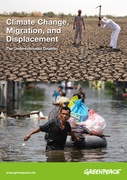
What at first glance appears to be simple causality – climate change leading to more and more migration – has triggered intense academic debate over the past ten years because the circumstances are complex. There is need for a thorough analysis in the ground between denying the problem and asser
...
ting immediate causality. In international relations, migration induced by climate change and environmental degradation is increasingly recognized as a problem, whether in the framework of international climate policy, international migration policy, development cooperation, or international crisis management. But considering the dimension of these major challenges, only small steps have been taken so far. The scope of the problem continues to be underestimated. Climate change is jeopardizing the livelihoods of more and more people. It is a risk multiplier. Although understanding of the connection between climate change and migration has increased, many questions have yet to be answered. We need more knowledge to better support the people affected.
more
HEARTS provides a set of locally adaptable tools for strengthening the
management of CVD in primary health care.
HEARTS is designed to enhance implementation of WHO PEN by providing:
• operational guidance on further integrating CVD management
• technical guidance on evaluating the impact of
...
CVD care on patient outcomes.
For countries not using WHO PEN, CVD management can still be integrated into
primary health care. The process of implementing HEARTS will vary, depending
on country context, and may require a significant reorienting and strengthening
of the health system. At some sites, existing CVD management services may be
reoriented toward a risk-based approach, while other sites may adopt a public
health approach, strengthening management of particular risk factors such as
hypertension. Whether or not introducing CVD management into primary care is a
new intervention, successful implementation will require engagement with national and local health planners, managers, service providers, and other stakeholders.
more
The National Action Plan for Combating Antibiotic-Resistant Bacteria (CARB), 2020-2025, presents
coordinated, strategic actions that the United States Government will take in the next five years to improve the health and wellbeing of all Americans by changing the course of antibiotic resistance.
T
...
his Plan is based on the U.S. Government’s 2014 National Strategy for CARB, and builds on the first National Action Plan released in 2015 by expanding evidence-based activities that have already been shown to reduce antibiotic resistance, such as optimizing the use of antibiotics in human and animal health settings.
more

Antibiotics and other antimicrobial agents are invaluable life savers, particularly in resource-limited countries where infectious diseases are abundant. Both uncomplicated and severe infections are potentially curable as long as the aetiological agents are susceptible to the
...
antimicrobial drugs. The rapid rate with which antimicrobial agents are becoming ineffective due to resistance acquired as a result of unchecked overuse and misuse threatens to undo the benefit of controlling infections. The evidence for resistant microorganisms, many times to more than a single antimicrobial agent, has been observed globally. In Tanzania, there is evidence in the form of few scattered studies conducted in different parts of the country in a multitude of settings including health care facilities, the community, domesticated animals and wild animals
more
It is too early to know the full impact of COVID-19 on Africa. To date the experience has been varied. There are causes for concern, but also reasons for hope. Early estimates were pessimistic regarding the pandemic’s impact on the continent. But the relatively low numbers of COVID-19 cases report
...
ed thus far have raised hopes that African countries may be spared the worst of the pandemic. While the virus is present in all African countries, most countries have recorded fewer than 1,000 cases. The African Union acted swiftly, endorsing a joint continental strategy in February, and complementing efforts by Member States and Regional Economic Communities by providing a public health platform.
more
The European Commission against Racism and Intolerance (ECRI) was established by the Council of Europe. It is an independent body which ensures respect for human rights in the fight against racism, discrimination (based on "race", ethnic/national origin, colour, nationality, religion, language, sexu
...
al orientation and gender identity), xenophobia, anti-Semitism and intolerance. The members of the Commission shall be independent and impartial. They shall be appointed on the basis of their moral authority and recognised expertise in matters of racism, xenophobia, anti-Semitism and intolerance. As part of its statutory mandate, ECRI produces country reports for each country which analyse the situation regarding racism and intolerance in each member State of the Council of Europe and make proposals to resolve the problems identified.
Translated with www.DeepL.com/Translator (free version)
more
The Quality Criteria for Health National Adaptation Plans (HNAPs) presents examples of good practice in HNAP development to assist countries in developing a comprehensive, feasible and implementable plan. The criteria are also intended to guide countries in setting the foundation for a long-term ite
...
rative HNAP process. The proposed criteria are not prescriptive and should be adapted to dynamic country contexts, uncertain and changing climatic conditions, and new knowledge and technologies.
9 February 2021
more

This report aims to support countries in the necessary transition toward healthier, more sustainable diets by integrating biodiversity in food-based interventions to support nutrition and health. It is intended to help guide decision-makers in the health, nutrition and other sectors, to:
Consider
...
the important role of biodiversity in food systems for the development of integrated interventions to support healthy, diverse and sustainable diets;
To focus investments and country support for more comprehensive, coordinated and cross-cutting public health and nutrition projects and policies; and
To strengthen the resilience of food systems, health systems, and societies, each of which are each increasingly compromised by widespread ecological degradation, biodiversity loss and climate change.
Biodiversity at every level (genetic, species and ecosystem level) is a foundational pillar for food security, nutrition, and dietary quality. It is the basic source of variety in essential foods, nutrients, vitamins and minerals, and medicines, and underpins life-sustaining ecosystem services. It is a core environmental determinant of health, often a vital ingredient of healthy nutritional outcomes and livelihoods, gender equality, social equity, and other health determinants.
Biodiversity can play a more prominent role in planning for nutritional outcomes in various ways, e.g. by facilitating the production of nutritious fruits and plant products, sustaining livelihoods through more efficient production and increasing the diversity of products available in markets. This Guidance presents and expands on six core building blocks for mainstreaming biodiversity for nutrition and health:
Cross-sectoral knowledge development and knowledge co-production;
Enabling environments;
Integration;
Conservation and the wider use of biodiversity;
Education and awareness-raising;
Monitoring and evaluation;
This WHO report builds on an unprecedented opportunity to mainstream biodiversity in order to support healthy and sustainable diets, and offers the necessary technical guidance to catalyze and support a transformation of the global food system and transition to healthier, more sustainable diets.
more
