
Filter
817
Text search:
International
Food
Policy
Research
Institute
Featured
Recommendations
60
New Publications
208
Language
Document type
No document type
414
Studies & Reports
211
Guidelines
75
Strategic & Response Plan
40
Manuals
38
Fact sheets
14
Training Material
11
Resource Platforms
5
Situation Updates
4
Brochures
2
App
1
Infographics
1
Online Courses
1
Countries / Regions
Global
37
Kenya
31
India
23
Nepal
21
Latin America and the Carribbean
19
Liberia
16
Myanmar / Burma
16
South Africa
15
Uganda
14
Zambia
14
Ghana
13
Western and Central Europe
13
Ethiopia
12
Syria
12
Tanzania
12
Rwanda
12
Malawi
11
Philippines
10
Africa
9
Sierra Leone
7
Nigeria
7
Bangladesh
7
South–East Asia Region
7
Indonesia
6
South Sudan
5
Brazil
5
Eastern Europe
5
Lebanon
4
Cambodia
4
Namibia
4
Yemen
4
West and Central Africa
4
Asia
4
Vietnam
4
Guinea
3
Congo, Democratic Republic of
3
USA
3
Zimbabwe
3
Haiti
3
Mozambique
3
Sudan
3
East and Southern Africa
3
Middle East and North Africa
3
Venezuela
3
Tajikistan
3
Russia
3
Iran
3
Burkina Faso
2
Senegal
2
Mali
2
Cameroon
2
Pakistan
2
Jordan
2
Afghanistan
2
Germany
2
Turkey
2
China
2
North Macedonia
2
Croatia
2
Ukraine
2
Lesotho
2
Bhutan
2
Moldova
2
Kazakhstan
2
Turkmenistan
2
Portugal
2
Spain
2
Niger
1
Thailand
1
Papua New Guinea
1
Benin
1
Central African Republic
1
Peru
1
Serbia
1
Hungary
1
Botswana
1
Greece
1
Sri Lanka
1
Chile
1
Western Pacific Region
1
Eastern Europe and Central Asia
1
Poland
1
Southern Africa
1
Laos
1
Estonia
1
Kyrgyzstan
1
North America
1
Japan
1
Denmark
1
France
1
Mauritius
1
United Kingdom
1
Azerbaijan
1
Bosnia and Herzegovina
1
Authors & Publishers
Publication Years
Category
Countries
302
Key Resources
69
Women & Child Health
50
Public Health
44
Clinical Guidelines
44
Capacity Building
10
Pharmacy & Technologies
8
Toolboxes
Planetary Health
85
COVID-19
60
HIV
49
Mental Health
49
AMR
42
TB
41
Global Health Education
28
Disability
25
Conflict
21
Refugee
21
Caregiver
19
Ebola & Marburg
15
NCDs
15
NTDs
14
Natural Hazards
11
Rapid Response
11
Specific Hazards
9
2.0 Rapid Response
9
Pharmacy
8
Health Financing Toolbox
8
Social Ethics
6
Cholera
4
Malaria
4
Polio
3
Zika
3
Typhoon
1
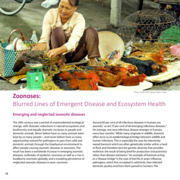
The 20th century was a period of unprecedented ecological change, with dramatic reductions in natural ecosystems and biodiversity and equally dramatic increases in people and domestic animals. Never before have so many animals been kept by so many people—and never before have so many opportunities
...
In support of the African decade of disabled persons | 1st January 199 - 31st of December 2009
WHO mhGAP Guideline update
recommended
Update of the Mental Health Gap Action Programme
(mhGAP) Guideline for Mental, Neurological and Substance use Disorders May 2015
Interim Guidance October 2022. This addendum addresses some of the methodological aspects of VE evaluations that have been learned during the past year, as well as those that have become relevant in the current epidemiological setting of the COVID-19 pandemic. For some of the COVID-19 vaccine method
...

Vitamin A deficiency is a risk factor for blindness and for mortality from measles and diarrhoea in children aged 6–59 months. We aimed to estimate trends in the prevalence of vitamin A defi ciency between 1991 and 2013 and its mortality burden in low-income and middle-income countries.
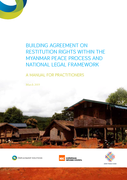
This manual outlines proposals for the insertion of housing, land and property restitution rights simultaneously within the context of the ongoing peace process and within broader national legal reform efforts, including work towards a national land law. The paper begins by emphasising that many cou
...

This publication is a compendium of 49 country examples highlighting efforts in improving refugees’ and migrants’ health following the adoption of the WHO Global Action Plan on Promoting the health of refugees and migrants at the seventy-second World Health Assembly, in May 2019.
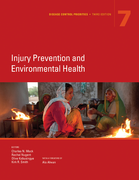
The substantial burden of death and disability that results from interpersonal violence, road traffic injuries, unintentional injuries, occupational health risks, air pollution, climate change, and inadequate water and sanitation falls disproportionally on low- and middle-income countries. Injury Pr
...


Biodiversity and Health in the Face of Climate Change pp 47–66
This chapter reviews the emerging importance of pollen allergies in relation to ongoing climate change. Allergic diseases have been increasing in prevalence over the last decades, partly as the result of the impact of climate change.
...
Technical Brief
The power relations around global decisions which shape population health can be changed through new alliances and information flows. The Democratising Global Health Governance Initiative, of which WHO Watch is a project, is designed to contribute to improved population health (and health equity) th
...
