
Filter
5186
Text search:
policy
priority
Featured
481
1483
Language
5081
112
89
71
54
39
29
10
6
5
5
4
4
4
3
3
3
3
3
3
2
2
2
2
2
2
2
2
2
2
2
1
1
1
1
1
1
1
1
1
1
1
1
1
1
1
1
1
1
1
1
1
1
1
1
1
1
Document type
2653
996
701
337
299
82
68
28
10
6
2
1
1
Countries
284
177
176
130
125
121
110
109
106
103
100
98
90
88
81
79
79
76
67
64
58
49
45
44
43
41
38
35
34
33
33
32
30
27
27
26
26
24
24
23
21
21
19
19
19
16
16
15
14
13
13
13
13
13
12
12
11
10
10
10
10
9
9
9
9
9
8
8
8
8
7
7
6
6
5
5
5
4
4
4
4
4
4
4
4
4
4
3
3
3
3
3
3
3
3
3
3
3
3
3
2
2
2
2
2
2
2
2
2
2
2
2
2
2
2
2
2
2
2
2
2
2
1
1
1
1
1
1
1
1
1
1
1
1
1
1
1
1
1
1
1
1
1
1
1
1
1
1
1
Authors & Publishers
819
213
156
150
150
95
74
73
65
35
33
29
28
23
23
23
22
22
21
20
19
19
19
18
17
17
17
16
16
16
16
16
15
15
15
14
14
14
13
13
13
13
13
13
13
12
12
12
12
12
12
12
12
11
11
11
11
10
10
10
10
10
10
10
10
9
9
9
9
9
9
9
9
9
9
9
9
9
8
8
8
8
8
8
8
8
7
7
7
7
7
7
7
7
7
7
7
7
7
7
7
7
7
7
7
6
6
6
6
6
6
6
6
6
6
6
6
6
6
6
6
6
6
6
6
6
6
6
5
5
5
5
5
5
5
5
5
5
5
5
5
5
5
5
5
5
5
5
5
5
5
5
5
5
5
5
5
5
5
5
5
5
5
5
5
5
5
5
5
4
4
4
4
4
4
4
4
4
4
4
4
4
4
4
4
4
4
4
4
4
4
4
4
4
4
4
4
4
4
4
4
4
4
4
4
4
4
4
4
4
4
4
4
4
4
4
4
4
4
4
4
4
4
4
4
4
3
3
3
3
3
3
3
3
3
3
3
3
3
3
3
3
3
3
3
3
3
3
3
3
3
3
3
3
3
3
3
3
3
3
3
3
3
3
3
3
3
3
3
3
3
3
3
3
3
3
3
3
3
3
3
3
3
3
3
3
3
3
3
3
3
3
3
3
3
3
3
3
3
3
3
3
3
3
3
3
3
2
2
2
2
2
2
2
2
2
2
2
2
2
2
2
2
2
2
2
2
2
2
2
2
2
2
2
2
2
2
2
2
2
2
2
2
2
2
2
2
2
2
2
2
2
2
2
2
2
2
2
2
2
2
2
2
2
2
2
2
2
2
2
2
2
2
2
2
2
2
2
2
2
2
2
2
2
2
2
2
2
2
2
2
2
2
2
2
2
2
2
2
2
2
2
2
2
2
2
2
2
2
2
2
2
2
2
2
2
2
2
2
2
2
2
2
2
2
2
2
2
2
2
2
2
2
2
2
2
2
2
2
2
2
2
2
2
2
2
2
2
2
2
2
2
2
2
2
2
2
2
2
2
2
2
2
2
2
2
2
2
2
2
2
2
2
2
2
2
2
2
2
2
2
2
2
2
2
2
2
2
2
2
2
2
2
2
2
2
2
2
2
2
2
2
2
2
2
2
2
2
2
2
2
2
2
2
2
2
2
2
2
2
2
2
2
2
2
2
2
2
2
2
2
2
2
2
2
2
2
2
2
2
2
2
2
2
2
2
2
2
2
2
2
2
2
2
2
2
2
2
2
2
2
2
2
2
2
2
1
1
1
1
1
1
1
1
1
1
1
1
1
1
1
1
1
1
1
1
1
1
1
1
1
1
1
1
1
1
1
1
1
1
1
1
1
1
1
1
1
1
1
1
1
1
1
1
1
1
1
1
1
1
1
1
1
1
1
1
1
1
1
1
1
1
1
1
1
1
1
1
1
1
1
1
1
1
1
1
1
1
1
1
1
1
1
1
1
1
1
1
1
1
1
1
1
1
1
1
1
1
1
1
1
1
1
1
1
1
1
1
1
1
1
1
1
1
1
1
1
1
1
1
1
1
1
1
1
1
1
1
1
1
1
1
1
1
1
1
1
1
1
1
1
1
1
1
1
1
1
1
1
1
1
1
1
1
1
1
1
1
1
1
1
1
1
1
1
1
1
1
1
1
1
1
1
1
1
1
1
1
1
1
1
1
1
1
1
1
1
1
1
1
1
1
1
1
1
1
1
1
1
1
1
1
1
1
1
1
1
1
1
1
1
1
1
1
1
1
1
1
1
1
1
1
1
1
1
1
1
1
1
1
1
1
1
1
1
1
1
1
1
1
1
1
1
1
1
1
1
1
1
1
1
1
1
1
1
1
1
1
1
1
1
1
1
1
1
1
1
1
1
1
1
1
1
1
1
1
1
1
1
1
1
1
1
1
1
1
1
1
1
1
1
1
1
1
1
1
1
1
1
1
1
1
1
1
1
1
1
1
1
1
1
1
1
1
1
1
1
1
1
1
1
1
1
1
1
1
1
1
1
1
1
1
1
1
1
1
1
1
1
1
1
1
1
1
1
1
1
1
1
1
1
1
1
1
1
1
1
1
1
1
1
1
1
1
1
1
1
1
1
1
1
1
1
1
1
1
1
1
1
1
1
1
1
1
1
1
1
1
1
1
1
1
1
1
1
1
1
1
1
1
1
1
1
1
1
1
1
1
1
1
1
1
1
1
1
1
1
1
1
1
1
1
1
1
1
1
1
1
1
1
1
1
1
1
1
1
1
1
1
1
1
1
1
1
1
1
1
1
1
1
1
1
1
1
1
1
1
1
1
1
1
1
1
1
1
1
1
1
1
1
1
1
1
1
1
1
1
1
1
1
1
1
1
1
1
1
1
1
1
1
1
1
1
1
1
1
1
1
1
1
1
1
1
1
1
1
1
1
1
1
1
1
1
1
1
1
1
1
1
1
1
1
1
1
1
1
1
1
1
1
1
1
1
1
1
1
1
1
1
1
1
1
1
1
1
1
1
1
1
1
1
1
1
1
1
1
1
1
1
1
1
1
1
1
1
1
1
1
1
1
1
1
1
1
1
1
1
1
1
1
1
1
1
1
1
1
1
1
1
1
1
1
1
1
1
1
1
1
1
1
1
1
1
1
1
1
1
1
1
1
1
1
1
1
1
1
1
1
1
1
1
1
1
1
1
1
1
1
1
1
1
1
1
1
1
1
1
1
1
1
1
1
1
1
1
1
1
1
1
1
1
1
1
1
1
1
1
1
1
1
1
1
1
1
1
1
1
1
1
1
1
1
1
1
1
1
1
1
1
1
1
1
1
1
1
1
1
1
1
1
1
1
1
1
1
1
1
1
1
1
1
1
1
1
1
1
1
1
1
1
1
1
1
1
1
1
1
1
1
1
1
1
1
1
1
1
1
1
1
1
1
1
1
1
1
1
1
1
1
1
1
1
1
1
1
1
1
1
1
1
1
1
1
1
1
1
1
1
1
1
1
1
1
1
1
1
1
1
1
1
1
1
1
1
1
1
1
1
1
1
1
1
1
1
1
1
1
1
1
1
1
1
1
1
1
1
1
1
1
1
1
1
1
1
1
1
1
1
1
1
1
1
1
1
1
1
1
1
1
1
1
1
1
1
1
1
1
1
1
1
1
1
1
1
1
1
1
1
1
1
1
1
1
1
1
1
1
1
1
1
1
1
1
1
1
1
1
1
1
1
1
1
1
1
1
1
1
1
1
1
1
1
1
1
1
1
1
1
1
1
1
1
1
1
1
1
1
1
1
1
1
1
1
1
1
1
1
1
1
1
1
1
1
1
1
1
1
1
1
1
1
1
1
1
1
1
1
1
1
1
1
1
1
1
1
1
1
1
1
1
1
1
1
1
1
1
1
1
1
1
1
1
1
1
1
1
1
1
1
1
1
1
1
1
1
1
1
1
1
1
1
1
1
1
1
1
1
1
1
1
1
1
1
1
1
1
1
1
1
1
1
1
1
1
1
1
1
1
1
1
1
1
1
1
1
1
1
1
1
1
1
1
1
1
1
1
1
1
1
1
1
1
1
1
1
1
1
1
1
1
1
1
1
1
1
1
1
1
1
1
1
1
1
1
1
1
1
1
1
1
1
1
1
1
1
1
1
1
1
1
1
1
1
1
1
1
1
1
1
1
1
1
1
1
1
1
1
1
1
1
1
1
1
1
1
1
1
1
1
1
1
1
1
1
1
1
1
1
1
1
1
1
1
1
1
1
1
1
1
1
1
1
1
1
1
1
1
1
1
1
1
1
1
1
1
1
1
1
1
1
1
1
1
1
1
1
1
1
1
1
1
1
1
1
1
1
1
1
1
1
1
1
1
1
1
1
1
1
1
1
1
1
1
1
1
1
1
1
1
1
1
1
1
1
1
1
1
1
1
1
1
1
1
1
1
1
1
1
1
1
1
1
1
1
1
1
1
1
1
1
1
1
1
1
1
1
1
1
1
1
1
1
1
1
1
1
1
1
1
1
1
1
1
1
1
1
1
1
1
1
1
1
1
1
1
1
1
1
1
1
1
1
1
1
1
1
1
1
1
1
1
1
1
1
1
1
1
1
1
1
1
1
1
1
1
1
1
1
1
1
1
1
1
1
1
1
1
1
1
1
1
1
1
1
1
1
1
1
1
1
1
1
1
1
1
1
1
1
1
1
1
1
1
1
1
1
1
1
1
1
1
1
1
1
1
1
1
1
1
1
1
1
1
1
1
1
1
1
1
1
1
1
1
1
1
1
1
1
1
1
1
1
1
1
1
1
1
1
1
1
1
1
1
1
1
1
1
1
1
1
1
1
1
1
1
1
1
1
1
1
1
1
1
1
1
1
1
1
1
1
1
1
1
1
1
1
1
1
1
1
1
1
1
1
1
1
1
1
1
1
1
1
1
1
1
1
1
1
1
1
1
1
1
1
1
1
1
1
1
1
1
1
1
1
1
1
1
1
1
1
1
1
1
1
1
1
1
1
1
1
1
1
1
1
1
1
1
1
1
1
1
1
1
1
1
1
1
1
1
1
1
1
1
1
1
1
1
1
1
1
1
1
1
1
1
1
1
1
1
1
1
1
1
1
1
1
1
1
1
1
1
1
1
1
1
1
1
1
1
1
1
1
1
1
1
1
1
1
1
1
1
1
1
1
1
1
1
1
1
1
1
1
1
1
1
1
1
1
1
1
1
1
1
1
1
1
1
1
1
1
1
1
1
1
1
1
1
1
1
1
1
1
1
1
1
1
1
1
1
1
1
1
1
1
1
1
1
1
1
1
1
1
1
1
1
1
1
1
1
1
1
1
1
1
1
1
1
1
1
1
1
1
1
1
1
1
1
1
1
1
1
1
1
1
1
1
1
1
1
1
1
1
1
1
1
1
1
1
1
1
1
1
1
1
1
1
1
1
1
1
1
1
1
1
1
1
1
1
1
1
1
1
1
1
1
1
1
1
1
1
1
1
1
1
1
1
1
1
1
1
1
1
1
1
1
1
1
1
1
1
1
1
1
1
1
1
1
1
1
1
1
1
1
1
1
1
1
1
1
1
1
1
1
1
1
1
1
1
1
1
1
1
1
1
1
1
1
1
1
1
1
1
1
1
1
1
1
1
1
1
1
1
1
1
1
1
1
1
1
1
1
1
1
1
1
1
1
1
1
1
1
1
1
1
1
1
1
1
1
1
1
1
1
1
1
1
1
1
1
1
1
1
1
1
1
1
1
1
1
1
1
1
1
1
1
1
1
1
1
1
1
1
1
1
1
1
1
1
1
1
1
1
1
1
1
1
1
1
1
1
1
1
1
1
1
1
1
1
1
1
1
1
1
1
1
1
1
1
1
1
1
1
1
1
1
1
1
1
1
1
1
1
1
1
1
1
1
1
1
1
1
1
1
1
1
1
1
1
1
1
1
1
1
1
1
1
1
1
1
1
1
1
1
1
1
1
1
1
1
1
1
1
1
1
1
1
1
1
1
1
1
1
1
1
1
1
1
1
1
1
1
1
1
1
1
1
1
1
1
1
1
1
1
1
1
1
1
1
1
1
1
1
1
1
1
1
1
1
1
1
1
1
1
1
1
1
1
1
1
1
1
1
1
1
1
1
1
1
1
1
1
1
1
1
1
1
1
1
1
1
1
1
1
1
1
1
1
1
1
1
1
1
1
1
1
1
1
1
1
1
1
1
1
1
1
1
1
1
1
1
1
1
1
1
1
1
1
1
1
1
1
1
1
1
1
1
1
1
1
1
1
1
1
1
1
1
1
1
1
1
1
1
1
1
1
1
1
1
1
1
1
1
1
1
1
1
1
1
1
1
1
1
1
1
1
1
1
1
1
1
1
1
1
1
1
1
1
1
1
1
1
1
1
1
1
1
1
1
1
1
1
1
1
1
1
1
1
1
1
1
1
1
1
1
1
1
1
1
1
1
1
1
1
1
1
1
1
1
1
1
1
1
1
1
1
1
1
1
1
1
1
1
1
1
1
1
1
1
1
1
1
1
1
1
1
1
1
1
1
1
1
1
1
1
1
1
1
1
1
1
1
1
1
1
1
1
1
1
1
1
1
1
1
1
1
1
1
1
1
1
1
1
1
1
1
1
1
1
1
1
1
1
1
1
1
1
1
1
1
1
1
1
1
1
1
1
1
1
1
1
1
1
1
1
1
1
1
1
1
1
1
1
1
1
1
1
1
1
1
1
1
1
1
1
1
1
1
1
1
1
1
1
1
1
1
1
1
1
1
1
1
1
1
1
1
1
1
1
1
1
1
1
1
1
1
1
1
1
1
1
1
1
1
1
1
1
1
1
1
1
1
1
1
1
1
1
1
1
1
1
1
1
1
1
1
1
1
1
1
1
1
1
1
1
1
1
1
1
1
1
1
1
1
1
1
1
1
1
1
1
1
1
1
1
1
1
1
1
1
1
1
1
1
1
1
1
1
1
1
1
1
1
1
1
1
1
1
1
1
1
1
1
1
1
1
1
1
1
1
1
1
1
1
1
1
1
1
1
1
1
1
1
1
1
1
1
1
1
1
1
1
1
1
1
1
1
1
1
1
1
1
1
1
1
1
1
1
1
1
1
1
1
1
1
1
1
1
1
1
1
1
1
1
1
1
1
1
1
1
1
1
1
1
1
1
1
1
1
1
1
1
1
1
1
1
1
1
1
1
1
1
1
1
1
1
1
1
1
1
1
1
1
1
1
1
1
1
1
1
1
1
1
1
1
1
1
1
1
1
1
1
1
1
1
1
1
1
1
1
1
1
1
1
1
1
1
1
1
1
1
1
1
1
1
1
1
1
1
1
1
1
1
1
1
1
1
1
1
1
1
1
1
1
1
1
1
1
1
1
1
1
1
1
1
1
1
1
1
1
1
1
1
1
1
1
1
1
1
1
1
1
1
1
1
1
1
1
1
1
1
1
1
1
1
1
1
1
1
1
1
1
1
1
1
1
1
1
1
1
1
1
1
1
1
1
1
1
1
1
1
1
1
1
1
1
1
1
1
1
1
1
1
1
1
1
1
1
1
1
1
1
1
1
1
1
1
1
1
1
1
1
1
1
1
1
1
1
1
1
1
1
1
1
1
1
1
1
1
1
1
1
1
1
1
1
1
1
1
1
1
1
1
1
1
1
1
1
1
1
1
1
1
1
1
1
1
1
1
1
1
1
1
1
1
1
1
1
1
1
1
1
1
1
1
1
1
1
1
1
1
1
1
1
1
1
1
1
1
1
1
1
1
1
1
1
1
1
1
1
1
1
1
1
1
1
1
1
1
1
1
1
1
1
1
1
1
1
1
1
1
1
1
1
1
1
1
1
1
1
1
1
1
1
1
1
1
1
1
1
1
1
1
1
1
1
1
1
1
1
1
1
1
1
1
1
1
1
1
1
1
1
1
1
1
1
1
1
1
1
1
1
1
1
1
1
1
1
1
1
1
1
1
1
1
1
1
1
1
1
1
1
1
1
1
1
1
1
1
1
1
1
1
1
1
1
1
1
1
1
1
1
1
1
1
1
1
1
1
1
1
1
1
1
1
1
1
1
1
1
1
1
1
1
1
1
1
1
1
1
1
1
1
1
1
1
1
1
1
1
1
1
1
1
1
1
1
1
1
1
1
1
1
1
1
1
1
1
1
1
1
1
1
1
1
1
1
1
1
1
1
1
1
1
1
1
1
1
1
1
1
1
1
1
1
1
1
1
1
1
1
1
1
1
1
1
1
1
1
1
1
1
1
1
1
1
1
1
1
1
1
1
1
1
1
1
1
1
1
1
1
1
1
1
1
1
1
1
1
1
1
1
1
1
1
1
1
1
1
1
1
1
1
1
1
1
1
1
1
1
1
1
1
1
1
1
1
1
1
1
1
1
1
1
1
1
1
1
1
1
1
1
1
1
1
1
1
1
1
1
1
1
1
1
1
1
1
1
1
1
1
1
1
1
1
1
1
1
1
1
1
1
1
1
1
1
1
1
1
1
1
1
1
1
1
1
1
1
1
1
1
1
1
1
1
1
1
1
1
1
1
1
1
1
1
1
1
1
1
1
1
1
1
1
1
1
1
1
1
1
1
1
1
1
1
1
1
1
1
1
1
1
1
1
1
1
1
1
1
1
1
1
1
1
1
1
1
1
1
1
1
1
1
1
1
1
1
1
1
1
1
1
1
1
1
1
1
1
1
1
1
1
1
1
1
1
1
1
1
1
1
1
1
1
1
1
1
1
1
1
1
1
1
1
1
1
1
1
1
1
1
1
1
1
1
1
1
1
1
1
1
1
1
1
1
1
1
1
1
1
1
1
1
1
1
1
1
1
1
1
1
1
1
1
1
1
1
1
1
1
1
1
1
1
1
1
1
1
1
1
1
1
1
1
1
1
1
1
1
1
1
1
1
1
1
1
1
1
1
1
1
1
1
1
1
1
1
1
1
1
1
1
1
1
1
1
1
1
1
1
1
1
1
1
1
1
1
1
1
1
1
1
1
1
1
1
1
1
1
1
1
1
1
1
1
1
1
1
1
1
1
1
1
1
1
1
1
1
Publication Years
1641
3069
449
24
2
1
Category
2030
437
331
320
311
93
44
2
Toolboxes
384
353
247
228
227
195
182
153
147
127
124
104
101
99
97
94
90
71
70
68
32
25
22
21
17
2
1
WHO operational handbook on tuberculosis: module 4: treatment: tuberculosis care and support
recommended
The consolidated guidelines are complemented by an operational handbook which is designed to assist with implementation of the WHO recommendations by Member States, technical partners and others who are involved in the management of patients with DR-TB. The WHO Operational Handbook on Tuberculosis,
...
Module 4: Treatment - Drug-Resistant Tuberculosis Treatment provides practical guidance on how to put in place the recommendations at the scale needed to achieve national and global impact.
The document provides information on different aspects of care and support for TB patients. In particular, the handbook provides practical guidance on the implementation of the interventions that enable treatment adherence such as social support, treatment administration options, digital adherence technologies. The practical guidance also includes models of care for all TB patients, models of care for children and adolescents, integrated care for TB, HIV and comorbidities, engagement of private sector, managing of TB in health emergencies. This new practical handbook also includes two important chapters on health education and counselling, and palliative care for patients with TB.
more

Guidelines for Diagnosing and Managing Disseminated Histoplasmosis among People Living with HIV
recommended
Histoplasmosis is a disease caused by the fungus Histoplasma capsulatum. This disease is highly endemic in some regions of North America, Central America, and South America and is also reported in certain countries of Asia and Africa. It often affects people with impaired immunity, including people
...
living with HIV, among whom the most frequent clinical presentation is disseminated histoplasmosis. The symptoms of disseminated histoplasmosis are non-specific and may be indistinguishable from those of other infectious diseases, especially disseminated tuberculosis (TB), thus complicating diagnosis and treatment. Histoplasmosis is one of the most frequent opportunistic infections caused by fungal pathogens among people living with HIV in the Americas and may be responsible for 5–15% of AIDS-related deaths every year in this Region. These guidelines aim to provide recommendations for the diagnosis, treatment, and management of disseminated histoplasmosis in persons living with HIV
more

This Interim Guidance outlines how key public health and social measures needed to reduce the risk of COVID-19 spread and the impact of the disease can be adapted for use in low capacity and humanitarian settings. The recommendations outlined here need to be adjusted to the scale of transmission, co
...
ntext and resources, in order to achieve the objective of managing COVID-19, namely to reduce transmission and facilitate the detection and management of infected and exposed individuals within the population. The Guidance is intended for humanitarian and development actors of all operational levels working with communities ocal authorities involved in COVID-19 preparedness and response operations in these settings, in support of national and local governments and plans. Additional considerations for support to residents of urban informal settlements and slums are available in Annex 1.
more
Настоящее руководство «Клиническое ведение случаев COVID-19» базируется на
вышеуказанных стратегических приоритетах и адресовано клиницистам, участвующим в
оказаÐ
...
½ии помощи пациентам с подозреваемой или подтвержденной инфекцией COVID-19.
Оно не предназначено для того, чтобы заменить индивидуальное клиническое суждение или
консультацию специалиста, но призвано помочь клиническим работникам в обеспечении
наиболее эффективного ведения случаев. Повышенное внимание в настоящем руководстве
уделяется вопросам, касающимся особых и уязвимых групп населения, таких как дети,
пожилые люди и беременные женщины.
Interim guidance on clinical management COVID-19
more
In 2021, the humanitarian community continued to support those in need, placing protection at the centre of its response. Learning from and building on past efforts, humanitarian actors will continue to respond and adapt their response to the various shocks impacting populations in Cameroon, such as
...
violence against civilians, natural disasters, and epidemics, including the COVID-19 pandemic.
more
Neither a Turning Point Nor an Overall Determinant
Nine years into the (civil) war, Syria is in an extraordinarily poor position to confront the Covid-19 pandemic. Instead of the pandemic leading towards the uniting of local, regional, and international actors involved in Syria around a common purp
...
ose, con-flict dynamics have hampered an effective response to Covid-19. Yet, the pandemic is unlikely to become a decisive turning point in conflict dynamics or an overall deter-minant of its future trajectory.
more
This report outlines and analyses the implementation of the Bridge Builder Model. This is a two-way, capacity-sharing model aimed at bringing together local faith actors (LFAs) and international humanitarian actors to increase understanding, trust, coordination and collaboration.
Letter of the holy father
The COVID-19 pandemic has had an unprecedented impact on health care systems that, in many instances, worsened the already existing assistance gaps. When it comes to Latin America and Central America, this challenge adds to the consequences mass mobilizations have had in recent years, which have exc
...
eeded the national capacities to provide prompt assistance and social protection, particularly in the health care field. This pandemic has a direct impact on people on the move since the movement restriction policies and the lockdown and social distancing measures have reduced their ability to insert themselves into economic activities that were already precarious in many cases. Consequently, they have less access to food, housing, medicines and other essential consumer goods, and fewer possibilities of getting to their countries of destinati
more
In 1964 medical mission was challenged and called to define its distinctiveness and its special role in the context of that particular time. The consultation "Tuebingen I" clearly stated: "The Christian church has a specific task in the field of health and healing"1, and developed a conce
...
pt of wholeness and of the role of the congregation in health provision. 50 years later, the question of the proprium of Christian health services is again a very important one. At a time when governments, international non-governmental organizations and other philanthropic organizations participate in health care, the question has to be asked: What is the specific contribution of a Christian health service or ministry of healing? At a time when chronic disease challenges not only rich but now also poor countries, when infections like Ebola that for years were hidden in Africa pose a threat to the global situation, Christians have to reflect on the question of the proprium of Christian health care.
more
We will soon be piloting a project titled “Integrating Spirituality into Patient Care” that will form “spiritual care teams” to assess and address patients’ spiritual needs in physician outpatient practices within Adventist Health System, the largest Protestant healthcare system
...
in the United States.This paper describes the goals, the rationale, and the structure of the spiritual care teams that will soon be implemented, and discusses the barriers to providing spiritual care that health professionals are likely to encounter.Spiritual care teams may operate in an outpatient or an inpatient setting, and their purpose is to provide health professionals with resources necessary to practice whole person healthcare that includes spiritual care.We believe that this project will serve as a model forfaith-based health systems seeking to visibly demonstrate their mission in a way that makes them unique and expresses their values.Not only does this model have the potential to be cost-effective, but also the capacity to increase the quality of patient care and the satisfaction that health professionals derive from providing care.If successful, this model could spread beyond faith-based systems to secular systems as well both in the U.S. and worldwide.
more
Our spiritual health profoundly impacts our physical health, well-being, and quality of life. Just as medical professionals care for our bodies and minds, spiritual care practitioners care for our spirits. The increasing need for spiritual care makes these practitioners even more crucial. However, m
...
any of us have limited access to quality, professional spiritual care. At times of struggle, this lack of spiritual care can have a negative impact on our health and well-being.Investigators and researchers are creating a growing body of evidence for the innumerable benefits of professional spiritual care, yet many people still do not have a lot of accurate information about these practitioners. To create this publication, the six largest healthcare chaplaincy organizations in North America collaborated to share the facts about spiritual care and practitioners’ roles, training, and standards.By providing evidence and dispelling myths, the thousands of spiritual care practitioners represented by these organizations hope to increase access to spiritual care for the benefit of all.
accessed July 2020
more
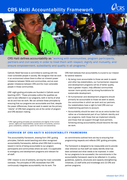
CRS Haiti defines accountability as “working with communities, program participants,
partners and civil society in order to treat them with respect, dignity and mutuality, and
ensure empowerment, subsidiarity and quality in all programs.”
Right now, we are facing an unpredictable and highly dynamic situation as a global community. However, as we have seen from the solidarity, support and power of communities in the HIV epidemic and already in communities responding to the COVID-19 pandemic, the response must not be fear and stigma. W
...
e need to build a culture of solidarity, trust and kindness. Our response to COVID-19 must be grounded in the realities of people’s lives and focused on eliminating the barriers people face in being able to protect themselves and their communities. Empowerment and guidance, rather than restrictions, can ensure that people can act without fear of losing their livelihood, sufficient food being on the table and the respect of their community. Ultimately it will give us a more effective, humane and sustainable response to the epidemic.
more
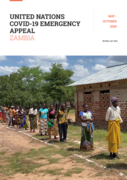
The Government of Republic of Zambia reported the first confirmed cases of COVID-19 on 18th March 2020. As of April 27th, 2020, there were 89 confirmed cases, three deaths and 42 recoveries. Confirmed cases are located in three provinces: Lusaka (83 cases), Copperbelt province (5 cases) and Central
...
(1 case). Zambia introduced a series of measures including closure of three international airports, closure of all schools, movement restrictions and closure of non-essential services such as restaurant, bar, gym and public gatherings to curb the transmission rate.
more
with focus on the aspects important for Catholic Social Teaching-driven management
The Journal of Catholic Social Thought and Secular Ethics
Volume 1, Issue 1, Article 4 Res
The WHO Guidance for Conducting a Country COVID-19 Intra-Action Review (IAR) was developed to guide countries to conduct periodic review(s) of their national and subnational COVID-19 response, so countries do not miss critical opportunities for learning and improvement to better respond to the COVID
...
-19 outbreak in their countries, especially as the possibility of a protracted pandemic becomes increasingly probable. The IAR is a country-led facilitated process conducted during the COVID-19 outbreak in-country, bringing together a small group of COVID-19 responders with knowledge of the public health response pillars under review. Although IARs can be conducted online or face-to-face, the online format is recommended, especially if community transmission remains high in the country. The IAR will identify practical areas for immediate remediation and sustained improvement of the ongoing response.
more
