
Filter
4480
Text search:
security
management
Featured
415
1338
Language
4329
127
90
68
59
41
31
27
7
7
6
6
5
5
5
4
4
4
4
3
3
3
3
3
3
3
3
3
3
3
2
2
2
2
2
2
2
2
2
2
2
1
1
1
1
1
1
1
1
1
1
1
1
1
Document type
2276
857
559
282
275
75
71
62
9
5
5
2
1
1
Countries
219
145
129
124
121
112
102
99
96
95
93
76
74
73
70
61
59
57
57
56
56
52
50
45
41
38
37
35
34
33
32
28
27
27
26
26
25
25
25
24
24
23
21
21
19
19
18
17
17
17
17
16
15
14
14
13
13
12
12
11
11
11
11
10
9
9
9
9
8
8
8
8
7
7
7
5
5
5
5
5
4
4
4
4
3
3
3
3
3
3
3
3
3
3
3
3
3
2
2
2
2
2
2
2
2
2
2
2
2
2
2
2
2
2
1
1
1
1
1
1
1
1
1
1
1
1
1
1
1
1
1
1
1
1
1
1
1
1
1
1
1
Authors & Publishers
559
142
121
97
96
95
58
53
50
44
41
31
29
28
26
25
24
24
23
22
22
21
21
20
20
20
20
19
17
17
16
16
15
15
15
15
14
14
14
14
13
13
13
12
12
12
12
12
12
12
11
11
11
11
10
10
10
10
10
10
10
10
10
10
9
9
9
9
9
9
8
8
8
8
8
8
8
8
8
8
8
7
7
7
7
7
7
7
7
7
7
7
7
7
7
7
7
6
6
6
6
6
6
6
6
6
6
6
6
6
6
6
6
5
5
5
5
5
5
5
5
5
5
5
5
5
5
5
5
5
5
5
5
5
5
5
5
5
5
5
5
4
4
4
4
4
4
4
4
4
4
4
4
4
4
4
4
4
4
4
4
4
4
4
4
4
4
4
4
4
4
4
4
4
4
4
4
4
4
4
4
4
4
4
4
4
4
4
4
4
4
3
3
3
3
3
3
3
3
3
3
3
3
3
3
3
3
3
3
3
3
3
3
3
3
3
3
3
3
3
3
3
3
3
3
3
3
3
3
3
3
3
3
3
3
3
3
3
3
3
3
3
3
3
3
3
3
3
3
3
3
3
3
3
3
3
3
3
3
3
3
3
3
3
3
3
3
3
3
3
3
3
3
3
3
3
3
3
3
3
3
3
3
3
3
3
3
3
3
3
3
3
3
3
2
2
2
2
2
2
2
2
2
2
2
2
2
2
2
2
2
2
2
2
2
2
2
2
2
2
2
2
2
2
2
2
2
2
2
2
2
2
2
2
2
2
2
2
2
2
2
2
2
2
2
2
2
2
2
2
2
2
2
2
2
2
2
2
2
2
2
2
2
2
2
2
2
2
2
2
2
2
2
2
2
2
2
2
2
2
2
2
2
2
2
2
2
2
2
2
2
2
2
2
2
2
2
2
2
2
2
2
2
2
2
2
2
2
2
2
2
2
2
2
2
2
2
2
2
2
2
2
2
2
2
2
2
2
2
2
2
2
2
2
2
2
2
2
2
2
2
2
2
2
2
2
2
2
2
2
2
2
2
2
2
2
2
2
2
2
2
2
2
2
2
2
2
2
2
2
2
2
2
2
2
2
2
2
2
2
2
2
2
2
2
2
2
2
2
2
2
2
2
2
2
2
2
2
2
2
2
2
2
2
2
2
2
2
2
2
2
2
2
2
2
2
2
2
2
2
2
2
2
2
2
2
2
2
2
2
1
1
1
1
1
1
1
1
1
1
1
1
1
1
1
1
1
1
1
1
1
1
1
1
1
1
1
1
1
1
1
1
1
1
1
1
1
1
1
1
1
1
1
1
1
1
1
1
1
1
1
1
1
1
1
1
1
1
1
1
1
1
1
1
1
1
1
1
1
1
1
1
1
1
1
1
1
1
1
1
1
1
1
1
1
1
1
1
1
1
1
1
1
1
1
1
1
1
1
1
1
1
1
1
1
1
1
1
1
1
1
1
1
1
1
1
1
1
1
1
1
1
1
1
1
1
1
1
1
1
1
1
1
1
1
1
1
1
1
1
1
1
1
1
1
1
1
1
1
1
1
1
1
1
1
1
1
1
1
1
1
1
1
1
1
1
1
1
1
1
1
1
1
1
1
1
1
1
1
1
1
1
1
1
1
1
1
1
1
1
1
1
1
1
1
1
1
1
1
1
1
1
1
1
1
1
1
1
1
1
1
1
1
1
1
1
1
1
1
1
1
1
1
1
1
1
1
1
1
1
1
1
1
1
1
1
1
1
1
1
1
1
1
1
1
1
1
1
1
1
1
1
1
1
1
1
1
1
1
1
1
1
1
1
1
1
1
1
1
1
1
1
1
1
1
1
1
1
1
1
1
1
1
1
1
1
1
1
1
1
1
1
1
1
1
1
1
1
1
1
1
1
1
1
1
1
1
1
1
1
1
1
1
1
1
1
1
1
1
1
1
1
1
1
1
1
1
1
1
1
1
1
1
1
1
1
1
1
1
1
1
1
1
1
1
1
1
1
1
1
1
1
1
1
1
1
1
1
1
1
1
1
1
1
1
1
1
1
1
1
1
1
1
1
1
1
1
1
1
1
1
1
1
1
1
1
1
1
1
1
1
1
1
1
1
1
1
1
1
1
1
1
1
1
1
1
1
1
1
1
1
1
1
1
1
1
1
1
1
1
1
1
1
1
1
1
1
1
1
1
1
1
1
1
1
1
1
1
1
1
1
1
1
1
1
1
1
1
1
1
1
1
1
1
1
1
1
1
1
1
1
1
1
1
1
1
1
1
1
1
1
1
1
1
1
1
1
1
1
1
1
1
1
1
1
1
1
1
1
1
1
1
1
1
1
1
1
1
1
1
1
1
1
1
1
1
1
1
1
1
1
1
1
1
1
1
1
1
1
1
1
1
1
1
1
1
1
1
1
1
1
1
1
1
1
1
1
1
1
1
1
1
1
1
1
1
1
1
1
1
1
1
1
1
1
1
1
1
1
1
1
1
1
1
1
1
1
1
1
1
1
1
1
1
1
1
1
1
1
1
1
1
1
1
1
1
1
1
1
1
1
1
1
1
1
1
1
1
1
1
1
1
1
1
1
1
1
1
1
1
1
1
1
1
1
1
1
1
1
1
1
1
1
1
1
1
1
1
1
1
1
1
1
1
1
1
1
1
1
1
1
1
1
1
1
1
1
1
1
1
1
1
1
1
1
1
1
1
1
1
1
1
1
1
1
1
1
1
1
1
1
1
1
1
1
1
1
1
1
1
1
1
1
1
1
1
1
1
1
1
1
1
1
1
1
1
1
1
1
1
1
1
1
1
1
1
1
1
1
1
1
1
1
1
1
1
1
1
1
1
1
1
1
1
1
1
1
1
1
1
1
1
1
1
1
1
1
1
1
1
1
1
1
1
1
1
1
1
1
1
1
1
1
1
1
1
1
1
1
1
1
1
1
1
1
1
1
1
1
1
1
1
1
1
1
1
1
1
1
1
1
1
1
1
1
1
1
1
1
1
1
1
1
1
1
1
1
1
1
1
1
1
1
1
1
1
1
1
1
1
1
1
1
1
1
1
1
1
1
1
1
1
1
1
1
1
1
1
1
1
1
1
1
1
1
1
1
1
1
1
1
1
1
1
1
1
1
1
1
1
1
1
1
1
1
1
1
1
1
1
1
1
1
1
1
1
1
1
1
1
1
1
1
1
1
1
1
1
1
1
1
1
1
1
1
1
1
1
1
1
1
1
1
1
1
1
1
1
1
1
1
1
1
1
1
1
1
1
1
1
1
1
1
1
1
1
1
1
1
1
1
1
1
1
1
1
1
1
1
1
1
1
1
1
1
1
1
1
1
1
1
1
1
1
1
1
1
1
1
1
1
1
1
1
1
1
1
1
1
1
1
1
1
1
1
1
1
1
1
1
1
1
1
1
1
1
1
1
1
1
1
1
1
1
1
1
1
1
1
1
1
1
1
1
1
1
1
1
1
1
1
1
1
1
1
1
1
1
1
1
1
1
1
1
1
1
1
1
1
1
1
1
1
1
1
1
1
1
1
1
1
1
1
1
1
1
1
1
1
1
1
1
1
1
1
1
1
1
1
1
1
1
1
1
1
1
1
1
1
1
1
1
1
1
1
1
1
1
1
1
1
1
1
1
1
1
1
1
1
1
1
1
1
1
1
1
1
1
1
1
1
1
1
1
1
1
1
1
1
1
1
1
1
1
1
1
1
1
1
1
1
1
1
1
1
1
1
1
1
1
1
1
1
1
1
1
1
1
1
1
1
1
1
1
1
1
1
1
1
1
1
1
1
1
1
1
1
1
1
1
1
1
1
1
1
1
1
1
1
1
1
1
1
1
1
1
1
1
1
1
1
1
1
1
1
1
1
1
1
1
1
1
1
1
1
1
1
1
1
1
1
1
1
1
1
1
1
1
1
1
1
1
1
1
1
1
1
1
1
1
1
1
1
1
1
1
1
1
1
1
1
1
1
1
1
1
1
1
1
1
1
1
1
1
1
1
1
1
1
1
1
1
1
1
1
1
1
1
1
1
1
1
1
1
1
1
1
1
1
1
1
1
1
1
1
1
1
1
1
1
1
1
1
1
1
1
1
1
1
1
1
1
1
1
1
1
1
1
1
1
1
1
1
1
1
1
1
1
1
1
1
1
1
1
1
1
1
1
1
1
1
1
1
1
1
1
1
1
1
1
1
1
1
1
1
1
1
1
1
1
1
1
1
1
1
1
1
1
1
1
1
1
1
1
1
1
1
1
1
1
1
1
1
1
1
1
1
1
1
1
1
1
1
1
1
1
1
1
1
1
1
1
1
1
1
1
1
1
1
1
1
1
1
1
1
1
1
1
1
1
1
1
1
1
1
1
1
1
1
1
1
1
1
1
1
1
1
1
1
1
1
1
1
1
1
1
1
1
1
1
1
1
1
1
1
1
1
1
1
1
1
1
1
1
1
1
1
1
1
1
1
1
1
1
1
1
1
1
1
1
1
1
1
1
1
1
1
1
1
1
1
1
1
1
1
1
1
1
1
1
1
1
1
1
1
1
1
1
1
1
1
1
1
1
1
1
1
1
1
1
1
1
1
1
1
1
1
1
1
1
1
1
1
1
1
1
1
1
1
1
1
1
1
1
1
1
1
1
1
1
1
1
1
1
1
1
1
1
1
1
1
1
1
1
1
1
1
1
1
1
1
1
1
1
1
1
1
1
1
1
1
1
1
1
1
1
1
1
1
1
1
1
1
1
1
1
1
1
1
1
1
1
1
1
1
1
1
1
1
1
1
1
1
1
1
1
1
1
1
1
1
1
1
1
1
1
1
1
1
1
1
1
1
1
1
1
1
1
1
1
1
1
1
1
1
1
1
1
1
1
1
1
1
1
1
1
1
1
1
1
1
1
1
1
1
1
1
1
1
1
1
1
1
1
1
1
1
1
1
1
1
1
1
1
1
1
1
1
1
1
1
1
1
1
1
1
1
1
1
1
1
1
1
1
1
1
1
1
1
1
1
1
1
1
1
1
1
1
1
1
1
1
1
1
1
1
1
1
1
1
1
1
1
1
1
1
1
1
1
1
1
1
1
1
1
1
1
1
1
1
1
1
1
1
1
1
1
1
1
1
1
1
1
1
1
1
1
1
1
1
1
1
1
1
1
1
1
1
1
1
1
1
1
1
1
1
1
1
1
1
1
1
1
1
1
1
1
1
1
1
1
1
1
1
1
1
1
1
1
1
1
1
1
1
1
1
1
1
1
1
1
1
1
1
1
1
1
1
1
1
1
1
1
1
1
1
1
1
1
1
1
1
1
1
1
1
1
1
1
1
1
1
1
1
1
1
1
1
1
1
1
1
1
1
1
1
1
1
1
1
1
1
1
1
1
1
1
1
1
1
1
1
1
1
1
1
1
1
1
1
1
1
1
1
1
1
1
1
1
1
1
1
1
1
1
1
1
1
1
1
1
1
1
1
1
1
1
1
1
1
1
1
1
1
1
1
1
1
1
1
1
1
1
1
1
1
1
1
1
1
1
1
1
1
1
1
1
1
1
1
1
1
1
1
1
1
1
1
1
1
1
1
1
1
1
1
1
1
1
1
1
1
1
1
1
1
1
1
1
1
1
1
1
1
1
1
1
1
1
1
1
1
1
1
1
1
1
1
1
1
1
1
1
1
1
1
1
1
1
1
1
1
1
1
1
1
1
1
1
1
1
1
1
1
1
1
1
1
1
1
1
1
1
1
1
1
1
1
1
1
1
1
1
1
1
1
1
1
1
1
1
1
1
1
1
1
1
1
1
1
1
1
1
1
1
1
1
1
1
1
1
1
1
1
1
1
1
1
1
1
1
1
1
1
1
1
1
1
1
1
1
1
1
1
1
1
1
1
1
1
1
1
1
1
1
1
1
1
1
1
1
1
1
1
1
1
1
1
1
1
1
1
1
1
1
1
1
1
1
1
1
1
1
1
1
1
1
1
1
1
1
1
1
1
1
1
1
1
1
1
1
1
1
1
1
1
1
1
1
1
1
1
1
1
1
1
1
1
1
1
1
1
1
1
1
1
1
1
1
1
1
1
1
1
1
1
1
1
1
1
1
1
1
1
1
1
1
1
1
1
1
1
1
1
1
1
1
1
1
1
1
1
1
1
1
1
1
1
1
1
1
1
1
1
1
1
1
1
1
1
1
1
1
1
1
1
1
1
1
1
1
1
1
1
1
1
1
1
1
1
1
1
1
1
1
1
1
1
1
1
1
1
1
1
1
1
1
1
1
1
1
1
1
1
1
1
1
1
1
1
1
1
1
1
1
1
1
1
1
1
1
1
1
1
1
1
1
1
1
1
1
1
1
1
1
1
1
1
1
1
1
1
1
1
1
1
1
1
1
1
1
1
1
1
1
1
1
1
1
1
1
1
1
1
1
1
1
1
1
1
1
1
1
1
1
1
1
1
1
1
1
1
1
1
1
1
1
1
1
1
1
1
1
1
1
1
1
1
1
1
1
1
1
1
1
1
1
1
1
1
1
1
1
1
1
1
1
1
1
1
1
1
1
1
1
1
1
1
1
1
1
1
1
1
1
1
1
1
1
1
1
1
1
1
1
1
1
1
1
1
1
1
1
1
1
1
1
1
1
1
1
1
1
1
1
1
1
1
1
1
1
1
1
1
1
1
1
1
1
1
1
1
1
1
1
1
1
1
1
1
1
1
1
1
1
1
1
1
1
1
1
1
1
1
1
1
1
1
1
1
1
1
1
1
1
1
1
1
1
1
1
1
1
1
1
1
1
1
1
1
1
1
1
1
1
1
1
1
1
1
1
1
1
1
1
1
1
1
1
1
1
1
1
1
1
1
1
1
1
1
1
1
1
1
1
1
1
1
1
1
1
1
1
1
1
1
1
1
1
1
1
1
1
1
1
1
1
1
1
1
1
1
1
1
1
1
1
1
1
1
1
1
1
1
1
1
1
1
1
1
1
1
1
1
1
1
1
1
1
1
1
1
1
1
1
1
1
1
1
1
1
1
1
1
1
1
1
1
1
1
1
1
1
1
1
1
1
1
1
1
1
1
1
1
1
1
1
1
1
1
1
1
1
1
1
1
1
1
1
1
1
1
1
1
1
1
1
1
1
1
1
1
1
1
1
1
1
1
1
1
1
1
1
1
1
1
1
1
1
1
1
1
1
1
1
1
1
1
1
1
1
1
1
1
1
1
1
1
1
1
1
1
1
1
1
1
1
1
1
1
1
1
1
1
1
1
1
1
1
1
1
1
1
1
1
1
1
1
1
1
1
1
1
1
1
1
1
1
1
1
1
1
1
1
1
1
1
1
1
1
1
1
1
1
1
1
1
1
1
1
1
1
1
1
1
1
1
1
1
1
1
1
1
1
1
1
1
1
1
1
1
1
1
1
1
1
1
1
1
1
1
1
1
1
1
1
1
1
1
1
1
1
1
1
1
1
1
1
1
1
1
1
1
1
1
1
1
1
1
1
1
1
1
1
1
1
1
1
1
1
1
1
1
1
Publication Years
1476
2632
356
15
1
Category
1718
490
213
209
156
67
28
Toolboxes
368
286
266
264
196
158
150
142
130
127
122
115
110
98
90
71
70
61
45
38
34
33
27
20
17
12
2
This report seeks to uncover the extent to which global goals crowd in international financing, inform domestic policy priorities, and navigate progress toward development outcomes in low- and middle-income countries (LICs and MICs). Our report:
Provides a historical perspective on how ODA financin
...
g was aligned with the MDGs, and the perceived influence of global goals in shaping domestic priorities
Offers a baseline of ODA financing to the SDGs and a forward-looking perspective in translating past lessons learned from the MDGs era into actionable insights
Using a pilot methodology developed by AidData, we analyze ODA flows during the MDGs era (2000-2013) and approximate baseline financing for each goal prior to the adoption of Agenda 2030 in September 2015. The dataset used in the report, Financing to the SDGs, Version 1.0, provides project-level data on estimated Official Development Assistance (ODA) commitments to the 17 Sustainable Development Goals (SDGs) from 2000 to 2013. In this report, we also draw upon the responses of nearly 7,000 public, private, and civil society leaders from AidData’s novel 2014 Reform Efforts Survey to assess how national-level policymakers perceive the MDGs in light of their domestic reform priorities, and what this may mean for the SDGs.
more

The development of this draft Proposed programme budget 2022–2023 comes at a unique moment for WHO. The world is in the grip of the coronavirus disease (COVID-19) pandemic and faces health, social and economic consequences on an unprecedented scale. Although it is not known when the COVID-19 pande
...
mic will end, recent encouraging vaccine results, in addition to the examples of countries that have achieved good results through public health measures, hold out the prospect of better days ahead. The full impact of the pandemic cannot yet be determined. But whatever its implications, the Secretariat will rise to the challenge and is ready to adapt so that it is fully equipped to support Member States for any eventuality in the future – to make sure that the world will never again have to face this kind of crisis.
more

This report makes clear that there is a path to end AIDS. Taking that path will help ensure preparedness to address other pandemic challenges, and advance progress across the Sustainable Development Goals. The data and real-world examples in the report make it very clear what that path is. It is not
...
a mystery. It is a choice. Some leaders are already following the path—and succeeding. It is inspiring to note that Botswana, Eswatini, Rwanda, the United Republic of Tanzania and Zimbabwe have already achieved the 95–95–95 targets, and at least 16 other countries (including eight in sub-Saharan Africa) are close to doing so.
more

To support the achievement of health equity in the Region, the regional inter-agency movement Every Woman Every Child Latin America and the Caribbean (EWEC-LAC) advocates for and supports the use of equity and evidence-based policies, strategies and interventions to accelerate equitable progress in
...
the health of women, children and adolescents. Although progress has been made, great inequities persist. Women from the LAC region’s poorest countries are almost four times more likely to die due to complications during childbirth than those living in the wealthiest countries. Through the years, several tools, instruments and methods (TIMs) have been developed by global, regional and country partners that can be used to conduct systematic equity-based analyses and/or re-designs of health systems, programs, strategies and interventions. The main purpose of this document is to present an overview of existing TIMs that can be used by policymakers, program managers, development partners, nongovernmental organizations, academia and civil society partners to strengthen systematic identification, analysis and responding to social inequities in the health of women, children and adolescents in LAC. The TIMs included were identified through a systematic search process
more

Cholera is a major health risk in many parts of the world, affecting millions of people every year. Since mid-2021, the world has been facing an acute upsurge of the 7th cholera pandemic, which is characterized by the number, size and concurrence of multiple outbreaks, the spread to areas that had b
...
een free of cholera for decades and alarmingly high mortality rates. The mortality associated with these outbreaks is of particular concern as many countries have reported higher case fatality ratios (CFR) than in previous years
more
World Vision’s Gender Equality and Social Inclusion (GESI) approach actively strives to examine, question, and change harmful social norms and power imbalances as a means of reaching gender equality and social inclusion objectives in a programme area.
This reference guide is designed to help WASH
...
practitioners implement GESI-transformative WASH programmes by supporting change across all five GESI domains – access, decision-making, participation, systems, and well-being. It provides information on how to design, implement, monitor and evaluate a WASH project or programme to address GESI.
more

The World Health Organization (WHO) is releasing the second edition of its Global Accelerated Action for the Health of Adolescents (AA-HA!) guidance. The document aims to equip governments to respond to the health and well-being challenges, opportunities and needs of adolescents.
The guidance pro
...
vides the latest available data on adolescent health and well-being. It also outlines an updated list of core indicators that data should be collected on. Globally, road injury was the top cause of death for adolescent males in 2019. Among female adolescents, the leading causes of death were diarrhoeal diseases among the younger group (10-14 years) and tuberculosis (TB) in the older group (15-19 years).
Over the last 20 years, mortality rates have declined among adolescents globally, with the largest decline in older (15–19 years) adolescent girls. For non-fatal diseases, the burden has not improved over the past two decades, with the main causes of ill health in this category being: mental health conditions (depressive and anxiety disorders, childhood behavioural disorders), iron deficiency anaemia, skin diseases and migraine.
Adolescent well-being depends on a range of factors, including healthy food, education, life skills and employability, connectedness, feeling valued by society, safe and supportive environments, resilience, and the freedom to make choices. To take an appropriately holistic approach, the guidance outlines how to take crosscutting action to support adolescent health and well-being, with mutually reinforcing interventions across sectors, such as health, education, social protection, and telecommunications. Targeted efforts are also required to engage adolescents, as they trust health systems less than adults do and are especially vulnerable to modern-day trends, like online bullying and gaming.
more

WHO-OHCHR launch new guidance to improve laws addressing human rights abuses in mental health care
Ahead of World Mental Health Day, the World Health Organization (WHO) and the Office of the High Commissioner on Human Rights (OHCHR) are jointly launching a new guidance, entitled "Mental health, h
...
uman rights and legislation: guidance and practice", to support countries to reform legislation in order to end human rights abuses and increase access to quality mental health care.
Human rights abuses and coercive practices in mental health care, supported by existing legislation and policies, are still far too common. Involuntary hospitalization and treatment, unsanitary living conditions and physical, psychological, and emotional abuse characterize many mental health services across the world.
more
The Water and Sanitation for Health Facility Improvement Tool (WASH FIT) presents a framework and acts as a guide to support multisectoral action to improve water, sanitation and hygiene (WASH) in health care. Central to the WASH FIT methodology is training and incremental improvements.
Implementat
...
ion of WASH FIT requires six preparatory steps at the national level, one of which is conducting national sensitization and training of trainers, followed by facility-level training. At the facility level, step 1 (of five) involves establishing and training a WASH FIT team.
The WASH FIT methodology is outlined in WASH FIT: A practical guide for improving quality of care through water, sanitation and hygiene in health care facilities. Second edition. (the WASH FIT guide), which includes a set of templates designed to help users with each phase of the improvement cycle.
more

In In recent years, China has increased its international engagement in health. Nonetheless, the lack
of data on contributions has limited efforts to examine contributions from China. Existing estimates that track
development assistance for health (DAH) from China have relied primarily on one data
...
set. Furthermore, little is known
about the disbursing agencies especially the multilaterals through which contributions are disbursed and how these
are changing across time. In this study, we generated estimates of DAH from China from 2007 through 2017 and
disaggregated those estimates by disbursing agency and health focus area.
more

Reproductive health needs are particularly acute in countries affected by armed conflict. Reliable information
on aid investment for reproductive health in these countries is essential for improving the efficiency and effectiveness of
aid. The purpose of this study was to analyse official developm
...
ent assistance (ODA) for reproductive health activities in
conflict-affected countries from 2003 to 2006.
Methods and Findings: The Creditor Reporting Syst
more

Sound periodic programme reviews provide opportunities for countries to objectively assess progress and take corrective action to sustain or get back on track towards achieving their medium and long-term programme goals. It reflects people’s diverse needs, enables efficient use of health system re
...
sources and improves the predictability, sustainability and transparency of the programmes.
This publication provides guidance to countries on how to perform programme reviews for HIV, viral hepatitis and sexually transmitted infections in this dynamic health sector context. The guidance encourages integrated reviews across health programmes for more efficient use of health system resources. The welfare of populations to be served must be at the centre of health programme reviews, with the overarching resolve to protect and promote health as a human right.
This guidance is intended for use by all national partners, including health ministries, related ministries, civil society, affected communities and other stakeholders, for participatory and evidence-informed programme reviews.
more
Ukraine: Russian invasion has forced older people with disabilities to endure isolation and neglect – new report
Many temporary shelters inaccessible to people with physical disabilities
Overburdened care system often provides few alternatives to institutions for older people
Authorities
...
and humanitarian actors must ensure an inclusive response
Displaced older people with disabilities in Ukraine are physically and financially unable to access adequate housing and care amid Russia’s ongoing invasion, sometimes leaving few alternatives to being placed in residential institutions, Amnesty International said in a new report.
more
Pregnancy and childbirth during adolescence profoundly affects the lives of millions of girls worldwide, and is a leading cause of maternal mortality and morbidity, and infant and child mortality. Every year, an estimated 21 million girls aged 15–19 years old in low- and middle-income countries be
...
come pregnant, and approximately 12 million give birth.
For many adolescent girls, the ability to control their sexual lives remains limited. Long-standing gender inequalities and discrimination, marginalization, harmful social and gender norms, and denial of rights, compounded by poverty and violence, render them vulnerable to early pregnancy, HIV and other health threats. Lack of age-appropriate sexual and reproductive health and rights (SRHR) information and services create additional barriers to care and support; as a result, adolescent girls who become pregnant are much more likely to go on to have rapid repeated births.
more

This document lays out economic arguments for investing in the Access to COVID-19 Tools Accelerator (ACT-Accelerator). Framed within an overall context that recognizes the broader human health and societal impacts of the COVID-19 crisis, ACT-Accelerator's Economic Investment Case argues that investm
...
ent in ACT-Accelerator is the world’s best bet and most viable solution for restarting the global economy. It is intended for governments, multilaterals, civil society, businesses and foundations and all those interested in the work required to change the course of the pandemic. The global deployment of ACT-Accelerator’s comprehensive package of tools will reduce the severity of COVID-19 disease, enabling countries to transition out of the crisis thereby restarting domestic and international economic engines driving our global economy.
more
This report shows that increased domestic revenues can and will cover only part of the necessary SDG budget spending of the LIDCs. Achieving the SDGs in the LIDCs will also require increases of both Official Development Assistance (ODA) and Private Development Assistance (PDA) to reach aggregate lev
...
els of SDG-directed development aid on the order of US$300-400 billion USD per year
more
As a central component of the UNHCR Strategic Directions 2022-2026, UNHCR has identified eight focus areas for renewed attention and accelerated action, including Climate Action. This Focus Area Strategic Plan for Climate Action sets out a global roadmap for prioritized action, providing further cla
...
rity on UNHCR’s role and direct contribution, its asks of others, and the immediate actions the organization will take to be optimally calibrated to advance this agenda.
more
A global Pandemic, Preparedness and Response (RRR) architecture

A year ago, the second Special Session of the World Health Assembly (WHASS) unanimously agreed to start a diplomatic process for a new binding instrument aimed at ensuring the international community is better prepared for the next health emergencies. The establishment of an Intergovernmental Negoti
...
ating Body (INB) at the WHO paved the terrain for a proper negotiation, which has started to unfold. The INB will be releasing the “conceptual zero draft” of the treaty text in early December 2022.
more
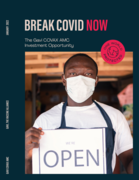
In April 2020, Gavi and COVAX joined the Access to COVID-19 Tools Accelerator (ACT-A) to provide equitable global access to COVID-19 vaccines to tackle the pandemic. In June 2020, the Gavi COVAX Advance Market Commitment (AMC) was launched to finance equitable access in 92 lower-income countries. Si
...
nce then, US$ 10 billion has been raised for the AMC to procure vaccines and support delivery. Despite a challenging supply situation, COVAX has now shipped one billion doses to 144 countries, including over 870 million to AMC economies.
more
