Filter
1428
Text search:
livelihood
Featured
114
512
Language
Document type
880
256
98
71
64
19
19
17
2
1
1
Countries / Regions
70
67
56
53
52
50
47
42
41
41
38
35
26
24
24
22
18
18
17
17
16
16
16
16
15
11
11
11
11
10
10
9
9
9
9
9
9
9
9
9
8
8
8
7
7
7
7
6
6
6
6
5
5
4
4
4
4
4
3
3
3
3
3
3
2
2
2
2
2
2
2
2
2
2
2
2
2
2
2
1
1
1
1
1
1
1
1
1
1
1
1
1
1
1
1
1
1
1
1
1
1
1
Authors & Publishers
Publication Years
Category
637
153
49
49
19
13
1
Toolboxes
132
130
128
105
91
67
53
47
44
30
24
18
11
9
8
7
7
7
5
4
2
2
2
2
2
1
Resource Kit for Field workers
As part of a wider organisational undertaking to better capture and communicate the effectiveness of its work, Oxfam developed an evaluative method to assess the quality of targeted humanitarian responses. This method uses a global humanitarian indicator tool which is intended to enable Oxfam GB to
...
This Toolkit is intended to guide humanitarian programme managers and healthcare providers to ensure that sexual and reproductive health interventions put into place both during and after a crisis are responsive to the unique needs of adolescents.
Available in: English, French, Chinese, Spanish, Russian, Arabic, Thai, Korean, Tajik, Vietnamese, Uzbek
http://www.who.int/disabilities/cbr/guidelines/en/
Available in: English, French, Chinese, Spanish, Russian, Arabic, Thai, Korean, Tajik, Vietnamese, Uzbek
http://www.who.int/disabilities/cbr/guidelines/en/
Available in: English, French, Chinese, Spanish, Russian, Arabic, Thai, Korean, Tajik, Vietnamese, Uzbek
http://www.who.int/disabilities/cbr/guidelines/en/
Available in: English, French, Chinese, Spanish, Russian, Arabic, Thai, Korean, Tajik, Vietnamese, Uzbek
http://www.who.int/disabilities/cbr/guidelines/en/
Case Studies on Building Resilience in the Horn of Africa
This guidance is intended for people designing /or implementing feedback mechanisms in a humanitarian programme. It also available in Arabic, Spanish and French

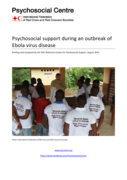
Briefing note prepared by the IFRC Reference Centre for Psychosocial Support, August 2014
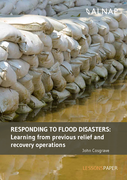
This paper presents lessons learned from previous flood responses in developing countries, based on a structured review of the literature. It is intended for people working in relief and recovery operations who have to decide if, when and how to intervene after a flood.