Filter
719
Text search:
UNESCO
Featured
42
176
Language
Document type
429
116
71
33
31
19
6
6
3
2
1
1
1
Countries
28
24
22
19
14
13
12
12
12
11
10
10
9
9
9
8
8
8
8
8
7
7
6
6
6
6
6
5
5
5
5
5
5
4
4
4
4
4
4
4
4
4
3
3
3
3
3
3
2
2
2
2
2
2
2
2
2
2
2
2
2
2
2
2
2
2
2
2
2
1
1
1
1
1
1
1
1
1
1
1
1
1
1
1
1
1
1
1
Authors & Publishers
Publication Years
Category
287
53
30
27
10
7
Toolboxes
169
102
34
31
28
17
16
13
11
8
8
7
6
5
5
5
4
3
2
2
2
1
1
1
As the Convention of the Rights of Children recognizes, children are human beings with a distinct set of rights, and not the passive objects of care and charity. They deserve to be full participants in society, and to live lives free of poverty. But for children, living in poverty is particularly im
...
Many groups in sub-Saharan Africa have historically linked persons with disabilities with witchcraft as a component of a wider link between accusations of witchcraft and socially marginalized populations. It is commonly assumed that traditional prejudices towards persons with disabilities are recedi
...


CBR Advisory Working Group | Co-ordinator: Karen Heinicke-Motsch
Volume 5 2017

Volume 2 - 2014

WHO published and launched the third part of the Wheelchair Service Training Package (WSTP) series consisting of two sub-packages: the Wheelchair Service Training Package for Managers (WSTPm) and the Wheelchair Service Training Package for Stakeholders (WSTPs). WHO recognises that in order to develo
...

…voices of persons with disabilities - Part 1

Kenya has great potential for enhancing education for individuals with intellectual disabilities. The fact that it has recognized the need to care for learners with special needs is commendable. In comparison to many African countries, Kenya and Nigeria are ahead in developing programs for special e
...
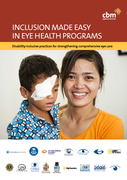
Disability inclusive practices for strengthening comprehensive eye care
02 - Series on Disability-Inclusive Development