
Filter
3059
Text search:
International
Health
Regulations
Featured
291
812
Language
2935
99
70
60
43
37
25
13
5
4
4
4
3
3
3
3
3
3
2
2
2
2
2
2
2
2
2
2
2
2
2
2
2
1
1
1
1
1
1
1
1
1
1
1
1
1
1
1
1
1
Document type
1389
608
507
222
185
58
35
26
13
5
4
4
Countries
163
94
84
73
72
68
64
63
62
54
53
48
48
46
46
41
38
37
35
32
31
29
29
29
28
25
24
23
21
20
19
18
17
17
16
16
16
16
15
15
15
14
13
13
12
12
12
11
11
11
11
10
10
9
8
8
8
8
7
7
7
7
6
6
5
5
5
5
5
4
4
4
4
4
3
3
3
3
3
3
3
3
3
3
3
3
3
3
3
3
3
3
3
3
2
2
2
2
2
2
2
2
2
2
2
2
2
2
1
1
1
1
1
1
1
1
1
1
1
1
1
1
1
1
1
1
1
1
1
1
1
Authors & Publishers
584
144
99
98
82
42
37
32
24
23
23
19
19
19
18
16
15
15
15
14
14
14
13
13
13
12
12
11
11
11
10
10
10
10
10
10
9
9
9
8
8
8
8
8
8
8
8
8
8
7
7
7
7
7
7
7
6
6
6
6
6
6
6
6
6
6
6
6
6
6
6
6
5
5
5
5
5
5
5
5
5
5
5
4
4
4
4
4
4
4
4
4
4
4
4
4
4
4
4
4
4
4
4
4
4
4
4
4
4
4
4
4
4
4
4
3
3
3
3
3
3
3
3
3
3
3
3
3
3
3
3
3
3
3
3
3
3
3
3
3
3
3
3
3
3
3
3
3
3
3
3
3
3
3
3
3
3
3
3
3
3
3
3
3
3
3
3
3
3
3
3
2
2
2
2
2
2
2
2
2
2
2
2
2
2
2
2
2
2
2
2
2
2
2
2
2
2
2
2
2
2
2
2
2
2
2
2
2
2
2
2
2
2
2
2
2
2
2
2
2
2
2
2
2
2
2
2
2
2
2
2
2
2
2
2
2
2
2
2
2
2
2
2
2
2
2
2
2
2
2
2
2
2
2
2
2
2
2
2
2
2
2
2
2
2
2
2
2
2
2
2
2
2
2
2
2
2
2
2
2
2
2
2
2
2
2
2
2
2
2
2
2
2
2
2
2
2
2
2
2
2
2
2
2
2
2
2
2
2
2
2
2
2
2
2
2
2
2
2
2
2
2
2
2
2
2
2
2
2
2
2
2
1
1
1
1
1
1
1
1
1
1
1
1
1
1
1
1
1
1
1
1
1
1
1
1
1
1
1
1
1
1
1
1
1
1
1
1
1
1
1
1
1
1
1
1
1
1
1
1
1
1
1
1
1
1
1
1
1
1
1
1
1
1
1
1
1
1
1
1
1
1
1
1
1
1
1
1
1
1
1
1
1
1
1
1
1
1
1
1
1
1
1
1
1
1
1
1
1
1
1
1
1
1
1
1
1
1
1
1
1
1
1
1
1
1
1
1
1
1
1
1
1
1
1
1
1
1
1
1
1
1
1
1
1
1
1
1
1
1
1
1
1
1
1
1
1
1
1
1
1
1
1
1
1
1
1
1
1
1
1
1
1
1
1
1
1
1
1
1
1
1
1
1
1
1
1
1
1
1
1
1
1
1
1
1
1
1
1
1
1
1
1
1
1
1
1
1
1
1
1
1
1
1
1
1
1
1
1
1
1
1
1
1
1
1
1
1
1
1
1
1
1
1
1
1
1
1
1
1
1
1
1
1
1
1
1
1
1
1
1
1
1
1
1
1
1
1
1
1
1
1
1
1
1
1
1
1
1
1
1
1
1
1
1
1
1
1
1
1
1
1
1
1
1
1
1
1
1
1
1
1
1
1
1
1
1
1
1
1
1
1
1
1
1
1
1
1
1
1
1
1
1
1
1
1
1
1
1
1
1
1
1
1
1
1
1
1
1
1
1
1
1
1
1
1
1
1
1
1
1
1
1
1
1
1
1
1
1
1
1
1
1
1
1
1
1
1
1
1
1
1
1
1
1
1
1
1
1
1
1
1
1
1
1
1
1
1
1
1
1
1
1
1
1
1
1
1
1
1
1
1
1
1
1
1
1
1
1
1
1
1
1
1
1
1
1
1
1
1
1
1
1
1
1
1
1
1
1
1
1
1
1
1
1
1
1
1
1
1
1
1
1
1
1
1
1
1
1
1
1
1
1
1
1
1
1
1
1
1
1
1
1
1
1
1
1
1
1
1
1
1
1
1
1
1
1
1
1
1
1
1
1
1
1
1
1
1
1
1
1
1
1
1
1
1
1
1
1
1
1
1
1
1
1
1
1
1
1
1
1
1
1
1
1
1
1
1
1
1
1
1
1
1
1
1
1
1
1
1
1
1
1
1
1
1
1
1
1
1
1
1
1
1
1
1
1
1
1
1
1
1
1
1
1
1
1
1
1
1
1
1
1
1
1
1
1
1
1
1
1
1
1
1
1
1
1
1
1
1
1
1
1
1
1
1
1
1
1
1
1
1
1
1
1
1
1
1
1
1
1
1
1
1
1
1
1
1
1
1
1
1
1
1
1
1
1
1
1
1
1
1
1
1
1
1
1
1
1
1
1
1
1
1
1
1
1
1
1
1
1
1
1
1
1
1
1
1
1
1
1
1
1
1
1
1
1
1
1
1
1
1
1
1
1
1
1
1
1
1
1
1
1
1
1
1
1
1
1
1
1
1
1
1
1
1
1
1
1
1
1
1
1
1
1
1
1
1
1
1
1
1
1
1
1
1
1
1
1
1
1
1
1
1
1
1
1
1
1
1
1
1
1
1
1
1
1
1
1
1
1
1
1
1
1
1
1
1
1
1
1
1
1
1
1
1
1
1
1
1
1
1
1
1
1
1
1
1
1
1
1
1
1
1
1
1
1
1
1
1
1
1
1
1
1
1
1
1
1
1
1
1
1
1
1
1
1
1
1
1
1
1
1
1
1
1
1
1
1
1
1
1
1
1
1
1
1
1
1
1
1
1
1
1
1
1
1
1
1
1
1
1
1
1
1
1
1
1
1
1
1
1
1
1
1
1
1
1
1
1
1
1
1
1
1
1
1
1
1
1
1
1
1
1
1
1
1
1
1
1
1
1
1
1
1
1
1
1
1
1
1
1
1
1
1
1
1
1
1
1
1
1
1
1
1
1
1
1
1
1
1
1
1
1
1
1
1
1
1
1
1
1
1
1
1
1
1
1
1
1
1
1
1
1
1
1
1
1
1
1
1
1
1
1
1
1
1
1
1
1
1
1
1
1
1
1
1
1
1
1
1
1
1
1
1
1
1
1
1
1
1
1
1
1
1
1
1
1
1
1
1
1
1
1
1
1
1
1
1
1
1
1
1
1
1
1
1
1
1
1
1
1
1
1
1
1
1
1
1
1
1
1
1
1
1
1
1
1
1
1
1
1
1
1
1
1
1
1
1
1
1
1
1
1
1
1
1
1
1
1
1
1
1
1
1
1
1
1
1
1
1
1
1
1
1
1
1
1
1
1
1
1
1
1
1
1
1
1
1
1
1
1
1
1
1
1
1
1
1
1
1
1
1
1
1
1
1
1
1
1
1
1
1
1
1
1
1
1
1
1
1
1
1
1
1
1
1
1
1
1
1
1
1
1
1
1
1
1
1
1
1
1
1
1
1
1
1
1
1
1
1
1
1
1
1
1
1
1
1
1
1
1
1
1
1
1
1
1
1
1
1
1
1
1
1
1
1
1
1
1
1
1
1
1
1
1
1
1
1
1
1
1
1
1
1
1
1
1
1
1
1
1
1
1
1
1
1
1
1
1
1
1
1
1
1
1
1
1
1
1
1
1
1
1
1
1
1
1
1
1
1
1
1
1
1
1
1
1
1
1
1
1
1
1
1
1
1
1
1
1
1
1
1
1
1
1
1
1
1
1
1
1
1
1
1
1
1
1
1
1
1
1
1
1
1
1
1
1
1
1
1
1
1
1
1
1
1
1
1
1
1
1
1
1
1
1
1
1
1
1
1
1
1
1
1
1
1
1
1
1
1
1
1
1
1
1
1
1
1
1
1
1
1
1
1
1
1
1
1
1
1
1
1
1
1
1
1
1
1
1
1
1
1
1
1
1
1
1
1
1
1
1
1
1
1
1
1
1
1
1
1
1
1
1
1
1
1
1
1
1
1
1
1
1
1
1
1
1
1
1
1
1
1
1
1
1
1
1
1
1
1
1
1
1
1
1
1
1
1
1
1
1
1
1
1
1
1
1
1
1
1
1
1
1
1
1
1
1
1
1
1
1
1
1
1
1
1
1
1
1
1
1
1
1
1
1
1
1
1
1
1
1
1
1
1
1
1
1
1
1
1
1
1
1
1
1
1
1
1
1
1
1
1
1
1
1
1
1
1
1
1
1
1
1
1
1
1
1
1
1
1
1
1
1
1
1
1
1
1
1
1
1
1
1
1
1
1
1
1
1
1
1
1
1
1
1
1
1
1
1
1
1
1
1
1
1
1
1
1
1
1
1
1
1
1
1
1
1
1
1
1
1
1
1
1
1
1
1
1
1
1
1
1
1
1
1
1
1
1
1
1
1
1
1
1
1
1
1
1
1
1
1
1
1
1
1
1
1
1
1
1
1
1
1
1
1
1
1
1
1
1
1
1
1
1
1
1
1
1
1
1
1
1
1
1
1
1
1
1
1
1
1
1
1
1
1
1
1
1
1
1
1
1
1
1
1
1
1
1
1
1
1
1
1
1
1
1
1
1
1
1
1
1
1
1
1
1
1
1
1
1
1
1
1
1
1
1
1
1
1
1
1
1
1
1
1
1
1
1
1
1
1
1
1
1
1
1
1
1
1
1
1
1
1
1
1
1
1
1
1
1
1
1
1
1
1
1
1
1
1
1
1
1
1
1
1
1
1
1
1
1
1
1
1
1
1
1
1
1
1
1
1
1
1
1
1
1
1
1
1
1
1
1
1
1
1
1
1
1
1
1
1
1
1
1
1
1
1
1
1
1
1
1
1
1
1
1
1
1
1
1
1
1
1
1
1
1
1
1
1
1
1
1
1
1
1
1
1
1
1
1
1
1
1
1
1
1
1
1
1
1
1
1
1
1
1
1
1
1
1
1
1
1
1
1
1
1
1
1
1
1
1
1
1
1
1
1
1
1
1
1
1
1
1
1
1
1
1
1
1
1
1
1
1
1
1
1
1
1
1
1
1
1
1
1
1
1
1
1
1
1
1
1
1
1
1
1
1
1
1
1
1
1
1
1
1
1
1
1
1
1
1
1
1
1
1
1
1
1
1
1
1
1
1
1
1
1
1
1
1
1
1
1
1
1
1
1
1
1
1
1
1
1
1
1
1
1
1
1
1
1
1
1
1
1
1
1
1
1
1
1
1
1
1
1
1
1
1
1
1
1
1
1
1
1
Publication Years
1093
1695
249
21
1
Category
1128
250
185
141
115
61
42
Toolboxes
309
173
170
164
160
114
110
96
95
93
87
80
70
62
54
54
49
45
42
39
37
35
23
15
8
1
Handbook on Monitoring and Evaluation of Human Resources for Health with special applications for low- and middle-income countries
Mario R Dal Poz, Neeru Gupta, Estelle Quain and Agnes LB Soucat
World Health Organization (WHO); USAID; The World Bank
(2009)
Final report 2016

In many of Myanmar’s contested regions, healthcare services are provided through two parallel governance systems – by the government’s Ministry of Health, and by providers linked to ethnic armed organizations. Building upon efforts to build tr
...
ust between these two actors following ceasefires signed in 2011 and 2012, the new National League for Democracy-led government offers an unprecedented opportunity to increase cooperation between these systems and to ensure health services reach Myanmar’s most vulnerable populations.
The report provides an overview of existing health service arrangements in these areas, from both the Ministry of Health and from ethnic and community-based health organizations. It then unpacks the concept of “convergence”, highlighting key opportunities and policy recommendations for both government and non-government actors. more
The report provides an overview of existing health service arrangements in these areas, from both the Ministry of Health and from ethnic and community-based health organizations. It then unpacks the concept of “convergence”, highlighting key opportunities and policy recommendations for both government and non-government actors. more
Health in All Policies (HiAP) is not a new concept. While the term “HiAP” has received much attention since the 1990s, the concept
of working across sectors of government for improved population healt
...
h and wellbeing is much older than that. Over the last few decades the term has been applied to multiple health topics and challenges – whetherimplicitly or explicitly.
more
Rapid Assessment of Mental Health Needs of Refugees, Displaced and Other Populations Affected by Conflict and Post-Conflict Situations
World Health Organization
(2001)
C_WHO

COP24 special report: health and climate change
recommended
Exposure to air pollution causes 7 million deaths worldwide every year and costs an estimated US$ 5.11 trillion in welfare losses globally. In the 15 countries that emit the most greenhouse gas emissions, the health impacts of air pollution are esti
...
mated to cost more than 4% of their GDP. Actions to meet the Paris goals would cost around 1% of global GDP. The report provides recommendations for governments on how to maximize the health benefits of tackling climate change and avoid the worst health impacts of this global challenge.
It describes how countries around the world are now taking action to protect lives from the impacts of climate change – but that the scale of support remains woefully inadequate, particularly for the small island developing states, and least developed countries. Only approximately 0.5% of multilateral climate funds dispersed for climate change adaptation have been allocated to health projects
more
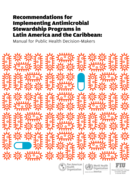
As a public good, antimicrobial medicines require rational use if their effectiveness is to be preserved. However, up to 50% of antibiotic use is inappropriate, adding considerable costs to patient care, and increasing morbidity and mortality. In addition, there is compelling evidence that antimicro
...
bial resistance is driven by the volume of antimicrobial agents used. High rates of antimicrobial resistance to common treatments are currently reported all over the world, both in health care settings and in the community. For over two decades, the Region of the Americas has been a pioneer in confronting antimicrobial resistance from a public health perspective. However, those efforts need to be stepped up if we are to have an impact on antimicrobial resistance and want to quantify said impact.
more

Public Health is the science field dedicated to promoting health and well-being, and preventing disease within the human population to ultimately increase the quality of our livelihood and life span
...
. Public Health does not focus on individual patients or diseases, but rather a given population and health system. The discipline is community-centered in its interventions and seeks to improve the health status of whole populations...
more

Occupational health and safety programmes aim to prevent diseases and injuries arising out of, linked with or occurring in the course of work, while improving the quality and safety of care, safeguarding the
...
health workforce and promoting environmental sustainability in the health sector.
This guide provides an overview of the key elements of occupational health and safety programmes for health workers at national, subnational and facility levels, as well as advice for the development and implementation of such programmes. Health workers exposure risk assessment and management in the context of COVID-19 virus
more

The module is currently available in English, French, Nepali, Portuguese, Russian, and Spanish
The present book deals not only with emergency response, but also with measures designed to reduce the impact of disasters on environmental health infrastructure, such as water supply and sanitation facilities. It also aims to strengthen the ability
...
of people to withstand the disruption of their accustomed infrastructure and systems for environmental health (e.g. shelter, water supply, sanitation, vector control etc.) and to recover rapidly.
more
