Filter
629
Text search:
waves
Featured
53
134
Language
Document type
225
203
69
41
41
19
16
10
4
1
Countries
52
32
18
15
13
13
13
12
12
12
11
11
9
9
8
8
7
7
7
6
6
6
5
5
5
5
5
5
5
5
4
4
4
4
3
3
3
3
3
3
3
2
2
2
2
2
2
2
2
2
2
2
2
2
2
2
2
2
2
2
2
2
2
1
1
1
1
1
1
1
1
1
1
1
1
1
1
1
1
1
1
1
1
1
1
Authors & Publishers
Publication Years
Category
219
43
28
20
14
7
1
Toolboxes
120
107
40
33
24
24
22
21
16
14
13
12
11
10
5
4
4
4
3
3
2
2
2
2
1
1
Many African countries were amongst the most rapid to respond to the emerging threat of COVID-19, implementing large-scale interventions at very early stages of their epidemic. As demonstrated in this document using very simple models, this rapid mobilization and timeliness of implementing control m
...
Every country has been affected by COVID-19, with nearly a quarter
of a billion cases and almost 5 million deaths reported globally as of
end of September 2021. Despite the stunning speed with which highly
effective and safe vaccines have been developed, new
...

There is a broad consensus nowadays that the Earth is warming up as a result of greenhouse gas emissions caused by anthropogenic activities. It is also clear that current trends in the fields of energy, development and population growth will lead to continuous and ever more dramatic climate change.
...
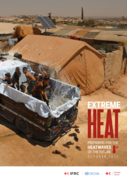
Climate change is already having severe impacts across our planet, bringing new and previously unimaginable challenges to the people least responsible for greenhouse gas emissions.
This report, the first we’ve released jointly in the history of our organizations, provides a sobering review of h
...
This paper examines Japan’s ODA to the Philippines from a historical perspective. It traces the evolution of
aid institutions and policy framework over time; the disbursement patterns and strategic priorities of Japanese
assistance to the Philippines and the evolving and deepening aid relations
...
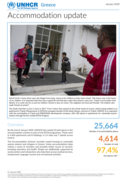
By the end of January 2020, UNHCR had created 25,664 places in the accommodation scheme as part of the ESTIA programme. These were in 4,606 apartments and 8 buildings, in 14 cities and 7 islands across Greece.
The Accommodation Scheme provides rented housing to vulnerable asylum-seekers and refug
...
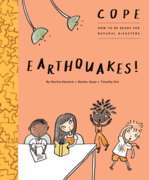
The Sendai Framework for Disaster Risk Reduction highlights children as among the most vulnerable groups who must be empowered to get ready for natural hazards and play a vital role in preventing and reducing risk.
This child-friendly booklet is for kids who are 6-12 years old to generate earthqu
...
This technical brief describes the re-affirmed WHO recommendation on ultrasound examination in the context of routine antenatal care and outlines policy and programme implications for translating this recommendation into action at the country level.
This Guidance Note is meant to help protection cluster coordinators apply nexus approaches in a practical way by, providing concrete steps and means to address prevalent or longstanding protection issues, risk patterns, trends and chronic vulnerabilities. The guidance calls for a practical, problem-
...
Unprecedented humanitarian needs, the COVID-19 pandemic, a worsening economic crisis, and funding shortfalls converge to create life-threatening challenges for people in need throughout the region.
In March 2022, the Syria crisis entered its 12th year, marking another grim milestone for Syrians t
...

The report provides an overview of the disaster risk reduction and management in Nepal, a country under threat of multiple natural hazards: earthquakes, floods, landslides, fires, storms, the epidemics, and others. It presents background information on the country, its disaster profile, its legal an
...

OM Bangladesh Needs and Population Monitoring (NPM) is part of the IOM’s global Displacement Tracking Matrix (DTM) programming. DTM is IOM’s information management system to track and monitor population displacement during crises. Composed of several tools and processes, DTM regularly captures a
...
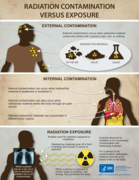
This infographic contains information about external contamination, internal contamination and radiation exposure.
In this paper, we review the most significant health and environmental facts and explain why — from a medical perspective — a proper understanding of what nuclear weapons will do invalidates all arguments for continued possession of these weapons and requires that they urgently be pro
...

(The Pyidaungsu Hluttaw Law No. 21,2013)