
Filter
2749
Text search:
violence
at
school
Featured
226
798
Language
2650
96
61
53
38
14
13
11
8
8
7
7
7
6
5
5
5
5
4
4
4
4
4
3
3
3
3
3
3
3
3
3
3
3
3
3
3
2
2
2
2
2
2
2
2
2
2
2
2
2
1
1
1
1
1
1
1
1
1
Document type
1617
498
213
141
107
72
54
34
5
2
2
2
1
Countries
112
99
97
94
73
67
58
57
54
53
53
52
51
47
46
43
40
38
38
37
35
29
28
27
26
26
26
24
24
24
24
23
21
19
18
17
16
16
16
15
14
14
13
13
12
12
12
12
11
10
9
9
9
8
8
7
7
7
7
7
5
5
5
5
5
5
5
4
4
4
4
4
4
4
3
3
3
3
3
3
3
3
3
3
3
2
2
2
2
2
2
2
2
2
2
2
2
1
1
1
1
1
1
1
1
1
1
1
1
1
1
1
1
1
1
1
1
1
1
1
1
1
Authors & Publishers
243
97
92
78
68
60
48
45
43
38
33
32
32
24
24
23
20
18
18
18
18
17
17
16
15
14
14
14
13
13
13
12
12
11
11
11
11
10
10
10
9
9
9
9
9
9
9
8
8
8
8
8
8
7
7
7
7
7
7
7
7
7
7
6
6
6
6
6
6
6
6
6
5
5
5
5
5
5
5
5
5
5
5
5
5
5
5
5
5
4
4
4
4
4
4
4
4
4
4
4
4
4
4
4
4
4
4
4
4
4
4
4
4
4
4
4
4
4
4
4
4
4
4
4
4
4
4
4
3
3
3
3
3
3
3
3
3
3
3
3
3
3
3
3
3
3
3
3
3
3
3
3
3
3
3
3
3
3
3
3
3
3
3
3
3
3
3
3
3
3
3
3
3
3
3
3
3
3
3
3
3
3
3
3
2
2
2
2
2
2
2
2
2
2
2
2
2
2
2
2
2
2
2
2
2
2
2
2
2
2
2
2
2
2
2
2
2
2
2
2
2
2
2
2
2
2
2
2
2
2
2
2
2
2
2
2
2
2
2
2
2
2
2
2
2
2
2
2
2
2
2
2
2
2
2
2
2
2
2
2
2
2
2
2
2
2
2
2
2
2
2
2
2
2
2
2
2
2
2
2
2
2
2
2
2
2
2
2
2
2
2
2
2
2
2
2
2
2
2
2
2
2
2
2
2
2
2
2
2
2
2
2
2
2
2
2
2
2
2
2
2
2
2
2
2
2
2
2
2
2
2
2
2
2
2
2
2
2
2
2
2
2
2
2
2
2
2
2
2
2
2
2
2
2
2
2
2
2
2
2
2
2
2
2
1
1
1
1
1
1
1
1
1
1
1
1
1
1
1
1
1
1
1
1
1
1
1
1
1
1
1
1
1
1
1
1
1
1
1
1
1
1
1
1
1
1
1
1
1
1
1
1
1
1
1
1
1
1
1
1
1
1
1
1
1
1
1
1
1
1
1
1
1
1
1
1
1
1
1
1
1
1
1
1
1
1
1
1
1
1
1
1
1
1
1
1
1
1
1
1
1
1
1
1
1
1
1
1
1
1
1
1
1
1
1
1
1
1
1
1
1
1
1
1
1
1
1
1
1
1
1
1
1
1
1
1
1
1
1
1
1
1
1
1
1
1
1
1
1
1
1
1
1
1
1
1
1
1
1
1
1
1
1
1
1
1
1
1
1
1
1
1
1
1
1
1
1
1
1
1
1
1
1
1
1
1
1
1
1
1
1
1
1
1
1
1
1
1
1
1
1
1
1
1
1
1
1
1
1
1
1
1
1
1
1
1
1
1
1
1
1
1
1
1
1
1
1
1
1
1
1
1
1
1
1
1
1
1
1
1
1
1
1
1
1
1
1
1
1
1
1
1
1
1
1
1
1
1
1
1
1
1
1
1
1
1
1
1
1
1
1
1
1
1
1
1
1
1
1
1
1
1
1
1
1
1
1
1
1
1
1
1
1
1
1
1
1
1
1
1
1
1
1
1
1
1
1
1
1
1
1
1
1
1
1
1
1
1
1
1
1
1
1
1
1
1
1
1
1
1
1
1
1
1
1
1
1
1
1
1
1
1
1
1
1
1
1
1
1
1
1
1
1
1
1
1
1
1
1
1
1
1
1
1
1
1
1
1
1
1
1
1
1
1
1
1
1
1
1
1
1
1
1
1
1
1
1
1
1
1
1
1
1
1
1
1
1
1
1
1
1
1
1
1
1
1
1
1
1
1
1
1
1
1
1
1
1
1
1
1
1
1
1
1
1
1
1
1
1
1
1
1
1
1
1
1
1
1
1
1
1
1
1
1
1
1
1
1
1
1
1
1
1
1
1
1
1
1
1
1
1
1
1
1
1
1
1
1
1
1
1
1
1
1
1
1
1
1
1
1
1
1
1
1
1
1
1
1
1
1
1
1
1
1
1
1
1
1
1
1
1
1
1
1
1
1
1
1
1
1
1
1
1
1
1
1
1
1
1
1
1
1
1
1
1
1
1
1
1
1
1
1
1
1
1
1
1
1
1
1
1
1
1
1
1
1
1
1
1
1
1
1
1
1
1
1
1
1
1
1
1
1
1
1
1
1
1
1
1
1
1
1
1
1
1
1
1
1
1
1
1
1
1
1
1
1
1
1
1
1
1
1
1
1
1
1
1
1
1
1
1
1
1
1
1
1
1
1
1
1
1
1
1
1
1
1
1
1
1
1
1
1
1
1
1
1
1
1
1
1
1
1
1
1
1
1
1
1
1
1
1
1
1
1
1
1
1
1
1
1
1
1
1
1
1
1
1
1
1
1
1
1
1
1
1
1
1
1
1
1
1
1
1
1
1
1
1
1
1
1
1
1
1
1
1
1
1
1
1
1
1
1
1
1
1
1
1
1
1
1
1
1
1
1
1
1
1
1
1
1
1
1
1
1
1
1
1
1
1
1
1
1
1
1
1
1
1
1
1
1
1
1
1
1
1
1
1
1
1
1
1
1
1
1
1
1
1
1
1
1
1
1
1
1
1
1
1
1
1
1
1
1
1
1
1
1
1
1
1
1
1
1
1
1
1
1
1
1
1
1
1
1
1
1
1
1
1
1
1
1
1
1
1
1
1
1
1
1
1
1
1
1
1
1
1
1
1
1
1
1
1
1
1
1
1
1
1
1
1
1
1
1
1
1
1
1
1
1
1
1
1
1
1
1
1
1
1
1
1
1
1
1
1
1
1
1
1
1
1
1
1
1
1
1
1
1
1
1
1
1
1
1
1
1
1
1
1
1
1
1
1
1
1
1
1
1
1
1
1
1
1
1
1
1
1
1
1
1
1
1
1
1
1
1
1
1
1
1
1
1
1
1
1
1
1
1
1
1
1
1
1
1
1
1
1
1
1
1
1
1
1
1
1
1
1
1
1
1
1
1
1
1
1
1
1
1
1
1
1
1
1
1
1
1
1
1
1
1
1
1
1
1
1
1
1
1
1
1
1
1
1
1
1
1
1
1
1
1
1
1
1
1
1
1
1
1
1
1
1
1
1
1
1
1
1
1
1
1
1
1
1
1
1
1
1
1
1
1
1
1
1
1
1
1
1
1
1
1
1
1
1
1
1
1
1
1
1
1
1
1
1
1
1
1
1
1
1
1
1
1
1
1
1
1
1
1
1
1
1
1
1
1
1
1
1
1
1
1
1
1
1
1
1
1
1
1
1
1
1
1
1
1
1
1
1
1
1
1
1
1
1
1
1
1
1
1
1
1
1
1
1
1
1
1
1
1
1
1
1
1
1
1
1
1
1
1
1
1
1
1
1
1
1
1
1
1
1
1
1
1
1
1
1
1
1
1
1
1
1
1
1
1
1
1
1
1
1
1
1
1
1
1
1
1
1
1
1
1
1
1
1
1
1
1
1
1
1
1
1
1
1
1
1
1
1
1
1
1
1
1
1
1
1
1
1
1
1
1
1
1
1
1
1
1
1
1
1
1
1
1
1
1
1
1
1
1
1
1
1
1
1
1
1
1
1
1
1
1
1
1
1
1
1
1
1
1
1
1
1
1
1
1
1
1
1
1
1
1
1
1
1
1
1
1
1
1
1
1
1
1
1
1
1
1
1
1
1
1
1
1
1
1
1
1
1
1
1
1
1
1
1
1
1
1
1
1
1
1
1
1
1
1
1
1
1
1
1
1
1
1
1
1
1
1
1
1
1
1
1
1
1
1
1
1
1
1
1
1
1
1
1
1
1
1
1
1
1
1
1
1
1
1
1
1
1
1
1
1
1
1
1
1
1
1
1
1
1
1
1
1
1
1
1
1
1
1
1
1
1
1
1
1
1
1
1
1
1
1
1
1
1
1
1
1
1
1
1
1
1
1
1
1
1
1
1
1
1
1
1
1
1
1
1
1
1
1
1
1
1
1
1
1
1
1
1
1
1
1
1
1
1
1
1
1
1
1
1
1
1
1
1
1
1
1
1
1
1
1
1
1
1
1
1
1
1
1
1
1
1
1
1
1
1
1
1
1
1
1
1
1
1
1
1
1
1
1
1
1
1
1
1
1
1
1
1
1
1
1
1
1
1
1
1
1
1
1
1
1
1
1
1
1
1
1
1
1
1
1
1
1
1
1
1
1
1
1
1
1
1
1
1
1
1
1
1
1
1
1
1
1
1
1
1
1
1
1
1
1
1
1
1
1
1
1
1
1
1
1
1
1
1
1
1
1
1
1
1
1
1
1
1
1
1
1
1
1
1
1
1
1
1
1
1
1
1
1
1
1
1
1
1
1
1
1
1
1
1
1
1
1
1
1
1
1
1
1
1
1
1
1
1
1
1
1
1
1
1
1
1
1
1
1
1
1
1
1
1
1
1
1
1
1
1
1
1
1
1
1
1
1
1
1
1
1
1
1
1
1
1
1
1
1
1
1
1
1
1
1
1
1
1
1
1
1
1
1
1
1
1
1
1
1
1
1
1
1
1
1
1
1
1
1
1
1
1
1
1
1
1
1
1
1
1
1
1
1
1
1
1
1
1
1
1
1
1
1
1
1
1
1
1
1
1
1
1
1
1
1
1
1
1
1
1
1
1
1
1
1
1
1
1
1
1
1
1
1
1
1
1
1
1
1
1
1
1
1
1
1
1
1
1
1
1
1
1
1
1
1
1
1
1
1
1
1
1
1
1
1
1
1
1
1
1
1
1
1
1
1
1
1
1
1
1
1
1
1
1
1
1
1
1
1
1
1
1
1
1
1
1
1
1
1
1
1
1
1
1
1
1
1
1
1
1
1
1
1
1
1
1
1
1
1
1
1
1
1
1
1
1
1
1
1
1
1
1
1
1
1
1
1
1
1
1
1
1
1
1
1
1
1
1
1
1
1
1
1
1
1
1
1
1
1
1
1
1
1
1
1
1
1
1
1
1
1
1
1
1
1
1
1
1
1
1
1
1
1
1
1
1
1
1
1
1
1
1
1
1
1
Publication Years
821
1723
200
5
Category
1164
207
156
114
66
63
1
Toolboxes
433
252
218
178
122
120
62
55
53
52
49
24
19
13
13
12
12
11
9
7
6
5
4
4
3
3
1
One of the principles underpinning the delivery of all essential services and coordination of those services is the “survivor-centered approach”, which places the human rights, needs, and wishes of women and girl survivors at the centre of servi
...
ce delivery.
A key challenge faced by many entities working to end violence against women is ensuring that survivors’ voices and inputs are incorporated into policies, practices, and procedures on response. Survivors have diverse needs and face different risks. Not all women and girls experience violence in the same way. An effective intervention takes into account the realities of their unique circumstances, addresses individual needs, and reduces the risk for further harm and suffering.
UN Women, together with Global Rights for Women, have developed “Safe consultations with survivors of violence against women and girls”, which is designed to provide practical steps, safety measures, and actions that government agencies, civil society and survivor organizations, and United Nations’ entities can take to incorporate survivors' voices into systemic reform efforts, through safe and meaningful consultations.
This guidance is intended to help policymakers develop survivor-centered programming on ending violence against women and girls that meets the needs of diverse groups of women and girls, including those who are at higher risk of experiencing violence and discrimination. It is applicable to programming across the health, justice and policing, and social services sectors, as well as coordination of these sectors, and will help improve the standard and delivery of essential services for women and girls who have experienced violence.
more
Today, more children than ever before are displaced within their own countries. Their harrowing stories of displacement are unfolding every day, and with increasing frequency. At the end of 2019, approximately 45.7 million people were internally dis
...
placed by conflict and violence (Fig. 1.1). Nearly half – 19 million – were estimated to be children. And millions more are displaced every year by natural disasters.
more
The Life Skills through Drama curriculum aims at promoting the protection of Syrian and Lebanese adolescent girls from Gender Based Violence and enhancing their psychosocial wellbeing. This curricul
...
um addresses the basic life skills that adolescent girls living in difficult conditions in any similar cultural context could need. The curriculum relies on active learning through experience, practice, reflection and discussion. And it has been designed based on drama techniques. Varied creative drama techniques were used to serve the objectives including techniques from Theater of the Oppressed
more
The report – the first of its kind – shows how the pandemic has driven up food insecurity and increased vulnerability among migrants, families reliant on remittances and communities forced from their homes by conflict, violence and disasters.
...
The two UN agencies warn the social and economic toll of the pandemic could be devastating and call on the world to prevent it by stepping up support in response to immediate and rising humanitarian needs, addressing the socioeconomic impacts of the crisis and ensuring that the most vulnerable are not forgotten.
more
WHO is launching a “Revised edition, 2021” for the Caring for women subjected to violence: A WHO training curriculum for health-care providers today. The revised edition includes 4 new modules three of which are for health managers to assess and
...
strengthen health facility readiness and one module, which is for managers and providers to support prevention of violence against women. The earlier content published in 2019 remains unchanged. The 2021 edition is aimed at creating an enabling health systems environment for health workers to provide quality care to women subjected to violence.
more
The global COVID-19 pandemic has led to unprecedented levels of disruption to education, impacting over 90% of the world’s student population: 1.54 billion children, including 743 million girls. School closures and the wider socio-economic impacts
...
of COVID-19 on communities and society also disrupt children’s and young people’s normal support systems, leaving them more vulnerable to illnesses and child protection risks such as physical and humiliating punishment, sexual and gender-based violence, child marriage, child labour, child trafficking and recruitment and use in armed conflict. Girls and other marginalised groups, particularly those in displaced settings, are particularly affected.
more
As daily lives and communities are upended by COVID-19, concern is mounting that children’s exposure to violence may increase. Children with a history of abuse may find themselves even more vulnerable – both
...
at home and online – and may experience more frequent and severe acts of violence. Others may be victimized for the first time.
Understanding the current status of violence prevention and response services is therefore essential to assessing risks to children
more
Putting Human Rights at the Heart of the Response
Topic in Focus: COVID-19 and Women’s Human Rights
15 April 2020
Stay-at-home restrictions and other measures restricting the movement of peo
...
ple contribute to an increase in genderbased violence, a finding confirmed by media reports, official statements and information received from OHCHR field presences and human rights defenders in many countries.
Women and girls already in abusive situations are more exposed to increased control and restrictions by their abusers, with little or no recourse to seek support. Hotlines receive reports of women being threatened with being thrown out of their homes, exposed to the infection, or having financial resources and medical aid withheld.
more
Gender-based violence, including rape is a problem throughout the world, occurring in every society, country and region. Refugees and internally displaced people are particularly at risk of this vio
...
lation during every phase of an emergency situation. The systematic use of sexual violence as a method of warfare is well documented and constitutes a grave breach of international humanitarian law.
The Arabic Version can be downloaded here: http://reliefweb.int/report/syrian-arab-republic/guidelines-health-staff-caring-gender-based-violence-survivors-including
more
The number of people facing acute food insecurity1 is growing at an alarming rate in the European Union (EU) Member States of Central Eastern Europe. COVID-19 and the resulting disruption to global markets, trade, and food supply chains have negativ
...
ely affected food security since 2020; now, this has been compounded by the Russian invasion of Ukraine. Women and girls who have been displaced from Ukraine into Hungary are facing tremendous obstacles to their safety and wellbeing, particularly given the link between food insecurity and gender-based violence (GBV). Urgent policy responses and concrete actions are needed to support low-income households and vulnerable communities, particularly women and their families displaced from Ukraine, to stem this growing crisis.
more

This training seeks to equip health workers who have contact with children in HIV settings with the knowledge and skills to better integrate violence against children (VAC) services into their work. It seeks to transmit information and skills to mak
...
e them: feel comfortable talking with, providing services and making appropriate referrals to children and their caregivers who are at risk of or experiencing violence.
This three-day training package includes ten modules to be delivered to groups of 25-30 health workers. The training is aimed at different cadres of health workers, including: nurses and midwives; clinicians; HIV counselors; medical social workers; pharmacists; community health workers, and others who are involved in children’s health care in health settings
more
“They Treated Us in Monstrous Ways”.
Since the Syrian conflict began in March 2011, men and boys and transgender women have been subjected to rape and other forms of sexual violence by the Syrian government and non-state armed groups, includin
...
g the extremist armed group Islamic State (also known as ISIS). Heterosexual men and boys are vulnerable to sexual violence in Syria, but men who are gay or bisexual—or perceived to be—and transgender women are particularly at risk.
more
Singing to the Lions is a free training package (facilitator’s guide, supplement and video) by CRS, that is designed to help children and youth lessen the impact of violence and abuse in their lives. The main component is a three-day workshop wher
...
e participants learn skills that can help them transform their lives and no longer feel dominated by fear. Although the workshop is aimed at young people and includes games, art and songs, it can also be used to help adults take action on aspects of their lives that cause fear and, in so doing, become better parents and caregivers.
Singing to the Lions is available in English, French and Spanish, with Arabic and Hindi in process. See the links below. It can be easily adapted to different cultures, with different pictures and metaphors (e.g., “Singing to the Wolves” in Arabic; “Charming the Snakes” in Hindi.)
more

Background: Post-Traumatic Stress Disorder (PTSD) develops following some stressful events. There has been increasing recognition that children who have been exposed to traumatic events like child sexual abuse can develop post-traumatic stress disorder just like adults.
Objective: To determine prev
...
alence of PTSD in sexually abused children seen at the Gender Based Violence Recovery Centre at Kenyatta National Hospital.
Design: A cross sectional descriptive study.
Setting: Gender Based Violence Recovery Centre – Kenyatta National Hospital. Subjects One hundred and forty-nine (n = 149) sexually abused children were recruited in the study.
more
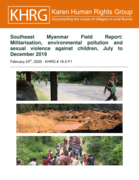
Over the reporting period, economic actors continued to carry out their activities with little regard for their impacts on the livelihoods of the communities living in the surrounding areas. In Doo Tha Htoo (Thaton) District, cold dust from a Tatmadaw-run cement factory contaminated nearby waterways
...
during the rainy season. As a result, civilians from at least 15 villages faced water shortages. In Mu Traw (Hpapun) and Kler Lwee Htoo districts, gold mining activities damaged forests and polluted water and soils in several village tracts. In both cases, the economic actors involved failed to secure the free, prior and informed consent (FPIC) of the local population, and did not compensate the affected communities for the damage caused.
more
Children and adolescents treated for post-traumatic stress disorder at the Free State Psychiatric Complex
Calitz, F.J., de Jongh, N.J., Horn, A., Nel, M.L. & Joubert, G.
South African Journal of Psychology
(2014)
CC
Background. Children and adolescents can develop post-traumatic stress disorder (PTSD) after exposure to a range of traumatic events, including domestic, political or community violence, violent crime, physical and sexual abuse, hijacking, witnessin
...
g a violent crime and motor vehicle accidents. This is particularly critical given the substantial challenge that PTSD poses to the healthy physical, cognitive and emotional development of children and adolescents.
more
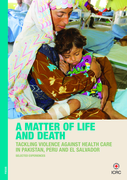
Every day, health-care providers are being attacked, patients discriminated against, ambulances held up at checkpoints, hospitals bombed, medical supplies looted and entire communities cut off from critical services around the world.
Between Ja ... nuary 2012 and December 2014, the ICRC documented nearly 2,400 violent incidents against health care in 11 countries experiencing armed conflict or other violence. In over 90% of cases, local health-care providers were affected, seriously threatening the effectiveness and sustainability of national health-care systems. These numbers might well just be the tip of the iceberg more
Between Ja ... nuary 2012 and December 2014, the ICRC documented nearly 2,400 violent incidents against health care in 11 countries experiencing armed conflict or other violence. In over 90% of cases, local health-care providers were affected, seriously threatening the effectiveness and sustainability of national health-care systems. These numbers might well just be the tip of the iceberg more
This technical guidance outlines current evidence, knowledge and best practice relating to incidences of violence and injuries among refugees and migrants in the WHO European Region. It highlights key principles, summarizes priority actions and chal
...
lenges, maps existing international commitments and frameworks and provides practical policy considerations for preventing and responding to such challenges. Specific areas for intervention include ensuring safe passage for migration; addressing causes of violence and injuries in transit and destination countries, including changing norms and values; identifying victims and providing care and protection; investigating and prosecuting perpetrators; and strengthening the knowledge base. While the main intended audience of this technical guidance series are policy-makers across sectors at local, national and regional levels, the contents of this publication will also be of value for health-care practitioners and law enforcement and border protection officials.
more
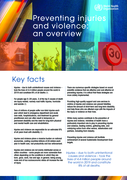
This brief advocacy document highlights the burden, risks and prevention of injuries and violence, which took the lives of 4.4 million people in 2019 and constitute 8% of all deaths. Among the injury-related causes of death include road traffic cras
...
hes, drowning, falls, burns, poisoning and violence against oneself or others. For people age 5-29 years, three of the top five causes of death are injury-related, including road traffic injuries, homicide, and suicide. Injuries and violence are not evenly distributed across or within countries – some people are more vulnerable than others depending on the conditions in which they are born, grow, work, live and age; in general, being young, male and of low socioeconomic status all increase the risk of injury. This document, aimed at public health professionals; injury prevention researchers, practitioners and advocates; and donors, draws attention to specific strategies based on sound scientific evidence that are effective and cost-effective at preventing injuries and violence; it is critical that these strategies are more widely implemented.
more
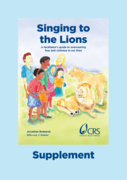
Singing to the Lions is a free training package (facilitator’s guide, supplement and video) by CRS, that is designed to help children and youth lessen the impact of violence and abuse in their lives. The main component is a three-day workshop wher
...
e participants learn skills that can help them transform their lives and no longer feel dominated by fear. Although the workshop is aimed at young people and includes games, art and songs, it can also be used to help adults take action on aspects of their lives that cause fear and, in so doing, become better parents and caregivers.
more
