
Filter
84
Text search:
réadaptation
Featured
9
6
Language
Document type
67
8
4
1
1
1
1
1
Countries
1
1
1
1
1
1
1
1
1
Authors & Publishers
Publication Years
Category
58
4
2
1
1
Toolboxes
50
12
4
3
2
2
1
1

These recommendations for the education of mid-level rehabilitation workers are based on experiences in planning and implementing training programmes in nine countries. This information is useful in designing and developing training programmes specific to community-based rehabilitation

These recommendations for the education of mid-level rehabilitation workers are based on experiences in planning and implementing training programmes in nine countries. This information is useful in designing and developing training programmes specific to community-based rehabilitation
A guide for strengthening the basic nursing curriculum
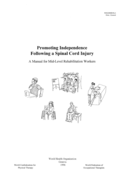
A Manual for mid-level rehabilitation workers.
This manual is to support the work of mid-level rehabilitation workers on their work with children or adults with spinal cord injury and their families. It refers to the physical effects of this type of injury, the different levels of injury and the ba
...
Content has been developed based on the WHO Wheelchair Guidelines and the Wheelchair Service Training Package—Basic Level. Adult Education
The main purpose of the training package is to develop the minimum skills and knowledge required by personnel involved in wheelchair service delivery. An important aim of the training package is to get it integrated into the regular paramedical/rehabilitation training programs such as physiotherapy,
...
This guide is intended for mid-level rehabilitation workers on work with people who have suffered a stroke and their families. The guide contains advice on how to plan and conduct rehabilitation activities for those who have had a stroke to promote their independence in all aspects of daily life

This manual is intended for mid-level rehabilitation workers on work with children with communication difficulties and their families. The manual contains information on general aspects of communication, causes of communication impairment, sample assessments, and advice for parents and those involve
...
A guide for district health and rehabilitation managers.
This guide contains recommendations for strengthening disability prevention and rehabilitation within primary health care services. It is addressed to rehabilitation and general health care personnel within district health services, in partic
...
This guide is designed to support mid-level rehabilitation workers on work with children with cerebral palsy and their families. The manual includes information on early detection and assessment of the level of development of the child, equipment to support their needs and suggestions to promote mob
...
A step towards implementation of the Convention on the Rights of Persons with Disabilities (CRPD) related to personal mobility.

Review of disability issues and rehabilitation services in 29 african countries.
Techniques for the district Hospital
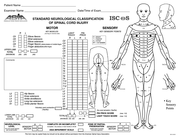
Accessed at March 2014
