
Filter
3660
Text search:
malaria
treatment
Featured
344
1216
Language
3446
129
96
39
34
25
19
16
7
6
5
3
2
2
2
2
2
2
2
2
1
1
1
1
1
1
1
1
1
1
1
1
1
1
1
1
1
1
1
Document type
2041
615
423
179
145
85
71
32
30
12
11
7
5
Countries
182
181
137
126
120
108
98
96
95
79
76
71
67
66
63
61
58
54
41
40
40
38
37
35
34
33
29
29
26
25
25
23
23
22
21
20
19
18
18
16
15
15
11
11
11
10
9
9
8
7
7
7
7
7
7
6
6
6
6
6
6
6
5
5
5
5
5
5
5
4
4
4
4
4
3
3
3
3
3
3
3
3
2
2
2
2
2
2
2
2
2
2
2
2
2
2
2
1
1
1
1
1
1
1
1
1
1
1
1
1
1
1
1
1
1
1
1
1
1
1
1
1
Authors & Publishers
426
179
106
91
87
77
74
65
61
35
26
26
24
24
18
18
17
17
17
17
17
17
17
15
15
15
15
14
14
14
12
12
12
12
12
11
11
11
11
11
10
10
9
9
9
9
9
9
8
8
8
8
8
8
8
8
8
8
8
7
7
7
7
7
7
7
7
7
7
7
7
7
7
6
6
6
6
6
6
6
6
6
6
6
6
6
6
6
6
5
5
5
5
5
5
5
5
5
5
5
5
5
5
5
5
5
5
5
5
5
5
5
5
5
4
4
4
4
4
4
4
4
4
4
4
4
4
4
4
4
4
4
4
4
4
4
4
4
4
4
4
4
4
4
4
4
4
4
4
4
4
4
4
4
4
4
4
4
4
3
3
3
3
3
3
3
3
3
3
3
3
3
3
3
3
3
3
3
3
3
3
3
3
3
3
3
3
3
3
3
3
3
3
3
3
3
3
3
3
3
3
3
3
3
3
3
3
3
3
3
3
3
3
3
3
3
3
3
3
3
3
3
3
3
3
3
3
3
3
3
3
3
3
3
3
3
3
3
3
3
3
3
3
3
2
2
2
2
2
2
2
2
2
2
2
2
2
2
2
2
2
2
2
2
2
2
2
2
2
2
2
2
2
2
2
2
2
2
2
2
2
2
2
2
2
2
2
2
2
2
2
2
2
2
2
2
2
2
2
2
2
2
2
2
2
2
2
2
2
2
2
2
2
2
2
2
2
2
2
2
2
2
2
2
2
2
2
2
2
2
2
2
2
2
2
2
2
2
2
2
2
2
2
2
2
2
2
2
2
2
2
2
2
2
2
2
2
2
2
2
2
2
2
2
2
2
2
2
2
2
2
2
2
2
2
2
2
2
2
2
2
2
2
2
2
2
2
2
2
2
2
2
2
2
2
2
2
2
2
2
2
2
2
2
2
2
2
2
2
2
2
2
2
2
2
2
2
2
2
2
2
2
2
2
2
2
2
2
2
2
2
2
2
2
2
2
2
2
2
2
2
2
2
2
2
2
2
2
2
2
2
2
2
2
2
2
2
2
2
2
2
2
2
2
1
1
1
1
1
1
1
1
1
1
1
1
1
1
1
1
1
1
1
1
1
1
1
1
1
1
1
1
1
1
1
1
1
1
1
1
1
1
1
1
1
1
1
1
1
1
1
1
1
1
1
1
1
1
1
1
1
1
1
1
1
1
1
1
1
1
1
1
1
1
1
1
1
1
1
1
1
1
1
1
1
1
1
1
1
1
1
1
1
1
1
1
1
1
1
1
1
1
1
1
1
1
1
1
1
1
1
1
1
1
1
1
1
1
1
1
1
1
1
1
1
1
1
1
1
1
1
1
1
1
1
1
1
1
1
1
1
1
1
1
1
1
1
1
1
1
1
1
1
1
1
1
1
1
1
1
1
1
1
1
1
1
1
1
1
1
1
1
1
1
1
1
1
1
1
1
1
1
1
1
1
1
1
1
1
1
1
1
1
1
1
1
1
1
1
1
1
1
1
1
1
1
1
1
1
1
1
1
1
1
1
1
1
1
1
1
1
1
1
1
1
1
1
1
1
1
1
1
1
1
1
1
1
1
1
1
1
1
1
1
1
1
1
1
1
1
1
1
1
1
1
1
1
1
1
1
1
1
1
1
1
1
1
1
1
1
1
1
1
1
1
1
1
1
1
1
1
1
1
1
1
1
1
1
1
1
1
1
1
1
1
1
1
1
1
1
1
1
1
1
1
1
1
1
1
1
1
1
1
1
1
1
1
1
1
1
1
1
1
1
1
1
1
1
1
1
1
1
1
1
1
1
1
1
1
1
1
1
1
1
1
1
1
1
1
1
1
1
1
1
1
1
1
1
1
1
1
1
1
1
1
1
1
1
1
1
1
1
1
1
1
1
1
1
1
1
1
1
1
1
1
1
1
1
1
1
1
1
1
1
1
1
1
1
1
1
1
1
1
1
1
1
1
1
1
1
1
1
1
1
1
1
1
1
1
1
1
1
1
1
1
1
1
1
1
1
1
1
1
1
1
1
1
1
1
1
1
1
1
1
1
1
1
1
1
1
1
1
1
1
1
1
1
1
1
1
1
1
1
1
1
1
1
1
1
1
1
1
1
1
1
1
1
1
1
1
1
1
1
1
1
1
1
1
1
1
1
1
1
1
1
1
1
1
1
1
1
1
1
1
1
1
1
1
1
1
1
1
1
1
1
1
1
1
1
1
1
1
1
1
1
1
1
1
1
1
1
1
1
1
1
1
1
1
1
1
1
1
1
1
1
1
1
1
1
1
1
1
1
1
1
1
1
1
1
1
1
1
1
1
1
1
1
1
1
1
1
1
1
1
1
1
1
1
1
1
1
1
1
1
1
1
1
1
1
1
1
1
1
1
1
1
1
1
1
1
1
1
1
1
1
1
1
1
1
1
1
1
1
1
1
1
1
1
1
1
1
1
1
1
1
1
1
1
1
1
1
1
1
1
1
1
1
1
1
1
1
1
1
1
1
1
1
1
1
1
1
1
1
1
1
1
1
1
1
1
1
1
1
1
1
1
1
1
1
1
1
1
1
1
1
1
1
1
1
1
1
1
1
1
1
1
1
1
1
1
1
1
1
1
1
1
1
1
1
1
1
1
1
1
1
1
1
1
1
1
1
1
1
1
1
1
1
1
1
1
1
1
1
1
1
1
1
1
1
1
1
1
1
1
1
1
1
1
1
1
1
1
1
1
1
1
1
1
1
1
1
1
1
1
1
1
1
1
1
1
1
1
1
1
1
1
1
1
1
1
1
1
1
1
1
1
1
1
1
1
1
1
1
1
1
1
1
1
1
1
1
1
1
1
1
1
1
1
1
1
1
1
1
1
1
1
1
1
1
1
1
1
1
1
1
1
1
1
1
1
1
1
1
1
1
1
1
1
1
1
1
1
1
1
1
1
1
1
1
1
1
1
1
1
1
1
1
1
1
1
1
1
1
1
1
1
1
1
1
1
1
1
1
1
1
1
1
1
1
1
1
1
1
1
1
1
1
1
1
1
1
1
1
1
1
1
1
1
1
1
1
1
1
1
1
1
1
1
1
1
1
1
1
1
1
1
1
1
1
1
1
1
1
1
1
1
1
1
1
1
1
1
1
1
1
1
1
1
1
1
1
1
1
1
1
1
1
1
1
1
1
1
1
1
1
1
1
1
1
1
1
1
1
1
1
1
1
1
1
1
1
1
1
1
1
1
1
1
1
1
1
1
1
1
1
1
1
1
1
1
1
1
1
1
1
1
1
1
1
1
1
1
1
1
1
1
1
1
1
1
1
1
1
1
1
1
1
1
1
1
1
1
1
1
1
1
1
1
1
1
1
1
1
1
1
1
1
1
1
1
1
1
1
1
1
1
1
1
1
1
1
1
1
1
1
1
1
1
1
1
1
1
1
1
1
1
1
1
1
1
1
1
1
1
1
1
1
1
1
1
1
1
1
1
1
1
1
1
1
1
1
1
1
1
1
1
1
1
1
1
1
1
1
1
1
1
1
1
1
1
1
1
1
1
1
1
1
1
1
1
1
1
1
1
1
1
1
1
1
1
1
1
1
1
1
1
1
1
1
1
1
1
1
1
1
1
1
1
1
1
1
1
1
1
1
1
1
1
1
1
1
1
1
1
1
1
1
1
1
1
1
1
1
1
1
1
1
1
1
1
1
1
1
1
1
1
1
1
1
1
1
1
1
1
1
1
1
1
1
1
1
1
1
1
1
1
1
1
1
1
1
1
1
1
1
1
1
1
1
1
1
1
1
1
1
1
1
1
1
1
1
1
1
1
1
1
1
1
1
1
1
1
1
1
1
1
1
1
1
1
1
1
1
1
1
1
1
1
1
1
1
1
1
1
1
1
1
1
1
1
1
1
1
1
1
1
1
1
1
1
1
1
1
1
1
1
1
1
1
1
1
1
1
1
1
1
1
1
1
1
1
1
1
1
1
1
1
1
1
1
1
1
1
1
1
1
1
1
1
1
1
1
1
1
1
1
1
1
1
1
1
1
1
1
1
1
1
1
1
1
1
1
1
1
1
1
1
1
1
1
1
1
1
1
1
1
1
1
1
1
1
1
1
1
1
1
1
1
1
1
1
1
1
1
1
1
1
1
1
1
1
1
1
1
1
1
1
1
1
1
1
1
1
1
1
1
1
1
1
1
1
1
1
1
1
1
1
1
1
1
1
1
1
1
1
1
1
1
1
1
1
1
1
1
1
1
1
1
1
1
1
1
1
1
1
1
1
1
1
1
1
1
1
1
1
1
1
1
1
1
1
1
1
1
1
1
1
1
1
1
1
1
1
1
1
1
1
1
1
1
1
1
1
1
1
1
1
1
1
1
1
1
1
1
1
1
1
1
1
1
1
1
1
1
1
1
1
1
1
1
1
1
1
1
1
1
1
1
1
1
1
1
1
1
1
1
1
1
1
1
1
1
1
1
1
1
1
1
1
1
1
1
1
1
1
1
1
1
1
1
1
1
1
1
1
1
1
1
1
1
1
1
1
1
1
1
1
1
1
1
1
1
1
1
1
1
1
1
1
1
1
1
1
1
1
1
1
1
1
1
1
1
1
1
1
1
1
1
1
1
1
1
1
1
1
1
1
1
1
1
1
1
1
1
1
1
1
1
1
1
1
1
1
1
1
1
1
1
1
1
1
1
1
1
1
1
1
1
1
1
1
1
1
1
1
1
1
1
1
1
1
1
1
1
1
1
1
1
1
1
1
1
1
1
1
1
1
1
1
1
1
1
1
1
1
1
1
1
1
1
1
1
1
1
1
1
1
1
1
1
1
1
1
1
1
1
1
1
1
1
1
1
1
1
1
1
1
1
1
1
1
1
1
1
1
1
1
1
1
1
1
1
1
1
1
1
1
1
1
1
1
1
1
1
1
1
1
1
1
1
1
1
1
1
1
1
1
1
1
1
1
1
1
1
1
1
1
1
1
1
1
1
1
1
1
1
1
1
1
1
1
1
1
1
1
1
1
1
1
1
1
1
1
1
1
1
1
1
1
1
1
1
1
1
1
1
1
1
1
1
1
1
1
1
1
1
1
1
1
1
1
1
1
1
1
1
1
1
1
1
1
1
1
1
1
1
1
1
1
1
1
1
1
1
1
1
1
1
1
1
1
1
1
1
1
1
1
1
1
1
1
1
1
1
1
1
1
1
1
1
1
1
1
1
1
1
1
1
1
1
1
1
1
1
1
1
1
1
1
1
1
1
1
1
1
1
1
1
1
1
1
1
1
1
1
1
1
1
1
1
1
1
1
1
1
1
1
1
1
1
1
1
1
1
1
1
1
1
1
1
1
1
1
1
1
1
1
1
1
1
1
1
1
1
1
1
1
1
1
1
1
1
1
1
1
1
1
1
1
1
1
1
1
1
1
1
1
1
1
1
1
1
1
1
1
1
1
1
1
1
1
1
1
1
1
1
1
1
1
1
1
1
1
1
1
1
1
1
1
1
1
1
1
1
1
1
1
1
1
1
1
1
1
1
1
1
1
1
1
1
1
1
1
1
1
1
1
1
1
1
1
1
1
1
1
1
1
1
1
1
1
1
1
1
1
1
1
1
1
1
1
1
1
1
1
1
1
1
1
1
1
1
1
1
1
1
1
1
1
1
1
1
1
1
1
1
1
1
1
1
1
1
1
1
1
1
1
1
1
1
1
1
1
1
1
1
1
1
1
1
1
1
1
1
1
1
1
1
1
1
1
1
1
1
1
1
1
1
1
1
1
1
1
1
1
1
1
1
1
1
1
1
1
1
1
1
1
1
1
1
1
1
1
1
1
1
1
1
1
1
1
1
1
1
1
1
1
1
1
1
1
1
1
1
1
1
1
1
1
1
1
1
1
1
1
1
1
1
1
1
1
1
1
1
1
1
1
1
1
1
1
1
1
1
1
1
1
1
1
1
1
1
1
1
1
1
1
1
1
1
1
1
1
1
1
1
1
1
1
1
1
1
1
1
1
1
1
1
1
1
1
1
1
1
1
1
1
1
1
1
1
1
1
1
1
1
1
1
1
1
1
1
1
1
1
1
1
1
1
1
1
1
1
1
1
1
1
1
1
1
1
1
1
1
1
1
1
1
1
1
1
1
1
1
1
1
1
1
1
1
1
1
1
1
1
1
1
1
1
1
1
1
1
1
1
1
1
1
1
1
1
1
1
1
1
1
1
1
1
1
1
1
1
1
1
1
1
1
1
1
1
1
1
1
1
1
1
1
1
1
Publication Years
939
2334
367
20
Category
1733
251
216
202
160
86
50
Toolboxes
249
206
165
163
144
127
123
90
82
82
81
76
66
58
50
43
33
31
24
24
23
17
16
5
3
2
1

The document outlines essential steps and provides guidance to countries on the adoption and deployment of c-IPTp so that it is integrated into the existing health system. It draws upon best practices and lessons learned from pilot implementation experiences in eight African countries and targets st
...
akeholders at the national level that are involved in the provision of maternal and child services, including national and local policymakers and implementers of malaria, maternal health, child health, reproductive health and community health programmes, and nongovernmental and other organizations.
more
Pocket Manual for the Diagnosis and Treatment of Malaria
Olumese P., Al Zedjali M.S., Al-Mukhaini S.
Ministry of Health, Sultanate of Oman - Department of Malaria Eradication
(2025)
C2
The "Pocket Manual for the Diagnosis and Treatment of Malaria", published by the Ministry of Health of the Sultanate of Oman, provides practical guidance for healthcare professionals on how to ident
...
ify, manage, and treat malaria cases. It emphasizes parasitological confirmation before treatment, outlines standard protocols for treating uncomplicated and severe malaria—including P. falciparum, P. vivax, and mixed infections—and specifies drug regimens based on patient weight and age. The manual also includes recommendations for travelers on malaria chemoprophylaxis and highlights the importance of prevention, especially for high-risk groups like children and pregnant women.
more
Malaria and HIV, two of the world’s most deadly diseases, are widespread, but their distribution overlaps greatly in sub-Saharan Africa. Consequently, malaria and HIV coinfection (MHC) is common i
...
n the region. In this paper, pertinent publications on the prevalence, impact, and treatment strategies of MHC obtained by searching major electronic databases (PubMed, PubMed Central, Google Scholar, ScienceDirect, and Scopus) were reviewed, and it was found that the prevalence of MHC in SSA was 0.7%–47.5% overall. Prevalence was 0.7%–47.5% in nonpregnant adults, 1.2%–27.8% in children, and 0.94%–37% in pregnant women. MHC was associated with an increased frequency of clinical parasitemia and severe malaria, increased parasite and viral load, and impaired immunity to malaria in nonpregnant adults, children, and pregnant women, increased in placental malaria and related outcomes in pregnant women, and impaired antimalarial drug efficacy in nonpregnant adults and pregnant women. Although a few cases of adverse events have been reported in coinfected patients receiving antimalarial and antiretroviral drugs concurrently, available data are very limited and have not prompted major revision in treatment guidelines for both diseases. Artemisinin-based combination therapy and cotrimoxazole are currently the recommended drugs for treatment and prevention of malaria in HIV-infected children and adults. However, concurrent administration of cotrimoxazole and sulfadoxine–pyrimethamine in HIV-infected pregnant women is not recommended, because of high risk of sulfonamide toxicity. Further research is needed to enhance our understanding of the impact of malaria on HIV, drug–drug interactions in patients receiving antimalarials and antiretroviral drugs concomitantly, and the development of newer, safer, and more cost-effective drugs and vaccines to prevent malaria in HIV-infected pregnant women.
more
The MalariaCare Toolkit. Tools for maintaining high-quality malaria
case management services.
Developed by MalariaCare, this module supports health supervisors in improving the management of severe malar
...
ia by providing focused, case-based learning and mentorship. It provides clinical supervisors with the necessary tools to guide healthcare providers during outreach training and supportive supervision (OTSS) visits. The module is designed to strengthen diagnostic and treatment skills, particularly in areas that are often overlooked, such as severe malaria. It uses real-life case studies and guided discussions to assess and enhance clinical understanding. Its flexible structure can be adapted based on the knowledge level of the provider, promoting effective, practical learning in healthcare settings.
Accessed on 03/07/2025.
more

Report of a virtual meeting 21–23 June 2022
Information note. In 2021, preliminary results of observational studies from the Community Access to Rectal Artesunate for Malaria (CARAMAL) project did not confirm the mortality impact observed in the controlled trial in 2009. Consequently, in Janu
...
ary 2022, WHO released an information note on rectal artesunate (RAS), suggesting immediate risk mitigation measures. To provide clarity on the evidence, WHO subsequently convened independent experts to conduct a formal evidence review of the data from the CARAMAL project, as well as data from other studies evaluating the deployment of pre-referral RAS at programmatic level
more
Barriers to the prompt and effective diagnosis and treatment of malaria exist at both the community and health facility level. Household surveys measure m
...
alaria case management at the population level with standard indicators that assess treatment-seeking behavior, access to diagnostic testing, and access to appropriate treatment. Performance on these indicators varies widely from country to country. Among countries with Demographic and Health Surveys (DHS) or Malaria Indicator Surveys (MIS) completed between 2014 and 2016, advice and treatment was sought for a median of 47% of children under age 5 with fever.
more
Combination therapy is a cornerstone of modern malaria treatment, particularly in the context of widespread multidrug resistance. Using two or more antimalarial drugs with different mechanisms simul
...
taneously enhances efficacy, shortens treatment duration, improves compliance and delays the development of resistance. Artemisinin-based combination therapies (ACTs), such as artemether–lumefantrine, artesunate–amodiaquine and artesunate–sulfadoxine/pyrimethamine, are highly effective in rapidly clearing parasites and reducing gametocyte carriage. They are also generally well tolerated. Non-artemisinin combinations, quinine-based regimens and novel combinations (e.g. piperaquine–dihydroartemisinin) offer alternative therapeutic options, although clinical experience with these remains limited. Although ACTs are the preferred first-line treatment, factors such as cost, local drug resistance patterns, safety during pregnancy and paediatric use must inform implementation and policy decisions.
more
Chapter 6 contents
Malaria
Human African trypanosomiasis (sleeping sickness)
American trypanosomiasis (Chagas disease)
Leishmaniases
Intestinal protozoan infections (parasitic diarrhoea)
Flukes
Schistosomiases
...
Cestodes
Nematode infections
Filariasis
Onchocerciasis (river blindness)
Loiasis.
Lymphatic filariasis (LF)
more
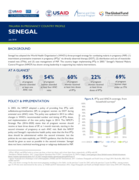
Senegal has adopted the World Health Organization’s (WHO’s) three-pronged strategy for combating malaria in pregnancy (MiP): (1) intermittent preventative treatment in pregnancy (IPTp)1 via dire
...
ctly observed therapy (DOT), (2) distribution and use of insecticidetreated nets (ITNs), and (3) case management of MiP. The country began implementing IPTp in 2003.2 Senegal’s National Malaria Control Program (NMCP) has shown strong leadership in supporting key malaria interventions. 3
more

The World Health Organization (WHO) recommends the use of insecticide-treated nets (ITNs) and intermittent preventive treatment in pregnancy (IPTp) as a cost-effective intervention for the prevention of ma
...
laria during pregnancy in endemic areas. This study was conducted to investigate: (1) the extent of use of both IPTp and ITNs, and (2) conduct multinomial regression to identify factors affecting the optimal usage of IPTp and ITNs among women with a recent pregnancy in Senegal.
more
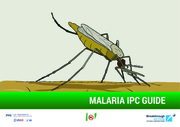
This guide provides practical tools and strategies for interpersonal communication (IPC) to support the prevention and treatment of malaria in northern Nigeria. Targeting health workers, community l
...
eaders and vulnerable groups such as pregnant women and young children, it aims to improve knowledge, attitudes and behaviours through culturally appropriate, tailored messaging. The guide emphasises community engagement, effective counselling techniques, and collaboration with local stakeholders to improve malaria control.
Accessed on 20/06/2025.
more
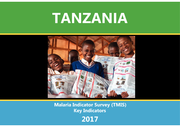
The primary objectives of the 2017 TMIS are to measure the level of ownership and use of mosquito nets; assess coverage of intermittent preventive treatment for pregnant women; identify treatment
...
practices, including the use of specific antimalarial medications to treat malaria among children age 6-59 months; measure the prevalence of malaria and anemia among children age 6-59 months; and assess knowledge, attitudes, and practices among adults with malaria.
This table provides estimates of key indicators for the country as a whole and for each of the 31 geographic regions in Tanzania. A comprehensive analysis of the 2017 TMIS data will be presented in a final report. more
This table provides estimates of key indicators for the country as a whole and for each of the 31 geographic regions in Tanzania. A comprehensive analysis of the 2017 TMIS data will be presented in a final report. more

The document “Malaria Elimination Programme Review, India 2022”, published by the WHO Country Office for India, provides an in-depth assessment of India’s progress toward malaria elimination.
...
It evaluates the structure, implementation, and effectiveness of national and subnational malaria programs, focusing on surveillance, diagnosis, treatment, vector control, and community engagement. The review identifies strengths, challenges, and areas for improvement, offering evidence-based recommendations to accelerate India's efforts to eliminate malaria by 2030.
more
Chemoprevention is the use of medicines, either alone or in combination, to prevent malaria infection and its consequences. This publication provides standardized approaches for monitoring and evaluating the efficacy of medicines used for intermitte
...
nt preventive treatment of malaria in pregnancy, perennial malaria chemoprevention (formerly known as intermittent preventive treatment of malaria in infants), seasonal malaria chemoprevention and intermittent preventive treatment of malaria in school-aged children. It follows the recent release of new and updated WHO recommendations on these interventions.
more
The fact sheet details transmission methods, symptoms, at-risk populations, diagnostic approaches, treatment options—including the use of artemisinin-based combination therapies (ACTs)—and preventive measures such as insecticide-treated nets (IT
...
Ns) and indoor residual spraying (IRS). It also discusses the impact of malaria on vulnerable groups like children under five and pregnant women, and outlines WHO's global response strategies aimed at reducing malaria incidence and mortality rates.
more
Efficacious antimalarial medicines are critical to malaria control and elimination. Continuous monitoring of their efficacy is needed to inform treatment policies in
...
malaria-endemic countries, and to ensure early detection of, and response to, drug resistance.
more
This set of malaria awareness posters, created by the National Institute for Communicable Diseases (NICD), provides the general public in South Africa with clear visual messages about malaria preven
...
tion, symptoms and the importance of early treatment. Designed for community outreach, the posters encourage key protective behaviours such as using bed nets, seeking prompt medical attention, and recognising the signs of infection.
Accessed on 20/06/2025.
more

Accessed June 2025. This document outlines the Ministry of Health's management guidelines for malaria in pregnancy in Uganda. Pregnant women without malaria symptoms receive intermittent preventive
...
treatment in pregnancy (IPTp) using sulfadoxine-pyrimethamine (SP) as directly observed therapy (DOT), starting from the second trimester with monthly doses until delivery, except for HIV-positive mothers on cotrimoxazole.
more
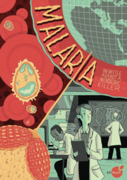
This malaria comic provides an engaging and educational overview of the disease, covering topics such as transmission, symptoms, prevention and treatment. It uses illustrations and storytelling to s
...
implify complex scientific information and raise awareness, promoting malaria control efforts and making the topic accessible to a broad audience, including students, health workers, and the general public.
more
