
Filter
2400
Text search:
global
violence
against
children
Featured
200
674
Language
2317
57
55
40
26
11
10
7
6
5
5
4
4
4
4
3
3
3
3
3
3
3
3
3
3
3
3
3
3
2
2
2
2
2
2
2
2
2
2
2
1
1
1
1
1
1
1
1
1
1
1
1
1
1
1
1
1
1
1
1
1
1
1
1
1
1
1
1
1
1
1
1
1
1
1
1
1
1
1
1
1
1
1
1
1
1
1
1
1
1
1
1
1
1
1
1
1
1
Document type
1388
468
196
127
108
43
31
23
3
3
3
2
2
Countries / Regions
138
89
79
61
54
51
51
51
50
44
44
43
42
42
41
40
38
35
34
32
31
29
27
25
24
24
23
23
22
21
19
18
18
16
16
15
15
15
15
15
14
13
13
13
12
12
10
10
9
9
9
9
8
7
7
7
6
6
5
5
5
5
5
5
5
4
4
4
4
4
3
3
3
3
3
3
3
3
2
2
2
2
2
2
2
2
2
2
2
2
2
2
2
2
1
1
1
1
1
1
1
1
1
1
1
1
1
1
1
1
1
1
1
1
1
1
Authors & Publishers
217
95
89
78
70
66
56
39
30
28
24
21
19
18
18
17
16
16
16
15
15
14
14
13
13
13
12
12
12
11
9
9
9
9
8
8
8
8
8
8
8
8
8
8
7
7
7
7
7
7
7
6
6
6
6
6
6
6
6
6
6
6
6
6
6
6
5
5
5
5
5
5
5
5
5
5
5
5
4
4
4
4
4
4
4
4
4
4
4
4
4
4
4
4
4
4
4
4
4
4
4
4
4
4
4
4
3
3
3
3
3
3
3
3
3
3
3
3
3
3
3
3
3
3
3
3
3
3
3
3
3
3
3
3
3
3
3
3
3
3
3
3
3
3
3
3
3
3
3
3
3
3
3
3
3
3
3
3
3
3
3
3
3
3
3
3
3
3
3
3
3
2
2
2
2
2
2
2
2
2
2
2
2
2
2
2
2
2
2
2
2
2
2
2
2
2
2
2
2
2
2
2
2
2
2
2
2
2
2
2
2
2
2
2
2
2
2
2
2
2
2
2
2
2
2
2
2
2
2
2
2
2
2
2
2
2
2
2
2
2
2
2
2
2
2
2
2
2
2
2
2
2
2
2
2
2
2
2
2
2
2
2
2
2
2
2
2
2
2
2
2
2
2
2
2
2
2
2
2
2
2
2
2
2
2
2
2
2
2
2
2
2
2
2
2
2
2
2
2
2
2
2
2
2
2
2
2
2
2
2
2
1
1
1
1
1
1
1
1
1
1
1
1
1
1
1
1
1
1
1
1
1
1
1
1
1
1
1
1
1
1
1
1
1
1
1
1
1
1
1
1
1
1
1
1
1
1
1
1
1
1
1
1
1
1
1
1
1
1
1
1
1
1
1
1
1
1
1
1
1
1
1
1
1
1
1
1
1
1
1
1
1
1
1
1
1
1
1
1
1
1
1
1
1
1
1
1
1
1
1
1
1
1
1
1
1
1
1
1
1
1
1
1
1
1
1
1
1
1
1
1
1
1
1
1
1
1
1
1
1
1
1
1
1
1
1
1
1
1
1
1
1
1
1
1
1
1
1
1
1
1
1
1
1
1
1
1
1
1
1
1
1
1
1
1
1
1
1
1
1
1
1
1
1
1
1
1
1
1
1
1
1
1
1
1
1
1
1
1
1
1
1
1
1
1
1
1
1
1
1
1
1
1
1
1
1
1
1
1
1
1
1
1
1
1
1
1
1
1
1
1
1
1
1
1
1
1
1
1
1
1
1
1
1
1
1
1
1
1
1
1
1
1
1
1
1
1
1
1
1
1
1
1
1
1
1
1
1
1
1
1
1
1
1
1
1
1
1
1
1
1
1
1
1
1
1
1
1
1
1
1
1
1
1
1
1
1
1
1
1
1
1
1
1
1
1
1
1
1
1
1
1
1
1
1
1
1
1
1
1
1
1
1
1
1
1
1
1
1
1
1
1
1
1
1
1
1
1
1
1
1
1
1
1
1
1
1
1
1
1
1
1
1
1
1
1
1
1
1
1
1
1
1
1
1
1
1
1
1
1
1
1
1
1
1
1
1
1
1
1
1
1
1
1
1
1
1
1
1
1
1
1
1
1
1
1
1
1
1
1
1
1
1
1
1
1
1
1
1
1
1
1
1
1
1
1
1
1
1
1
1
1
1
1
1
1
1
1
1
1
1
1
1
1
1
1
1
1
1
1
1
1
1
1
1
1
1
1
1
1
1
1
1
1
1
1
1
1
1
1
1
1
1
1
1
1
1
1
1
1
1
1
1
1
1
1
1
1
1
1
1
1
1
1
1
1
1
1
1
1
1
1
1
1
1
1
1
1
1
1
1
1
1
1
1
1
1
1
1
1
1
1
1
1
1
1
1
1
1
1
1
1
1
1
1
1
1
1
1
1
1
1
1
1
1
1
1
1
1
1
1
1
1
1
1
1
1
1
1
1
1
1
1
1
1
1
1
1
1
1
1
1
1
1
1
1
1
1
1
1
1
1
1
1
1
1
1
1
1
1
1
1
1
1
1
1
1
1
1
1
1
1
1
1
1
1
1
1
1
1
1
1
1
1
1
1
1
1
1
1
1
1
1
1
1
1
1
1
1
1
1
1
1
1
1
1
1
1
1
1
1
1
1
1
1
1
1
1
1
1
1
1
1
1
1
1
1
1
1
1
1
1
1
1
1
1
1
1
1
1
1
1
1
1
1
1
1
1
1
1
1
1
1
1
1
1
1
1
1
1
1
1
1
1
1
1
1
1
1
1
1
1
1
1
1
1
1
1
1
1
1
1
1
1
1
1
1
1
1
1
1
1
1
1
1
1
1
1
1
1
1
1
1
1
1
1
1
1
1
1
1
1
1
1
1
1
1
1
1
1
1
1
1
1
1
1
1
1
1
1
1
1
1
1
1
1
1
1
1
1
1
1
1
1
1
1
1
1
1
1
1
1
1
1
1
1
1
1
1
1
1
1
1
1
1
1
1
1
1
1
1
1
1
1
1
1
1
1
1
1
1
1
1
1
1
1
1
1
1
1
1
1
1
1
1
1
1
1
1
1
1
1
1
1
1
1
1
1
1
1
1
1
1
1
1
1
1
1
1
1
1
1
1
1
1
1
1
1
1
1
1
1
1
1
1
1
1
1
1
1
1
1
1
1
1
1
1
1
1
1
1
1
1
1
1
1
1
1
1
1
1
1
1
1
1
1
1
1
1
1
1
1
1
1
1
1
1
1
1
1
1
1
1
1
1
1
1
1
1
1
1
1
1
1
1
1
1
1
1
1
1
1
1
1
1
1
1
1
1
1
1
1
1
1
1
1
1
1
1
1
1
1
1
1
1
1
1
1
1
1
1
1
1
1
1
1
1
1
1
1
1
1
1
1
1
1
1
1
1
1
1
1
1
1
1
1
1
1
1
1
1
1
1
1
1
1
1
1
1
1
1
1
1
1
1
1
1
1
1
1
1
1
1
1
1
1
1
1
1
1
1
1
1
1
1
1
1
1
1
1
1
1
1
1
1
1
1
1
1
1
1
1
1
1
1
1
1
1
1
1
1
1
1
1
1
1
1
1
1
1
1
1
1
1
1
1
1
1
1
1
1
1
1
1
1
1
1
1
1
1
1
1
1
1
1
1
1
1
1
1
1
1
1
1
1
1
1
1
1
1
1
1
1
1
1
1
1
1
1
1
1
1
1
1
1
1
1
1
1
1
1
1
1
1
1
1
1
1
1
1
1
1
1
1
1
1
1
1
1
1
1
1
1
1
1
1
1
1
1
1
1
1
1
1
1
1
1
1
1
1
1
1
1
1
1
1
1
1
1
1
1
1
1
1
1
1
1
1
1
1
1
1
1
1
1
1
1
1
1
1
1
1
1
1
1
1
1
1
1
1
1
1
1
1
1
1
1
1
1
1
1
1
1
1
1
1
1
1
1
1
1
1
1
1
1
1
1
1
1
1
1
1
1
1
1
1
1
1
1
1
1
1
1
1
1
1
1
1
1
1
1
1
1
1
1
1
1
1
1
1
1
1
1
1
1
1
1
1
1
1
1
1
1
1
1
1
1
1
1
1
1
1
1
1
1
1
1
1
1
1
1
1
1
1
1
1
1
1
1
1
1
1
1
1
1
1
1
1
1
1
1
1
1
1
1
1
1
1
1
1
1
1
1
1
1
1
1
1
1
1
1
1
1
1
1
1
1
1
1
1
1
1
1
1
1
1
1
1
1
1
1
1
1
1
1
1
1
1
1
1
1
1
1
1
1
1
1
1
1
1
1
1
1
1
1
1
1
1
1
1
1
1
1
1
1
1
1
1
1
1
1
1
1
1
1
1
1
1
1
1
1
1
1
1
1
1
1
1
1
1
1
1
1
1
1
1
1
1
1
1
1
1
1
1
1
1
1
1
1
1
1
1
1
1
1
1
1
1
1
1
1
1
1
1
1
1
1
1
1
1
1
1
1
1
1
1
1
1
1
1
1
1
1
1
1
1
1
1
1
1
1
1
1
1
1
1
1
1
1
1
1
1
1
1
1
1
1
1
1
1
1
1
1
1
1
1
1
1
1
1
1
1
1
1
1
1
1
1
1
1
1
1
1
1
1
1
1
1
1
1
1
1
1
1
1
1
1
1
1
1
1
1
1
1
1
1
1
1
1
1
1
1
1
1
1
1
1
1
1
1
1
1
1
1
1
1
1
1
1
1
1
1
1
1
1
1
1
1
1
1
1
1
1
1
1
1
1
1
1
1
1
1
1
1
1
1
1
1
1
1
1
1
1
1
1
1
1
1
1
1
1
1
1
1
1
1
1
1
1
1
1
1
1
1
1
1
1
1
1
1
1
1
1
1
1
1
1
1
Publication Years
1
757
1478
161
3
Category
965
208
179
103
52
40
3
Toolboxes
260
249
202
175
166
116
66
58
46
41
29
26
23
15
13
8
8
7
7
7
7
5
5
4
3
1
Every five minutes a child dies as the result of violence, according to a ground-breaking report from Unicef UK. The report reveals that the vast majority of children are killed outside warzones and
...
that physical, sexual and emotional abuse is widespread with millions of children unsafe in their homes, schools and communities. Some 345 children could die from violence each day in the next year, unless governments act.
The report also finds that:
(1) Children who are victims of violence have brain activity similar to soldiers exposed to combat;
(2) A third of children who are victims of violence are likely to develop long-lasting symptoms of post-traumatic stress disorder;
(3) Those living in poverty are more likely to be victims of violence, wherever they live in the world;
(4) Over 7% of child deaths due to violence each day are the result of interpersonal violence, rather than conflict.
more
Many children will not be ‘safe to learn at home’: As of April 2020, 91 percent of the world’s students have been affected by school closures due to COVID-19. While schools are often places where vio
...
lence occurs, they also offer a comparatively protective and nurturing space for many children. Especially for the most vulnerable learners -the poorest and most left behind- that rely on school not only for learning and development, but also for food, trusted and accurate information on important issues such as hygiene, and their overall physical and mental health.
more
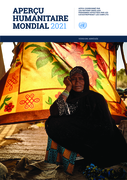
COVID-19 has triggered the deepest global recession since the 1930s. Extreme poverty has risen for the first time in 22 years, and unemployment has increased dramatically. Women and young people aged 15 – 29 working in the informal sector are bein
...
g hit the hardest. School closures have affected 91 per cent of students worldwide.
Political conflicts are more intense and taking a heavy toll on civilians, disproportionately affecting children. Women and girls are at increased risk of conflict-related sexual violence. Attacks against aid and health workers persist. For the ninth consecutive year, more than 90 per cent of casualties from explosive weapons in populated areas were civilians.
The last decade saw the highest-ever number of people internally displaced by conflict and violence, with many locked in a state of protracted displacement. There are an estimated 51 million new and existing IDPs, and the number of refugees has doubled to 20 million.
more
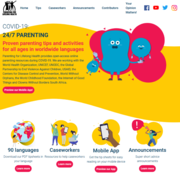
Available in 90 languages!
Parenting for Lifelong Health provides open-access online parenting resources during COVID-19. We are working with the World Health Organization, UNICEF, UNODC, the Global Partnership to End
...
Violence Against Children, USAID, the Centers for Disease Control and Prevention, World Without Orphans, the World Childhood Foundation, the Internet of Good Things and Clowns Without Borders South Africa.
more
This page provides open-access online parenting resources during COVID-19 on one-on-one time, keeping it positive, structure up, bad behaviour, keep calm and manage stress, and talking about COVID-19. These resources, available in 30+ languages, were developed by Parenting for Lifelong Health, who a
...
re working with WHO, UNICEF, the Global Partnership to End Violence Against Children, the Internet of Good Things, USAID and Centers for Disease Control and Prevention.
more
Asia is home to more than half of the world’s 1.1 billion girls. Gender inequality in many parts of the region means that girls are often systematically disadvantaged and oppressed by poverty, violence, exclusion and discrimination. Girls’ devel
...
opment is hampered by child, early and forced marriage and high adolescent pregnancy rates. Across the region, genderbased violence against girls and women constitutes a serious and widespread rights violation, particularly with regard to domestic violence, marital rape, and trafficking in women and girls.
Emerging data shows that since the outbreak of COVID-19, violence against girls and women, particularly domestic violence, has intensified
more
This report is documenting the global incidence of attacks and threats against health workers, facilities, and transport around the world. The report cites 806 incidents of
...
violence against or obstruction of health care in 43 countries and territories in ongoing wars and violent conflicts in 2020, ranging from the bombing of hospitals in Yemen to the abduction of doctors in Nigeria. Attacks -- including killings, kidnappings, and sexual assaults, as well as destruction and damage of health facilities and transports -- compounded the threats to health in every country as health systems struggled to prepare for and respond to the outbreak of the COVID-19 pandemic.
more
Developed as part of the UN Women–WHO Global Joint Programme on Violence Against Women Data, this briefing note focuses on the measurement of
...
violence against women with disability and is one in a series of methodological briefing notes for strengthening the measurement and data collection of violence against particular groups of women or specific aspects of violence against women.
The briefing note is meant for researchers, national statistics offices, and others involved in data collection on violence against women. It provides an overview of the challenges in the availability, measurement, and collection of data on violence against women with disability and outlines recommendations for good practice in measurement, with the aim of strengthening ongoing and future data collection efforts and increasing the availability of such data.
The inclusion of women with disability and the issue of disability within population-based surveys and research on violence against women is necessary for an improved understanding of populations of women at specific risk of violence. This knowledge would also allow more tailored prevention strategies and response/services and programmes to be designed in a way that addresses the specific needs of women with disability.
more
Children in refugee situations face many potential dangers, such as violence, abuse, exploitation, discrimination, separation from their families, trafficking and military recruitment. The impact of
...
these experiences can be devastating and long-lasting. Children have different needs from adults and these needs can only be identified and met if they are approached in a way that is specific to children.
The impact of the COVID-19 global pandemic has exacerbated the dangers faced by children in refugee situations and laid bare the need for their protection and for ensuring that all their human rights are upheld all the time.
The goal of this publication is to share examples of approaches by members of the Initiative that have proven effective for children.
more
This report presents the most current data on four specific forms of violence – violent discipline and exposure to domestic abuse during early childhood; violence at school; violent deaths among a
...
dolescents; and sexual violence in childhood and adolescence. The statistics reveal that children experience violence across all stages of childhood, in diverse settings, and often at the hands of the trusted individuals with whom they interact daily. The report concludes with specific national actions and strategies that UNICEF has embraced to prevent and respond to violence against children.
more
New research explores the stress children in World Vision programmes in the Middle East and Eastern Europe region are under due to COVID-19. In addition to their fear that they themselves or their loved ones will catch the disease,
...
children worry about economic hardships, the loss of their education, increased violence and social isolation. But in the midst of it all, a clear message comes through – young people are hopeful about the future, they want to make a contribution and they want their voices to be heard.
more

One of the principles underpinning the delivery of all essential services and coordination of those services is the “survivor-centered approach”, which places the human rights, needs, and wishes of women and girl survivors at the centre of service delivery.
A key challenge faced by many entit
...
ies working to end violence against women is ensuring that survivors’ voices and inputs are incorporated into policies, practices, and procedures on response. Survivors have diverse needs and face different risks. Not all women and girls experience violence in the same way. An effective intervention takes into account the realities of their unique circumstances, addresses individual needs, and reduces the risk for further harm and suffering.
UN Women, together with Global Rights for Women, have developed “Safe consultations with survivors of violence against women and girls”, which is designed to provide practical steps, safety measures, and actions that government agencies, civil society and survivor organizations, and United Nations’ entities can take to incorporate survivors' voices into systemic reform efforts, through safe and meaningful consultations.
This guidance is intended to help policymakers develop survivor-centered programming on ending violence against women and girls that meets the needs of diverse groups of women and girls, including those who are at higher risk of experiencing violence and discrimination. It is applicable to programming across the health, justice and policing, and social services sectors, as well as coordination of these sectors, and will help improve the standard and delivery of essential services for women and girls who have experienced violence.
more

Disability, CBR & Inclusive Development, [S.l.], v. 24, n. 3, p. 112-122, nov. 2013. ISSN 2211-5242
Children with disabilities encounter more violence in their lives than their peers without disab
...
ility. Organisations involved in Community Based Rehabilitation (CBR) come across many cases of violence against the children they work with. Many organisations have no policy on child protection since it is not within the scope of their expertise. Others work with child protection policies that are hard to apply in the realities they deal with. Through research done in Ethiopia, with a recent update, the author attempts to show that there is a need for policies in CBR, that follow a community approach rather than an individual approach to child protection.
more
This briefing note summarizes work undertaken by UN Women and WHO to inform the development of a module on violence against women 60 years and older that can be included in dedicated surveys on
...
violence against women. It provides an overview of the challenges in the availability, measurement, and collection of data on violence against older women. It also makes recommendations to address some of the issues identified, with the aim of strengthening ongoing and future data collection efforts on violence against older women and increasing its availability.
Developed as part of the UN Women–WHO Global Joint Programme on Violence Against Women Data, this methodological briefing note is one in a series that aims to strengthen the measurement and data collection of violence against particular groups of women or specific aspects of violence against women. These briefing notes are meant for researchers, national statistics offices, and others involved in data collection on violence against women. They seek to contribute to strengthening the quality and availability of data on violence against women and enhance global, regional, and national level monitoring of progress towards its elimination.
more
Children in every country, every culture and at every social level face various forms of abuse,
neglect, exploitation and violence1. The abuse takes place at home, in school, in institutions,
at work, in the community, in armed conflict and natura
...
l disasters. Much violence against
children, such as corporal punishment and sexual abuse, remains legal and socially approved
in many countries. Growing up with violence and abuse seriously affects a child’s development,
dignity, and physical and psychological integrity. Save the Children works to prevent
abuse and neglect from happening, ensure the victims of violence are supported and that
justice is ensured.
more
24 Nov. 2021
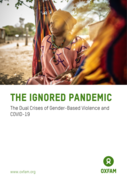
Action against gender-based violence being pushed to the outlying margins of the global COVID-19 response
A new Oxfam report shows
...
an undeniable increase in gender-based violence (GBV) during the COVID-19 pandemic around the world to which too many governments and donors are not doing enough to tackle.
The report, The Ignored Pandemic: The Dual Crisis of Gender-Based Violence and COVID-19, showed the number of calls made by survivors to domestic violence hotlines in ten countries during the first months of lockdown. The data reveals a 25 – 111 percentage surge; in Argentina (25%), Colombia (79%), Tunisia (43%), China (50%), Somalia (50%), South Africa (69%), UK (25%), Cyprus (39%), Italy (73%) and the largest increase in Malaysia where calls surged by over 111%.
more
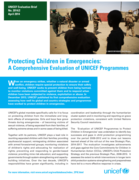
In December 2013, UNICEF published its first comprehensive evaluation assessing how well its global and country strategies and programmes have worked to protect children in emergencies.
The ‘Ev
...
aluation of UNICEF Programmes to Protect Children in Emergencies’ was undertaken to identify key successes and gaps in child protection programming over the period 2009-2012 and to draw out lessons learned ahead of the roll-out of the new Strategic Plan, 2014-2017. The evaluation investigates achievements and gaps against the Core Commitments for Children in Humanitarian Action (CCCs), UNICEF’s Child Protection Strategy and the previous Strategic Plan, 2006-2013. It assesses the extent to which interventions in longer term
child protection systems-strengthening and preparedness have led to a more effective response in crises.
more
