Filter
558
Text search:
World
Health
Organisation,
unicef,
World
Bank
Group
Featured
Recommendations
41
New Publications
187
Language
Document type
No document type
360
Studies & Reports
124
Strategic & Response Plan
24
Guidelines
22
Manuals
14
Fact sheets
6
Situation Updates
4
Resource Platforms
2
Training Material
1
Brochures
1
Countries / Regions
Global
26
Sierra Leone
25
India
24
Nigeria
22
Zambia
21
Myanmar / Burma
21
Nepal
19
Malawi
14
Liberia
13
Ghana
12
Namibia
10
Uganda
9
South Sudan
9
Africa
9
Congo, Democratic Republic of
8
Ethiopia
8
Bangladesh
8
Latin America and the Carribbean
8
Pakistan
7
Syria
7
Kenya
7
Cambodia
7
Indonesia
7
Zimbabwe
6
Rwanda
6
Tanzania
5
South Africa
5
Mozambique
5
Lesotho
5
East and Southern Africa
5
Botswana
4
West and Central Africa
4
Middle East and North Africa
4
Laos
4
Guinea
3
Haiti
3
Philippines
3
Afghanistan
3
Central African Republic
3
Sri Lanka
3
Yemen
3
Vietnam
3
Mali
2
Iraq
2
Lebanon
2
Thailand
2
Sudan
2
Eswatini/ Swaziland
2
Ukraine
2
Ecuador
2
Asia
2
Iran
2
Kyrgyzstan
2
Japan
2
Cameroon
1
Niger
1
Somalia
1
Jordan
1
China
1
Malaysia
1
Singapore
1
Benin
1
Brazil
1
Serbia
1
Croatia
1
Burundi
1
Colombia
1
Guatemala
1
Madagascar
1
South–East Asia Region
1
Western Pacific Region
1
Fiji
1
Bhutan
1
Eastern Europe
1
Albania
1
Russia
1
Bulgaria
1
Moldova
1
Turkmenistan
1
Portugal
1
Spain
1
Azerbaijan
1
Bosnia and Herzegovina
1
Authors & Publishers
Publication Years
Category
Countries
240
Key Resources
61
Women & Child Health
45
Public Health
23
Clinical Guidelines
13
Capacity Building
5
Toolboxes
Disability
60
COVID-19
48
Conflict
24
HIV
23
Planetary Health
23
Mental Health
22
Global Health Education
22
Health Financing Toolbox
22
Ebola & Marburg
16
Caregiver
16
AMR
14
Refugee
11
Natural Hazards
7
Rapid Response
5
NTDs
4
TB
3
2.0 Rapid Response
3
Cholera
2
Zika
2
Polio
1
Social Ethics
1
Pharmacy
1
NCDs
1
Malaria
1
The standards for the care of small and sick newborns in health facilities define, standardize and mainstream inpatient care of small and sick newborns, building on essential newborn care and ensuring consistency with the WHO quality of care framewo
...

Obesity in all age groups, including children and adolescents, is a public health challenge across all settings. Obesity is now classified as a complex multifactorial chronic disease and not just a risk factor for other noncommunicable diseases and
...
This document, Programme and curriculum development guide, presents a systematic approach to developing programmes and curricula for implementation of the family planning (FP) and comprehensive abortion care (CAC) competencies,and the theory behind the approach. Specifically, the aim is for effectiv
...

Atlas of African Health Statistics 2022: Health situation analysis of the WHO African Region
Since 2019, we have been implementing Phase 2 of the regional Transformation Agenda, which informs and a
...

An estimated 1.3 billion people globally experience significant disability. This figure has grown over the last decade and will continue to rise due to demographic and epidemiological changes. In 2022, the World
...
WHO needs US$2.54 billion to provide life-saving assistance to millions of people around the world facing health emergencies. WHO’s Health Emerge
...
Safe water, sanitation and hygiene (collectively known as WASH) are crucial for human health and well-being. Yet, millions of people globally lack adequate WASH services and consequently suffer from or are exposed to a multitude of preventable illne
...

The knowledge guide is the second publication in the Self-care competency framework to support health and care workers.
This describes how health and care workers can apply each of the 10 compete
...

Violence against women and girls is widespread in the Region of the Americas, resulting in enormous consequences for the health and wellbeing of women and girls, their families and communities. These costs are unacceptable and they can be prevented
...
The standards define 10 key competencies for health and care workers to support self-care in their clinical practice as well as the specific, measurable behaviours that demonstrate those competencies, focusing on people-centredness; decision-making;
...
Evidence- and rights-based national policies, guidelines and legislation play a key role in improving sexual, reproductive, maternal, newborn, child and adolescent health (SRMNCAH), framing the enabling environment for equitable provision and access
...

To enhance health co-benefits across urban policies which tackle air pollution and climate change, WHO, in cooperation with various international, national, and local partners, implemented the Urban Health
...
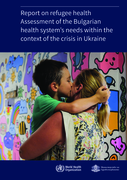
Since the beginning of the Ukraine crisis on 24 February 2022, WHO has supported Government-led efforts and initiatives alongside key partners on the ground. Building on efforts to date, and working alongside Bulgaria’s health authorities to bring
...
Workshop on PHC Revitalisation in Nepal, April 5-6, 2010

Annual and medium-term budget preparation processes are the platforms through which specific plans are transformed into actual resource allocation decisions. The aim of this Process Guide is to support key stakeholders involved in these processes (such as the Cabinet, Ministries of Finance and
...
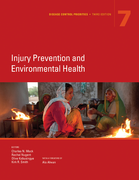
The substantial burden of death and disability that results from interpersonal violence, road traffic injuries, unintentional injuries, occupational health risks, air pollution, climate change, and inadequate water and sanitation falls disproportion
...
The report identifies major global gaps in WASH services: one third of health care facilities do not have what is needed to clean hands where care is provided; one in four facilities have no water services, and 10% have no sanitation services. This
...
The Global Reference List of 100 Core Health Indicators is a standard set of core indicators prioritized by the global community to provide concise information on the health situation and trends, in
...