Filter
380
Text search:
Seizure
Featured
58
76
Language
Document type
253
52
35
18
9
7
3
2
1
Countries
23
10
9
9
7
7
7
7
6
5
5
5
4
4
4
4
4
4
4
4
4
3
3
3
3
3
3
2
2
2
2
2
2
2
2
1
1
1
1
1
1
1
1
1
1
1
1
1
1
1
1
1
1
1
1
1
1
1
Authors & Publishers
Publication Years
Category
120
45
19
13
12
8
Toolboxes
117
36
15
14
13
10
9
9
8
6
5
4
4
3
3
2
2
2
1
1
1
Q9. In adults and children with convulsive epilepsy in remission, when should treatment be discontinued?
Scoping Question: For adults and children living with HIV, which antiepileptic medications (such as phenobarbital, phenytoin, carbamazepine or valproic acid) produce benefits and/or harms when compared to a placebo or controls?
[Updated 2015]
Scoping Question: In adults with acute convulsive seizures in first-level care or in the community (when no IV access is available), which antiepileptic medications produce benefits and/or harm when compared to comparator?
SCOPING QUESTION: In adults with established status epilepticus (i.e., seizures persisting after the first-line treatment with benzodiazepines [or benzodiazepines-resistant status epilepticus]), which anti-epileptic medications are associated with cessation of seizures and reduced adverse effects)?
...
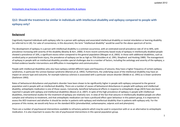
Q12: Should the treatment be similar in individuals with intellectual disability and epilepsy compared to people with epilepsy only?
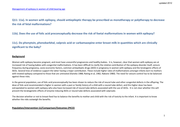
Q11: 11a). In women with epilepsy, should antiepileptic therapy be prescribed as monotherapy or polytherapy to decrease the risk of fetal malformations?
11b). Does the use of folic acid preconceptually decrease the risk of foetal malformations in women with epilepsy?
11c). Do phenytoin, phenobarbi
...

Accessed: 10.03.2019

Epilepsia, 55(4):475–482, 2014
doi: 10.1111/epi.12550
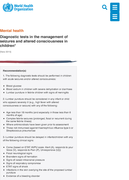

Session outline
•Introduction to epilepsy.
•Assessment of epilepsy.
•Management of epilepsy.
•Follow-up of a person with epilepsy.
•Review or materials and skills.



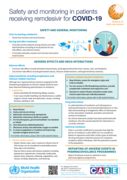
This series of supportive tools are based on the WHO Therapeutics and COVID-19: living guideline. They are intended to provide supportive information for healthcare workers who are prescribing, administering and monitoring patients receiving nirmatrelvir-ritonavir for non-severe COVID-19.


3rd edition!Large File 17 MB!

3rd edition!

Handout presentations in PDF for illustrating lectures
Accessed May 2014