
Filter
4228
Text search:
Nutrition
support
Featured
356
1333
Language
3966
230
76
57
50
27
20
8
8
7
6
5
4
4
4
3
3
3
3
3
3
2
2
2
2
2
2
2
2
2
2
2
1
1
1
1
1
1
1
1
1
1
1
1
1
1
1
1
1
1
1
1
1
1
Document type
2436
719
445
209
184
86
62
55
11
10
8
1
1
1
Countries
240
190
169
145
109
105
92
89
87
85
84
82
75
74
73
67
62
54
54
54
53
50
50
40
38
37
37
36
36
36
35
33
32
32
31
27
23
20
18
18
17
16
16
15
14
13
13
13
12
12
11
11
11
10
10
9
9
8
8
8
8
8
8
8
8
7
6
6
6
6
6
5
5
5
5
4
4
4
4
3
3
3
3
3
3
3
3
3
3
3
2
2
2
2
2
2
2
2
2
2
2
2
2
2
2
2
2
2
1
1
1
1
1
1
1
1
1
1
1
1
1
1
1
1
1
1
1
1
1
1
1
1
1
1
1
1
1
Authors & Publishers
381
138
134
124
97
97
80
74
60
44
30
28
27
26
25
25
24
24
23
22
22
21
20
20
20
19
17
16
16
15
15
15
14
14
14
14
13
13
13
13
13
13
13
13
12
12
12
12
12
12
12
11
11
11
10
10
10
10
10
10
10
9
9
9
9
9
9
9
9
9
9
8
8
8
8
8
8
8
7
7
7
7
7
7
7
7
7
7
7
7
7
7
7
7
7
7
7
7
7
6
6
6
6
6
6
6
6
6
6
6
6
6
6
6
6
6
6
6
6
6
6
6
5
5
5
5
5
5
5
5
5
5
5
5
5
5
5
5
5
5
5
5
5
5
5
5
5
5
5
5
5
5
5
5
5
5
5
5
5
5
5
5
5
5
5
5
5
5
4
4
4
4
4
4
4
4
4
4
4
4
4
4
4
4
4
4
4
4
4
4
4
4
4
4
4
4
4
4
4
4
4
4
4
4
4
4
4
4
4
3
3
3
3
3
3
3
3
3
3
3
3
3
3
3
3
3
3
3
3
3
3
3
3
3
3
3
3
3
3
3
3
3
3
3
3
3
3
3
3
3
3
3
3
3
3
3
3
3
3
3
3
3
3
3
3
3
3
3
3
3
3
3
3
3
3
3
3
3
3
3
3
3
3
3
3
3
3
3
3
3
3
3
3
3
3
3
3
3
3
3
3
3
3
3
3
3
3
3
3
3
3
3
3
2
2
2
2
2
2
2
2
2
2
2
2
2
2
2
2
2
2
2
2
2
2
2
2
2
2
2
2
2
2
2
2
2
2
2
2
2
2
2
2
2
2
2
2
2
2
2
2
2
2
2
2
2
2
2
2
2
2
2
2
2
2
2
2
2
2
2
2
2
2
2
2
2
2
2
2
2
2
2
2
2
2
2
2
2
2
2
2
2
2
2
2
2
2
2
2
2
2
2
2
2
2
2
2
2
2
2
2
2
2
2
2
2
2
2
2
2
2
2
2
2
2
2
2
2
2
2
2
2
2
2
2
2
2
2
2
2
2
2
2
2
2
2
2
2
2
2
2
2
2
2
2
2
2
2
2
2
2
2
2
2
2
2
2
2
2
2
2
2
2
2
2
2
2
2
2
2
2
2
2
2
2
2
2
2
2
2
2
2
2
2
2
2
2
2
2
2
2
2
2
2
2
2
2
2
2
2
2
2
2
2
2
2
2
2
2
2
2
2
2
2
2
2
2
1
1
1
1
1
1
1
1
1
1
1
1
1
1
1
1
1
1
1
1
1
1
1
1
1
1
1
1
1
1
1
1
1
1
1
1
1
1
1
1
1
1
1
1
1
1
1
1
1
1
1
1
1
1
1
1
1
1
1
1
1
1
1
1
1
1
1
1
1
1
1
1
1
1
1
1
1
1
1
1
1
1
1
1
1
1
1
1
1
1
1
1
1
1
1
1
1
1
1
1
1
1
1
1
1
1
1
1
1
1
1
1
1
1
1
1
1
1
1
1
1
1
1
1
1
1
1
1
1
1
1
1
1
1
1
1
1
1
1
1
1
1
1
1
1
1
1
1
1
1
1
1
1
1
1
1
1
1
1
1
1
1
1
1
1
1
1
1
1
1
1
1
1
1
1
1
1
1
1
1
1
1
1
1
1
1
1
1
1
1
1
1
1
1
1
1
1
1
1
1
1
1
1
1
1
1
1
1
1
1
1
1
1
1
1
1
1
1
1
1
1
1
1
1
1
1
1
1
1
1
1
1
1
1
1
1
1
1
1
1
1
1
1
1
1
1
1
1
1
1
1
1
1
1
1
1
1
1
1
1
1
1
1
1
1
1
1
1
1
1
1
1
1
1
1
1
1
1
1
1
1
1
1
1
1
1
1
1
1
1
1
1
1
1
1
1
1
1
1
1
1
1
1
1
1
1
1
1
1
1
1
1
1
1
1
1
1
1
1
1
1
1
1
1
1
1
1
1
1
1
1
1
1
1
1
1
1
1
1
1
1
1
1
1
1
1
1
1
1
1
1
1
1
1
1
1
1
1
1
1
1
1
1
1
1
1
1
1
1
1
1
1
1
1
1
1
1
1
1
1
1
1
1
1
1
1
1
1
1
1
1
1
1
1
1
1
1
1
1
1
1
1
1
1
1
1
1
1
1
1
1
1
1
1
1
1
1
1
1
1
1
1
1
1
1
1
1
1
1
1
1
1
1
1
1
1
1
1
1
1
1
1
1
1
1
1
1
1
1
1
1
1
1
1
1
1
1
1
1
1
1
1
1
1
1
1
1
1
1
1
1
1
1
1
1
1
1
1
1
1
1
1
1
1
1
1
1
1
1
1
1
1
1
1
1
1
1
1
1
1
1
1
1
1
1
1
1
1
1
1
1
1
1
1
1
1
1
1
1
1
1
1
1
1
1
1
1
1
1
1
1
1
1
1
1
1
1
1
1
1
1
1
1
1
1
1
1
1
1
1
1
1
1
1
1
1
1
1
1
1
1
1
1
1
1
1
1
1
1
1
1
1
1
1
1
1
1
1
1
1
1
1
1
1
1
1
1
1
1
1
1
1
1
1
1
1
1
1
1
1
1
1
1
1
1
1
1
1
1
1
1
1
1
1
1
1
1
1
1
1
1
1
1
1
1
1
1
1
1
1
1
1
1
1
1
1
1
1
1
1
1
1
1
1
1
1
1
1
1
1
1
1
1
1
1
1
1
1
1
1
1
1
1
1
1
1
1
1
1
1
1
1
1
1
1
1
1
1
1
1
1
1
1
1
1
1
1
1
1
1
1
1
1
1
1
1
1
1
1
1
1
1
1
1
1
1
1
1
1
1
1
1
1
1
1
1
1
1
1
1
1
1
1
1
1
1
1
1
1
1
1
1
1
1
1
1
1
1
1
1
1
1
1
1
1
1
1
1
1
1
1
1
1
1
1
1
1
1
1
1
1
1
1
1
1
1
1
1
1
1
1
1
1
1
1
1
1
1
1
1
1
1
1
1
1
1
1
1
1
1
1
1
1
1
1
1
1
1
1
1
1
1
1
1
1
1
1
1
1
1
1
1
1
1
1
1
1
1
1
1
1
1
1
1
1
1
1
1
1
1
1
1
1
1
1
1
1
1
1
1
1
1
1
1
1
1
1
1
1
1
1
1
1
1
1
1
1
1
1
1
1
1
1
1
1
1
1
1
1
1
1
1
1
1
1
1
1
1
1
1
1
1
1
1
1
1
1
1
1
1
1
1
1
1
1
1
1
1
1
1
1
1
1
1
1
1
1
1
1
1
1
1
1
1
1
1
1
1
1
1
1
1
1
1
1
1
1
1
1
1
1
1
1
1
1
1
1
1
1
1
1
1
1
1
1
1
1
1
1
1
1
1
1
1
1
1
1
1
1
1
1
1
1
1
1
1
1
1
1
1
1
1
1
1
1
1
1
1
1
1
1
1
1
1
1
1
1
1
1
1
1
1
1
1
1
1
1
1
1
1
1
1
1
1
1
1
1
1
1
1
1
1
1
1
1
1
1
1
1
1
1
1
1
1
1
1
1
1
1
1
1
1
1
1
1
1
1
1
1
1
1
1
1
1
1
1
1
1
1
1
1
1
1
1
1
1
1
1
1
1
1
1
1
1
1
1
1
1
1
1
1
1
1
1
1
1
1
1
1
1
1
1
1
1
1
1
1
1
1
1
1
1
1
1
1
1
1
1
1
1
1
1
1
1
1
1
1
1
1
1
1
1
1
1
1
1
1
1
1
1
1
1
1
1
1
1
1
1
1
1
1
1
1
1
1
1
1
1
1
1
1
1
1
1
1
1
1
1
1
1
1
1
1
1
1
1
1
1
1
1
1
1
1
1
1
1
1
1
1
1
1
1
1
1
1
1
1
1
1
1
1
1
1
1
1
1
1
1
1
1
1
1
1
1
1
1
1
1
1
1
1
1
1
1
1
1
1
1
1
1
1
1
1
1
1
1
1
1
1
1
1
1
1
1
1
1
1
1
1
1
1
1
1
1
1
1
1
1
1
1
1
1
1
1
1
1
1
1
1
1
1
1
1
1
1
1
1
1
1
1
1
1
1
1
1
1
1
1
1
1
1
1
1
1
1
1
1
1
1
1
1
1
1
1
1
1
1
1
1
1
1
1
1
1
1
1
1
1
1
1
1
1
1
1
1
1
1
1
1
1
1
1
1
1
1
1
1
1
1
1
1
1
1
1
1
1
1
1
1
1
1
1
1
1
1
1
1
1
1
1
1
1
1
1
1
1
1
1
1
1
1
1
1
1
1
1
1
1
1
1
1
1
1
1
1
1
1
1
1
1
1
1
1
1
1
1
1
1
1
1
1
1
1
1
1
1
1
1
1
1
1
1
1
1
1
1
1
1
1
1
1
1
1
1
1
1
1
1
1
1
1
1
1
1
1
1
1
1
1
1
1
1
1
1
1
1
1
1
1
1
1
1
1
1
1
1
1
1
1
1
1
1
1
1
1
1
1
1
1
1
1
1
1
1
1
1
1
1
1
1
1
1
1
1
1
1
1
1
1
1
1
1
1
1
1
1
1
1
1
1
1
1
1
1
1
1
1
1
1
1
1
1
1
1
1
1
1
1
1
1
1
1
1
1
1
1
1
1
1
1
1
1
1
1
1
1
1
1
1
1
1
1
1
1
1
1
1
1
1
1
1
1
1
1
1
1
1
1
1
1
1
1
1
1
1
1
1
1
1
1
1
1
1
1
1
1
1
1
1
1
1
1
1
1
1
1
1
1
1
1
1
1
1
1
1
1
1
1
1
1
1
1
1
1
1
1
1
1
1
1
1
1
1
1
1
1
1
1
1
1
1
1
1
1
1
1
1
1
1
1
1
1
1
1
1
1
1
1
1
1
1
1
1
1
1
1
1
1
1
1
1
1
1
1
1
1
1
1
1
1
1
1
1
1
1
1
1
1
1
1
1
1
1
1
1
1
1
1
1
1
1
1
1
1
1
1
1
1
1
1
1
1
1
1
1
1
1
1
1
1
1
1
1
1
1
1
1
1
1
1
1
1
1
1
1
1
1
1
1
1
1
1
1
1
1
1
1
1
1
1
1
1
1
1
1
1
1
1
1
1
1
1
1
1
1
1
1
1
1
1
1
1
1
1
1
1
1
1
1
1
1
1
1
1
1
1
1
1
1
1
1
1
1
1
1
1
1
1
1
1
1
1
1
1
1
1
1
1
1
1
1
1
1
1
1
1
1
1
1
1
1
1
1
1
1
1
1
1
1
1
1
1
1
1
1
1
1
1
1
1
1
1
1
1
1
1
1
1
1
1
1
1
1
1
1
1
1
1
1
1
1
1
1
1
1
1
1
1
1
1
1
1
1
1
1
1
1
1
1
1
1
1
1
1
1
1
1
1
1
1
1
1
1
1
1
1
1
1
1
1
1
1
1
1
1
1
1
1
1
1
1
1
1
1
1
1
1
1
1
1
1
1
1
1
1
1
1
1
1
1
1
1
1
1
1
1
1
1
1
1
1
1
1
1
1
1
1
1
1
1
1
1
1
1
1
1
1
1
1
1
1
1
1
1
1
1
1
1
1
1
1
1
1
1
1
1
1
1
1
1
1
1
1
1
1
1
1
1
1
1
1
1
1
1
1
1
1
1
1
1
1
1
1
1
1
1
1
1
1
1
1
1
1
1
1
1
1
1
1
1
1
1
1
1
1
1
1
1
1
1
1
1
1
1
1
1
1
1
1
1
1
1
1
1
1
1
1
1
1
1
1
1
1
1
1
1
1
1
1
1
1
1
1
1
1
1
1
1
1
1
1
1
1
1
1
1
1
1
1
1
1
1
1
1
1
1
1
1
1
1
1
1
1
1
1
1
1
1
1
1
1
1
1
1
1
1
1
1
1
1
1
1
1
1
1
1
1
1
1
1
1
1
1
1
1
1
1
1
1
1
1
1
1
1
1
1
1
1
1
1
1
1
1
1
1
1
1
1
1
1
1
1
1
1
1
1
1
1
1
1
1
1
1
1
1
1
1
1
1
1
1
1
1
1
1
1
1
1
1
1
1
1
1
1
1
1
1
1
1
1
1
1
1
1
1
1
1
1
1
1
1
1
1
1
1
1
1
1
1
1
1
1
1
1
1
1
1
1
1
1
1
1
1
1
1
1
1
1
1
1
1
1
1
1
1
1
1
1
1
1
1
1
1
1
1
1
1
1
1
1
1
1
1
1
1
1
1
1
1
1
1
1
1
1
1
1
1
1
1
1
1
1
1
1
1
1
1
1
1
1
1
1
1
1
1
1
1
1
1
1
1
1
1
1
1
1
1
1
1
1
1
1
1
1
1
1
1
1
1
1
1
1
1
1
1
1
1
1
1
1
1
1
1
1
1
1
1
1
1
1
1
1
1
1
1
1
1
1
1
1
1
1
1
1
1
1
1
1
1
1
1
1
1
1
1
1
1
1
1
1
1
1
1
1
1
1
1
1
1
1
1
1
1
1
1
1
1
1
1
1
1
1
1
1
1
1
1
1
1
1
1
1
1
1
1
1
1
1
1
1
1
1
1
1
1
1
1
1
1
1
1
1
1
1
1
1
1
1
1
1
1
1
1
1
1
1
1
1
1
1
1
1
1
1
1
1
1
1
1
1
1
1
1
1
1
1
1
1
1
1
1
1
1
1
1
1
1
1
1
1
1
1
1
1
1
1
1
1
1
1
1
1
1
1
1
1
1
1
1
1
1
1
1
1
1
1
1
1
1
1
1
1
1
1
1
1
1
1
1
1
1
1
1
1
1
1
1
1
1
1
1
1
1
1
1
1
1
1
1
1
1
1
1
1
1
1
1
1
1
1
1
1
1
1
1
1
1
1
1
1
1
1
1
1
1
1
1
1
1
1
1
1
1
1
1
1
1
1
1
1
1
1
1
1
1
1
1
1
1
1
1
1
1
1
1
1
1
1
1
1
1
1
1
1
1
1
1
1
1
1
1
1
1
1
1
1
1
1
1
1
1
1
1
1
1
1
1
1
1
1
1
1
1
1
1
1
1
1
1
1
1
1
1
1
1
1
1
1
1
1
1
1
1
1
1
1
1
1
1
1
1
1
1
1
1
1
1
1
1
1
1
1
1
1
1
1
1
1
1
1
1
1
1
1
1
1
1
1
1
1
1
1
1
1
1
1
1
1
1
1
1
1
Publication Years
1147
2668
391
18
4
Category
2006
354
298
245
245
98
8
Toolboxes
270
210
208
180
166
166
134
103
90
89
83
83
61
56
46
43
40
40
29
29
26
13
13
12
11
4
2

WHO’s Ambition and Action in Nutrition 2016-2025 is anchored in the six global targets for improving maternal, infant and young child nutrition and the global diet-related NCD targets.
I ... n support of the 2030 Agenda for Sustainable Development, particularly SDG2 and SDG3, and in concert with the 2016-2025 UN Decade of Action on Nutrition, WHO’s Ambition and Action in Nutrition 2016-2025 aims for “A world free from all forms of malnutrition where all people achieve health and well-being”. It defines the unique value of WHO for advancing nutrition: the provision of leadership, guidance and monitoring and proposes a theory of change. Finally, following a set of guiding principles, it proposes priority actions for WHO, the delivery model and a clear allocation of roles across the Organization. more
I ... n support of the 2030 Agenda for Sustainable Development, particularly SDG2 and SDG3, and in concert with the 2016-2025 UN Decade of Action on Nutrition, WHO’s Ambition and Action in Nutrition 2016-2025 aims for “A world free from all forms of malnutrition where all people achieve health and well-being”. It defines the unique value of WHO for advancing nutrition: the provision of leadership, guidance and monitoring and proposes a theory of change. Finally, following a set of guiding principles, it proposes priority actions for WHO, the delivery model and a clear allocation of roles across the Organization. more

Maternal, Infant and Young Child Nutrition Strategic Actions:
1 Endorse and disseminate key policies and regulations
2 Improve maternal nutrition
3 Protect, promote, and support optim ... al infant and young child feeding practices
4 Support optimal infant and young child feeding in difficult circumstances
5 Ensure intra-sectoral integration (Health and Nutrition)
6 Improve intersectoral integration (food security and livelihood, WASH, protection, education and shelter)
7 Support capacity building and service strengthening
8 Initiate advocacy and social behavioural change communication
9 Sustain research, information, monitoring and evaluation
10 Mobilise resources and support more
1 Endorse and disseminate key policies and regulations
2 Improve maternal nutrition
3 Protect, promote, and support optim ... al infant and young child feeding practices
4 Support optimal infant and young child feeding in difficult circumstances
5 Ensure intra-sectoral integration (Health and Nutrition)
6 Improve intersectoral integration (food security and livelihood, WASH, protection, education and shelter)
7 Support capacity building and service strengthening
8 Initiate advocacy and social behavioural change communication
9 Sustain research, information, monitoring and evaluation
10 Mobilise resources and support more
To help parents keep their children healthy and fit, WHO has developed the Child Nutrition and Physical Activity Guide. In addition to parents, the guide may prove to be a useful tool for other adults (such as grandparents or caregivers) working wit
...
h primary school-aged children.
The Child Nutrition and Physical Activity Guide is published only in the Russian language with support from the Ministry of Health of the Russian Federation for use in Russian-speaking countries. It addresses the urgent need in some countries to improve child nutrition, particularly in areas that face a double health burden characterized by coexistence of undernutrition and overweight, obesity or noncommunicable diseases. Many children in those countries never eat breakfast, and their diet consists of large quantities of sweets and sugar-sweetened beverages with almost no vegetables and fruit.
The WHO guide also offers ideas on how to stimulate children’s interest in physical activity, such as active play, exercise or sports. This is especially relevant for countries of the Commonwealth of Independent States (CIS), where, according to the latest findings, schoolchildren have a low participation in organized sports and exercise. On the other hand, a high proportion of schoolchildren walk to school every day. This could be a good starting point for CIS countries to make physical activity a daily habit that not only improves children’s physical health, but also promotes better mental health and well-being.
The guide aims to ensure that children obtain the knowledge and skills to make healthy food choices, critically evaluate their diet and integrate physical activity into daily life.
more

Specific action sheets offer useful guidance on mental health and psychosocial support and cover the following areas coordination assessment monitoring and evaluation protection and human rights standards human resources community mobilisation and
...
support health services education dissemination of information food security and nutrition shelter and site planning and water and sanitationthe guidelines include a matrix with guidance for emergency planning actions to be taken in the early stages of an emergency and comprehensive responses needed in the recovery and rehabilitation phases
more

This operational guidance on MHPSS provides a practical orientation and tools for UNHCR country operations. It covers specific points of good practice to consider when developing MHPSS programming and offers advice on priority issues and practical difficulties, while also providing some background i
...
nformation and definitions. Since MHPSS is a cross cutting concept this operational guidance is relevant for programming in various sectors, including health, community based protection, education, shelter, nutrition, food security and livelihoods.
The focus of this operational guidance is on refugees and asylum seekers, but it may apply to other persons of concern within UNHCR operations such as stateless persons, internally displaced persons and returnees. The guidance is meant for operations in both camp and non-camp settings, and in both rural and urban settings in low and middle-income countries with a UNHCR presence.
The guidance should be adapted according to different contexts. A standardized format for programme implementation cannot be offered because this depends to a large extent on existing national capacities and local opportunities.
more
Excessive consumption of salt (more than 5 g per day) raises blood pressure, a major risk factor for cardiovascular diseases such as heart disease and stroke, and is the leading cause of death in the WHO European Region. Many countries in the Region have initiated national salt reduction strategies,
...
including public awareness campaigns, reformulation, and front-of-pack nutrition labelling. However, despite ongoing efforts, surveillance data indicate that salt intake still far exceeds the limits recommended by WHO to protect health.
more
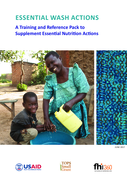
The Essential WASH Actions toolkit expands the connection between WASH and nutrition. This resource offers a comprehensive set of essential WASH actions, references training materials for health workers, n
...
utrition managers and community workers to build capacity, and outlines accompanying behaviors needed to support the Essential Nutrition Actions.
more
In March 2020 the IASC Reference Group on Mental Health and Psychosocial Support uniting 57 humanitarian organizations as member issued the Interim Briefing Note Addressing Mental Health and Psychosocial Aspects of COVID-19 Outbreak. This document h
...
as proven to be very useful in the response and has till now been translated in 24 languages. It covers a set of recommended activities as well as messages for different target groups.
The current document is an annex to the Interim Briefing Note and is meant to support the MHPSS operational response within the various sectors of humanitarian work. Approaches and interventions to MHPSS are not confined to one sector, but need to be integrated within many existing sectors and clusters.This document contains a wealth of operational information and practical approaches that can be used for humanitarian programming in health, SGBV, community-based protection, nutrition, camp management and camp coordination.
more
Modelling the health impacts of disruptions to essential health services during COVID-19 Module 1
Several epidemiological models have been created to assess the potential impact of disruptions to essential health services caused by COVID-19 on morbidity and mortality from conditions other than COVI
...
D-19 illness. This guide presents models that have been used to assess these indirect impacts. The effects have been studied in various settings, using a variety of models.
The guide is intended for people who need to understand what the models say, their construction and their underlying assumptions, or need to use models and their outcomes for planning and programme development and to support policy decisions for a country or region.
more
This guidance aims to support national clusters to implement their commitments on AAP and core people-related issues both before the beginning of a response (preparedness) and thereafter, throughout the Humanitarian Programme Cycle (HPC)

Review of Community-Based Management of Acute Malnutrition Implementation in Burkina Faso
Deconinck H., S. Diene, P. Bahwere
Food and Nutrition Technical Assistance II Project (FANTA-2)
(2010)
C2
The United States Agency for International Development (USAID) Bureau for Democracy, Conflict, and Humanitarian Assistance Office of U.S. Foreign Disaster Assistance (DCHA/OFDA) requested Food and Nutrition Technical Assistance II Project (FANTA-2)
...
assistance to review Community-Based Management of Acute Malnutrition (CMAM) in four West African countries—Burkina Faso, Mali, Mauritania, and Niger—to help identify DCHA/OFDA 2010 and 2011 program priorities, including where DCHA/OFDA investment should be directed to support CMAM. The goal was to review CMAM program implementation and its integration into national health systems to provide DCHA/OFDA a status report for each country; draw lessons learned; and make recommendations on challenges, promising practices, gaps, and priority areas for DCHA/OFDA support during 2010 and 2011. The review was intended for DCHA/OFDA program planning purposes and also potentially as an advocacy tool to guide other donors in planning CMAM support in the region. After all four countries have been reviewed, FANTA-2 will develop a synthesis report. The current document presents a summary report on CMAM in Burkina Faso only.
more
The UNICEF-GAIN Partnership Project
The report notes that iodine deficiency is a leading cause of preventable brain damage worldwide. Insufficient iodine during pregnancy and infancy results in neurological and psychological deficits, reducing a child’s IQ by 8 to 10 points. This translates ... into major losses in the cognitive capital of entire nations and thus their socio-economic development.
The report outlines urgent steps to reduce the risk of mental impairment to babies’ growing brains:
• Integrate salt iodization into national plans to support children’s nutrition and brain development in early childhood;
• Align salt iodization and salt reduction agendas; • Establish surveillance systems to identify unreached populations;
• Strengthen regulatory systems to enforce existing legislation on salt iodization;
• Recognize the growing importance of fortified foods as potential sources of iodized salt. more
The report notes that iodine deficiency is a leading cause of preventable brain damage worldwide. Insufficient iodine during pregnancy and infancy results in neurological and psychological deficits, reducing a child’s IQ by 8 to 10 points. This translates ... into major losses in the cognitive capital of entire nations and thus their socio-economic development.
The report outlines urgent steps to reduce the risk of mental impairment to babies’ growing brains:
• Integrate salt iodization into national plans to support children’s nutrition and brain development in early childhood;
• Align salt iodization and salt reduction agendas; • Establish surveillance systems to identify unreached populations;
• Strengthen regulatory systems to enforce existing legislation on salt iodization;
• Recognize the growing importance of fortified foods as potential sources of iodized salt. more
The United Nations Population Fund (UNFPA) is the lead UN agency working to further gender equality and women’s empowerment in Sri Lanka. We are pleased to be a part of the joint effort with the Ministry of Health to develop the first ‘Standard Operating Procedures on sexual and gender-based vio
...
lence for first-contact-point healthcare providers’.
These operating procedures were developed alongside the ‘National guidelines on sexual and gender-based violence’, which aims to strengthen Sri Lanka’s health systems response to survivors of violence. We are grateful to the British High Commission in Colombo for their support in developing these guidelines and procedures as they mark an important milestone in creating a safer Sri Lanka for all women and girls. UNFPA is proud to be a part of this journey, and we stand ready to provide continued assistance to the Government of Sri Lanka and all key stakeholders to ensure women and girls receive essential services that support their safety, well-being and access to justice and to create a violence-free Sri Lanka.
more
FANTA provided technical support to Haiti’s Ministry of Public Health and Population for the development of national guidelines and an accompanying flipchart, which provide practical solutions to nutriti
...
on problems for people living with HIV, as well as guidance on nutritionally managing the symptoms of HIV, the side effects of antiretroviral drugs, and opportunistic infections. The guidelines provide recommendations for well-balanced diets for people living with HIV, along with instructions for quality nutrition counseling of adolescents and adults living with HIV, HIV-positive pregnant and lactating women, and caregivers of children exposed to HIV. The guidelines also address food insecurity in HIV-affected households.
more
The duration of breastfeeding and support from health services to improve feeding practices among mothers living with HIV
This operational guidance, developed by WHO, UNICEF and ENN, outlines the duration of breastfeeding and ... support from health services to improve infant feeding practices among mothers living with HIV. It is intended to be used to complement emergency and sectoral guidelines on health, nutrition and HIV, including specifically infant feeding, prevention of mother-to-child transmission of HIV and paediatric antiretroviral treatment. more
This operational guidance, developed by WHO, UNICEF and ENN, outlines the duration of breastfeeding and ... support from health services to improve infant feeding practices among mothers living with HIV. It is intended to be used to complement emergency and sectoral guidelines on health, nutrition and HIV, including specifically infant feeding, prevention of mother-to-child transmission of HIV and paediatric antiretroviral treatment. more
. Interim Guidelines. This interim guideline lays out some basic principles of optimal nutritional care for adults and paediatric patients during treatment and convalescence in Ebola treatment units, community care centres or to other centres where Ebola patients are receiving care and
...
support. It highlights the key clinical problems in patients affected by Ebola virus disease (EVD) that may interfere with their nutritional status and overall clinical support in the context of the current Ebola crisis, and summarizes their nutritional needs. It does not provide specific advice on fluid management in cases of vomiting, diarrhoea and dehydration or parenteral nutrition
more
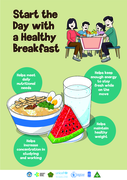
The materials emphasize the importance of a healthy breakfast to support energy levels, maintain a healthy weight, improve concentration, and meet daily nutritional needs. They are part of a broader initiative to educate children, parents, and educa
...
tors on balanced nutrition and healthy eating habits for better overall health.
more
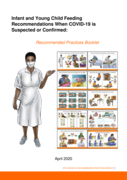
Recommended practices booklet (April 2020)
The set includes 10 Counselling Cards and a Recommended Practices Booklet. Infant and young child feeding (IYCF) counselling in the context of COVID-19 remains a critical nutrition intervention for the pro
...
tection and support of pregnant women, caregivers, and their young children. WHO and UNICEF advise caregivers and families with suspected or confirmed COVID-19 to continue the recommended IYCF practices with the necessary hygiene precautions. It is therefore vital to ensure that communities and families around the world adopt these recommendations to help prevent the spread of the virus and care for those who are infected.
more
Operational Updates
Emergency Relief & Nutrition Rakhine: A significant increase in internal displacements due to continued armed conflict between the Myanmar military (Tatmadaw) and Arakan Army was reported in northern and central Rakhine State i
...
ncreasing from 6,000 people in February to 20,000 in March. WFP delivered a one-month ration of food to 2,220 newly displaced people in central Rakhine State, with plans to extend support to additional displaced populations based on coordination with other actors meeting current needs, including the Government and ICRC. WFP continued providing emergency relief assistance to 96,050 conflict-affected people from 173 Muslim, Buddhist and Hindu villages in Buthidaung and Maungdaw townships of northern Rakhine State. In addition, WFP reached over 16,300 children under 5 years through nutrition interventions. In central Rakhine, 4,740 pregnant and lactating women (PLWs) and 24,160 children under 5 years were reached with nutrition interventions, and over 128,040 food-insecure people received relief assistance.
more
The webpage discusses workforce nutrition programs and their potential to improve health, nutrition, and business outcomes. It highlights interventions such as access to healthy foods,
...
nutrition education, health checks, and breastfeeding support, emphasizing their role in addressing malnutrition and promoting employee well-being. The focus is on leveraging workplaces to enhance public health and productivity while identifying evidence gaps for further research and policy development.
more
