
Filter
3227
Text search:
Appropriate
technology
Featured
303
903
Language
3165
72
52
34
31
23
19
6
4
3
2
2
2
2
2
1
1
1
1
1
1
1
1
1
1
1
1
1
1
1
1
1
1
1
1
1
1
1
1
1
1
1
1
1
Document type
1674
560
471
235
169
49
45
10
7
5
1
1
Countries
158
154
103
89
76
69
67
64
60
58
57
55
48
45
44
42
40
40
38
35
28
24
19
18
18
18
16
16
16
15
15
14
12
12
12
11
11
11
10
9
8
7
7
7
7
7
7
6
6
6
6
5
5
5
4
4
4
3
3
3
3
3
3
2
2
2
2
2
2
2
2
2
2
2
2
2
2
2
2
2
2
2
1
1
1
1
1
1
1
1
1
1
1
1
1
1
1
1
1
1
1
1
1
1
1
1
Authors & Publishers
448
119
107
92
84
57
56
56
23
21
21
19
18
14
14
14
14
14
13
13
12
12
12
12
12
11
11
11
11
11
10
10
9
9
9
9
9
9
9
8
8
8
8
7
7
7
7
7
7
7
7
7
7
7
6
6
6
6
6
6
6
6
6
6
6
6
6
6
6
6
6
6
6
6
6
6
6
5
5
5
5
5
5
5
5
5
5
5
5
5
5
5
5
5
5
5
5
5
4
4
4
4
4
4
4
4
4
4
4
4
4
4
4
4
4
4
4
4
4
4
4
4
4
4
4
4
4
4
4
4
3
3
3
3
3
3
3
3
3
3
3
3
3
3
3
3
3
3
3
3
3
3
3
3
3
3
3
3
3
3
3
3
3
3
3
3
3
3
3
3
3
3
3
3
3
3
3
3
3
3
3
3
3
3
3
3
3
3
3
3
3
3
3
3
3
3
3
3
3
3
3
2
2
2
2
2
2
2
2
2
2
2
2
2
2
2
2
2
2
2
2
2
2
2
2
2
2
2
2
2
2
2
2
2
2
2
2
2
2
2
2
2
2
2
2
2
2
2
2
2
2
2
2
2
2
2
2
2
2
2
2
2
2
2
2
2
2
2
2
2
2
2
2
2
2
2
2
2
2
2
2
2
2
2
2
2
2
2
2
2
2
2
2
2
2
2
2
2
2
2
2
2
2
2
2
2
2
2
2
2
2
2
2
2
2
2
2
2
2
2
2
2
2
2
2
2
2
2
2
2
2
2
2
2
2
2
2
2
2
2
2
2
2
2
2
2
2
2
2
2
2
2
2
2
2
2
2
2
2
2
2
2
2
2
2
2
2
2
2
2
2
2
2
2
1
1
1
1
1
1
1
1
1
1
1
1
1
1
1
1
1
1
1
1
1
1
1
1
1
1
1
1
1
1
1
1
1
1
1
1
1
1
1
1
1
1
1
1
1
1
1
1
1
1
1
1
1
1
1
1
1
1
1
1
1
1
1
1
1
1
1
1
1
1
1
1
1
1
1
1
1
1
1
1
1
1
1
1
1
1
1
1
1
1
1
1
1
1
1
1
1
1
1
1
1
1
1
1
1
1
1
1
1
1
1
1
1
1
1
1
1
1
1
1
1
1
1
1
1
1
1
1
1
1
1
1
1
1
1
1
1
1
1
1
1
1
1
1
1
1
1
1
1
1
1
1
1
1
1
1
1
1
1
1
1
1
1
1
1
1
1
1
1
1
1
1
1
1
1
1
1
1
1
1
1
1
1
1
1
1
1
1
1
1
1
1
1
1
1
1
1
1
1
1
1
1
1
1
1
1
1
1
1
1
1
1
1
1
1
1
1
1
1
1
1
1
1
1
1
1
1
1
1
1
1
1
1
1
1
1
1
1
1
1
1
1
1
1
1
1
1
1
1
1
1
1
1
1
1
1
1
1
1
1
1
1
1
1
1
1
1
1
1
1
1
1
1
1
1
1
1
1
1
1
1
1
1
1
1
1
1
1
1
1
1
1
1
1
1
1
1
1
1
1
1
1
1
1
1
1
1
1
1
1
1
1
1
1
1
1
1
1
1
1
1
1
1
1
1
1
1
1
1
1
1
1
1
1
1
1
1
1
1
1
1
1
1
1
1
1
1
1
1
1
1
1
1
1
1
1
1
1
1
1
1
1
1
1
1
1
1
1
1
1
1
1
1
1
1
1
1
1
1
1
1
1
1
1
1
1
1
1
1
1
1
1
1
1
1
1
1
1
1
1
1
1
1
1
1
1
1
1
1
1
1
1
1
1
1
1
1
1
1
1
1
1
1
1
1
1
1
1
1
1
1
1
1
1
1
1
1
1
1
1
1
1
1
1
1
1
1
1
1
1
1
1
1
1
1
1
1
1
1
1
1
1
1
1
1
1
1
1
1
1
1
1
1
1
1
1
1
1
1
1
1
1
1
1
1
1
1
1
1
1
1
1
1
1
1
1
1
1
1
1
1
1
1
1
1
1
1
1
1
1
1
1
1
1
1
1
1
1
1
1
1
1
1
1
1
1
1
1
1
1
1
1
1
1
1
1
1
1
1
1
1
1
1
1
1
1
1
1
1
1
1
1
1
1
1
1
1
1
1
1
1
1
1
1
1
1
1
1
1
1
1
1
1
1
1
1
1
1
1
1
1
1
1
1
1
1
1
1
1
1
1
1
1
1
1
1
1
1
1
1
1
1
1
1
1
1
1
1
1
1
1
1
1
1
1
1
1
1
1
1
1
1
1
1
1
1
1
1
1
1
1
1
1
1
1
1
1
1
1
1
1
1
1
1
1
1
1
1
1
1
1
1
1
1
1
1
1
1
1
1
1
1
1
1
1
1
1
1
1
1
1
1
1
1
1
1
1
1
1
1
1
1
1
1
1
1
1
1
1
1
1
1
1
1
1
1
1
1
1
1
1
1
1
1
1
1
1
1
1
1
1
1
1
1
1
1
1
1
1
1
1
1
1
1
1
1
1
1
1
1
1
1
1
1
1
1
1
1
1
1
1
1
1
1
1
1
1
1
1
1
1
1
1
1
1
1
1
1
1
1
1
1
1
1
1
1
1
1
1
1
1
1
1
1
1
1
1
1
1
1
1
1
1
1
1
1
1
1
1
1
1
1
1
1
1
1
1
1
1
1
1
1
1
1
1
1
1
1
1
1
1
1
1
1
1
1
1
1
1
1
1
1
1
1
1
1
1
1
1
1
1
1
1
1
1
1
1
1
1
1
1
1
1
1
1
1
1
1
1
1
1
1
1
1
1
1
1
1
1
1
1
1
1
1
1
1
1
1
1
1
1
1
1
1
1
1
1
1
1
1
1
1
1
1
1
1
1
1
1
1
1
1
1
1
1
1
1
1
1
1
1
1
1
1
1
1
1
1
1
1
1
1
1
1
1
1
1
1
1
1
1
1
1
1
1
1
1
1
1
1
1
1
1
1
1
1
1
1
1
1
1
1
1
1
1
1
1
1
1
1
1
1
1
1
1
1
1
1
1
1
1
1
1
1
1
1
1
1
1
1
1
1
1
1
1
1
1
1
1
1
1
1
1
1
1
1
1
1
1
1
1
1
1
1
1
1
1
1
1
1
1
1
1
1
1
1
1
1
1
1
1
1
1
1
1
1
1
1
1
1
1
1
1
1
1
1
1
1
1
1
1
1
1
1
1
1
1
1
1
1
1
1
1
1
1
1
1
1
1
1
1
1
1
1
1
1
1
1
1
1
1
1
1
1
1
1
1
1
1
1
1
1
1
1
1
1
1
1
1
1
1
1
1
1
1
1
1
1
1
1
1
1
1
1
1
1
1
1
1
1
1
1
1
1
1
1
1
1
1
1
1
1
1
1
1
1
1
1
1
1
1
1
1
1
1
1
1
1
1
1
1
1
1
1
1
1
1
1
1
1
1
1
1
1
1
1
1
1
1
1
1
1
1
1
1
1
1
1
1
1
1
1
1
1
1
1
1
1
1
1
1
1
1
1
1
1
1
1
1
1
1
1
1
1
1
1
1
1
1
1
1
1
1
1
1
1
1
1
1
1
1
1
1
1
1
1
1
1
1
1
1
1
1
1
1
1
1
1
1
1
1
1
1
1
1
1
1
1
1
1
1
1
1
1
1
1
1
1
1
1
1
1
1
1
1
1
1
1
1
1
1
1
1
1
1
1
1
1
1
1
1
1
1
1
1
1
1
1
1
1
1
1
1
1
1
1
1
1
1
1
1
1
1
1
1
1
1
1
1
1
1
1
1
1
1
1
1
1
1
1
1
1
1
1
1
1
1
1
1
1
1
1
1
1
1
1
1
1
1
1
1
1
1
1
1
1
1
1
1
1
1
1
1
1
1
1
1
1
1
1
1
1
1
1
1
1
1
1
1
1
1
1
1
1
1
1
1
1
1
1
1
1
1
1
1
1
1
1
1
1
1
1
1
1
1
1
1
1
1
1
1
1
1
1
1
1
1
1
1
1
1
1
1
1
1
1
1
1
1
1
1
1
1
1
1
1
1
1
1
1
1
1
1
1
1
1
1
1
1
1
1
1
1
1
1
1
1
1
1
1
1
1
1
1
1
1
1
1
1
1
1
1
1
1
1
1
1
1
1
1
1
1
1
1
1
1
1
1
1
1
1
1
1
1
1
1
1
1
1
1
1
1
1
1
1
1
1
1
1
1
1
1
1
1
1
1
1
1
1
1
1
1
1
1
1
1
1
1
1
1
1
1
1
1
1
1
1
1
1
1
1
1
1
1
1
1
1
1
1
1
1
1
1
1
1
1
1
1
1
1
1
1
1
1
1
1
1
1
1
1
1
1
1
1
1
1
1
1
1
1
1
1
1
1
1
1
1
1
1
1
1
1
1
1
1
1
1
1
1
1
1
1
1
1
1
1
1
1
1
1
1
1
1
1
1
1
1
1
1
1
1
1
1
1
1
1
1
1
1
1
1
1
1
1
1
1
1
1
1
1
1
1
1
1
1
1
1
1
1
1
1
1
1
1
1
1
1
1
1
1
1
1
1
1
1
1
1
1
1
1
1
1
1
1
1
1
1
1
1
1
1
1
1
1
1
1
1
1
1
1
1
1
1
1
1
1
1
1
1
1
1
1
1
1
1
1
1
1
1
1
1
1
1
1
1
1
1
1
1
1
1
1
1
1
1
1
1
1
1
1
1
1
1
1
1
1
1
1
1
1
1
1
1
1
1
1
1
1
1
1
1
1
1
1
1
1
1
1
1
1
1
1
1
1
1
1
1
1
1
1
1
1
1
1
1
1
1
1
1
1
1
1
1
1
1
1
1
1
1
1
1
1
1
1
1
1
1
1
1
1
1
1
1
1
1
1
1
1
1
1
1
1
1
1
1
1
1
1
1
1
1
1
1
1
1
1
1
1
1
1
1
1
1
1
1
1
1
1
1
1
1
1
1
1
1
1
1
1
1
1
1
1
1
1
1
1
1
1
1
1
1
1
1
1
1
1
1
1
1
1
1
1
1
1
1
1
1
1
1
1
1
1
1
1
1
1
1
1
1
1
1
1
1
1
1
1
1
1
1
1
1
1
1
1
1
1
1
1
1
1
1
1
1
1
1
1
1
1
1
1
1
1
1
1
1
1
1
1
1
1
1
1
1
1
1
1
1
1
1
1
1
1
1
1
1
1
1
1
1
1
1
1
1
1
1
1
1
1
1
1
1
1
1
1
1
1
1
1
1
1
1
1
1
1
1
1
1
1
1
1
1
1
1
1
1
1
1
1
1
1
1
1
1
1
1
1
1
1
1
1
1
1
1
1
1
1
1
1
1
1
1
1
1
1
1
1
1
1
1
1
1
1
1
1
1
1
1
1
1
1
1
1
1
1
1
1
1
1
1
1
1
1
1
1
1
1
1
1
1
1
1
1
1
1
1
1
1
1
1
1
1
1
1
1
1
1
1
1
1
1
1
1
1
1
1
1
1
1
1
1
1
1
1
1
1
1
1
1
1
1
1
1
1
1
1
1
1
1
1
1
1
1
1
1
1
1
1
1
1
1
1
1
1
1
1
1
1
1
1
1
1
1
1
1
1
1
1
1
1
1
1
1
1
1
1
1
1
1
1
1
1
1
1
1
1
1
1
1
1
1
1
1
1
1
1
1
1
1
1
1
1
1
1
1
1
1
1
1
1
1
1
1
1
1
1
1
1
1
1
1
1
1
1
1
1
1
1
1
1
1
1
1
1
1
1
1
1
1
1
1
1
1
1
1
1
1
1
1
1
1
1
1
1
1
1
1
1
1
1
1
1
1
1
1
1
1
1
1
1
1
1
1
1
1
1
1
1
1
1
1
1
1
1
1
1
1
1
1
1
1
1
1
1
1
1
1
1
1
1
1
1
1
1
1
1
1
1
1
1
1
1
1
1
1
1
1
1
1
1
1
1
1
Publication Years
967
1952
288
16
3
1
Category
1174
285
242
223
154
58
58
1
Toolboxes
233
210
170
161
144
125
109
95
91
79
78
73
72
68
66
63
47
38
30
29
28
20
16
16
15
1
Education is UNESCO’s top priority because
it is a basic human right and the foundation
on which to build peace and drive sustainable
development. UNESCO is the United Nations’
specialized agency for education and the
Education Sector provides global and
regional leadership in education, s
...
trengthens
national education systems and responds
to contemporary global challenges through
education with a special focus on gender
equality and Africa.
more

Market and technology landscape HIV rapid diagnostic tests for self-testing
O. Ajose; C. Pérez Casas; H. Ingold; et al.
Unitaid (Innovation in Global Health); World Health Organization (WHO)
(2018)
C2
4th edition
Pig management: Ensuring appropriate husbandry practices for profitability
Lawrence Mayega, Michel M. Dione, Brian Kawuma, et al.
International Livestock Research Institute ILRI
(2015)
C2
Training manual that outlines the training of smallholder farmers to improve biosecurity and practices in their farms to prevent infectious diseases and thus the need for use of veterinary drugs. Describes training sessions and includes exercises and handouts.
This report addresses the future of basic education, ICT use in deprived locations, and the use of ICTs in primary school learning in 2020 and 2025, especially in deprived contexts. It draws on research evidence from the literature, the authors’ experiences of ICT use in education initiatives, int
...
erviews with practitioners and academics, a workshop, and consultations with Save the Children staff from many different countries, mostly conducted in August 2017
more
Global Report on assistive technology
recommended
The report notes that the number of people in need of one or more assistive products is likely to rise to 3.5 billion by 2050, due to populations ageing and the prevalence of noncommunicable diseases rising across the world. The report also highlights the vast gap in access between low- and high-inc
...
ome countries. An analysis of 35 countries reveals that access varies from 3% in poorer nations to 90% in wealthy countries.
Affordability is a major barrier to access, the report notes. Around two thirds of people with assistive products reported out-of-pocket payments for them. Others reported relying on family and friends to financially support their needs.
more
Desk Review and Recommendations for Private Sector Engagement
Improving Access to and Appropriate Use of Medicines for Mental Disorders
recommended
Corrado Barbui, Tarun Dua, Kavitha Kolappa et al.
World Health Organization and Calouste Gulbenkian Foundation
(2017)
C_WHO


The classification of digital health interventions (DHIs) categorizes the different ways in which digital and mobile technologies are being used to support health system needs. Historically, the diverse communities working in digital health—including government stakeholders, technologists, clinic
...
ians, implementers, network operators, researchers, donors— have lacked a mutually understandable language with which to assess and articulate functionality. A shared and standardized vocabulary was recognized as necessary to identify gaps and duplication, evaluate effectiveness, and facilitate alignment across different digital health implementations. Targeted primarily at public health audiences, this Classification framework aims to promote an accessible and bridging language for health program planners to articulate functionalities of digital health implementations.
more
This publication outlines results from a UNDP partnership with the Government of Odisha, supported by the Swiss Agency for Development and Cooperation and Care Today that demonstrated how low-cost, disaster-resilient building technologies enabled communities to build structures that could better wit
...
hstand natural disasters. The report provides guidelines for communities and governments in addressing the housing needs of the most vulnerable in the society.
Accessed 28 June 2015
more
This report is from the National study on living conditions among people
with disabilities carried out in Nepal in 2014-2015. The study was carried
out as a household survey with two-stage stratified sampling, including a screening/listing procedure using the Washington Group on Disability
Statis
...
tics 6 questions, one Household questionnaire administered to
households with (Case HHs) and without disabled members (Control
HHs), one Individual Case questionnaire administered to individuals who were found to qualify as being disabled in the screening (Case
individuals), and an Individual Control questionnaire administered to
matched non-disabled individuals in the Control HHs (Control individuals). The study covers a range of indicators on level of living, such as socioeconomic indicators, economic activity, income, ownership and infrastructure, health (including reproductive health), access to health information, access to services, education, access to information, social participation, and exposure to discrimination and abuse (see all
questionnaires in Appendix).
more
This research report provides results from the study of living conditions
among people with disabilities in Lesotho. Comparisons are made
between disabled and non-disabled in household level and individual
level. Disability was defined as limitation to perform certain activities that
was measure
...
d according to the Washington City Group questions.
Results obtained in Lesotho are also compared to those obtained in
earlier studies carried out in Mozambique, Zambia, Namibia, Zimbabwe
and Malawi. The Lesotho study was undertaken in 2009-2010.
more
This is a report from a National, representative household survey carried out in Swaziland in 2009 – 2010. A large amount of effort has been put into this two‐year exercise until finally we can present the results of the combined efforts. First of all, this is a credit to the Federation of Disab
...
led People in Swaziland (FODSWA): To the Management Committee headed by Ms. Buyie Masuku for being in control of the whole process, and to the Project Co‐ordinator Mr. Bhekie Jele who for the most of the study handled all aspects in this comprehensive and complex process. Mr Yusman B Kamaleri from SINTEF played an important role in supporting FODSWA during the implementation of the study.
more
This is a report from a National, representative household survey carried out in Botswana in 2012 – 2014. The study was carried out on behalf of the Norwegian Federation of Organisations of Disabled Persons (FFO), Southern Africa Federation of the Disabled (SASFOD) and Botswana Federation of Disab
...
led People (BOFOD). The study was led by Professor Tlamelo Mmatli of the University of Botswana, in collaboration with SINTEF Technology and Society. The study would not have been possible without a strong commitment from the Office of the President of Botswana and support from the Central Statistical Office. The study presents a broad picture of the situation among individuals with disability and households with disabled members in Botswana. It offers comparison with individuals without disability and households without disabled members, between provinces and between genders and locations (urban/rural). The study reveals that households with disabled members and individuals with disability score lower on a range on indicators on level of living.
more
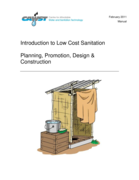
Introduction to Low Cost Sanitation
recommended
Planning, Promotion, Contruction & Design. Manual
