
Filter
4361
Filtered Results: 4361
Text search:
pain
Featured
Recommendations
481
New Publications
1047
Language
Document type
No document type
2363
Guidelines
651
Studies & Reports
580
Manuals
291
Training Material
146
Fact sheets
141
Strategic & Response Plan
91
Brochures
36
Infographics
25
Situation Updates
19
Resource Platforms
11
Videos
5
App
1
Online Courses
1
Countries / Regions
India
315
Global
160
South Africa
119
Kenya
106
Liberia
92
Sierra Leone
86
Ethiopia
79
Nigeria
72
Uganda
68
Nepal
67
Western and Central Europe
60
Tanzania
51
Bangladesh
51
Latin America and the Carribbean
48
Syria
46
Brazil
46
Africa
45
Philippines
44
Myanmar / Burma
44
Ghana
39
Zambia
39
Malawi
36
Rwanda
35
Congo, Democratic Republic of
35
Namibia
35
Ukraine
32
Germany
31
Mozambique
30
Guinea
25
Senegal
23
Indonesia
22
Eastern Europe
19
South Sudan
18
Cambodia
17
South–East Asia Region
17
Angola
16
Zimbabwe
15
Asia
15
Cameroon
14
West and Central Africa
14
Russia
14
Lesotho
13
USA
13
Haiti
13
Lebanon
13
Venezuela
12
Yemen
12
Burkina Faso
11
Guinea-Bissau
11
Middle East and North Africa
10
Eastern Europe and Central Asia
10
Mali
10
East and Southern Africa
9
Eswatini/ Swaziland
9
Niger
8
Iraq
8
Vietnam
7
Central African Republic
7
Colombia
6
China
6
Jordan
6
Western Pacific Region
6
Southern Africa
6
Botswana
6
Madagascar
6
Thailand
5
Benin
5
Afghanistan
5
Paraguay
5
North America
5
Côte d’Ivoire / Ivory Coast
5
Argentina
5
Chad
5
Pakistan
5
Tajikistan
4
Turkey
4
Togo
4
Kazakhstan
4
Spain
4
Papua New Guinea
4
Sri Lanka
4
Georgia
4
North Macedonia
3
Timor Leste/ East Timor
3
Chile
3
Fiji
3
Laos
3
Kyrgyzstan
3
Malaysia
3
United Kingdom
3
Moldova
3
Poland
3
Ecuador
3
Switzerland
2
Canada
2
Peru
2
Morocco
2
Hungary
2
Lithuania
2
Portugal
2
Bolivia
2
Egypt
2
Sudan
2
Romania
2
Palestine
2
Honduras
2
Libya
2
Bhutan
2
Somalia
2
Guatemala
2
Mexico
1
El Salvador
1
Gambia
1
Albania
1
Estonia
1
Mongolia
1
Italy
1
Armenia
1
Dominican Republic
1
Croatia
1
Ireland
1
Saudi Arabia
1
Jamaica
1
Japan
1
Norway
1
South Korea
1
Azerbaijan
1
Belarus
1
French Guyana
1
Guyana
1
Greece
1
Solomon Islands
1
Authors & Publishers
Publication Years
Category
Countries
1440
Clinical Guidelines
529
Women & Child Health
319
Public Health
211
Key Resources
159
Capacity Building
143
Pharmacy & Technologies
28
Annual Report MEDBOX
1
Toolboxes
Mental Health
469
COVID-19
361
Ebola & Marburg
214
HIV
212
NTDs
212
Caregiver
189
Disability
168
TB
156
Refugee
135
Conflict
110
NCDs
89
Pharmacy
88
Planetary Health
81
Rapid Response
79
Zika
55
Social Ethics
52
AMR
49
Global Health Education
48
Malaria
46
Natural Hazards
40
Specific Hazards
33
Cholera
29
2.0 Rapid Response
22
Health Financing Toolbox
15
Polio
12
Typhoon
1
Guidance for addressing a global infodemic and fostering demand for immunization
December 2020
Misinformation threatens the success of vaccination programs across the world. This guide aims to help organizations to address the global infodemic through the development of strategic and well-coordina...
Decontaminating the Ebola Facilities in Sierra Leone
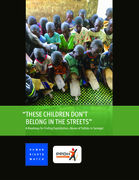
For over a decade, Senegalese and international journalists, human rights advocates, and child protection experts have documented and denounced the ongoing exploitation, abuse and neglect of children living in many of Senegal’s traditional Quranic schools, or daaras. Thousands of these children, k...

This publication is designed to be used by programme planners and managers as a resource when designing interventions to integrate postpartum family planning into national and subnational strategies. Postpartum family planning should not be considered a ‘vertical’ programme, but rather as an int...
Operational Guidelines
This handbook presents basic content and tips for implementing a school-based risk reduction programme. It is organised into five modules: its importance; approach and process; activities to benefit children up to five years old; activities for students aged 5–17; and activities for young people a...
Chapter 29: Refugees and Displaced Women:
Flight and Arrival,
Basic Needs,
Reproductive Health,
Mental Health,
Women as Leaders
Pollution and health: a progress update
recommended
The Lancet Planetary Health Published:May 17, 2022DOI:https://doi.org/10.1016/S2542-5196(22)00090-0
Every year pollution causes 9 million deaths—1 in every 6 deaths worldwide, according to a Lancet Commission on pollution and health.
While the number of deaths caused by household air pollution a...
Newsletter No. 15 | Highlighting the gender dimensions of education for children with disabilities
Staying safe in spite of a disaster. What can you do for your safety in the event of a disaster?
In spring 2013, after weeks of rain, whole areas of southern, eastern and northern Germany were beset by catastrophic floods. Settlements vanished in th...

Rreport of a WHO Consultative Meeting Kolkata India 2012
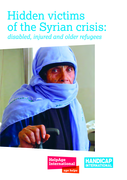
New research published today shows that older, disabled and injured Syrian refugees are paying a double toll as a result of the conflict. The report, released by Handicap International and HelpAge International, provides new data showing how much these vulnerable refugees are struggling to meet thei...
Available in: English, French, Chinese, Spanish, Russian, Arabic, Thai, Korean, Tajik, Vietnamese, Uzbek
http://www.who.int/disabilities/cbr/guidelines/en/

Conhecimento, atitudes e práticas sobre tuberculose em prisões e no serviço público de saúde
Rev Bras Epidemiol 2013; 16(1): 100-113
WHO published and launched the third part of the Wheelchair Service Training Package (WSTP) series consisting of two sub-packages: the Wheelchair Service Training Package for Managers (WSTPm) and the Wheelchair Service Training Package for Stakeholders (WSTPs). WHO recognises that in order to develo...
Overview
Learning objectives
• Understand the mental health treatment gap in low-, middle- and high-income countries.
• Understand the principles and aims of the Mental Health Gap Action Programme.
• Acquire an introduction to mhGAP Intervention Guide (mhGAP-IG).
• Learn about mhGAP ToH...
This report found that many people with disabilities enter institutions as children and remain there for their entire lives. Most of these institutions visited by Human Rights Watch researchers did not provide for more than people’s basic needs, such as food and hygiene, with scarce contact with t...
Review
published: 12 August 2016 doi: 10.3389/fpubh.2016.00166
Frontiers in Public Health | www.frontiersin.org 1 August 2016 | Volume 4 | Article 166
