
Filter
3988
Text search:
training
aids
Featured
354
1248
Language
3812
80
57
56
32
23
19
19
11
10
8
6
5
4
4
4
4
3
3
3
2
2
2
2
2
2
2
2
2
2
2
2
2
2
2
2
1
1
1
1
1
1
1
1
1
1
1
1
1
1
1
1
1
1
1
1
1
Document type
2625
426
387
218
124
121
40
14
11
8
4
3
3
1
Countries / Regions
225
159
125
121
107
107
107
96
96
93
90
75
68
67
63
60
58
56
54
52
47
46
34
34
33
33
31
31
23
23
20
18
18
17
17
17
16
15
15
14
12
11
10
8
7
7
7
7
7
7
7
6
6
6
5
5
4
4
4
4
4
4
3
3
3
3
3
3
3
3
3
3
2
2
2
2
2
2
2
2
2
2
2
2
2
2
2
2
2
2
2
2
2
2
2
2
2
2
1
1
1
1
1
1
1
1
1
1
1
1
1
1
1
1
1
1
1
1
1
1
1
1
1
Authors & Publishers
401
206
178
124
113
97
89
77
65
62
57
47
37
34
28
27
25
25
23
21
21
21
20
20
20
20
19
19
19
18
17
17
15
15
14
14
14
13
13
12
12
12
12
11
11
10
10
10
10
10
10
10
10
9
9
9
9
9
9
9
9
9
9
9
9
9
9
9
9
8
8
8
8
8
8
7
7
7
7
7
7
7
7
7
6
6
6
6
6
6
6
6
6
6
6
6
6
6
6
6
6
6
6
5
5
5
5
5
5
5
5
5
5
5
5
5
5
5
5
5
5
5
5
5
5
5
5
5
5
5
5
5
5
5
4
4
4
4
4
4
4
4
4
4
4
4
4
4
4
4
4
4
4
4
4
4
4
4
4
4
4
4
4
4
4
4
4
4
4
4
4
4
4
4
4
4
4
4
4
4
4
4
4
4
4
4
4
3
3
3
3
3
3
3
3
3
3
3
3
3
3
3
3
3
3
3
3
3
3
3
3
3
3
3
3
3
3
3
3
3
3
3
3
3
3
3
3
3
3
3
3
3
3
3
3
3
3
3
3
3
3
3
3
3
3
3
3
3
3
3
3
3
3
3
3
3
3
3
3
3
3
3
3
3
3
3
3
3
3
3
3
3
3
3
3
3
3
3
3
3
3
3
3
3
3
3
3
3
3
3
3
3
3
3
3
3
3
3
3
3
3
3
3
3
3
3
3
3
3
3
3
2
2
2
2
2
2
2
2
2
2
2
2
2
2
2
2
2
2
2
2
2
2
2
2
2
2
2
2
2
2
2
2
2
2
2
2
2
2
2
2
2
2
2
2
2
2
2
2
2
2
2
2
2
2
2
2
2
2
2
2
2
2
2
2
2
2
2
2
2
2
2
2
2
2
2
2
2
2
2
2
2
2
2
2
2
2
2
2
2
2
2
2
2
2
2
2
2
2
2
2
2
2
2
2
2
2
2
2
2
2
2
2
2
2
2
2
2
2
2
2
2
2
2
2
2
2
2
2
2
2
2
2
2
2
2
2
2
2
2
2
2
2
2
2
2
2
2
2
2
2
2
2
2
2
2
2
2
2
2
2
2
2
2
2
2
2
2
2
2
2
2
2
2
2
2
2
2
2
2
2
2
2
2
2
2
2
2
2
2
2
2
2
2
2
2
2
2
2
2
2
2
2
2
2
2
2
2
2
2
2
2
2
2
2
2
2
2
2
2
2
2
2
2
2
2
2
2
2
2
2
2
2
2
2
2
2
2
2
2
2
2
2
2
2
2
2
2
2
2
2
2
2
1
1
1
1
1
1
1
1
1
1
1
1
1
1
1
1
1
1
1
1
1
1
1
1
1
1
1
1
1
1
1
1
1
1
1
1
1
1
1
1
1
1
1
1
1
1
1
1
1
1
1
1
1
1
1
1
1
1
1
1
1
1
1
1
1
1
1
1
1
1
1
1
1
1
1
1
1
1
1
1
1
1
1
1
1
1
1
1
1
1
1
1
1
1
1
1
1
1
1
1
1
1
1
1
1
1
1
1
1
1
1
1
1
1
1
1
1
1
1
1
1
1
1
1
1
1
1
1
1
1
1
1
1
1
1
1
1
1
1
1
1
1
1
1
1
1
1
1
1
1
1
1
1
1
1
1
1
1
1
1
1
1
1
1
1
1
1
1
1
1
1
1
1
1
1
1
1
1
1
1
1
1
1
1
1
1
1
1
1
1
1
1
1
1
1
1
1
1
1
1
1
1
1
1
1
1
1
1
1
1
1
1
1
1
1
1
1
1
1
1
1
1
1
1
1
1
1
1
1
1
1
1
1
1
1
1
1
1
1
1
1
1
1
1
1
1
1
1
1
1
1
1
1
1
1
1
1
1
1
1
1
1
1
1
1
1
1
1
1
1
1
1
1
1
1
1
1
1
1
1
1
1
1
1
1
1
1
1
1
1
1
1
1
1
1
1
1
1
1
1
1
1
1
1
1
1
1
1
1
1
1
1
1
1
1
1
1
1
1
1
1
1
1
1
1
1
1
1
1
1
1
1
1
1
1
1
1
1
1
1
1
1
1
1
1
1
1
1
1
1
1
1
1
1
1
1
1
1
1
1
1
1
1
1
1
1
1
1
1
1
1
1
1
1
1
1
1
1
1
1
1
1
1
1
1
1
1
1
1
1
1
1
1
1
1
1
1
1
1
1
1
1
1
1
1
1
1
1
1
1
1
1
1
1
1
1
1
1
1
1
1
1
1
1
1
1
1
1
1
1
1
1
1
1
1
1
1
1
1
1
1
1
1
1
1
1
1
1
1
1
1
1
1
1
1
1
1
1
1
1
1
1
1
1
1
1
1
1
1
1
1
1
1
1
1
1
1
1
1
1
1
1
1
1
1
1
1
1
1
1
1
1
1
1
1
1
1
1
1
1
1
1
1
1
1
1
1
1
1
1
1
1
1
1
1
1
1
1
1
1
1
1
1
1
1
1
1
1
1
1
1
1
1
1
1
1
1
1
1
1
1
1
1
1
1
1
1
1
1
1
1
1
1
1
1
1
1
1
1
1
1
1
1
1
1
1
1
1
1
1
1
1
1
1
1
1
1
1
1
1
1
1
1
1
1
1
1
1
1
1
1
1
1
1
1
1
1
1
1
1
1
1
1
1
1
1
1
1
1
1
1
1
1
1
1
1
1
1
1
1
1
1
1
1
1
1
1
1
1
1
1
1
1
1
1
1
1
1
1
1
1
1
1
1
1
1
1
1
1
1
1
1
1
1
1
1
1
1
1
1
1
1
1
1
1
1
1
1
1
1
1
1
1
1
1
1
1
1
1
1
1
1
1
1
1
1
1
1
1
1
1
1
1
1
1
1
1
1
1
1
1
1
1
1
1
1
1
1
1
1
1
1
1
1
1
1
1
1
1
1
1
1
1
1
1
1
1
1
1
1
1
1
1
1
1
1
1
1
1
1
1
1
1
1
1
1
1
1
1
1
1
1
1
1
1
1
1
1
1
1
1
1
1
1
1
1
1
1
1
1
1
1
1
1
1
1
1
1
1
1
1
1
1
1
1
1
1
1
1
1
1
1
1
1
1
1
1
1
1
1
1
1
1
1
1
1
1
1
1
1
1
1
1
1
1
1
1
1
1
1
1
1
1
1
1
1
1
1
1
1
1
1
1
1
1
1
1
1
1
1
1
1
1
1
1
1
1
1
1
1
1
1
1
1
1
1
1
1
1
1
1
1
1
1
1
1
1
1
1
1
1
1
1
1
1
1
1
1
1
1
1
1
1
1
1
1
1
1
1
1
1
1
1
1
1
1
1
1
1
1
1
1
1
1
1
1
1
1
1
1
1
1
1
1
1
1
1
1
1
1
1
1
1
1
1
1
1
1
1
1
1
1
1
1
1
1
1
1
1
1
1
1
1
1
1
1
1
1
1
1
1
1
1
1
1
1
1
1
1
1
1
1
1
1
1
1
1
1
1
1
1
1
1
1
1
1
1
1
1
1
1
1
1
1
1
1
1
1
1
1
1
1
1
1
1
1
1
1
1
1
1
1
1
1
1
1
1
1
1
1
1
1
1
1
1
1
1
1
1
1
1
1
1
1
1
1
1
1
1
1
1
1
1
1
1
1
1
1
1
1
1
1
1
1
1
1
1
1
1
1
1
1
1
1
1
1
1
1
1
1
1
1
1
1
1
1
1
1
1
1
1
1
1
1
1
1
1
1
1
1
1
1
1
1
1
1
1
1
1
1
1
1
1
1
1
1
1
1
1
1
1
1
1
1
1
1
1
1
1
1
1
1
1
1
1
1
1
1
1
1
1
1
1
1
1
1
1
1
1
1
1
1
1
1
1
1
1
1
1
1
1
1
1
1
1
1
1
1
1
1
1
1
1
1
1
1
1
1
1
1
1
1
1
1
1
1
1
1
1
1
1
1
1
1
1
1
1
1
1
1
1
1
1
1
1
1
1
1
1
1
1
1
1
1
1
1
1
1
1
1
1
1
1
1
1
1
1
1
1
1
1
1
1
1
1
1
1
1
1
1
1
1
1
1
1
1
1
1
1
1
1
1
1
1
1
1
1
1
1
1
1
1
1
1
1
1
1
1
1
1
1
1
1
1
1
1
1
1
1
1
1
1
1
1
1
1
1
1
1
1
1
1
1
1
1
1
1
1
1
1
1
1
1
1
1
1
1
1
1
1
1
1
1
1
1
1
1
1
1
1
1
1
1
1
1
1
1
1
1
1
1
1
1
1
1
1
1
1
1
1
1
1
1
1
1
1
1
1
1
1
1
1
1
1
1
1
1
1
1
1
1
1
1
1
1
1
1
1
1
1
1
1
1
1
1
1
1
1
1
1
1
1
1
1
1
1
1
1
1
1
1
1
1
1
1
1
1
1
1
1
1
1
1
1
1
1
1
1
1
1
1
1
1
1
1
1
1
1
1
1
1
1
1
1
1
1
1
1
1
1
1
1
1
1
1
1
1
1
1
1
1
1
1
1
1
1
1
1
1
1
1
1
1
1
1
1
1
1
1
1
1
1
1
1
1
1
1
1
1
1
1
1
1
1
1
1
1
1
1
1
1
1
1
1
1
1
1
1
1
1
1
1
1
1
1
1
1
1
1
1
1
1
1
1
1
1
1
1
1
1
1
1
1
1
1
1
1
1
1
1
1
1
1
1
1
1
1
1
1
1
1
1
1
1
1
1
1
1
1
1
1
1
1
1
1
1
1
1
1
1
1
1
1
1
1
1
1
1
1
1
1
1
1
1
1
1
1
1
1
1
1
1
1
1
1
1
1
1
1
1
1
1
1
1
1
1
1
1
1
1
1
1
1
1
1
1
1
1
1
1
1
1
1
1
1
1
1
1
1
1
1
1
1
1
1
1
1
1
1
1
1
1
1
1
1
1
1
1
1
1
1
1
1
1
1
1
1
1
1
1
1
1
1
1
1
1
1
1
1
1
1
1
1
1
1
1
1
1
1
1
1
1
1
1
1
1
1
1
1
1
1
1
1
1
1
1
1
1
1
1
1
1
1
1
1
1
1
1
1
1
1
1
1
1
1
1
1
1
1
1
1
1
1
1
1
1
1
1
1
1
1
1
1
1
1
1
1
1
1
1
1
1
1
1
1
1
1
1
1
1
1
1
1
1
1
1
1
1
1
1
1
1
1
1
1
1
1
1
1
1
1
1
1
1
1
1
1
1
1
1
1
1
1
1
1
1
1
1
1
1
1
1
1
1
1
1
1
1
1
1
1
1
1
1
1
1
1
1
1
1
1
1
1
1
1
1
1
1
1
1
1
1
1
1
1
1
1
1
1
1
1
1
1
1
1
1
1
1
1
1
1
1
1
1
1
1
1
1
1
1
1
1
1
1
1
1
1
1
1
1
1
1
1
1
1
1
1
1
1
1
1
1
1
1
1
1
1
1
1
1
1
1
1
1
1
1
1
1
1
1
1
1
1
1
1
1
1
1
1
1
1
1
1
1
1
1
1
1
1
1
1
1
1
1
1
1
1
1
1
1
1
1
1
1
1
1
1
1
1
1
1
1
1
1
1
1
1
1
1
1
1
1
1
1
1
1
1
1
1
1
1
1
1
1
1
1
1
1
1
1
1
1
1
1
1
1
1
1
1
1
1
1
1
1
1
1
1
1
1
1
1
1
1
1
1
1
1
1
1
1
1
1
1
1
1
1
1
1
1
1
1
1
1
1
1
1
1
1
1
1
1
1
1
1
1
1
1
1
1
1
1
1
1
1
1
1
1
1
1
1
1
1
1
1
1
1
1
1
1
1
1
1
1
1
1
1
1
1
1
1
1
1
1
1
1
1
1
1
1
1
1
1
1
1
1
1
1
1
1
1
1
1
1
1
1
1
1
1
1
1
1
1
1
1
1
1
1
1
1
1
1
1
1
1
1
1
1
1
1
1
1
1
1
1
1
1
1
1
1
1
1
1
1
1
1
1
1
1
1
1
1
1
1
1
1
1
1
1
1
1
1
1
1
1
1
1
1
1
1
1
1
1
1
1
1
1
1
1
1
1
1
1
1
1
1
1
1
1
1
1
1
1
1
1
1
1
1
1
1
1
1
1
1
1
1
1
1
1
1
1
1
1
1
1
1
1
1
1
1
1
1
1
1
1
1
1
1
1
1
1
1
1
1
1
1
1
1
1
1
1
1
1
1
1
1
1
1
1
1
1
1
1
1
1
1
1
1
1
1
1
1
1
1
1
1
1
1
1
1
1
1
1
1
1
1
1
1
1
1
1
1
1
1
1
1
1
1
1
1
1
1
1
1
1
1
1
1
1
1
1
1
1
1
1
1
1
1
1
1
1
1
1
1
1
1
1
1
1
1
1
1
1
1
1
1
1
1
1
1
1
1
1
1
1
1
1
1
1
1
1
1
1
1
1
1
1
1
1
1
1
1
1
1
1
1
1
1
1
1
1
1
1
1
1
1
1
1
1
1
1
1
1
1
1
1
1
1
1
1
1
1
1
1
1
1
1
1
1
1
1
1
1
1
1
1
1
1
1
1
1
1
1
1
1
1
1
1
1
1
1
1
1
1
1
1
1
1
1
1
1
1
1
1
1
1
1
1
1
1
1
1
1
1
1
1
1
1
1
1
1
1
1
1
1
1
1
1
1
1
1
1
1
1
1
1
1
1
1
1
1
1
1
1
1
1
1
1
1
1
1
1
1
1
1
1
1
1
1
1
1
1
1
1
1
1
1
1
1
1
1
1
1
1
1
1
1
1
1
1
1
1
1
1
1
1
1
1
1
1
1
1
1
1
1
1
1
1
1
1
1
1
1
1
1
1
1
1
1
1
1
1
1
1
1
1
1
1
1
1
1
1
1
1
1
1
1
1
1
1
1
1
1
1
1
1
1
1
1
1
1
1
1
1
1
1
1
1
1
1
1
1
1
1
1
1
1
1
1
1
1
1
1
1
1
1
1
1
1
1
1
1
1
1
1
1
1
1
1
1
1
1
1
1
1
1
1
1
1
1
1
1
1
1
1
1
1
1
1
1
1
1
1
1
1
1
1
1
1
1
1
1
1
1
1
1
1
1
1
1
1
1
1
1
1
1
1
1
1
1
1
1
1
1
1
1
1
1
1
1
1
1
1
1
1
1
1
1
1
1
1
1
1
1
1
1
1
1
1
1
1
1
1
1
1
1
1
1
1
1
1
1
1
1
1
1
1
1
1
1
1
1
1
1
1
1
1
1
1
1
1
1
1
1
1
1
1
1
1
1
1
1
1
1
1
1
1
1
1
1
1
1
1
1
1
1
1
1
1
1
1
1
1
1
1
1
1
1
1
1
1
1
1
1
1
1
1
1
1
1
1
1
1
1
1
1
1
1
1
1
1
1
1
1
1
1
1
1
1
1
1
1
1
1
1
1
1
1
1
1
1
1
1
1
1
1
1
1
1
1
1
1
1
1
1
1
1
1
1
1
1
1
1
1
1
1
1
1
1
1
1
1
1
1
1
1
1
1
1
1
1
1
1
1
1
1
1
1
1
1
1
1
1
1
1
1
1
1
1
1
1
1
1
1
1
1
1
1
1
1
1
1
1
1
1
1
1
1
1
1
1
1
1
1
1
1
1
1
1
1
1
1
1
1
1
1
1
1
1
1
1
1
1
1
1
1
1
1
1
1
1
1
1
1
1
1
1
1
1
1
1
1
1
1
1
1
1
1
1
1
1
1
1
1
1
1
1
1
1
1
1
1
1
1
1
1
1
1
1
1
1
1
1
1
1
1
1
1
1
1
1
1
1
1
1
1
1
1
1
1
1
1
1
1
1
1
1
1
1
Publication Years
1
720
2751
493
21
2
Category
1848
242
229
191
163
161
43
2
Toolboxes
480
290
241
211
125
101
67
66
66
57
54
53
49
43
37
33
31
28
27
25
25
17
16
12
8
1
Caregiver: Standard precautions
recommended
Issue Brief 28: Cargiver Toolbox Part 2
A collection of important documents from the category "Standard precautions", including hand hygiene, waste management, infection and prevention control (IPC) measures.

Atlas of African Health Statistics 2022: Health situation analysis of the WHO African Region
Since 2019, we have been implementing Phase 2 of the regional Transformation Agenda, which informs and aligns with the global WHO Transformation, to ensure WHO is accountable, driven by re- sults and provid
...
ing value for money in the pursuit of better health. Our global priority in this period is to contribute to delivering on the triple billion targets of expanding universal health coverage, protecting people from emergencies, and promoting health and well-being for people across the Region.
This year’s Atlas of African Health Statistics is being produced in the context of the COVID-19 pandemic that we have been expe- riencing for over two years. The ongoing coronavirus pandemic, together with other health emergencies in the WHO African Re- gion, is yet again testing the strength and resilience of our health systems. Indeed, the impact of COVID-19 is visible in the disruption of services. The report also presents the latest data for more than 50 health-related indicators of the Sustainable Development Goals and WHO’s “triple billion” targets and provides comprehensive country-level statistics using the results chain of the AFRO frame- work of actions for strengthening health systems to achieve UHC and the health-related SDGs.
more
The road map 2030 was developed by WHO through an extensive global consultation, with indicators set for measuring progress against targets and milestones. This compendium of indicators provides a comprehensive and standardized listing of recommended indicators, including the 70 core indicators pres
...
ented in the M&E framework. These indicators will also support reporting on strategies described in other road map companion documents to guide action against neglected tropical diseases include the sustainability framework, the global strategy on water, sanitation and hygiene, the One Health approach and the strategic framework for integrated control and elimination of skin-related neglected tropical diseases.
The purpose of this compendium is to guide monitoring and evaluation of programmes and thereby to improve their quality and effectiveness in alignment with the road map goals. It provides a standardized listing of the most widely used indicators relevant to countries, with uniformity in defining indicators to allow comparisons over time and among different programmes. Detailed metadata are provided for each of these indicators to facilitate validity, internal consistency, standardized measurement, estimation methods and comparability of data across countries.
more
A qualitative assessment of knowledge gaps about female genital schistosomiasis among communities living in Schistosoma haematobium endemic districts of Zanzibar and Northwestern Tanzania.
PloS Neglected Tropical Diseases September 30, 2021 https://doi.org/10.1371/journal.pntd.0009789
Schistosoma
...
haematobium causes urogenital schistosomiasis and is widely distributed in Tanzania. In girls and women, the parasite can cause Female Genital Schistosomiasis (FGS), a gynecological manifestation of schistosomiasis that is highly neglected and overlooked by public health professionals and policy makers. This study explored community members’ knowledge, attitudes and perceptions (KAP) on and health seeking behavior for FGS.
more

The sixteenth meeting of the Strategic and Technical Advisory Group for Neglected Tropical Diseases (STAG-NTD) was held as a hybrid meeting, 27–28 September 2022.
Dr Ren Minghui, Assistant Director-General, Universal Health Coverage/Communicable and Noncommunicable Diseases, welcomed participan
...
ts to the meeting. He said the World Health Organization’s Department of Control of Neglected Tropical Diseases (WHO/NTD) was in a state of transition. Following the death of the late esteemed Director Dr Mwelecele Ntuli Malecela earlier in the year, Dr Gautam Biswas had taken over as Acting Director but would soon retire; the appointment of a new Director was under way. Owing to rotation of STAG-NTD members, this would be the last meeting for some and the first meeting for several new participants. The work however would continue with the same commitment. Discussions over the next two days would focus on critical issues regarding recovery of NTD services following the disruptions caused by coronavirus disease (COVID-19), which had impacted many health services worldwide. He looked forward to receiving the advice and guidance of STAG-N
more

Abstract: Chagas disease is caused by infection with the protozoan Trypanosoma cruzi, and although over 100 years have passed since the discovery of Chagas disease, it still presents an increasing problem for global public health. A plethora of information concerning the chronic phase of human Chaga
...
s disease, particularly the severe cardiac form, is available in the literature. However, information concerning events during the acute phase of the disease is scarce. In this review, we will discuss the current status of acute Chagas disease cases globally, the immunological findings related to the acute phase and their possible influence in disease outcome, and reactivation of Chagas disease in immunocompromised individuals, a key point for transplantation and HIV invection management.
more

The development of this target product profile (TPP) was led by the WHO Department of Control of Neglected Tropical Diseases (NTD) following standard WHO guidance for TPP development. In order to identify and prioritize diagnostic needs, a WHO NTD Diagnostics Technical Advisory Group (DTAG) was form
...
ed, and different subgroups were created to advise on specific NTDs, including a subgroup working on the human African trypanosomiasis (HAT) diagnostic innovation needs. This group of independent experts included leading scientists, public health officials and endemic-country end-user representatives. Standard WHO Declaration of Interest procedures were followed. A landscape analysis of the available products and of the development pipeline was conducted, and the salient areas with unmet needs were identified.
more
Cholera is a diarrheal disease caused by the bacterium Vibrio cholera. The infection primarily spreads through contaminated water and food. Symptoms include the onset of acute diarrhea and/or vomiting, muscle cramps, and body weakness. If untreated, the infection can result in rapid dehydration and
...
death within hours.
more
Human African trypanosomiasis (HAT) has been an alarming global public health issue. The disease affects mainly poor and marginalized people in low-resource settings and is caused by two subspecies of haemoflagellate parasite, Trypanosoma brucei and transmitted by tsetse flies. Progress made in HAT
...
control during the past decade has prompted increasing global dialogue on its elimination and eradication. The disease is targeted by the World Health Organization (WHO) for elimination as a public health problem by 2020 and to terminate its transmission globally by 2030, along-side other Neglected Tropical Diseases (NTD). Several methods have been used to control tsetse flies and the disease transmitted by them. Old and new tools to control the disease are available with constraints.
Currently, there are no vaccines available. Efforts towards intervention to control the disease over the past decade have seen considerable progress and remarkable success with incidence dropping progressively, reversing the upward trend of reported cases. This gives credence in a real progress in its elimination. This study reviews various control measures, progress and a highlight of control issues, vector and parasite barriers that may have been hindering progress towards its elimination.
more
Every day in 2020, approximately 800 women died from preventable causes related to pregnancy and childbirth - meaning that a woman dies around every two minutes.
Sustainable Development Goal (SDG) target 3.1 is to reduce maternal mortality to less than 70 maternal deaths per 100 000 live births by
...
2030.
The United Nations Maternal Mortality Estimation Inter-Agency Group (MMEIG) – comprising WHO, the United Nations Children’s Fund (UNICEF), the United Nations Population Fund (UNFPA), the World Bank Group and the United Nations Department of Economic and Social Affairs, Population Division (UNDESA/Population Division) has collaborated with external technical experts on a new round of estimates covering 2000 to 2020. The estimates represent the most up to date, internationally-comparable MMEIG estimates of maternal mortality, using refined input data and methods from previous rounds.
The report presents internationally comparable global, regional and country-level estimates and trends for maternal mortality between 2000 and 2020.
more

Rabies is fatal, vaccine-preventable disease responsible for an estimated 59,000 human deaths each year. Most cases are transmitted by dogs, and most deaths occur in underserved populations in Africa and Asia. Approximately 40% of deaths occur in children.

Since 24 February 2022, the war in Ukraine has caused widespread suffering to its people and serious damage
to the country’s infrastructure. Attacks on the country’s health system and its power network threaten people, compromise the provision of health care, and complicate the distribution of
...
essential medicines and equipment.
more
Guide for the Medical, Veterinary and allied Professions
Bishop, G.; Durrheim, D.; Kloeck, P.
Department: Agriculture, Foresty and Fisheries - Republic of South Africa
(2010)
CC
Rabies is a disease of animals but too often the outcome is gauged in terms of human suffering and
death. Despite this, in areas of the world where rabies is endemic there is often a lack of communication between veterinary and medical professionals, to the extent that the disease continues to thri
...
ve and potential victims are not treated. The problem is partly
exacerbated by a lack of awareness and experience of the disease and of what to do when confronted by suspect cases. In these technologically advanced days, although it is possible to learn “all there is to know” about almost any subject, it is sometimes difficult to distil the essence.
more
J Glob Health Sci. 2020 Jun;2(1):e3. A group of enzootic and zoonotic protozoan infections, the leishmaniases constitute among the most severely neglected tropical diseases (NTDs) and are found in all continents except Oceania. Representing the most common infectious diseases, NTDs comprise an open-
...
ended list of some 20 parasitic, bacterial, viral, protozoan and helminthic infections. Called “diseases of the poor,” because of their characteristic prevalence in poor populations regardless of a country's income status, they infect over one billion people in over 140 countries, with about 90% of the global burden in Africa. While NTDs do not contribute significantly to global deaths, they are debilitating and remain the most common infections among the poor worldwide, preventing them from escaping poverty by impacting livelihoods such as agriculture and livestock, and affecting cognitive, developmental and education outcomes.
more
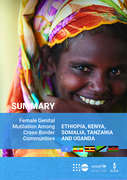
A study set out to investigate the factors affecting the prevalence of the practice among cross-border communities in East Africa and the Horn of Africa and the extent to which people cross borders to practise or undergo FGM and the effects of the practice on the women and girls in those communities
...
. Changes were found in social norms in the cross-border communities investigated, indicating that the practice of female genital mutilation (FGM) can be eradicated. Effective interventions to end FGM need to be tailored to communities’ belief systems if they are to be “owned” by and mobilize the communities to change their culture. This report summarises the findings.
more
Violence against women and girls is widespread in the Region of the Americas, resulting in enormous consequences for the health and wellbeing of women and girls, their families and communities. These costs are unacceptable and they can be prevented through evidence-based action, including the health
...
sector through its policies and protocols, as well as in collaboration with other sectors. This report remains the first of its kind and is a major milestone for the Region. It is specifically informed by the commitments of Member States in the regional Strategy and Plan of Action on Strengthening the Health System to Address Violence against Women. The report provides an analysis of efforts to advance the prevention of violence against women through health policies, clinical protocols, multisectoral plans and related approaches across the Americas. Attention to this topic is timely, as the COVID-19 pandemic has created new visibility for this area of work. This report offers critical information on efforts in the Region that can be learned from and used to build upon in the future to prevent and respond to violence against all women and girls everywhere.
more
La violencia contra las mujeres y las niñas es generalizada en la Región de las Américas, y tiene enormes consecuencias para su salud y bienestar, así como el de sus familias y sus comunidades. Se trata de un costo inaceptable que puede ser prevenido mediante acciones basadas en la evidencia, pr
...
omovidas por las políticas y los protocolos del sector de la salud, y la colaboración con otros sectores. El presente informe es el primero de su tipo y representa un hito importante para la Región. Se basa específicamente en los compromisos asumidos por los Estados Miembros en la Estrategia y plan de acción sobre el fortalecimiento del sistema de salud para abordar la violencia contra la mujer. El informe ofrece un análisis de los esfuerzos para avanzar en la prevención de la violencia contra las mujeres en la Región por medio de políticas de salud, protocolos clínicos, planes multisectoriales y otros enfoques relevantes. La atención a este tema es oportuna, ya que la pandemia de COVID-19 ha dado más visibilidad a esta esfera de trabajo. En este informe se ofrece información crucial sobre los esfuerzos llevados a cabo en la Región, de los cuales se puede aprender y utilizar el conocimiento extraído en el futuro para prevenir y responder a la violencia contra las mujeres y las niñas en todo el mundo.
more
Development and Introduction of the Filariasis Test Strip: A New Diagnostic Test for the Global Program to Eliminate Lymphatic Filariasis
Pantelias, A.; King, J.D.; Lammie, P.; Weil, G.J.
The American Journal of Tropical Medicine and Hygiene
(2022)
CC
Am. J. Trop. Med. Hyg., 106 (Suppl 5), 2022, pp. 56–60. Lymphatic filariasis (LF) is a parasitic disease that is a major cause of chronic disability in the developing world. According to the 2021–2030 road map for neglected tropical diseases (NTDs) published by the World Health Organization (WHO
...
), the global goal for LF is elimination as a public health problem by 2030 through repeated rounds of mass drug administration (MDA). Critical components of any elimination program are monitoring and surveillance. Appropriate assessment tools and methods are needed for each stage of an elimination program; mapping to identify which areas require intervention, monitoring to assess the impact of interventions, and post-intervention surveillance to validate elimination or detect recrudescence.
more

The African Regional Convening of the Global Initiative to Support Parents (GISP) stimulated the interest or engagement of almost 1500 individuals from 742 unique organizations in the fields of health, education, social welfare, women’s affairs, early childhood, water and sanitation, mental health
...
, violence prevention, innovative finance, climate, and many others. The convening united representatives across governments, civil society organizations, programme implementers, philanthropies, multilateral organizations, bilateral funders, private companies, universities, schools and day care centres, and hospitals around the common cause of supporting parents and caregivers.
more

The military offensive by the Russian Federation in Ukraine which began February 2022 has triggered one of the world’s fastest-growing displacement and humanitarian crisis, with geopolitical and economic ripples felt across the globe. The ongoing war has caused large-scale disruptions to the deliv
...
ery of health services and a near-collapse of the health system. But the crisis also saw an extraordinary mobilization and crisis response to a health emergency by WHO and its more than 100 partners.
more
