
Filter
4229
Text search:
HIV
positive
Featured
407
1248
Language
3969
172
60
56
53
39
23
11
10
9
6
6
6
5
5
5
4
4
4
4
3
3
3
3
3
3
3
2
2
2
2
2
2
2
2
2
2
2
2
2
1
1
1
1
1
1
1
1
1
1
1
1
1
1
1
Document type
2590
608
516
183
99
99
74
31
8
7
6
1
1
1
Countries
225
162
153
125
125
111
105
101
98
85
79
78
78
75
65
61
57
55
51
50
47
44
44
42
35
32
31
31
27
27
26
26
26
26
23
20
18
17
16
15
14
14
13
11
10
10
10
10
9
9
8
8
7
7
6
6
6
6
5
5
5
4
4
4
4
4
3
3
3
3
3
3
3
3
3
3
3
3
3
3
3
3
2
2
2
2
2
2
2
2
2
2
2
2
2
2
2
1
1
1
1
1
1
1
1
1
1
1
1
1
1
1
1
1
1
1
1
1
1
1
1
1
1
1
1
1
1
1
1
Authors & Publishers
464
206
136
114
90
87
82
81
68
58
50
42
29
29
27
25
23
23
23
22
22
21
21
21
20
19
18
18
18
17
17
17
16
16
16
16
15
15
15
14
14
14
14
13
12
11
11
11
11
11
11
11
10
10
10
10
9
9
9
9
9
9
9
9
9
8
8
8
8
8
7
7
7
7
7
7
7
7
7
7
6
6
6
6
6
6
6
6
6
6
6
6
6
6
6
6
6
6
6
6
6
6
6
6
5
5
5
5
5
5
5
5
5
5
5
5
5
5
5
5
5
5
5
5
5
5
5
5
5
5
5
4
4
4
4
4
4
4
4
4
4
4
4
4
4
4
4
4
4
4
4
4
4
4
4
4
4
4
4
4
4
4
4
4
4
4
4
4
4
4
4
4
4
4
4
4
4
4
4
4
4
4
4
4
4
4
4
4
4
4
4
4
4
3
3
3
3
3
3
3
3
3
3
3
3
3
3
3
3
3
3
3
3
3
3
3
3
3
3
3
3
3
3
3
3
3
3
3
3
3
3
3
3
3
3
3
3
3
3
3
3
3
3
3
3
3
3
3
3
3
3
3
3
3
3
3
3
3
3
3
3
3
3
3
3
3
3
3
3
3
3
3
3
3
3
3
3
3
3
3
3
3
3
3
3
2
2
2
2
2
2
2
2
2
2
2
2
2
2
2
2
2
2
2
2
2
2
2
2
2
2
2
2
2
2
2
2
2
2
2
2
2
2
2
2
2
2
2
2
2
2
2
2
2
2
2
2
2
2
2
2
2
2
2
2
2
2
2
2
2
2
2
2
2
2
2
2
2
2
2
2
2
2
2
2
2
2
2
2
2
2
2
2
2
2
2
2
2
2
2
2
2
2
2
2
2
2
2
2
2
2
2
2
2
2
2
2
2
2
2
2
2
2
2
2
2
2
2
2
2
2
2
2
2
2
2
2
2
2
2
2
2
2
2
2
2
2
2
2
2
2
2
2
2
2
2
2
2
2
2
2
2
2
2
2
2
2
2
2
2
2
2
2
2
2
2
2
2
2
2
2
2
2
2
2
2
2
2
2
2
2
2
2
2
2
2
2
2
2
2
2
2
2
2
2
2
2
2
2
2
2
2
2
2
2
2
2
2
2
2
2
2
2
2
2
2
2
2
2
2
2
2
2
2
2
2
2
2
2
2
2
2
2
2
2
2
2
2
2
2
2
2
2
2
2
2
2
2
2
2
2
2
2
2
2
2
1
1
1
1
1
1
1
1
1
1
1
1
1
1
1
1
1
1
1
1
1
1
1
1
1
1
1
1
1
1
1
1
1
1
1
1
1
1
1
1
1
1
1
1
1
1
1
1
1
1
1
1
1
1
1
1
1
1
1
1
1
1
1
1
1
1
1
1
1
1
1
1
1
1
1
1
1
1
1
1
1
1
1
1
1
1
1
1
1
1
1
1
1
1
1
1
1
1
1
1
1
1
1
1
1
1
1
1
1
1
1
1
1
1
1
1
1
1
1
1
1
1
1
1
1
1
1
1
1
1
1
1
1
1
1
1
1
1
1
1
1
1
1
1
1
1
1
1
1
1
1
1
1
1
1
1
1
1
1
1
1
1
1
1
1
1
1
1
1
1
1
1
1
1
1
1
1
1
1
1
1
1
1
1
1
1
1
1
1
1
1
1
1
1
1
1
1
1
1
1
1
1
1
1
1
1
1
1
1
1
1
1
1
1
1
1
1
1
1
1
1
1
1
1
1
1
1
1
1
1
1
1
1
1
1
1
1
1
1
1
1
1
1
1
1
1
1
1
1
1
1
1
1
1
1
1
1
1
1
1
1
1
1
1
1
1
1
1
1
1
1
1
1
1
1
1
1
1
1
1
1
1
1
1
1
1
1
1
1
1
1
1
1
1
1
1
1
1
1
1
1
1
1
1
1
1
1
1
1
1
1
1
1
1
1
1
1
1
1
1
1
1
1
1
1
1
1
1
1
1
1
1
1
1
1
1
1
1
1
1
1
1
1
1
1
1
1
1
1
1
1
1
1
1
1
1
1
1
1
1
1
1
1
1
1
1
1
1
1
1
1
1
1
1
1
1
1
1
1
1
1
1
1
1
1
1
1
1
1
1
1
1
1
1
1
1
1
1
1
1
1
1
1
1
1
1
1
1
1
1
1
1
1
1
1
1
1
1
1
1
1
1
1
1
1
1
1
1
1
1
1
1
1
1
1
1
1
1
1
1
1
1
1
1
1
1
1
1
1
1
1
1
1
1
1
1
1
1
1
1
1
1
1
1
1
1
1
1
1
1
1
1
1
1
1
1
1
1
1
1
1
1
1
1
1
1
1
1
1
1
1
1
1
1
1
1
1
1
1
1
1
1
1
1
1
1
1
1
1
1
1
1
1
1
1
1
1
1
1
1
1
1
1
1
1
1
1
1
1
1
1
1
1
1
1
1
1
1
1
1
1
1
1
1
1
1
1
1
1
1
1
1
1
1
1
1
1
1
1
1
1
1
1
1
1
1
1
1
1
1
1
1
1
1
1
1
1
1
1
1
1
1
1
1
1
1
1
1
1
1
1
1
1
1
1
1
1
1
1
1
1
1
1
1
1
1
1
1
1
1
1
1
1
1
1
1
1
1
1
1
1
1
1
1
1
1
1
1
1
1
1
1
1
1
1
1
1
1
1
1
1
1
1
1
1
1
1
1
1
1
1
1
1
1
1
1
1
1
1
1
1
1
1
1
1
1
1
1
1
1
1
1
1
1
1
1
1
1
1
1
1
1
1
1
1
1
1
1
1
1
1
1
1
1
1
1
1
1
1
1
1
1
1
1
1
1
1
1
1
1
1
1
1
1
1
1
1
1
1
1
1
1
1
1
1
1
1
1
1
1
1
1
1
1
1
1
1
1
1
1
1
1
1
1
1
1
1
1
1
1
1
1
1
1
1
1
1
1
1
1
1
1
1
1
1
1
1
1
1
1
1
1
1
1
1
1
1
1
1
1
1
1
1
1
1
1
1
1
1
1
1
1
1
1
1
1
1
1
1
1
1
1
1
1
1
1
1
1
1
1
1
1
1
1
1
1
1
1
1
1
1
1
1
1
1
1
1
1
1
1
1
1
1
1
1
1
1
1
1
1
1
1
1
1
1
1
1
1
1
1
1
1
1
1
1
1
1
1
1
1
1
1
1
1
1
1
1
1
1
1
1
1
1
1
1
1
1
1
1
1
1
1
1
1
1
1
1
1
1
1
1
1
1
1
1
1
1
1
1
1
1
1
1
1
1
1
1
1
1
1
1
1
1
1
1
1
1
1
1
1
1
1
1
1
1
1
1
1
1
1
1
1
1
1
1
1
1
1
1
1
1
1
1
1
1
1
1
1
1
1
1
1
1
1
1
1
1
1
1
1
1
1
1
1
1
1
1
1
1
1
1
1
1
1
1
1
1
1
1
1
1
1
1
1
1
1
1
1
1
1
1
1
1
1
1
1
1
1
1
1
1
1
1
1
1
1
1
1
1
1
1
1
1
1
1
1
1
1
1
1
1
1
1
1
1
1
1
1
1
1
1
1
1
1
1
1
1
1
1
1
1
1
1
1
1
1
1
1
1
1
1
1
1
1
1
1
1
1
1
1
1
1
1
1
1
1
1
1
1
1
1
1
1
1
1
1
1
1
1
1
1
1
1
1
1
1
1
1
1
1
1
1
1
1
1
1
1
1
1
1
1
1
1
1
1
1
1
1
1
1
1
1
1
1
1
1
1
1
1
1
1
1
1
1
1
1
1
1
1
1
1
1
1
1
1
1
1
1
1
1
1
1
1
1
1
1
1
1
1
1
1
1
1
1
1
1
1
1
1
1
1
1
1
1
1
1
1
1
1
1
1
1
1
1
1
1
1
1
1
1
1
1
1
1
1
1
1
1
1
1
1
1
1
1
1
1
1
1
1
1
1
1
1
1
1
1
1
1
1
1
1
1
1
1
1
1
1
1
1
1
1
1
1
1
1
1
1
1
1
1
1
1
1
1
1
1
1
1
1
1
1
1
1
1
1
1
1
1
1
1
1
1
1
1
1
1
1
1
1
1
1
1
1
1
1
1
1
1
1
1
1
1
1
1
1
1
1
1
1
1
1
1
1
1
1
1
1
1
1
1
1
1
1
1
1
1
1
1
1
1
1
1
1
1
1
1
1
1
1
1
1
1
1
1
1
1
1
1
1
1
1
1
1
1
1
1
1
1
1
1
1
1
1
1
1
1
1
1
1
1
1
1
1
1
1
1
1
1
1
1
1
1
1
1
1
1
1
1
1
1
1
1
1
1
1
1
1
1
1
1
1
1
1
1
1
1
1
1
1
1
1
1
1
1
1
1
1
1
1
1
1
1
1
1
1
1
1
1
1
1
1
1
1
1
1
1
1
1
1
1
1
1
1
1
1
1
1
1
1
1
1
1
1
1
1
1
1
1
1
1
1
1
1
1
1
1
1
1
1
1
1
1
1
1
1
1
1
1
1
1
1
1
1
1
1
1
1
1
1
1
1
1
1
1
1
1
1
1
1
1
1
1
1
1
1
1
1
1
1
1
1
1
1
1
1
1
1
1
1
1
1
1
1
1
1
1
1
1
1
1
1
1
1
1
1
1
1
1
1
1
1
1
1
1
1
1
1
1
1
1
1
1
1
1
1
1
1
1
1
1
1
1
1
1
1
1
1
1
1
1
1
1
1
1
1
1
1
1
1
1
1
1
1
1
1
1
1
1
1
1
1
1
1
1
1
1
1
1
1
1
1
1
1
1
1
1
1
1
1
1
1
1
1
1
1
1
1
1
1
1
1
1
1
1
1
1
1
1
1
1
1
1
1
1
1
1
1
1
1
1
1
1
1
1
1
1
1
1
1
1
1
1
1
1
1
1
1
1
1
1
1
1
1
1
1
1
1
1
1
1
1
1
1
1
1
1
1
1
1
1
1
1
1
1
1
1
1
1
1
1
1
1
1
1
1
1
1
1
1
1
1
1
1
1
1
1
1
1
1
1
1
1
1
1
1
1
1
1
1
1
1
1
1
1
1
1
1
1
1
1
1
1
1
1
1
1
1
1
1
1
1
1
1
1
1
1
1
1
1
1
1
1
1
1
1
1
1
1
1
1
1
1
1
1
1
1
1
1
1
1
1
1
1
1
1
1
1
1
1
1
1
1
1
1
1
1
1
1
1
1
1
1
1
1
1
1
1
1
1
1
1
1
1
1
1
1
1
1
1
1
1
1
1
1
1
1
1
1
1
1
1
1
1
1
1
1
1
1
1
1
1
1
1
1
1
1
1
1
1
1
1
1
1
1
1
1
1
1
1
1
1
1
1
1
1
1
1
1
1
1
1
1
1
1
1
1
1
1
1
1
1
1
1
1
1
1
1
1
1
1
1
1
1
1
1
1
1
1
1
1
1
1
1
1
1
1
1
1
1
1
1
1
1
1
1
1
1
1
1
1
1
1
1
1
1
1
1
1
1
1
1
1
1
1
1
1
1
1
1
1
1
1
1
1
1
1
1
1
1
1
1
1
1
1
1
1
1
1
1
1
1
1
1
1
1
1
1
1
1
1
1
1
1
1
1
1
1
1
1
1
1
1
1
1
1
1
1
1
1
1
1
1
1
1
1
1
1
1
1
1
1
1
1
1
1
1
1
1
1
1
1
1
1
1
1
1
1
1
1
1
1
1
1
1
1
1
1
1
1
1
1
1
1
1
1
1
1
1
1
1
1
1
1
1
1
1
1
1
1
1
1
1
1
1
1
1
1
1
1
1
1
1
1
1
1
1
1
1
1
1
1
1
1
1
1
1
1
1
1
1
1
1
1
1
1
1
1
1
1
1
1
1
1
1
1
1
1
1
1
1
1
1
1
1
1
1
1
1
1
1
1
1
1
1
1
1
1
1
1
1
1
1
1
1
1
1
1
1
1
1
1
1
1
1
1
1
1
1
1
1
1
1
1
1
1
1
1
1
1
1
1
1
1
1
1
1
1
1
1
1
1
1
1
1
1
1
1
1
1
1
1
1
1
1
1
1
1
1
1
1
1
1
1
1
1
1
1
1
1
1
1
1
1
1
1
1
1
1
1
1
1
1
1
1
1
1
1
1
1
1
1
1
1
1
1
1
1
1
1
1
1
1
1
1
1
1
1
1
1
1
1
1
1
1
1
1
1
1
1
1
1
1
1
1
1
1
1
1
1
1
1
1
1
1
1
1
1
1
1
1
1
1
1
1
1
1
1
1
1
1
1
1
1
1
1
1
1
1
1
1
1
1
1
1
1
1
1
1
1
1
1
1
1
1
1
1
1
1
1
1
1
1
1
1
1
1
1
1
1
1
1
1
1
1
1
1
1
1
1
1
1
1
1
1
1
1
1
1
1
1
1
1
1
1
1
1
1
1
1
1
1
1
1
1
1
1
1
1
1
1
1
1
1
1
1
1
1
1
1
1
1
1
1
1
1
1
1
1
1
1
1
1
1
1
1
1
1
1
1
1
1
1
1
1
1
1
1
1
1
1
1
1
1
1
1
1
1
1
1
1
1
1
1
1
1
1
1
1
1
1
1
1
1
1
1
1
1
1
1
1
1
1
1
1
1
1
1
1
1
1
1
1
1
1
1
1
1
1
1
1
1
1
1
1
1
1
1
1
1
1
1
1
1
1
1
1
1
1
1
1
1
1
1
1
1
1
1
1
1
1
1
1
1
1
1
1
1
1
1
1
1
1
1
1
1
1
1
1
1
1
1
1
1
1
1
1
1
1
1
1
1
1
1
1
1
1
1
1
1
1
1
1
1
1
1
1
1
1
1
1
1
1
1
1
1
1
1
1
1
1
1
1
1
1
1
1
1
1
1
1
1
1
1
1
1
1
1
1
1
1
1
1
1
1
1
1
1
1
1
1
1
1
1
1
1
1
1
1
1
1
1
1
1
1
1
1
1
1
1
1
1
1
1
1
1
1
1
1
1
1
1
1
1
1
1
1
1
1
1
1
1
1
1
1
1
1
1
1
1
1
1
1
1
1
1
1
1
1
1
1
1
1
1
1
1
1
1
1
1
1
1
1
1
1
1
1
1
1
1
1
1
1
1
1
1
1
1
1
1
1
1
1
1
1
1
1
1
1
1
1
1
1
1
1
1
1
1
1
1
1
1
1
1
1
1
1
1
1
1
1
1
1
1
1
1
1
1
1
1
1
1
1
1
1
1
1
1
1
1
1
1
1
1
1
1
1
1
1
1
1
1
1
1
1
1
1
1
1
1
1
1
1
1
1
1
1
1
1
1
1
1
1
1
1
1
1
1
1
1
1
1
1
1
1
1
1
1
1
1
1
1
1
1
1
1
1
1
1
1
1
1
1
1
1
1
1
1
1
1
1
1
1
1
1
1
1
1
1
1
Publication Years
1021
2800
391
17
Category
1964
338
302
160
153
134
46
2
Toolboxes
505
324
218
191
131
106
95
90
78
74
64
54
48
43
41
38
33
31
30
18
17
17
15
13
1
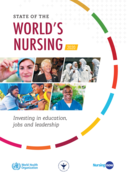
The State of the world’s nursing 2020 report provides the latest, most up-to-date evidence on and policy options for the global nursing workforce. It also presents a compelling case for considerable – yet feasible – investment in nursing education, jobs, and leadership.
The primary chapters
...
of the report outline the role and contributions of nurses with respect to the WHO “triple billion” targets; the health labour market and workforce policy levers to address the challenges to nurses working to their full potential; the findings from analysis of National Health Workforce Account (NHWA) data from 191 Member States and progress in relation to the projected shortfall of nurses by 2030; and forward-looking policy options for an agenda to strengthen the nursing workforce to deliver the Sustainable Development Goals, improve health for all, and strengthen the primary health care workforce on our journey towards universal health coverage.
more
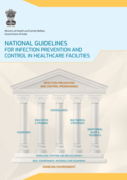
Infection Prevention and Control Programmes
January 2020

The following protocol has been designed to investigate the extent of infection, as determined by seropositivity in the general population, in any country in which COVID-19 virus infection has been reported. Each country may need to tailor some aspects of this protocol to align with public health, l
...
aboratory and clinical systems, according to capacity, availability of resources and cultural appropriateness. However, using a standardized protocol such as this one below, epidemiological exposure data and biological samples can be systematically collected and shared rapidly in a format that can be easily aggregated, tabulated and analyzed across many different settings globally for timely estimates of COVID-19 virus infection severity and attack rates, as well as to inform public health responses and policy decisions. This is particularly important in the context of a novel respiratory pathogen, such as COVID-19 virus
more
National Guidelines for Clinical Management of Dengue Syndrome - 4rd Edition
Prof. Dr. A. K. Azad; Prof. Dr. S. Tahamina; Prof. Q. T. Islam; et al.
Government of the People's Republic of Bangladesh DGHS Directorate General of Health Services Ministry of Health and Family Welfare ; World Health Organization (Bangladesh)
(2018)
C2
4th Edition 2018
National Malaria Elimination & Aedes Transmitted Disease Control Program
Disease Control Unit Directorate General of Health Services
COVID Reference 2021.6 EN
recommended
6th edition 13 January 2021 CR 2021.6.10, uploaded on 27 May 2021
Find eight editions: Deutsch | English | Español | Français | Italiano | Português | Tiếng Việt | Türkçe
https://covidreference.com/download
Il nuovo mini-textbook
Nei prossimi mesi, COVID Reference presenterà aggiornamenti regolari e racconterà i dati scientifici nel modo più completo possibile.
Briefing note | 16 March 2020
Do no harm, equality, transparency, humanity: values should guide the criminal justice sector’s response to coronavirus
At the time of publishing there were more than 164,000* confirmed cases of COVID- 19, the novel form of Coronavirus, affecting 110 countries wit
...
h more than 6,470 deaths. In this briefing we assess the current situation of COVID-19 outbreaks and prevention measures in prisons** and wider impacts of responses to governments on people in criminal justice systems. This briefing note argues for action to be taken now and immediately, given the risk people in prison are exposed to, including prison staff.
more

In 2006, the Special Session of African Union Health Ministers adopted the Maputo Plan of Action for implementing the Continental Policy Framework on sexual and reproductive health and rights (SRHR), which expired at the end of 2015. The goal was for all stakeholders and partners to join forces and
...
re-double efforts, so that together, the effective implementation of the Continental Policy framework including universal access to sexual and reproductive health by 2015 in all countries in Africa can be achieved. The Revised Maputo Plan of Action (MPoA) 2016 – 2030 was subsequently endorsed by the African Union Heads of State at the 27th AU Summit in July 2016 in Kigali, Rwanda. The plan reinforces the call for universal access to comprehensive sexual and reproductive health services in Africa and lays foundation to the Sustainable Development Goals, particularly Goal 3 and 5, as well as the African Union Agenda 2063.
more

This document compiles best practices in emergency supply chain preparedness so that countries
can respond rapidly and effectively to epidemic and pandemic threats. Such a response requires a well-functioning supply chain
Antimalarial drug resistance has emerged as a threat to global malaria control efforts, particularly in the Greater Mekong subregion. Drawing on data collected through more than 1000 therapeutic efficacy studies as well as molecular marker studies of Plasmodium falciparum drug resistance, the Report
...
on antimalarial drug efficacy, resistance and response: 10 years of surveillance (2010–2019) presents a decade’s worth of data on drug efficacy and surveillance, as well as recommendations to monitor and protect the efficacy of malaria treatment in the decades to come.
more

Nearly 800 women die every day from preventable maternal causes, and in 2022 alone, an estimated 2.3 million newborns died. For every maternal death, countless more women endure life-altering injuries, infections, and disabilities related to childbirth.
Maternal deaths are concentrated in the poo
...
rest regions and conflict-affected areas. In 2020, sub-Saharan Africa accounted for nearly 70% of all maternal deaths, with just 22 countries responsible for 81% of the global total. Humanitarian crises and fragile health systems exacerbate these challenges, with maternal mortality rates in crisis-affected areas often double the global average. The barriers to progress are multifaceted, including inadequate funding, poor-quality healthcare, harmful gender and social norms, and critical gaps in data and accountability.
more
Development and Introduction of the Filariasis Test Strip: A New Diagnostic Test for the Global Program to Eliminate Lymphatic Filariasis
Pantelias, A.; King, J.D.; Lammie, P.; Weil, G.J.
The American Journal of Tropical Medicine and Hygiene
(2022)
CC
Am. J. Trop. Med. Hyg., 106 (Suppl 5), 2022, pp. 56–60. Lymphatic filariasis (LF) is a parasitic disease that is a major cause of chronic disability in the developing world. According to the 2021–2030 road map for neglected tropical diseases (NTDs) published by the World Health Organization (WHO
...
), the global goal for LF is elimination as a public health problem by 2030 through repeated rounds of mass drug administration (MDA). Critical components of any elimination program are monitoring and surveillance. Appropriate assessment tools and methods are needed for each stage of an elimination program; mapping to identify which areas require intervention, monitoring to assess the impact of interventions, and post-intervention surveillance to validate elimination or detect recrudescence.
more
Accessed: 02.05.2020
These consolidated guidelines provide recommendations for comprehensive prevention and case management strategies in Kenya
Scope of the Guidelines: Infection prevention and control Patient triage Emergency Medical Services Case management Laboratory testing algorithm
Target
...
Audience: Health care workers taking care of patients suspected or confirmed to have COVID-19
These guidelines combine both preventive and clinical management of the disease in Kenyan context. The protocol borrows various international recommendations including the World Health Organization, from experience of other countries such as China that has struggled with the outbreak for a longer time and from principles of virology and infectious disease management.
more
First published in 2020, this toolkit is intended for clinicians working in acute care, managing adult and paediatric patients with acute respiratory infection, including severe pneumonia, acute respiratory distress syndrome, sepsis and septic shock. The main objective is to provide key tools for us
...
e in the care of critically ill patients – from hospital entry to hospital discharge.
The 2022 updated version includes new tools and adapted algorithms, checklists, memory aids for COVID-19 and influenza, and the latest clinical evidence regarding clinical management of SARI. It is intended to help clinicians care for SARI patients: from epidemiology of severe acute respiratory infections, screening and triage, infection prevention and control, monitoring of patients, laboratory diagnosis, principles of oxygen therapy and different types of ventilation (invasive and non-invasive), as well as antimicrobial and immunomodulator therapies, to ethical and quality of care assessments.
The first edition is availbel in Ukrainian and Russian
more

Community-based health care, including outreach and campaigns,in the context of the COVID-19 pandemic
recommended
The COVID-19 pandemic is challenging health systems across the world. Rapidly increasing demand for care of people with COVID-19 is compounded by fear, misinformation and limitations on the movement of people and supplies that disrupt the delivery of frontline health care for all people...
This g
...
uidance addresses the specific role of community-based health care in the pandemic context and outlines the adaptations needed to keep people safe, maintain continuity of essential services and ensure an effective response to COVID-19. It is intended for decision-makers and managers at the national and subnational levels and complements a range of other guidance, including that on priority public health interventions, facility-based care, and risk communication and community engagement in the setting of the COVID-19 pandemic.
more
Only 8,730 asylum applications were registered in the EU+ in April, the lowest since at least 2008, and a massive 87% decrease from pre-COVID-19 levels in January and February.
The European Asylum Support Office (EASO) has released a special report which shows that the COVID-19 related travel restr
...
ictions and national health measures which were imposed during the past few months led to a dramatic cut in asylum applications in Europe.
more
This brief considers the rationale for shielding individuals at high risk of severe disease or death from COVID-19 in low- and middleincome countries. It provides an overview of proposed approaches to shielding, discusses the categories of individuals who may be identified for shielding, and outline
...
s the likely difficulties of these measures and ways to mitigate them.
more
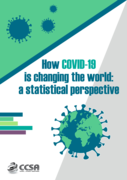
COVID-19 has turned the world upside down. Everything has been impacted. How we live and interact with each other, how we work and communicate, how we move around and travel. Every aspect of our lives has been affected.
Der Artikel "Händedesinfektion unter den Bedingungen der SARS-CoV-2-Pandemie" war am 4.5.2020 online vorab erschienen und ist nun in der regulären Ausgabe des Epidemiologischen Bulletins 19/2020 zu finden.
