
Filter
4106
Text search:
disability
Featured
369
892
Language
3774
192
153
86
53
47
41
27
14
11
10
9
8
7
7
6
6
6
5
5
5
5
5
5
4
4
4
4
4
4
4
4
3
3
3
3
3
3
3
3
3
2
2
2
2
2
2
2
2
2
1
1
1
1
1
1
1
1
1
1
1
1
Document type
2390
702
413
236
163
65
64
28
17
10
8
5
4
1
Countries
211
184
95
76
75
74
73
68
67
63
62
58
57
52
51
45
45
44
38
38
37
36
33
33
31
30
29
27
26
25
23
22
22
21
19
19
18
16
15
15
14
13
12
12
11
11
11
10
10
10
10
10
10
9
9
8
8
8
8
8
7
7
6
6
6
6
6
5
5
5
5
5
4
4
4
4
3
3
3
3
3
3
3
3
2
2
2
2
2
2
2
2
2
2
2
2
2
2
1
1
1
1
1
1
1
1
1
1
1
1
1
1
1
1
1
1
1
1
1
1
1
1
1
1
1
1
1
1
1
1
1
1
1
Authors & Publishers
473
171
169
108
103
92
81
71
61
55
51
43
43
29
29
27
25
24
22
21
20
20
19
17
17
16
16
14
14
14
14
13
13
13
12
12
12
12
12
11
11
11
11
11
11
10
10
10
10
10
10
10
9
9
9
9
9
9
8
8
8
8
8
8
8
7
7
7
7
7
7
7
7
7
6
6
6
6
6
6
6
6
6
6
6
6
6
6
6
6
6
6
6
6
5
5
5
5
5
5
5
5
5
5
5
5
5
5
5
5
5
5
5
5
5
5
5
5
5
5
5
5
5
5
5
4
4
4
4
4
4
4
4
4
4
4
4
4
4
4
4
4
4
4
4
4
4
4
4
4
4
4
4
4
4
4
4
4
4
4
4
4
4
4
4
4
4
4
4
4
3
3
3
3
3
3
3
3
3
3
3
3
3
3
3
3
3
3
3
3
3
3
3
3
3
3
3
3
3
3
3
3
3
3
3
3
3
3
3
3
3
3
3
3
3
3
3
3
3
3
3
3
3
3
3
3
3
3
3
3
3
3
3
3
3
3
3
3
3
3
3
3
3
3
3
3
3
3
3
3
3
3
3
3
3
3
2
2
2
2
2
2
2
2
2
2
2
2
2
2
2
2
2
2
2
2
2
2
2
2
2
2
2
2
2
2
2
2
2
2
2
2
2
2
2
2
2
2
2
2
2
2
2
2
2
2
2
2
2
2
2
2
2
2
2
2
2
2
2
2
2
2
2
2
2
2
2
2
2
2
2
2
2
2
2
2
2
2
2
2
2
2
2
2
2
2
2
2
2
2
2
2
2
2
2
2
2
2
2
2
2
2
2
2
2
2
2
2
2
2
2
2
2
2
2
2
2
2
2
2
2
2
2
2
2
2
2
2
2
2
2
2
2
2
2
2
2
2
2
2
2
2
2
2
2
2
2
2
2
2
2
2
2
2
2
2
2
2
2
2
2
2
2
2
2
2
2
2
2
2
2
2
2
2
2
2
2
2
2
2
2
2
2
2
2
2
2
2
2
2
2
1
1
1
1
1
1
1
1
1
1
1
1
1
1
1
1
1
1
1
1
1
1
1
1
1
1
1
1
1
1
1
1
1
1
1
1
1
1
1
1
1
1
1
1
1
1
1
1
1
1
1
1
1
1
1
1
1
1
1
1
1
1
1
1
1
1
1
1
1
1
1
1
1
1
1
1
1
1
1
1
1
1
1
1
1
1
1
1
1
1
1
1
1
1
1
1
1
1
1
1
1
1
1
1
1
1
1
1
1
1
1
1
1
1
1
1
1
1
1
1
1
1
1
1
1
1
1
1
1
1
1
1
1
1
1
1
1
1
1
1
1
1
1
1
1
1
1
1
1
1
1
1
1
1
1
1
1
1
1
1
1
1
1
1
1
1
1
1
1
1
1
1
1
1
1
1
1
1
1
1
1
1
1
1
1
1
1
1
1
1
1
1
1
1
1
1
1
1
1
1
1
1
1
1
1
1
1
1
1
1
1
1
1
1
1
1
1
1
1
1
1
1
1
1
1
1
1
1
1
1
1
1
1
1
1
1
1
1
1
1
1
1
1
1
1
1
1
1
1
1
1
1
1
1
1
1
1
1
1
1
1
1
1
1
1
1
1
1
1
1
1
1
1
1
1
1
1
1
1
1
1
1
1
1
1
1
1
1
1
1
1
1
1
1
1
1
1
1
1
1
1
1
1
1
1
1
1
1
1
1
1
1
1
1
1
1
1
1
1
1
1
1
1
1
1
1
1
1
1
1
1
1
1
1
1
1
1
1
1
1
1
1
1
1
1
1
1
1
1
1
1
1
1
1
1
1
1
1
1
1
1
1
1
1
1
1
1
1
1
1
1
1
1
1
1
1
1
1
1
1
1
1
1
1
1
1
1
1
1
1
1
1
1
1
1
1
1
1
1
1
1
1
1
1
1
1
1
1
1
1
1
1
1
1
1
1
1
1
1
1
1
1
1
1
1
1
1
1
1
1
1
1
1
1
1
1
1
1
1
1
1
1
1
1
1
1
1
1
1
1
1
1
1
1
1
1
1
1
1
1
1
1
1
1
1
1
1
1
1
1
1
1
1
1
1
1
1
1
1
1
1
1
1
1
1
1
1
1
1
1
1
1
1
1
1
1
1
1
1
1
1
1
1
1
1
1
1
1
1
1
1
1
1
1
1
1
1
1
1
1
1
1
1
1
1
1
1
1
1
1
1
1
1
1
1
1
1
1
1
1
1
1
1
1
1
1
1
1
1
1
1
1
1
1
1
1
1
1
1
1
1
1
1
1
1
1
1
1
1
1
1
1
1
1
1
1
1
1
1
1
1
1
1
1
1
1
1
1
1
1
1
1
1
1
1
1
1
1
1
1
1
1
1
1
1
1
1
1
1
1
1
1
1
1
1
1
1
1
1
1
1
1
1
1
1
1
1
1
1
1
1
1
1
1
1
1
1
1
1
1
1
1
1
1
1
1
1
1
1
1
1
1
1
1
1
1
1
1
1
1
1
1
1
1
1
1
1
1
1
1
1
1
1
1
1
1
1
1
1
1
1
1
1
1
1
1
1
1
1
1
1
1
1
1
1
1
1
1
1
1
1
1
1
1
1
1
1
1
1
1
1
1
1
1
1
1
1
1
1
1
1
1
1
1
1
1
1
1
1
1
1
1
1
1
1
1
1
1
1
1
1
1
1
1
1
1
1
1
1
1
1
1
1
1
1
1
1
1
1
1
1
1
1
1
1
1
1
1
1
1
1
1
1
1
1
1
1
1
1
1
1
1
1
1
1
1
1
1
1
1
1
1
1
1
1
1
1
1
1
1
1
1
1
1
1
1
1
1
1
1
1
1
1
1
1
1
1
1
1
1
1
1
1
1
1
1
1
1
1
1
1
1
1
1
1
1
1
1
1
1
1
1
1
1
1
1
1
1
1
1
1
1
1
1
1
1
1
1
1
1
1
1
1
1
1
1
1
1
1
1
1
1
1
1
1
1
1
1
1
1
1
1
1
1
1
1
1
1
1
1
1
1
1
1
1
1
1
1
1
1
1
1
1
1
1
1
1
1
1
1
1
1
1
1
1
1
1
1
1
1
1
1
1
1
1
1
1
1
1
1
1
1
1
1
1
1
1
1
1
1
1
1
1
1
1
1
1
1
1
1
1
1
1
1
1
1
1
1
1
1
1
1
1
1
1
1
1
1
1
1
1
1
1
1
1
1
1
1
1
1
1
1
1
1
1
1
1
1
1
1
1
1
1
1
1
1
1
1
1
1
1
1
1
1
1
1
1
1
1
1
1
1
1
1
1
1
1
1
1
1
1
1
1
1
1
1
1
1
1
1
1
1
1
1
1
1
1
1
1
1
1
1
1
1
1
1
1
1
1
1
1
1
1
1
1
1
1
1
1
1
1
1
1
1
1
1
1
1
1
1
1
1
1
1
1
1
1
1
1
1
1
1
1
1
1
1
1
1
1
1
1
1
1
1
1
1
1
1
1
1
1
1
1
1
1
1
1
1
1
1
1
1
1
1
1
1
1
1
1
1
1
1
1
1
1
1
1
1
1
1
1
1
1
1
1
1
1
1
1
1
1
1
1
1
1
1
1
1
1
1
1
1
1
1
1
1
1
1
1
1
1
1
1
1
1
1
1
1
1
1
1
1
1
1
1
1
1
1
1
1
1
1
1
1
1
1
1
1
1
1
1
1
1
1
1
1
1
1
1
1
1
1
1
1
1
1
1
1
1
1
1
1
1
1
1
1
1
1
1
1
1
1
1
1
1
1
1
1
1
1
1
1
1
1
1
1
1
1
1
1
1
1
1
1
1
1
1
1
1
1
1
1
1
1
1
1
1
1
1
1
1
1
1
1
1
1
1
1
1
1
1
1
1
1
1
1
1
1
1
1
1
1
1
1
1
1
1
1
1
1
1
1
1
1
1
1
1
1
1
1
1
1
1
1
1
1
1
1
1
1
1
1
1
1
1
1
1
1
1
1
1
1
1
1
1
1
1
1
1
1
1
1
1
1
1
1
1
1
1
1
1
1
1
1
1
1
1
1
1
1
1
1
1
1
1
1
1
1
1
1
1
1
1
1
1
1
1
1
1
1
1
1
1
1
1
1
1
1
1
1
1
1
1
1
1
1
1
1
1
1
1
1
1
1
1
1
1
1
1
1
1
1
1
1
1
1
1
1
1
1
1
1
1
1
1
1
1
1
1
1
1
1
1
1
1
1
1
1
1
1
1
1
1
1
1
1
1
1
1
1
1
1
1
1
1
1
1
1
1
1
1
1
1
1
1
1
1
1
1
1
1
1
1
1
1
1
1
1
1
1
1
1
1
1
1
1
1
1
1
1
1
1
1
1
1
1
1
1
1
1
1
1
1
1
1
1
1
1
1
1
1
1
1
1
1
1
1
1
1
1
1
1
1
1
1
1
1
1
1
1
1
1
1
1
1
1
1
1
1
1
1
1
1
1
1
1
1
1
1
1
1
1
1
1
1
1
1
1
1
1
1
1
1
1
1
1
1
1
1
1
1
1
1
1
1
1
1
1
1
1
1
1
1
1
1
1
1
1
1
1
1
1
1
1
1
1
1
1
1
1
1
1
1
1
1
1
1
1
1
1
1
1
1
1
1
1
1
1
1
1
1
1
1
1
1
1
1
1
1
1
1
1
1
1
1
1
1
1
1
1
1
1
1
1
1
1
1
1
1
1
1
1
1
1
1
1
1
1
1
1
1
1
1
1
1
1
1
1
1
1
1
1
1
1
1
1
1
1
1
1
1
1
1
1
1
1
1
1
1
1
1
1
1
1
1
1
1
1
1
1
1
1
1
1
1
1
1
1
1
1
1
1
1
1
1
1
1
1
1
1
1
1
1
1
1
1
1
1
1
1
1
1
1
1
1
1
1
1
1
1
1
1
1
1
1
1
1
1
1
1
1
1
1
1
1
1
1
1
1
1
1
1
1
1
1
1
1
1
1
1
1
1
1
1
1
1
1
1
1
1
1
1
1
1
1
1
1
1
1
1
1
1
1
1
1
1
1
1
1
1
1
1
1
1
1
1
1
1
1
1
1
1
1
1
1
1
1
1
1
1
1
1
1
1
1
1
1
1
1
1
1
1
1
1
1
1
1
1
1
1
1
1
1
1
1
1
1
1
1
1
1
1
1
1
1
1
1
1
1
1
1
1
1
1
1
1
1
1
1
1
1
1
1
1
1
1
1
1
1
1
1
1
1
1
1
1
1
1
1
1
1
1
1
1
1
1
1
1
1
1
1
1
1
1
1
1
1
1
1
1
1
1
1
1
1
1
1
1
1
1
1
1
1
1
1
1
1
1
1
1
1
1
1
1
1
1
1
1
1
1
1
1
1
1
1
1
1
1
1
1
1
1
1
1
1
1
1
1
1
1
1
1
1
1
1
1
1
1
1
1
1
1
1
1
1
1
1
1
1
1
1
1
1
1
1
1
1
1
1
1
1
1
1
1
1
1
1
1
1
1
1
1
1
1
1
1
1
1
1
1
1
1
1
1
1
1
1
1
1
1
1
1
1
1
1
1
1
1
1
1
1
1
1
1
1
1
1
1
1
1
1
1
1
1
1
1
1
1
1
1
1
1
1
1
1
1
1
1
1
1
1
1
1
1
1
1
1
1
1
1
1
1
1
1
1
1
1
1
1
1
1
1
1
1
1
1
1
1
1
1
1
1
1
1
1
1
1
1
1
1
1
1
1
1
1
1
1
1
1
1
1
1
1
1
1
1
1
1
1
1
1
1
1
1
1
1
1
1
1
1
1
1
1
1
1
1
1
1
1
1
1
1
1
1
1
1
1
1
1
1
1
1
1
1
1
1
1
1
1
1
1
1
1
1
1
1
1
1
1
1
1
1
1
1
1
1
1
1
1
1
1
1
1
1
1
1
1
1
1
1
1
1
1
1
1
1
1
1
1
1
1
1
1
1
1
1
1
1
1
1
1
1
1
1
1
1
1
1
1
1
1
1
1
1
1
1
1
1
1
1
1
1
1
1
1
1
1
1
1
1
1
1
1
1
1
1
1
1
1
1
1
1
1
1
1
1
1
1
1
1
1
1
1
1
1
1
1
1
1
1
1
1
1
1
1
1
1
1
1
1
1
1
1
1
1
1
1
1
1
1
1
1
1
1
1
1
1
1
1
1
1
1
1
1
1
1
1
1
1
1
1
1
1
1
1
1
1
1
1
1
1
1
1
1
1
1
1
1
1
1
1
1
1
1
1
1
1
1
1
1
1
1
1
1
1
1
1
1
1
1
1
1
1
1
1
1
1
1
1
1
1
1
1
1
1
1
1
1
1
1
1
1
1
1
1
1
1
1
1
1
1
1
1
1
1
1
1
1
1
1
1
1
1
1
1
1
1
1
1
1
1
1
1
1
1
1
1
1
1
1
1
1
1
1
1
1
1
1
1
1
1
1
1
1
1
1
1
1
1
1
1
1
1
1
1
1
1
1
1
1
1
1
1
1
1
1
1
1
1
1
1
1
1
1
1
1
1
1
1
1
1
1
1
1
1
1
1
1
1
1
1
1
1
1
1
1
1
1
1
1
1
1
1
1
1
1
1
1
1
1
1
1
1
1
1
1
1
1
1
1
1
1
1
1
1
1
1
1
1
1
1
1
1
1
1
1
1
1
1
1
1
1
1
1
1
1
1
1
1
1
1
1
1
1
1
1
1
1
1
1
1
1
1
1
1
1
1
1
1
1
1
1
1
1
1
1
1
1
1
1
1
1
1
1
1
1
1
1
1
1
1
1
1
1
1
1
1
1
1
1
1
1
1
1
1
1
1
1
1
1
1
1
1
1
1
1
1
1
1
1
1
1
1
1
1
1
1
1
1
1
1
1
1
1
1
1
1
1
1
1
1
1
1
1
1
1
1
1
1
1
1
1
1
1
1
1
1
1
1
1
1
1
1
1
1
1
1
1
1
1
1
1
1
1
1
1
1
1
1
1
1
1
1
1
1
1
1
1
1
1
1
1
1
1
1
1
1
1
1
1
1
1
1
1
1
1
1
1
1
1
1
1
1
1
1
1
1
1
1
1
1
1
1
1
1
1
1
1
1
1
1
1
1
1
1
1
1
1
1
1
1
1
1
1
1
1
1
1
1
1
1
1
1
1
1
1
1
1
1
1
1
1
1
1
1
1
1
1
1
1
1
1
1
1
1
1
1
Publication Years
1
1145
2563
378
18
1
Category
1376
288
267
233
221
65
12
2
Toolboxes
755
584
234
222
142
128
112
93
86
82
79
67
44
44
40
30
30
25
19
19
16
16
12
3
2
2

The revision of the SRHR Policy is based on the results of the analysis of the implementation process of the past policy, which has provided evidence to
ensure that the revised policy is relevant and effective. The revision has also been done with the participation of all national stakeholders who
...
have
also international experience on SRHR issues. The Ministry urges all public and private institutions to use this policy as a guide in the implementation of
SRHR services in the country.
more
Report of a global meeting on yaws eradication surveillance, monitoring and evaluation: Geneva, 29–30 January 2018. World Health Organization.
Training in monitoring and epidemiological assessment of mass drug administration for eliminating lymphatic filariasis: learners’ guide. World Health Organization.

During the 17 years since Surgical approaches to the urogenital manifestations of lymphatic filariasis was first published, there has been heightened awareness of the physical, economic and emotional burden of the genitourinary manifestations of filariasis. With the impetus to provide better guidanc
...
e for care of those suffering from LF, this update was both warranted and timely.
At the outset, the Committee noted that barriers continue to exist in care of patients affected by LF-associated morbidity. These barriers include lack of information for patients as well as for many healthcare providers, including general surgeons and others within health systems
This update offers a new consensus of the Committee regarding the staging of hydroceles caused by LF, also known as “filariceles”. It recommends integrating LF surgery with other efforts to strengthen surgical care by assessing health facilities for their surgical readiness using the WHO surgical assessment tool or “SAT”. It also recommends integratinghernia surgery with hydrocele surgery and integrating standards for prevention of surgical site infection (SSI).
The update revises recommendations for standard procedures and processes, offers an algorithm for diagnosis (including the use of ultrasound) and discusses postoperative care. It recommends collecting data using the staging and grading system described by Capuano and Capuano along with other metrics for public health management of LF.
A multifaceted approach has therefore been recommended to coordinate public health outreach with national surgical planning and local health systems to include supporting partners such as nongovernmental organizations. Surgical camps with mobile teams, as well as training of personnel at DCP3 “first level” or WHO Level II hospitals (depending on region and resources), have important roles for reducing LF morbidity.
more
Accessed on 31.03.2023
COUNTDOWN Nigeria has applied a Participatory Action Research (PAR) approach to improve equity of Mass Administration of Medicines (MAM) and inform Neglected Tropical Disease (NTD) policy through an enhanced community engagement strategy. A situational analysis conducted i
...
n 2016 identified community engagement as a
bottleneck to achieving equitable coverage of MAM within different and emerging contexts (border, migrant, rural and urban) of Nigeria, related to programmatic, social, political and environmental changes over time See: (Dean et al., 2019), (Oluwole et al., 2019) and (Adekeye et al., 2019)
more

Integrating the prevention and control of noncommunicable diseases in HIV/AIDS, tuberculosis, and sexual and reproductive health programmes: implementation guidance

Accessed on 04.04.2023
The Drugs for Neglected Diseases initiative (DNDi) is an international
non-profit organization that discovers, develops, and delivers safe,
effective, and affordable treatments for the most neglected patients
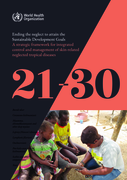
Skin-related neglected tropical diseases, or “skin NTDs”, are historically neglected because active case detection, individual case management, significant resources and intensive effort are required to control, eliminate and eradicate them. Integrated control and management of skin NTDs offers
...
a pathway to overcome some of these past challenges.
more
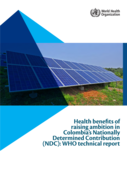
The following technical report outlines the rationale, process and results of a joint research study, coordinated by the World Health Organization (WHO) and the Pan-American Health Organization (PAHO), co-chaired by the Ministry of Health and Social Protection and the Ministry of Environment and Sus
...
tainable Development in collaboration with the Climate and Climate Air Coalition, the Stockholm Environment Institute, the Clean Air Institute and leading international and national experts. A rationale section describes the links between greenhouse gas (GHG) emissions, short-lived climate pollutants, air pollution and adverse health outcomes. A summary of the research study describes how scenarios were modelled to examine the health and economic implications of raising ambition in Colombia’s Nationally Determined Contribution (NDC) to the United Nations Framework Convention on Climate Change (UNFCCC)
more
This report includes six case studies from 12 individuals with lived experience of diverse health conditions. These case studies explore the topics of power dynamics and power reorientation towards individuals with lived experience; informed decision-making and health literacy; community engagement
...
across broader health networks and health systems; lived experience as evidence and expertise; exclusion and the importance of involving groups that are marginalized; and advocacy and human rights.
It is the first publication in the WHO Intention to action series, which aims to enhance the limited evidence base on the impact of meaningful engagement and address the lack of standardized approaches on how to operationalise meaningful engagement. The Intention to action series aims to do this by providing a platform from which individuals with lived experience, and organizational and institutional champions, can share solutions, challenges and promising practices related to this cross-cutting agenda. The Intention to action series also aims to provide powerful narratives,inspiration and evidence towards the Fourth United Nations High Level Meeting on NCDs in 2025 and achieving the 2030 United Nations Sustainable Development Goals (SDGs).
more
HIV, viral hepatitis and STI epidemics, particularly among people who inject drugs and other key populations, continue to be fuelled by laws and policies criminalizing sex work; drug use or possession; diverse forms of gender expression and sexuality; stigma and discrimination; gender discrimination
...
; violence; lack of community empowerment and other violations of human rights. These sociostructural factors limit access to health services, constrain how these services are
delivered and diminish their effectiveness.
more

В дорожной карте по борьбе с забытыми тропическими болезнями на 2021–2030 гг. («дорожная карта») определены глобальные цели и основные этапы в отношении борьбы с 20 болÐ
...
µзнями и группами болезней, их элиминации или полной ликвидации. В ней также определены сквозные целевые показатели, согласованные с Тринадцатой общей программой работы ВОЗ и Целями в области устойчивого развития, а также стратегии по достижению этих целевых
показателей в течение ближайших десяти лет.
more

The chapter Fostering Health Systems’ Monitoring to Better Serve Older Populations is part of the publication series entitled Decade of Healthy Aging: Situation and Challenges. The publications are designed to favor the prioritization of effective actions at the local level as well as the monitori
...
ng of data and public health policies, and providing evidence-based information. Along with the objective of presenting the available updated knowledge about the situation of health and aging at the beginning of the Decade of Healthy Aging in the Americas, this publication gives information about health systems’ monitoring to better serve the needs of older adults and emphasizes the need for societies and health systems to better adapt to an aging population. It introduces the 360-tool as a guide to adapt health systems through monitoring tracers/indicators and highlighting the data and information that is readily available, disaggregated by age. This information can aid in decision-making and resource allocation to support older adults’ needs. Concerning the 360-tool development, a consensus has been reached on seven tracer indicators with high relevance to informing policy, and case studies in selected countries have assessed the feasibility of this approach. The list of indicators and the process related to the development of the tool are presented in this publication. The Decade of Healthy Aging 2021-2030 is a period to guide action towards the transformation of societies by fostering the inclusion of older people in every decision. This publication intends to contribute to this strategy and highlight the upcoming challenges and opportunities on healthy aging.
more

The African Regional Convening of the Global Initiative to Support Parents (GISP) stimulated the interest or engagement of almost 1500 individuals from 742 unique organizations in the fields of health, education, social welfare, women’s affairs, early childhood, water and sanitation, mental health
...
, violence prevention, innovative finance, climate, and many others. The convening united representatives across governments, civil society organizations, programme implementers, philanthropies, multilateral organizations, bilateral funders, private companies, universities, schools and day care centres, and hospitals around the common cause of supporting parents and caregivers.
more

This report includes analysis from informal regional consultations in the African Region, the Caribbean and North America, Latin America, South-East Asia Region, European Region, Eastern Mediterranean Region, alongside three forums in the Western Pacific Region. It analyses the overarching similarit
...
ies, regional nuances and priorities raised across the six WHO regions for the meaningful engagement of individuals with lived experience.
It is the second publication in the WHO Intention to action series, which aims to enhance the limited evidence base on the impact of meaningful engagement and address the lack of standardized approaches on how to operationalise meaningful engagement. The Intention to action series aims to do this by providing a platform from which individuals with lived experience, and organizational and institutional champions, can share solutions, challenges and promising practices related to this cross-cutting agenda. The Intention to action series also aims to provide powerful narratives, inspiration and evidence towards the Fourth United Nations High Level Meeting on NCDs in 2025 and achieving the 2030 United Nations Sustainable Development Goals (SDGs).
more

WASH and Health working together: a ‘how-to’ guide for neglected tropical disease programmes
recommended
2nd edition. This toolkit provides step-by-step guidance to NTD programme managers and partners on how to engage and work collaboratively with the WASH community to improve delivery of water, sanitation and hygiene services to underserved population affected by many neglected tropical diseases. The
...
toolkit draws on tools and practices used in the delivery of coordinated and integrated programmes for control, elimination and eradication of NTDs. This second edition include revisions and new tools based on experiences of using the toolkit in more than 20 countries.
more

Each humanitarian setting provides distinct opportunities and challenges for actors to coordinate and collaborate at strategic and operational levels. The Health and Protection Joint Operational Framework has been developed to ensure that the health and protection response during humanitarian emerge
...
ncies can adapt to each environment and is adequately coordinated to ensure high-quality services to meet the needs of affected individuals and at-risk groups based on their situation or vulnerabilities.
The Health and Protection JOF was conceived in 2019 as a collaboration between the Global Health Cluster (GHC), the Global Protection Cluster (GPC) and its Areas of Responsibility (AoRs), the Inter-Agency Standing Committee Reference Group on Mental Health and Psychosocial Support in Emergency Settings (IASC MHPSS RG), and the Inter-Agency Working Group for Reproductive Health in Crisis (IAWG), in addition to key technical experts.
A Steering Group (SG) comprised of representatives from each of these entities guided the framework through a joint global analysis of good practices, gaps, and barriers to integrated and inter-sectoral response coordination. This included a mixed methods review of policy and practice, a survey of humanitarian experts, multiple case studies, structured stakeholder interviews, and field visits. This exercise produced a zero-draft which was then reviewed by field practitioners in three operational contexts to clarify and fully coordinate its operationally focused lens. Finally, the JOF was reviewed by the SG including via a series of consultations in early 2023 to consolidate the current framework.
more
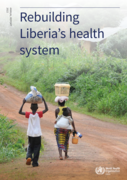
Rebuilding Liberia’s health system is crucial for improving the country’s overall health outcomes. This annual report highlights key achievements, challenges,and lessons learned in implementing programmes of technical cooperation with the Government of Liberia from January to December 2022. T
...
he key achievements are summarized under the thematic areas of Universal Health Coverage, Health Emergencies and Corporate and Enabling Support.
more

A lot has happened this year. While we continued to tackle the COVID-19 pandemic, we were hit by disease outbreaks and
humanitarian crises. Yet, despite these challenges, we marched on, resolute in resolving critical health systems issues to increase
access to quality healthcare services. To furth
...
er our vision and bring concrete actions to reality, under
the leadership of the Government of South Sudan, we developed the Health Sector Strategic Plan to define the strategic
approaches, key interventions, mapping resource needs, and the implementation framework to strengthen the health system
to deliver essential quality health services equitably for 2023 to 2027. For WHO, this Plan will usher in a new reality -- access
to lifesaving or health-promoting interventions is doable and possible, making the health sector fairer, especially for those
unable to pay
more

The overall objective of the framework is to support WHO and Members States in meaningful engagement of people living with NCDs, and mental health and neurological conditions to co-create and enhance related policies, programmes and services. This framework will contribute to advancing understanding
...
, knowledge and action on meaningful engagement and related participatory approaches from an evolving evidence base. It provides practical guidance and actions for transitioning from intention to action to operationalize meaningful engagement.
The aim of the framework is to guide people working at WHO and in Member States in ensuring meaningful engagement with individuals with lived experience. WHO will advocate for, provide technical assistance and operationalize implementation at its three levels (headquarters, regional and country offices) and will support Member States in implementation at national level through established processes and procedures.
more
