
Filter
4385
Text search:
public
health
laboratory
Featured
504
1218
Language
4175
134
97
67
49
33
19
14
6
5
5
4
3
3
2
2
2
2
2
2
2
2
2
2
2
2
2
1
1
1
1
1
1
1
1
1
1
1
1
1
1
1
1
1
1
1
1
1
1
Document type
2114
810
715
257
238
96
70
48
16
7
6
3
2
1
1
Countries
235
178
137
126
120
110
107
97
95
91
85
85
72
71
65
64
61
54
52
50
42
39
39
38
37
36
35
35
34
29
28
27
25
23
23
22
22
21
21
18
17
17
15
15
15
14
14
14
12
12
11
11
11
10
10
9
8
7
6
6
6
6
6
6
6
6
6
5
5
5
5
5
5
4
4
4
4
4
4
4
4
4
4
3
3
3
3
3
3
3
3
3
3
2
2
2
2
2
2
2
2
2
2
2
2
2
2
2
2
2
2
1
1
1
1
1
1
1
1
1
1
1
1
1
1
1
1
1
1
1
1
1
1
1
1
1
1
1
1
1
1
1
1
Authors & Publishers
776
235
124
120
104
70
69
62
37
34
33
32
31
29
29
23
23
22
22
20
20
20
20
19
18
18
18
17
17
16
15
14
14
14
13
13
13
13
13
13
13
12
12
12
12
12
11
11
11
11
11
11
11
11
10
10
10
10
10
10
10
10
10
10
9
9
9
9
9
9
9
9
9
9
9
8
8
8
8
8
8
7
7
7
7
7
7
7
7
7
7
7
7
7
6
6
6
6
6
6
6
6
6
6
5
5
5
5
5
5
5
5
5
5
5
5
5
5
5
5
5
5
5
5
5
5
5
5
5
5
5
5
5
5
5
5
5
5
4
4
4
4
4
4
4
4
4
4
4
4
4
4
4
4
4
4
4
4
4
4
4
4
4
4
4
4
4
4
4
4
4
4
4
4
4
4
4
3
3
3
3
3
3
3
3
3
3
3
3
3
3
3
3
3
3
3
3
3
3
3
3
3
3
3
3
3
3
3
3
3
3
3
3
3
3
3
3
3
3
3
3
3
3
3
3
3
3
3
3
3
3
3
3
3
3
3
3
3
3
3
3
3
3
3
3
3
3
3
3
3
3
2
2
2
2
2
2
2
2
2
2
2
2
2
2
2
2
2
2
2
2
2
2
2
2
2
2
2
2
2
2
2
2
2
2
2
2
2
2
2
2
2
2
2
2
2
2
2
2
2
2
2
2
2
2
2
2
2
2
2
2
2
2
2
2
2
2
2
2
2
2
2
2
2
2
2
2
2
2
2
2
2
2
2
2
2
2
2
2
2
2
2
2
2
2
2
2
2
2
2
2
2
2
2
2
2
2
2
2
2
2
2
2
2
2
2
2
2
2
2
2
2
2
2
2
2
2
2
2
2
2
2
2
2
2
2
2
2
2
2
2
2
2
2
2
2
2
2
2
2
2
2
2
2
2
2
2
2
2
2
2
2
2
2
2
2
2
2
2
2
2
2
2
2
2
2
2
2
2
2
2
2
2
2
2
2
2
2
2
2
2
2
2
2
2
2
2
2
2
2
2
2
2
2
2
2
2
2
2
2
2
2
2
2
2
2
1
1
1
1
1
1
1
1
1
1
1
1
1
1
1
1
1
1
1
1
1
1
1
1
1
1
1
1
1
1
1
1
1
1
1
1
1
1
1
1
1
1
1
1
1
1
1
1
1
1
1
1
1
1
1
1
1
1
1
1
1
1
1
1
1
1
1
1
1
1
1
1
1
1
1
1
1
1
1
1
1
1
1
1
1
1
1
1
1
1
1
1
1
1
1
1
1
1
1
1
1
1
1
1
1
1
1
1
1
1
1
1
1
1
1
1
1
1
1
1
1
1
1
1
1
1
1
1
1
1
1
1
1
1
1
1
1
1
1
1
1
1
1
1
1
1
1
1
1
1
1
1
1
1
1
1
1
1
1
1
1
1
1
1
1
1
1
1
1
1
1
1
1
1
1
1
1
1
1
1
1
1
1
1
1
1
1
1
1
1
1
1
1
1
1
1
1
1
1
1
1
1
1
1
1
1
1
1
1
1
1
1
1
1
1
1
1
1
1
1
1
1
1
1
1
1
1
1
1
1
1
1
1
1
1
1
1
1
1
1
1
1
1
1
1
1
1
1
1
1
1
1
1
1
1
1
1
1
1
1
1
1
1
1
1
1
1
1
1
1
1
1
1
1
1
1
1
1
1
1
1
1
1
1
1
1
1
1
1
1
1
1
1
1
1
1
1
1
1
1
1
1
1
1
1
1
1
1
1
1
1
1
1
1
1
1
1
1
1
1
1
1
1
1
1
1
1
1
1
1
1
1
1
1
1
1
1
1
1
1
1
1
1
1
1
1
1
1
1
1
1
1
1
1
1
1
1
1
1
1
1
1
1
1
1
1
1
1
1
1
1
1
1
1
1
1
1
1
1
1
1
1
1
1
1
1
1
1
1
1
1
1
1
1
1
1
1
1
1
1
1
1
1
1
1
1
1
1
1
1
1
1
1
1
1
1
1
1
1
1
1
1
1
1
1
1
1
1
1
1
1
1
1
1
1
1
1
1
1
1
1
1
1
1
1
1
1
1
1
1
1
1
1
1
1
1
1
1
1
1
1
1
1
1
1
1
1
1
1
1
1
1
1
1
1
1
1
1
1
1
1
1
1
1
1
1
1
1
1
1
1
1
1
1
1
1
1
1
1
1
1
1
1
1
1
1
1
1
1
1
1
1
1
1
1
1
1
1
1
1
1
1
1
1
1
1
1
1
1
1
1
1
1
1
1
1
1
1
1
1
1
1
1
1
1
1
1
1
1
1
1
1
1
1
1
1
1
1
1
1
1
1
1
1
1
1
1
1
1
1
1
1
1
1
1
1
1
1
1
1
1
1
1
1
1
1
1
1
1
1
1
1
1
1
1
1
1
1
1
1
1
1
1
1
1
1
1
1
1
1
1
1
1
1
1
1
1
1
1
1
1
1
1
1
1
1
1
1
1
1
1
1
1
1
1
1
1
1
1
1
1
1
1
1
1
1
1
1
1
1
1
1
1
1
1
1
1
1
1
1
1
1
1
1
1
1
1
1
1
1
1
1
1
1
1
1
1
1
1
1
1
1
1
1
1
1
1
1
1
1
1
1
1
1
1
1
1
1
1
1
1
1
1
1
1
1
1
1
1
1
1
1
1
1
1
1
1
1
1
1
1
1
1
1
1
1
1
1
1
1
1
1
1
1
1
1
1
1
1
1
1
1
1
1
1
1
1
1
1
1
1
1
1
1
1
1
1
1
1
1
1
1
1
1
1
1
1
1
1
1
1
1
1
1
1
1
1
1
1
1
1
1
1
1
1
1
1
1
1
1
1
1
1
1
1
1
1
1
1
1
1
1
1
1
1
1
1
1
1
1
1
1
1
1
1
1
1
1
1
1
1
1
1
1
1
1
1
1
1
1
1
1
1
1
1
1
1
1
1
1
1
1
1
1
1
1
1
1
1
1
1
1
1
1
1
1
1
1
1
1
1
1
1
1
1
1
1
1
1
1
1
1
1
1
1
1
1
1
1
1
1
1
1
1
1
1
1
1
1
1
1
1
1
1
1
1
1
1
1
1
1
1
1
1
1
1
1
1
1
1
1
1
1
1
1
1
1
1
1
1
1
1
1
1
1
1
1
1
1
1
1
1
1
1
1
1
1
1
1
1
1
1
1
1
1
1
1
1
1
1
1
1
1
1
1
1
1
1
1
1
1
1
1
1
1
1
1
1
1
1
1
1
1
1
1
1
1
1
1
1
1
1
1
1
1
1
1
1
1
1
1
1
1
1
1
1
1
1
1
1
1
1
1
1
1
1
1
1
1
1
1
1
1
1
1
1
1
1
1
1
1
1
1
1
1
1
1
1
1
1
1
1
1
1
1
1
1
1
1
1
1
1
1
1
1
1
1
1
1
1
1
1
1
1
1
1
1
1
1
1
1
1
1
1
1
1
1
1
1
1
1
1
1
1
1
1
1
1
1
1
1
1
1
1
1
1
1
1
1
1
1
1
1
1
1
1
1
1
1
1
1
1
1
1
1
1
1
1
1
1
1
1
1
1
1
1
1
1
1
1
1
1
1
1
1
1
1
1
1
1
1
1
1
1
1
1
1
1
1
1
1
1
1
1
1
1
1
1
1
1
1
1
1
1
1
1
1
1
1
1
1
1
1
1
1
1
1
1
1
1
1
1
1
1
1
1
1
1
1
1
1
1
1
1
1
1
1
1
1
1
1
1
1
1
1
1
1
1
1
1
1
1
1
1
1
1
1
1
1
1
1
1
1
1
1
1
1
1
1
1
1
1
1
1
1
1
1
1
1
1
1
1
1
1
1
1
1
1
1
1
1
1
1
1
1
1
1
1
1
1
1
1
1
1
1
1
1
1
1
1
1
1
1
1
1
1
1
1
1
1
1
1
1
1
1
1
1
1
1
1
1
1
1
1
1
1
1
1
1
1
1
1
1
1
1
1
1
1
1
1
1
1
1
1
1
1
1
1
1
1
1
1
1
1
1
1
1
1
1
1
1
1
1
1
1
1
1
1
1
1
1
1
1
1
1
1
1
1
1
1
1
1
1
1
1
1
1
1
1
1
1
1
1
1
1
1
1
1
1
1
1
1
1
1
1
1
1
1
1
1
1
1
1
1
1
1
1
1
1
1
1
1
1
1
1
1
1
1
1
1
1
1
1
1
1
1
1
1
1
1
1
1
1
1
1
1
1
1
1
1
1
1
1
1
1
1
1
1
1
1
1
1
1
1
1
1
1
1
1
1
1
1
1
1
1
1
1
1
1
1
1
1
1
1
1
1
1
1
1
1
1
1
1
1
1
1
1
1
1
1
1
1
1
1
1
1
1
1
1
1
1
1
1
1
1
1
1
1
1
1
1
1
1
1
1
1
1
1
1
1
1
1
1
1
1
1
1
1
1
1
1
1
1
1
1
1
1
1
1
1
1
1
1
1
1
1
1
1
1
1
1
1
1
1
1
1
1
1
1
1
1
1
1
1
1
1
1
1
1
1
1
1
1
1
1
1
1
1
1
1
1
1
1
1
1
1
1
1
1
1
1
1
1
1
1
1
1
1
1
1
1
1
1
1
1
1
1
1
1
1
1
1
1
1
1
1
1
1
1
1
1
1
1
1
1
1
1
1
1
1
1
1
1
1
1
1
1
1
1
1
1
1
1
1
1
1
1
1
1
1
1
1
1
1
1
1
1
1
1
1
1
1
1
1
1
1
1
1
1
1
1
1
1
1
1
1
1
1
1
1
1
1
1
1
1
1
1
1
1
1
1
1
1
1
1
1
1
1
1
1
1
1
1
1
1
1
1
1
1
1
1
1
1
1
1
1
1
1
1
1
1
1
1
1
1
1
1
1
1
1
1
1
1
1
1
1
1
1
1
1
1
1
1
1
1
1
1
1
1
1
1
1
1
1
1
1
1
1
1
1
1
1
1
1
1
1
1
1
1
1
1
1
1
1
1
1
1
1
1
1
1
1
1
1
1
1
1
1
1
1
1
1
1
1
1
1
1
1
1
1
1
1
1
1
1
1
1
1
1
1
1
1
1
1
1
1
1
1
1
1
1
1
1
1
1
1
1
1
1
1
1
1
1
1
1
1
1
1
1
1
1
1
1
1
1
1
1
1
1
1
1
1
1
1
1
1
1
1
1
1
1
1
1
1
1
1
1
1
1
1
1
1
1
1
1
1
1
1
1
1
1
1
1
1
1
1
1
1
1
1
1
1
1
1
1
1
1
1
1
1
1
1
1
1
1
1
1
1
1
1
1
1
1
1
1
1
1
1
1
1
1
1
1
1
1
1
1
1
1
1
1
1
1
1
1
1
1
1
1
1
1
1
1
1
1
1
1
1
1
1
1
1
1
1
1
1
1
1
1
1
1
1
1
1
1
1
1
1
1
1
1
1
1
1
1
1
1
1
1
1
1
1
1
1
1
1
1
1
1
1
1
1
1
1
1
1
1
1
1
1
1
1
1
1
1
1
1
1
1
1
1
1
1
1
1
1
1
1
1
1
1
1
1
1
1
1
1
1
1
1
1
1
1
1
1
1
1
1
1
1
1
1
1
1
1
1
1
1
1
1
1
1
1
1
1
1
1
1
1
1
1
1
1
1
1
1
1
1
1
1
1
1
1
1
1
1
1
1
1
1
1
1
1
1
1
1
1
1
1
1
1
1
1
1
1
1
1
1
1
1
1
1
1
1
1
1
1
1
1
1
1
1
1
1
1
1
1
1
1
1
1
1
1
1
1
1
1
1
1
1
1
1
1
1
1
1
1
1
1
1
1
1
1
1
1
1
1
1
1
1
1
1
1
1
1
1
1
1
1
1
1
1
1
1
1
1
1
1
1
1
1
1
1
1
1
1
1
1
1
1
1
1
1
1
1
1
1
1
1
1
1
1
1
1
1
1
1
1
1
1
1
1
1
1
1
1
1
1
1
1
1
1
1
1
1
1
1
1
1
1
1
1
1
1
1
1
1
1
1
1
1
1
1
1
1
1
1
1
1
1
1
1
1
1
1
1
1
1
1
1
1
1
1
1
1
1
1
1
1
1
1
1
1
1
1
1
1
1
1
1
1
1
1
1
1
1
1
1
1
1
1
1
1
1
1
1
1
1
1
1
1
1
1
1
1
1
1
1
1
1
1
1
1
1
1
1
1
1
1
1
1
1
1
1
1
1
1
1
1
1
1
1
1
1
1
1
1
1
1
1
1
1
1
1
1
1
1
1
1
1
1
1
1
1
1
1
1
1
1
1
1
1
1
1
1
1
1
1
1
1
1
1
1
1
1
1
1
1
1
1
1
1
1
1
1
1
1
1
1
1
1
1
1
1
1
1
1
1
1
1
1
1
1
1
1
1
1
1
1
1
1
1
1
1
1
1
1
1
1
1
1
1
1
1
1
1
1
1
1
1
1
1
1
1
1
1
1
1
1
1
1
1
1
1
1
1
1
1
1
1
1
1
1
1
1
1
1
1
1
1
1
1
1
1
1
1
1
1
1
1
1
1
1
1
1
1
1
1
1
1
1
1
1
1
1
1
1
1
1
1
1
1
1
1
1
1
1
1
1
1
1
1
1
1
1
1
1
1
1
1
1
1
1
1
1
1
1
1
1
1
1
1
1
1
1
1
1
1
1
1
1
1
1
1
1
1
1
1
1
1
1
1
1
1
1
1
1
1
1
1
1
1
1
1
1
1
1
1
1
1
1
1
1
1
1
1
1
1
1
1
1
1
1
1
1
1
1
1
1
1
1
1
1
1
1
1
1
1
1
1
1
1
1
1
1
1
1
1
1
1
1
1
1
1
1
1
1
1
1
1
1
Publication Years
1458
2522
365
38
2
Category
1822
403
227
221
126
111
65
1
Toolboxes
462
370
246
246
227
158
148
117
115
108
88
79
75
72
62
54
51
40
39
36
32
31
28
21
2
1

This guidance addresses one type of generative AI, large multi-modal models (LMMs), which can accept one or more type of data input and generate diverse outputs that are not limited to the type of data fed into the algorithm. It has been predicted that LMMs will have wide use and application in
...
health care, scientific research, public health and drug development. LMMs are also known as “general-purpose foundation models”, although it is not yet proven whether LMMs can accomplish a wide range of tasks and purposes.
more
The waves of yellow fever transmission in the Region of the Americas in 2016–2018 involved the largest number of human and epizootic cases to be reported in several decades. Yellow fever is a serious viral hemorrhagic disease that poses a challenge for h
...
ealth professionals. It requires early recognition of signs and symptoms, which are often nonspecific, and it can mimic other acute febrile syndromes. Early detection of suspected or confirmed cases, monitoring of vital signs, life support measures, and treatment of acute kidney failure continue to be the recommended strategies for case management. This report is the result of discussions among experienced specialists in the Americas on the clinical management of yellow fever patients, especially during outbreaks and epidemics, in the context of current medical and scientific evidence and taking into account the technical guidelines already available in the countries of the Region. It includes flowcharts for initially addressing patients with clinical suspicion of yellow fever and proposes a minimum package of laboratory tests that may be useful in contexts where resources are limited. In addition, it considers aspects of health system organization for dealing with yellow fever outbreaks and epidemics.
more
The Ministry of Health has developed the first version of the Service Standards and Service Delivery Standards for the health sector in Uganda. The main objective is to provide a common understandin
...
g of what is expected by the public, service users and service providers in ensuring provision of consistently high quality service delivery. These standards also provide a roadmap for improving the quality, safety and reliability of healthcare in Uganda.
The application of these standards is expected to improve transparency and accountability in service delivery; fairness and equity in service provision; building a culture of quality management; regulation, management and control of public and private providers; and management of expectations of service recipients. more
The application of these standards is expected to improve transparency and accountability in service delivery; fairness and equity in service provision; building a culture of quality management; regulation, management and control of public and private providers; and management of expectations of service recipients. more
Coronavirus disease 2019 (COVID-19) WHO Thailand Situation Report – 7 April 2020
OCHA; Reliefweb; World Health Organization (Thailand); Thai Ministry of Public Health
OCHA; Reliefweb; World Health Organization (Thailand); Thai Ministry of Public Health
(2020)
C2
7 April 2020
This guide is intended for shelter operators, planners, and staff, as well as emergency managers, public health professionals, and radiation protection professionals who participate in shelter plann
...
ing and could be called upon to support shelter operations. This guide provides information on the incident-specific considerations that shelter operators will
need to take into account in a radiation emergency. Shelter operations include other mass care and emergency assistance activities that are required to support a sheltered population, such as feeding, providing essential supplies, and assisting with reunification of family and friends. Guidance to support such activities can be found in other planning resources. The information in this guide is intended to complement, not supplant, existing shelter protocols and responsibilities.
more
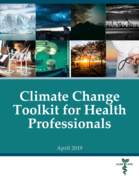
Climate Change Toolkit for Health Professionals
recommended
This toolkit consists of eight modules which have been prepared as stand-alone documents that can be read by themselves, but they have also been prepared to complement one another. It has been designed as a tool for health professionals and student
...
s in the health care and public health sectors who want to engage more directly on the issue of climate change as educators with their patients, peers and communities, and/or as advocates for the policies, programs and practices needed to mitigate climate change and/or prepare for climate change in their workplaces and communities
more
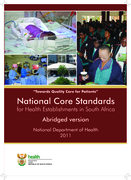
The Department of Health is committed to providing the best quality care to patients and users of health services, in order to meet their expectations and needs, and to improve service delivery.
T
...
he main purpose of the National Core Standards is to:
• Develop a common definition of quality of care, which should be found in all health establishments in South Africa as a guide to the public and to managers and staff at all levels;
• Establish a benchmark against which health establishments can be assessed, gaps identified, strengths appraised; and
• Provide a national framework to certify health establishments as compliant with standards
more
The state of the Guinean health workforce is one of the country’s bottlenecks in advancing health outcomes. The impact of the 2014–2015 Ebola virus disease outbreak and resulting international a
...
ttention has provided a policy window to invest in the workforce and reform the health system. This research constitutes a baseline study on the health workforce situation, professional education, and retention policies in Guinea. The study was conducted to inform capacity development as part of a scientific collaboration between Belgian and Guinean health institutes aiming to strengthen public health systems and health workforce development. It provides initial recommendations to the Guinean government and key actors.
more
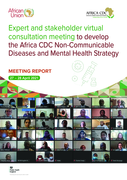
Executive summary On 27th and 28th April 2021, the division of Disease Control and Prevention in collaboration with Public Health England, organized a virtual consultative meeting as part of the con
...
sultations with Member States and partners for the development of the Africa CDC five years strategic plan for the prevention and control of Non-communicable Diseases … Report: Expert and stakeholder virtual consultation meeting to develop the Africa CDC Non-Communicable Diseases and Mental Health Strategy
more

In Control: A Practical Handbook for Professionals Working in Health Emergencies Internationally RKI
The greatest risk to persons engaging in international medical emergency response is poor preparation.
The In Control handbook hopes to provide a remedy.
At the time of writing, we are living through the Coronavirus (COVID-19) pandemic, a health
...
emergency that disregards physical borders, brings into focus social inequalities and affects people on every continent. This shared challenge requires unprecedented measures and the collaboration of the brightest minds to support global health protection through this crisis and beyond. Healthcare infrastructures have to be strengthened, public health capacities and processes upgraded, medical countermeasures and vaccinations found and psychosocial side-effects treated.
Solidarity is the normative order of the day and the human species has to collaborate to face this invisible threat. Hiding and living in fear is not an option in this interconnected world. We have both a responsibility and an opportunity to make substantial contributions to a safer, healthier and more sustainable future for us all.
The existence of this handbook is an impressive example of solidarity. Over 50 authors from more than 15 institutes and organisations have come together voluntarily within a very short time to make their expertise available and enable cross-sectoral thinking. Knowledge is bundled, resources are combined, information gaps are filled. The In Control handbook is not a theoretical treatise of possible dangers, but a collection of subject-matter expertise, written by experts and practitioners who have shaped health topics over the past 20 years in the most diverse corners of the world.
The Centre for International Health Protection at the Robert Koch Institute (RKI) is collaborating with its partners and investing heavily in the build-up of operational know-how and capacity to support health crisis response abroad. This is done by preparing and enabling professionals to deploy safely across the world to assist those in need. In Control addresses the multi-faceted challenges of an international deployment. Readers will find not only technical medical information, but also insights into, for example, the fragility of our environment, the cultural differences that influence risk communication or the dilemmas arising from social distancing. Legal principles are highlighted, along with ethical guidance to ensure that our actions and decisions correspond to the highest moral standards.
more

The Global Health Expenditure Report delves into the intricate landscape of global economies and health systems. This year, it focuses on health sp
...
ending in 2022, the third year of the COVID-19 pandemic. It shows how countries around the world responded to the health and economic shocks of the pandemic from a financial perspective. It also considers what the future may hold as countries emerge from the pandemic. Although it is still too early to gauge whether the COVID-19 pandemic has altered long-term trends in health spending, spending appears to have peaked and is now at or below its long-term rising trend in most country income groups. Additionally, to mark the 25th anniversary of the World Health Organization’s (WHO) Health Expenditure Tracking Program, the report reviews the program’s achievements and envisions a path forward. As the program’s lead technical agency, WHO is committed to working closely with partners to support countries in tracking health spending and sustaining the Global Health Expenditure Database and the Global Health Expenditure Report as global public goods.
more
In the current absence of vaccine for COVID-19, public health response target breaking the chain of infection by focusing on the mode of transmission. This paper summarizes current evidence-base aro
...
und the transmission dynamics, pathogenic, and clinical features of COVID-19, to critically identify if there are any gaps in the current IPC guidelines.
more

The "Integrated Management of Malaria Training – Health Worker’s Manual" is a practical guide developed by Uganda’s Ministry of Health to train healthcare workers at all levels in the effectiv
...
e diagnosis, treatment, prevention, and management of malaria. It aligns with national malaria treatment guidelines and aims to improve the quality of care and reduce malaria-related illness and death. The manual covers key topics such as clinical assessment of fever, use of rapid diagnostic tests (RDTs), case management of uncomplicated and severe malaria, malaria in pregnancy, co-infections like HIV, as well as community engagement and proper documentation. It includes structured training sessions, case studies, and job aids designed to strengthen the skills of health workers in both public and private sectors, and to ensure standardized, evidence-based malaria care across the country.
more
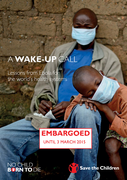
A Wake-Up Call: Lessons from Ebola for the world’s health systems
recommended
Save the Children
(2015)
Almost 30 countries vulnerable to a new Ebola-style Epidemic, jeopardising the future of millions of Children. The report ranks the world’s poorest countries on the state of their public health sy
...
stems, finding that 28 have weaker defences in place than Liberia where, alongside Sierra Leone and Guinea, the current Ebola crisis has already claimed 9,000 lives, and provoked an extraordinary international response to help contain it.
more
Drug-Resistant tuberculosis
E.G. Brown Jr, D.S. Dooley, K. Smith
Curry International Tuberculosis Center, State of California, California Health & Human Service Agency, Department of Public Health
(2016)
C1
A survival guide for clinicans.
3rd edition.
PlosOne https://doi.org/10.1371/journal.pone.0196799; Zoonotic diseases continue to be a public health burden globally. Uganda is especially vulnerable due to its location, biodiversity, and populat
...
ion. Given these concerns, the Ugandan government in collaboration with the Global Health Security Agenda conducted a One Health Zoonotic Disease Prioritization Workshop to identify zoonotic diseases of greatest national concern to the Ugandan government.
more
The Government of Malawi, in fulfilling its primary role of protecting the lives of its vulnerable citizens during disasters and reducing their exposure to risk through preparedness, led the development of a National Coronavirus Disease (COVID-19) Preparedness and Response Plan.
The aim of the Annual Inspection Report is to present findings of public sector health establishments inspected by the OHSC to monitor compliance with the National Core Standards (NCS) during the 20
...
16/2017 financial year in South Africa.
The NCS define fundamentals for quality of care based on six dimensions of quality: Acceptability,Safety, Reliability, Equity, Accessibility, and Efficiency.
The NCS structured assessment tools were used to collect data during inspections across the seven domains namely: Patient Rights; Patient Safety, Clinical Governance and Clinical Care; Clinical Support Services; Public Health; Leadership and Governance; Operational Management and Facilities and Infrastructure. A total of 851 routine inspections were conducted with 201 of these facilities re-inspected. Inspection data was captured on District Health Information System (DHIS) data entry forms and exported for analysis to Statistical Analysis Software (SAS) version 9.4.
more
This 2011 update of Guidelines for the programmatic management of drug-resistant tuberculosis is intended as a tool for use by public health professionals working in response
to the Sixty-second Wo
...
rld Health Assembly’s resolution on prevention and control of multidrug-resistant tuberculosis and extensively drug-resistant tuberculosis.
more
