
Filter
3445
Text search:
disease
outbreak
Featured
452
849
Language
3040
193
128
92
86
76
31
22
14
7
5
5
5
5
3
3
3
3
3
2
2
2
2
1
1
1
1
1
1
1
1
1
1
1
1
1
1
1
1
1
1
1
1
Document type
1258
717
587
227
225
163
87
76
39
27
18
11
9
1
Countries
210
185
178
105
94
92
87
75
66
61
59
59
55
54
54
53
53
51
49
49
42
42
38
36
36
35
34
29
28
27
27
26
26
25
25
24
24
24
23
22
21
19
18
18
17
16
15
14
13
12
11
11
11
10
10
10
10
10
9
9
9
9
8
8
8
8
8
8
7
6
6
6
6
5
5
5
5
5
5
5
4
4
4
4
4
4
3
3
3
3
3
3
3
2
2
2
2
2
2
2
2
2
2
2
2
2
2
2
2
2
2
2
2
2
2
2
2
2
1
1
1
1
1
1
1
1
1
1
1
1
1
1
1
1
1
1
1
1
1
1
1
1
Authors & Publishers
665
148
108
94
91
75
64
56
44
40
34
30
29
29
27
26
23
23
22
22
19
19
17
17
17
16
15
15
15
14
14
14
14
13
13
13
12
12
12
12
12
11
11
11
10
10
10
10
10
10
10
10
10
9
9
9
9
9
9
8
8
8
8
8
8
8
8
7
7
7
7
7
7
7
7
7
7
7
7
7
6
6
6
6
6
6
6
6
6
6
6
6
6
6
5
5
5
5
5
5
5
5
5
5
5
5
5
5
5
5
5
5
5
4
4
4
4
4
4
4
4
4
4
4
4
4
4
4
4
4
4
4
4
4
4
4
4
4
4
4
4
4
4
3
3
3
3
3
3
3
3
3
3
3
3
3
3
3
3
3
3
3
3
3
3
3
3
3
3
3
3
3
3
3
3
3
3
3
3
3
3
3
3
3
3
3
3
3
3
3
3
3
3
3
3
3
3
3
3
3
3
3
3
3
3
3
3
3
3
3
3
2
2
2
2
2
2
2
2
2
2
2
2
2
2
2
2
2
2
2
2
2
2
2
2
2
2
2
2
2
2
2
2
2
2
2
2
2
2
2
2
2
2
2
2
2
2
2
2
2
2
2
2
2
2
2
2
2
2
2
2
2
2
2
2
2
2
2
2
2
2
2
2
2
2
2
2
2
2
2
2
2
2
2
2
2
2
2
2
2
2
2
2
2
2
2
2
2
2
2
2
2
2
2
2
2
2
2
2
2
2
2
2
2
2
2
2
2
2
2
2
2
2
2
2
2
2
2
2
2
2
2
2
2
2
2
2
2
2
2
2
2
2
2
2
2
2
1
1
1
1
1
1
1
1
1
1
1
1
1
1
1
1
1
1
1
1
1
1
1
1
1
1
1
1
1
1
1
1
1
1
1
1
1
1
1
1
1
1
1
1
1
1
1
1
1
1
1
1
1
1
1
1
1
1
1
1
1
1
1
1
1
1
1
1
1
1
1
1
1
1
1
1
1
1
1
1
1
1
1
1
1
1
1
1
1
1
1
1
1
1
1
1
1
1
1
1
1
1
1
1
1
1
1
1
1
1
1
1
1
1
1
1
1
1
1
1
1
1
1
1
1
1
1
1
1
1
1
1
1
1
1
1
1
1
1
1
1
1
1
1
1
1
1
1
1
1
1
1
1
1
1
1
1
1
1
1
1
1
1
1
1
1
1
1
1
1
1
1
1
1
1
1
1
1
1
1
1
1
1
1
1
1
1
1
1
1
1
1
1
1
1
1
1
1
1
1
1
1
1
1
1
1
1
1
1
1
1
1
1
1
1
1
1
1
1
1
1
1
1
1
1
1
1
1
1
1
1
1
1
1
1
1
1
1
1
1
1
1
1
1
1
1
1
1
1
1
1
1
1
1
1
1
1
1
1
1
1
1
1
1
1
1
1
1
1
1
1
1
1
1
1
1
1
1
1
1
1
1
1
1
1
1
1
1
1
1
1
1
1
1
1
1
1
1
1
1
1
1
1
1
1
1
1
1
1
1
1
1
1
1
1
1
1
1
1
1
1
1
1
1
1
1
1
1
1
1
1
1
1
1
1
1
1
1
1
1
1
1
1
1
1
1
1
1
1
1
1
1
1
1
1
1
1
1
1
1
1
1
1
1
1
1
1
1
1
1
1
1
1
1
1
1
1
1
1
1
1
1
1
1
1
1
1
1
1
1
1
1
1
1
1
1
1
1
1
1
1
1
1
1
1
1
1
1
1
1
1
1
1
1
1
1
1
1
1
1
1
1
1
1
1
1
1
1
1
1
1
1
1
1
1
1
1
1
1
1
1
1
1
1
1
1
1
1
1
1
1
1
1
1
1
1
1
1
1
1
1
1
1
1
1
1
1
1
1
1
1
1
1
1
1
1
1
1
1
1
1
1
1
1
1
1
1
1
1
1
1
1
1
1
1
1
1
1
1
1
1
1
1
1
1
1
1
1
1
1
1
1
1
1
1
1
1
1
1
1
1
1
1
1
1
1
1
1
1
1
1
1
1
1
1
1
1
1
1
1
1
1
1
1
1
1
1
1
1
1
1
1
1
1
1
1
1
1
1
1
1
1
1
1
1
1
1
1
1
1
1
1
1
1
1
1
1
1
1
1
1
1
1
1
1
1
1
1
1
1
1
1
1
1
1
1
1
1
1
1
1
1
1
1
1
1
1
1
1
1
1
1
1
1
1
1
1
1
1
1
1
1
1
1
1
1
1
1
1
1
1
1
1
1
1
1
1
1
1
1
1
1
1
1
1
1
1
1
1
1
1
1
1
1
1
1
1
1
1
1
1
1
1
1
1
1
1
1
1
1
1
1
1
1
1
1
1
1
1
1
1
1
1
1
1
1
1
1
1
1
1
1
1
1
1
1
1
1
1
1
1
1
1
1
1
1
1
1
1
1
1
1
1
1
1
1
1
1
1
1
1
1
1
1
1
1
1
1
1
1
1
1
1
1
1
1
1
1
1
1
1
1
1
1
1
1
1
1
1
1
1
1
1
1
1
1
1
1
1
1
1
1
1
1
1
1
1
1
1
1
1
1
1
1
1
1
1
1
1
1
1
1
1
1
1
1
1
1
1
1
1
1
1
1
1
1
1
1
1
1
1
1
1
1
1
1
1
1
1
1
1
1
1
1
1
1
1
1
1
1
1
1
1
1
1
1
1
1
1
1
1
1
1
1
1
1
1
1
1
1
1
1
1
1
1
1
1
1
1
1
1
1
1
1
1
1
1
1
1
1
1
1
1
1
1
1
1
1
1
1
1
1
1
1
1
1
1
1
1
1
1
1
1
1
1
1
1
1
1
1
1
1
1
1
1
1
1
1
1
1
1
1
1
1
1
1
1
1
1
1
1
1
1
1
1
1
1
1
1
1
1
1
1
1
1
1
1
1
1
1
1
1
1
1
1
1
1
1
1
1
1
1
1
1
1
1
1
1
1
1
1
1
1
1
1
1
1
1
1
1
1
1
1
1
1
1
1
1
1
1
1
1
1
1
1
1
1
1
1
1
1
1
1
1
1
1
1
1
1
1
1
1
1
1
1
1
1
1
1
1
1
1
1
1
1
1
1
1
1
1
1
1
1
1
1
1
1
1
1
1
1
1
1
1
1
1
1
1
1
1
1
1
1
1
1
1
1
1
1
1
1
1
1
1
1
1
1
1
1
1
1
1
1
1
1
1
1
1
1
1
1
1
1
1
1
1
1
1
1
1
1
1
1
1
1
1
1
1
1
1
1
1
1
1
1
1
1
1
1
1
1
1
1
1
1
1
1
1
1
1
1
1
1
1
1
1
1
1
1
1
1
1
1
1
1
1
1
1
1
1
1
1
1
1
1
1
1
1
1
1
1
1
1
1
1
1
1
1
1
1
1
1
1
1
1
1
1
1
1
1
1
1
1
1
1
1
1
1
1
1
1
1
1
1
1
1
1
1
1
1
1
1
1
1
1
1
1
1
1
1
1
1
1
1
1
1
1
1
1
1
1
1
1
1
1
1
1
1
1
1
1
1
1
1
1
1
1
1
1
1
1
1
1
1
1
1
1
1
1
1
1
1
1
1
1
1
1
1
1
1
1
1
1
1
1
1
1
1
1
1
1
1
1
1
1
1
1
1
1
1
1
1
1
1
1
1
1
1
1
1
1
1
1
1
1
1
1
1
1
1
1
1
1
1
1
1
1
1
1
1
1
1
1
1
1
1
1
1
1
1
1
1
1
1
1
1
1
1
1
1
1
1
1
1
1
1
1
1
1
1
1
1
1
1
1
1
1
1
1
1
1
1
1
1
1
1
1
1
1
1
1
1
1
1
1
1
1
1
1
1
1
1
1
1
1
1
1
1
1
1
1
1
1
1
1
1
1
1
1
1
1
1
1
1
1
1
1
1
1
1
1
1
1
1
1
1
1
1
1
1
1
1
1
1
1
1
1
1
1
1
1
1
1
1
1
1
1
1
1
1
1
1
1
1
1
1
1
1
1
1
1
1
1
1
1
1
1
1
1
1
1
1
1
1
1
1
1
1
1
1
1
1
1
1
1
1
1
1
1
1
1
1
1
1
1
1
1
1
1
1
1
1
1
1
1
1
1
1
1
1
1
1
1
1
1
1
1
1
1
1
1
1
1
1
1
1
1
1
1
1
1
1
1
1
1
1
1
1
1
1
1
1
1
1
1
1
1
1
1
1
1
1
1
1
1
1
1
1
1
1
1
1
1
1
1
1
1
1
1
1
1
1
1
1
1
1
1
1
1
1
1
1
1
1
1
1
1
1
1
1
1
1
1
1
1
1
1
1
1
1
1
1
1
1
1
1
1
1
1
1
1
1
1
1
1
1
1
1
1
1
1
1
1
1
1
1
1
1
1
1
1
1
1
1
1
1
1
1
1
1
1
1
1
1
1
1
1
1
1
1
1
1
1
1
1
1
1
1
1
1
1
1
1
1
1
1
1
1
1
1
1
1
1
1
1
1
1
1
1
1
1
1
1
1
1
1
1
1
1
1
1
1
1
1
1
1
1
1
1
1
1
1
1
1
1
1
1
1
1
1
1
1
1
1
1
1
1
1
1
1
1
1
1
1
1
1
1
1
1
1
1
1
1
1
1
1
1
1
1
1
1
1
1
1
1
1
1
1
1
1
1
1
1
1
1
1
1
1
1
1
1
1
1
1
1
1
1
1
1
1
1
1
1
1
1
1
1
1
1
1
1
1
1
1
1
1
Publication Years
1742
1538
150
15
Category
1149
223
217
154
79
41
41
1
Toolboxes
917
511
194
150
129
105
104
103
100
93
76
64
58
50
50
50
47
45
39
26
22
21
11
11
3
3
2
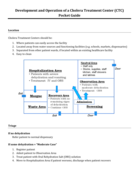
The document is a pocket guide for establishing and operating a Cholera Treatment Center (CTC). It provides guidelines on selecting a location, triaging patients based on dehydration severity, infection control measures, and ensuring sufficient medical supplies. The guide emphasizes maintaining hygi
...
ene, proper waste management, and security while offering detailed protocols for treating moderate and severe cases of cholera. It is intended to support healthcare workers in efficiently managing cholera outbreaks.
more
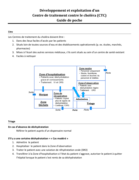
Le document est un guide de poche pour établir et gérer un Centre de Traitement du Choléra (CTC). Il fournit des directives pour choisir l’emplacement, classer les patients selon la gravité de leur déshydratation, mettre en œuvre des mesures de contrôle des infections et garantir un approvi
...
sionnement adéquat en matériel médical. Le guide met l’accent sur l’importance de maintenir l’hygiène, de gérer correctement les déchets et d’assurer la sécurité, tout en offrant des protocoles détaillés pour traiter les cas modérés et graves de choléra. Il est conçu pour soutenir les professionnels de santé dans la gestion efficace des épidémies de choléra.
more
The CDC's "About Cholera" webpage provides essential information on cholera, an intestinal infection caused by the bacterium Vibrio cholerae. It highlights that cholera is primarily spread through contaminated water and food, leading to severe diarrhea, dehydration, and potentially death if untreate
...
d. Individuals in areas with unsafe drinking water, poor sanitation, and inadequate hygiene are at the highest risk. The page emphasizes the importance of early and proper treatment, such as rehydration therapy, to improve survival rates. Preventative measures include using treated water, practicing good hygiene, and vaccination, especially for travelers to regions where cholera is prevalent.
more
The monkeypox virus (MPXV) clade I epidemic that has been affecting the Democratic Republic of the Congo
(DRC) since November 2023 has recently spread to several other African countries including Burundi, Rwanda,
Uganda and Kenya. The size of these outbreaks could be larger than reported due to un
...
der-ascertainment and
under-reporting.
more
Patient's Guide
Resource Platform

Conducting a Field Investigation
King Mich.; Bensyl D.; Goodman R.; Rasmussen S.
Center for Disease Control and Prevention CDC
(2025)
C_CDC
This chapter describes the step-by-step process required in performing an epidemiologic field investigation. The 10 steps covered here build on and further refine the steps that have been taught traditionally in the Centers for Disease Control and P
...
revention's (CDC) annual Epidemic Intelligence Service courses, in the three previous editions of this manual (the textbook Field Epidemiology), and in other CDC instructional programs.
more
Crisis Emergency Risk Communication. Manual
recommended
The CERC manual provides an evidence-based framework and recommended practices for anyone who communicates on behalf of an organization responding to major emergencies such as natural disasters.

Eurosurveillance is a European peer-reviewed scientific journal devoted to the epidemiology, surveillance, prevention and control of communicable diseases, with a focus on such topics that are of relevance to Europe
The ECDC's Cholera Monthly Surveillance page provides up-to-date data on cholera cases reported in Europe and globally. It monitors outbreaks, tracks trends, and analyzes the spread of the disease to support public health responses. The page include
...
s interactive maps, statistics, and reports to help policymakers, researchers, and healthcare professionals understand cholera’s epidemiology and implement preventive measures.
more
Cholera is a diarrhoeal disease that is usually contracted when drinking water contaminated with Vibrio cholerae bacteria. The fight against this disease requires a multidisciplinary approach that c
...
ombines a water, hygiene and sanitation (WaSH) response with a monitoring system, improved water supply and quality, sanitation and hygiene, and a health response with the treatment of the disease itself.
more
The document outlines comprehensive guidelines for managing cholera outbreaks in South Africa, focusing on prevention, diagnosis, treatment, and public health measures. It emphasizes the importance of rehydration therapy, sanitation, clean water access, and community involvement to control the sprea
...
d of the disease. It also provides protocols for handling outbreaks, including case identification, laboratory confirmation, and multi-sectoral coordination to reduce morbidity and mortality rates.
more
Management of a cholera epidemic
recommended
Practical guide for doctors, nurses,laboratory technicians, medical auxiliaries,water and sanitation specialists and logisticians.
The document is a comprehensive guide for managing cholera epidemics, providing detailed protocols for prevention, outbre
...
ak investigation, treatment, and control measures. It covers essential aspects like rehydration therapy, water sanitation, hygiene promotion, and setting up treatment centers. Designed for medical and non-medical staff, it aims to support effective epidemic response and reduce cholera-related morbidity and mortality.
more

WHO supports Zambia in vaccinating 1 million people in Lusaka against cholera to combat an outbreak that began in October 2017, causing 2,672 cases and 63 deaths. Two million vaccine doses were provided by Gavi. WHO and the Zambia National Public He
...
alth Institute are improving water access, sanitation, and hygiene education while training medical staff. Another 1 million people in high-risk areas will be vaccinated later.
more

The document is a comprehensive practical guide for managing cholera epidemics. It includes detailed instructions on outbreak investigation, control measures, case management, and the organization of treatment facilities. It emphasizes strategies su
...
ch as rehydration therapy, water sanitation, hygiene promotion, and vaccination to prevent the spread of cholera. The guide serves as a resource for healthcare professionals, logisticians, and public health officials to respond effectively to cholera outbreaks.
more
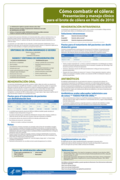
The document titled "Cómo combatir el cólera" (How to Combat Cholera) provides comprehensive guidelines on the clinical presentation and management of cholera, particularly in the context of the 2010 Haiti outbreak.
It emphasizes the importance
...
of rapid rehydration as a lifesaving measure, detailing protocols for both oral rehydration solutions (ORS) and intravenous (IV) fluids. The document outlines appropriate antibiotic treatments based on patient categories, underscores the necessity of proper sanitation, and offers strategies for effective outbreak control. Additionally, it provides guidance on recognizing severe dehydration and the need for immediate medical intervention to reduce mortality associated with cholera.
more
Cholera is an acute diarrhoeal infection caused by ingestion of contaminated water or food. It can lead to dehydration, and death in patients with severe forms of the disease.
Open WHO Channels
recommended
Search for relevant channels for outbreak management, pandemic prevention, infectious diseases managment
The WHO’s Early Warning, Alert and Response System (EWARS) is a tool used in emergencies such as conflicts or natural disasters to quickly detect and respond to disease outbreaks. It helps set up simple and reliable surveillance systems even in pl
...
aces without stable electricity or internet, using kits that include phones, laptops, and solar chargers. EWARS supports national health authorities during crises and can later be integrated into the regular health surveillance system.
more
This video is a public health awareness message about Ebola. It aims to educate the general population by explaining that Ebola is not transmitted through the air. The video addresses common misconceptions about the disease and provides accurate inf
...
ormation about how Ebola spreads, emphasizing that transmission occurs through direct contact with the bodily fluids of infected individuals. Its main purpose is to reduce fear, prevent misinformation, and encourage appropriate preventive behaviors within communities at risk of Ebola outbreaks.
more
