
Filter
1301
Text search:
Marginalized
communities
Featured
124
299
Language
Document type
626
278
168
87
83
26
19
7
3
1
1
1
Countries
96
54
53
43
32
23
21
18
18
18
17
16
15
15
15
15
14
14
13
13
12
12
12
12
11
11
10
9
9
8
7
7
7
7
6
6
6
6
5
4
4
4
4
4
4
4
4
3
3
3
3
3
3
3
3
3
3
3
3
2
2
2
2
2
1
1
1
1
1
1
1
1
1
1
1
1
1
1
1
Authors & Publishers
Publication Years
Category
428
91
88
83
50
20
2
Toolboxes
172
109
99
78
78
59
48
45
41
35
28
22
17
15
13
12
12
11
9
8
7
6
5
2
1
Climate change is one of the biggest crises of our time. Climate threats range from higher temperatures, heavy rainfalls and floods, erratic precipitation, droughts, desertification, and land degradation. This has negative implications on the quality and quantity of natural resources, such as land a
...

interim guidance, 25 November 2024

To meet our Strategy objectives and get within reach
of the 2030 SDG 3 target related to the three diseases,
the Global Fund needs to raise US$18 billion for the
Eighth Replenishment. That sum is essential to drive the
required pace of progress in the fight against HIV, TB
and malaria, and to m
...
Technology and digital tools are transforming everyday life, opening new opportunities for women and girls—but they are also being weaponized to harass, threaten, and silence them online. Technology-facilitated violence against women and girls (TF VAWG) is now a defining challenge for gender equal
...
Polic brief. In this policy brief, we give an update on those parts of the guidelines which are relevant for men who have sex with men.

What are the common health problems of refugees and migrants arriving in the European Region?

The most frequent health problems of newly arrived refugees and migrants include accidental injuries, hypothermia, burns, gastrointestinal illnesses, cardiovascular events, pregnancy- and delivery-related complications, diabetes and hypertension. Female refugees and migrants frequently face specific
...
WHO South-East Asia Journal of Public Health, April 2017, 6(1) 8 pp. 211 kB
The Impact of the Zika Outbreak on Women and Girls in Northeastern Brazil
A MANUAL FOR WASH IMPLEMENTERS, BOTSWANA
Sightsavers | Department for International Development | The International Trachoma Initiative | Children Without Worms | WaterAid | WASH Advocates | Center for Global Safe Water, Emory University | CARE USA
The END TB Strategy
Key Recommendations for an Inclusive Urban Agenda
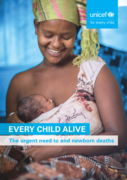
Globally, in low-income countries, the average newborn mortality rate is 27 deaths per 1,000 births, the report says. In high-income countries, that rate is 3 deaths per 1,000. Newborns from the riskiest places to give birth are up to 50 times more likely to die than those from the safest places.
...
...
English Analysis on World about Agriculture, Climate Change and Environment, Epidemic and more; published on 01 Feb 2022 by Action Against Hunger
The uneven distribution of HIV risks and burdens across populations is a well-substantiated fact, though seldom publicly acknowledged. Gay men and other men who have sex with men, people who inject drugs, sex workers, and transgender women are 24, 24, 13.5, and 49 times more likely to acquire HIV,
...
