Filter
3793
Text search:
community-based
management
Featured
376
1243
Language
3620
92
60
59
39
22
17
12
8
7
7
6
4
4
4
3
3
3
3
3
3
2
2
2
2
2
2
2
2
1
1
1
1
1
1
1
1
1
1
1
1
1
1
1
1
1
1
1
1
1
1
1
1
1
1
1
Document type
2352
491
418
194
191
59
43
32
4
4
3
2
Countries
182
125
125
123
115
115
93
90
88
83
80
80
80
76
63
54
53
51
48
39
39
39
38
35
35
35
32
30
28
28
28
27
26
24
21
21
21
19
19
15
15
14
14
14
13
12
12
11
11
10
10
10
10
9
8
8
7
7
7
7
7
6
6
6
6
5
5
5
5
5
5
4
4
4
4
4
4
3
3
3
3
3
3
3
3
3
2
2
2
2
2
2
2
2
2
2
2
2
1
1
1
1
1
1
1
1
1
1
1
1
1
1
1
1
1
1
1
1
1
1
1
1
1
1
1
Authors & Publishers
417
159
105
102
99
86
65
65
42
41
34
27
26
23
22
22
21
18
18
18
18
17
16
16
16
16
16
15
15
14
14
14
14
14
13
13
12
11
11
11
11
11
10
10
10
10
10
10
10
10
9
9
9
9
9
8
8
8
8
8
8
8
8
7
7
7
7
7
7
7
7
7
7
7
7
7
7
7
7
7
7
7
7
7
7
6
6
6
6
6
6
6
6
6
6
6
6
6
6
6
6
6
6
6
5
5
5
5
5
5
5
5
5
5
5
5
5
5
5
5
5
5
5
5
5
5
5
5
5
5
5
5
5
4
4
4
4
4
4
4
4
4
4
4
4
4
4
4
4
4
4
4
4
4
4
4
4
4
4
4
4
4
4
4
4
4
4
4
4
4
4
4
4
3
3
3
3
3
3
3
3
3
3
3
3
3
3
3
3
3
3
3
3
3
3
3
3
3
3
3
3
3
3
3
3
3
3
3
3
3
3
3
3
3
3
3
3
3
3
3
3
3
3
3
3
3
3
3
3
3
3
3
3
3
3
3
3
3
3
3
3
3
3
3
3
3
3
3
3
3
3
3
2
2
2
2
2
2
2
2
2
2
2
2
2
2
2
2
2
2
2
2
2
2
2
2
2
2
2
2
2
2
2
2
2
2
2
2
2
2
2
2
2
2
2
2
2
2
2
2
2
2
2
2
2
2
2
2
2
2
2
2
2
2
2
2
2
2
2
2
2
2
2
2
2
2
2
2
2
2
2
2
2
2
2
2
2
2
2
2
2
2
2
2
2
2
2
2
2
2
2
2
2
2
2
2
2
2
2
2
2
2
2
2
2
2
2
2
2
2
2
2
2
2
2
2
2
2
2
2
2
2
2
2
2
2
2
2
2
2
2
2
2
2
2
2
2
2
2
2
2
2
2
2
2
2
2
2
2
2
2
2
2
2
2
2
2
2
2
2
2
2
2
2
2
2
2
2
2
2
2
2
2
2
2
2
2
2
2
2
2
2
2
2
2
2
2
2
2
2
2
2
2
2
2
2
2
2
2
2
2
2
2
2
2
2
2
2
2
2
2
2
2
2
2
2
2
2
2
2
2
2
2
2
2
2
2
2
2
2
2
2
2
2
2
2
1
1
1
1
1
1
1
1
1
1
1
1
1
1
1
1
1
1
1
1
1
1
1
1
1
1
1
1
1
1
1
1
1
1
1
1
1
1
1
1
1
1
1
1
1
1
1
1
1
1
1
1
1
1
1
1
1
1
1
1
1
1
1
1
1
1
1
1
1
1
1
1
1
1
1
1
1
1
1
1
1
1
1
1
1
1
1
1
1
1
1
1
1
1
1
1
1
1
1
1
1
1
1
1
1
1
1
1
1
1
1
1
1
1
1
1
1
1
1
1
1
1
1
1
1
1
1
1
1
1
1
1
1
1
1
1
1
1
1
1
1
1
1
1
1
1
1
1
1
1
1
1
1
1
1
1
1
1
1
1
1
1
1
1
1
1
1
1
1
1
1
1
1
1
1
1
1
1
1
1
1
1
1
1
1
1
1
1
1
1
1
1
1
1
1
1
1
1
1
1
1
1
1
1
1
1
1
1
1
1
1
1
1
1
1
1
1
1
1
1
1
1
1
1
1
1
1
1
1
1
1
1
1
1
1
1
1
1
1
1
1
1
1
1
1
1
1
1
1
1
1
1
1
1
1
1
1
1
1
1
1
1
1
1
1
1
1
1
1
1
1
1
1
1
1
1
1
1
1
1
1
1
1
1
1
1
1
1
1
1
1
1
1
1
1
1
1
1
1
1
1
1
1
1
1
1
1
1
1
1
1
1
1
1
1
1
1
1
1
1
1
1
1
1
1
1
1
1
1
1
1
1
1
1
1
1
1
1
1
1
1
1
1
1
1
1
1
1
1
1
1
1
1
1
1
1
1
1
1
1
1
1
1
1
1
1
1
1
1
1
1
1
1
1
1
1
1
1
1
1
1
1
1
1
1
1
1
1
1
1
1
1
1
1
1
1
1
1
1
1
1
1
1
1
1
1
1
1
1
1
1
1
1
1
1
1
1
1
1
1
1
1
1
1
1
1
1
1
1
1
1
1
1
1
1
1
1
1
1
1
1
1
1
1
1
1
1
1
1
1
1
1
1
1
1
1
1
1
1
1
1
1
1
1
1
1
1
1
1
1
1
1
1
1
1
1
1
1
1
1
1
1
1
1
1
1
1
1
1
1
1
1
1
1
1
1
1
1
1
1
1
1
1
1
1
1
1
1
1
1
1
1
1
1
1
1
1
1
1
1
1
1
1
1
1
1
1
1
1
1
1
1
1
1
1
1
1
1
1
1
1
1
1
1
1
1
1
1
1
1
1
1
1
1
1
1
1
1
1
1
1
1
1
1
1
1
1
1
1
1
1
1
1
1
1
1
1
1
1
1
1
1
1
1
1
1
1
1
1
1
1
1
1
1
1
1
1
1
1
1
1
1
1
1
1
1
1
1
1
1
1
1
1
1
1
1
1
1
1
1
1
1
1
1
1
1
1
1
1
1
1
1
1
1
1
1
1
1
1
1
1
1
1
1
1
1
1
1
1
1
1
1
1
1
1
1
1
1
1
1
1
1
1
1
1
1
1
1
1
1
1
1
1
1
1
1
1
1
1
1
1
1
1
1
1
1
1
1
1
1
1
1
1
1
1
1
1
1
1
1
1
1
1
1
1
1
1
1
1
1
1
1
1
1
1
1
1
1
1
1
1
1
1
1
1
1
1
1
1
1
1
1
1
1
1
1
1
1
1
1
1
1
1
1
1
1
1
1
1
1
1
1
1
1
1
1
1
1
1
1
1
1
1
1
1
1
1
1
1
1
1
1
1
1
1
1
1
1
1
1
1
1
1
1
1
1
1
1
1
1
1
1
1
1
1
1
1
1
1
1
1
1
1
1
1
1
1
1
1
1
1
1
1
1
1
1
1
1
1
1
1
1
1
1
1
1
1
1
1
1
1
1
1
1
1
1
1
1
1
1
1
1
1
1
1
1
1
1
1
1
1
1
1
1
1
1
1
1
1
1
1
1
1
1
1
1
1
1
1
1
1
1
1
1
1
1
1
1
1
1
1
1
1
1
1
1
1
1
1
1
1
1
1
1
1
1
1
1
1
1
1
1
1
1
1
1
1
1
1
1
1
1
1
1
1
1
1
1
1
1
1
1
1
1
1
1
1
1
1
1
1
1
1
1
1
1
1
1
1
1
1
1
1
1
1
1
1
1
1
1
1
1
1
1
1
1
1
1
1
1
1
1
1
1
1
1
1
1
1
1
1
1
1
1
1
1
1
1
1
1
1
1
1
1
1
1
1
1
1
1
1
1
1
1
1
1
1
1
1
1
1
1
1
1
1
1
1
1
1
1
1
1
1
1
1
1
1
1
1
1
1
1
1
1
1
1
1
1
1
1
1
1
1
1
1
1
1
1
1
1
1
1
1
1
1
1
1
1
1
1
1
1
1
1
1
1
1
1
1
1
1
1
1
1
1
1
1
1
1
1
1
1
1
1
1
1
1
1
1
1
1
1
1
1
1
1
1
1
1
1
1
1
1
1
1
1
1
1
1
1
1
1
1
1
1
1
1
1
1
1
1
1
1
1
1
1
1
1
1
1
1
1
1
1
1
1
1
1
1
1
1
1
1
1
1
1
1
1
1
1
1
1
1
1
1
1
1
1
1
1
1
1
1
1
1
1
1
1
1
1
1
1
1
1
1
1
1
1
1
1
1
1
1
1
1
1
1
1
1
1
1
1
1
1
1
1
1
1
1
1
1
1
1
1
1
1
1
1
1
1
1
1
1
1
1
1
1
1
1
1
1
1
1
1
1
1
1
1
1
1
1
1
1
1
1
1
1
1
1
1
1
1
1
1
1
1
1
1
1
1
1
1
1
1
1
1
1
1
1
1
1
1
1
1
1
1
1
1
1
1
1
1
1
1
1
1
1
1
1
1
1
1
1
1
1
1
1
1
1
1
1
1
1
1
1
1
1
1
1
1
1
1
1
1
1
1
1
1
1
1
1
1
1
1
1
1
1
1
1
1
1
1
1
1
1
1
1
1
1
1
1
1
1
1
1
1
1
1
1
1
1
1
1
1
1
1
1
1
1
1
1
1
1
1
1
1
1
1
1
1
1
1
1
1
1
1
1
1
1
1
1
1
1
1
1
1
1
1
1
1
1
1
1
1
1
1
1
1
1
1
1
1
1
1
1
1
1
1
1
1
1
1
1
1
1
1
1
1
1
1
1
1
1
1
1
1
1
1
1
1
1
1
1
1
1
1
1
1
1
1
1
1
1
1
1
1
1
1
1
1
1
1
1
1
1
1
1
1
1
1
1
1
1
1
1
1
1
1
1
1
1
1
1
1
1
1
1
1
1
1
1
1
1
1
1
1
1
1
1
1
1
1
1
1
1
1
1
1
1
1
1
1
1
1
1
1
1
1
1
1
1
1
1
1
1
1
1
1
1
1
1
1
1
1
1
1
1
1
1
1
1
1
1
1
1
1
1
1
1
1
1
1
1
1
1
1
1
1
1
1
1
1
1
1
1
1
1
1
1
1
1
1
1
1
1
1
1
1
1
1
1
1
1
1
1
1
1
1
1
1
1
1
1
1
1
1
1
1
1
1
1
1
1
1
1
1
1
1
1
1
1
1
1
1
1
1
1
1
1
1
1
1
1
1
1
1
1
1
1
1
1
1
1
1
1
1
1
1
1
1
1
1
1
1
1
1
1
1
1
1
1
1
1
1
1
1
1
1
1
1
1
1
1
1
1
1
1
1
1
1
1
1
1
1
1
1
1
1
1
1
1
1
1
1
1
1
1
1
1
1
1
1
1
1
1
1
1
1
1
1
1
1
1
1
1
1
1
1
1
1
1
1
1
1
1
1
1
1
1
1
1
1
1
1
1
1
1
1
1
1
1
1
1
1
1
1
1
1
1
1
1
1
1
1
1
1
1
1
1
1
1
1
1
1
1
1
1
1
1
1
1
1
1
1
1
1
1
1
1
1
1
1
1
1
1
1
1
1
1
1
1
1
1
1
1
1
1
1
1
1
1
1
1
1
1
1
1
1
1
1
1
1
1
1
1
1
1
1
1
1
1
1
1
1
1
1
1
1
1
1
1
1
1
1
1
1
1
1
1
1
1
1
1
1
1
1
1
1
1
1
1
1
1
1
1
1
1
1
1
1
1
1
1
1
1
1
1
1
1
1
1
1
1
1
1
1
1
1
1
1
1
1
1
1
1
1
1
1
1
1
1
1
1
1
1
1
1
1
1
1
1
1
1
1
1
1
1
1
1
1
1
1
1
1
1
1
1
1
1
1
1
1
1
1
1
1
1
1
1
1
1
1
1
1
1
1
1
1
1
1
1
1
1
1
1
1
1
1
1
1
1
1
1
1
1
1
1
1
1
1
1
1
1
1
1
1
1
1
1
1
1
1
1
1
1
1
1
1
1
1
1
1
1
1
1
1
1
1
1
1
1
1
1
1
1
1
1
1
1
1
1
1
1
1
1
1
1
1
1
1
1
1
1
1
1
1
1
1
1
1
1
1
1
1
1
1
1
1
1
1
1
1
1
1
1
1
1
1
1
1
1
1
1
1
1
1
1
1
1
1
1
1
1
1
1
1
1
1
1
1
1
1
1
1
1
1
1
1
1
1
1
1
1
1
1
1
1
1
1
1
1
1
1
1
1
1
1
1
1
1
1
1
1
1
1
1
1
1
1
1
1
1
1
1
1
1
1
1
1
1
1
1
1
1
1
1
1
1
1
1
1
1
1
1
1
1
1
1
1
1
1
1
1
1
1
1
1
1
1
1
1
1
1
1
1
1
1
1
1
1
1
1
1
1
1
1
1
1
1
1
1
1
1
1
1
1
1
1
1
1
1
1
1
1
1
1
1
1
1
1
1
1
1
1
1
1
1
1
1
1
1
1
1
1
1
1
1
1
1
1
1
1
1
1
1
1
1
1
1
1
1
1
1
1
1
1
1
1
1
1
1
1
1
1
1
1
1
1
1
1
1
1
1
1
1
1
1
1
1
1
1
1
1
1
1
1
1
1
1
1
1
1
1
1
1
1
1
1
1
1
1
1
1
1
1
1
1
1
1
1
1
1
1
1
1
1
1
1
1
1
1
1
1
1
1
1
1
1
1
1
1
1
1
1
1
1
1
1
1
1
1
1
1
1
1
1
1
1
1
1
1
1
1
1
1
1
1
1
1
1
1
1
1
1
1
1
1
1
1
1
1
1
1
1
1
1
1
1
1
1
1
1
1
1
1
1
1
1
1
1
1
1
1
1
1
1
1
1
1
1
1
1
1
1
1
1
1
1
1
1
1
1
1
1
1
1
1
1
1
1
1
1
1
1
1
1
1
1
1
1
1
1
1
1
1
1
1
1
1
1
1
1
1
1
1
1
1
1
1
1
1
1
1
1
1
1
1
1
1
1
1
1
1
1
1
1
1
1
1
1
1
1
1
1
1
1
1
1
1
1
1
1
1
1
1
1
1
1
1
1
1
1
1
1
1
1
1
1
1
1
1
1
1
1
1
1
1
1
1
1
1
1
1
1
1
1
1
1
1
1
1
1
1
1
1
1
1
1
1
1
1
1
1
1
1
1
1
1
1
1
1
1
1
1
1
1
1
1
1
1
1
1
1
1
1
1
1
1
1
1
1
1
1
1
1
1
1
1
1
1
1
1
1
1
1
1
1
1
1
1
1
1
1
1
1
1
1
1
1
1
1
1
1
1
1
1
1
1
1
1
1
Publication Years
934
2460
388
10
1
Category
1726
267
232
230
198
94
8
1
Toolboxes
349
233
232
175
150
138
110
109
101
72
67
64
60
48
46
42
41
34
24
24
18
18
13
6
5
2
1
This edition of UNICEF’s annual Humanitarian Action for Children highlights UNICEF’s funding appeal, which sets out an ambitious agenda to address the major challenges facing children and young people living through conflict and crisis. It presents the investments needed in 2021 to save their li
...
ves and protect their futures.
more
FAO’s component of the Global COVID-19 Humanitarian Response Plan
18.5.2020
Refugees and migrants face similar health threats from COVID-19 as their host populations. However, inadequate access to essential services and exclusion may makes early detection, testing, diagnosis, contact tracing and seeking care for COVID-19 difficult for refugees and migrants thus increasing t
...
he risk of outbreaks in these population and presenting an additional threat to public health. This document offers guidance to Member States and partners for the inclusion of refugees and migrants, as part of holistic efforts to respond to COVID-19 epidemics in the general populations.
17 April 2020
more
This regional technical guidance note was developed for the UNFPA Asia-Pacific Regional Office (APRO) and Asia-Pacific Country Offices to provide guidance on older persons, health workers, and caregivers in the contexts of COVID-19 to effectively support each member state and work with other partner
...
s in preparing for and responding to the COVID-19 epidemic.
more
Kenya reported its first case of COVID-19 on 12 March 2020 and, as at 7 April 2020, 172 cases had been confirmed and 6 deaths reported. The Government of Kenya has taken a number of measures to curb the spread of the virus, including implementing a curfew, restricting movement out and into four coun
...
ties, including Nairobi Metropolitan, and closing most of the urban and rural markets to enforce social distancing. However, these measures, along with the global economic shock caused by the pandemic, are expected to generate new needs, requiring an immediate and urgent response.
more
Lignes directrices provisoires, 13 août 2020
L’OMS a établi cette brève note d’information pour répondre au besoin de recommandations sur la prestation sûre de soins à domicile aux patients présumés atteints de l’infection par le nouveau coronavirus (2019-nCoV) présentant des symptô
...
mes bénins, et sur les mesures de santé publique liées à la prise en charge des contacts asymptomatiques.
more
South Africa reported it fist case of COVID-19 on 5 March 2020. While the first cases were imported, local transmission has led to a rapid increase in the number of cases. As of 21 April 2020, more than 3,400 cases and 58 deaths had been confirmed. On 15 March, President Cyril Ramaphosa declared a n
...
ational state of disaster, and the government has since taken several measures to curb the spread of the virus, including closing borders, implementing strict social distancing measures and a 35-day nation-wide lockdown. These measures, along with the global economic shock caused by the pandemic, are expected to generate rising needs requiring an immediate and urgent response. Although South Africa is considered an upper-middle-income country, the amount of disparities—social, economic, and gender—make the country particularly vulnerable during this emergency.
more
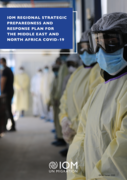
While the full effects of COVID-19 remain unknown, the pandemic continues to profoundly impact regional migration and mobility dynamics, with deep health, social and economic consequences for the most vulnerable, including migrants, displaced populations and their host communities, and returnees.
Policy Brief 2 June 2020
The COVID-19 pandemic is a health and human crisis threatening the food security and nutrition of millions of people around the world. Hundreds of millions of people were already suffering from hunger and malnutrition before the virus hit and, unless immediate action is tak
...
en, we could see a global food emergency. In the longer term, the combined effects of COVID-19 itself, as well as corresponding mitigation measures and the emerging global recession could, without large-scale coordinated action, disrupt the functioning of food systems. Such disruption can result in consequences for health and nutrition of a severity and scale unseen for more than half a century.
more
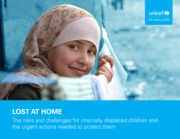
Today, more children than ever before are displaced within their own countries. Their harrowing stories of displacement are unfolding every day, and with increasing frequency. At the end of 2019, approximately 45.7 million people were internally displaced by conflict and violence (Fig. 1.1). Nearly
...
half – 19 million – were estimated to be children. And millions more are displaced every year by natural disasters.
more
Quick Tips on COVID-19 and Migrant, Refugee and Internally Displaced Children (Children on the Move)
This document will be continuously updated. Version as of April 27th, 2020
Migrant and displaced children are at heightened risk to the immediate and secondary impacts of COVID-19. They often live in cramped conditions with limited access to water, sanitation, and hygiene (WASH), may be in immig
...
ration detention or “left behind,” live with disabilities, unaccompanied or separated from their families, and can be hardest to reach with accurate information in a language they understand. Migrant workers and refugees can live in the most disadvantaged urban areas, where access to essential services is already limited. Refugee and migrant children may also be prevented from accessing essential services due to legal, documentation, linguistic or safety barriers. Further, the misinformation on the spread of COVID-19 exacerbates the xenophobia and discrimination that migrant and displaced children and their families already face.
more
he central Sahel region—Burkina Faso, Mali and Niger—is facing a severe humanitarian and protection crisis.
Massive displacement, most of it driven by intense and largely indiscriminate violence perpetrated by a range of armed actors against civilian populations, is taking place across the regi
...
on. While internal displacement is on the rise substantial numbers of refugees have fled to neighboring countries, and the situation risks spilling over into the coastal countries of Benin, Côte d'Ivoire, Ghana, and Togo.
This context is exacerbated by the COVID-19 pandemic, which is already affecting areas hosting refugees and IDPs
more

This technical guidance outlines current evidence, knowledge and best practice relating to incidences of violence and injuries among refugees and migrants in the WHO European Region. It highlights key principles, summarizes priority actions and challenges, maps existing international commitments and
...
frameworks and provides practical policy considerations for preventing and responding to such challenges. Specific areas for intervention include ensuring safe passage for migration; addressing causes of violence and injuries in transit and destination countries, including changing norms and values; identifying victims and providing care and protection; investigating and prosecuting perpetrators; and strengthening the knowledge base. While the main intended audience of this technical guidance series are policy-makers across sectors at local, national and regional levels, the contents of this publication will also be of value for health-care practitioners and law enforcement and border protection officials.
more
Recognizing the extent to which the COVID-19 outbreaks affects women and men differently is hugely important. Some preliminary data suggested that more men than women are dying, potentially due to sex-based immunological differences, higher rates of cardiovascular disease for men and lifestyle choic
...
es, such as smoking. However, the experiences and lessons learned from the Zika and Ebola outbreaks and the HIV pandemic demonstrate that robust gender analysis and informed, gender-integrated response are vital to strengthen the access and acceptability of the humanitarian services needed to meet the distinct needs of women and girls, as well as men and boy and LGBTI people.
more
In 1964 medical mission was challenged and called to define its distinctiveness and its special role in the context of that particular time. The consultation "Tuebingen I" clearly stated: "The Christian church has a specific task in the field of health and healing"1, and developed a conce
...
pt of wholeness and of the role of the congregation in health provision. 50 years later, the question of the proprium of Christian health services is again a very important one. At a time when governments, international non-governmental organizations and other philanthropic organizations participate in health care, the question has to be asked: What is the specific contribution of a Christian health service or ministry of healing? At a time when chronic disease challenges not only rich but now also poor countries, when infections like Ebola that for years were hidden in Africa pose a threat to the global situation, Christians have to reflect on the question of the proprium of Christian health care.
more

Integritas 4.3 (Fall 2014), pp. 1-30.
doi: 10.6017/integritas.v4i3p1
The contribution of religious entities to health in sub-Sahara Africa
Schmid B, Thomas E, Olivier J and Cochrane JR.
African Religious Health Assets Programme (ARHAP)
(2008)
CC
Aligned to the Lancet Migration Global Statementto include migrants and refugees incountries’response toCOVID-192, this brief focuses onGreece’s challenges and opportunities to build an inclusive response. Asylum seekers and refugees in Greece are currently placed by the Greek governments in Rec
...
eption and Identification Centres(RICs), apartments, hotels and camps across the Greek islands and the mainland, along with a proportion who are homeless. Currently there are six RICson the Greek islands: Vial on Chios island; Pyli on Kos island; Lepida on Leros island; Moria on Lesvos island; and Vathy on Samos, as well asan unofficial camp on Rhodes. Inaddition there are 18 camps in the northern mainland of Greece; 13 camps in the southern mainland of Greece and one in the southern peninsula (Peloponnese).
more
Le présent document accompagne le document d’orientation provisoire Renforcer la préparation à l’épidémie de COVID-19 dans les villes et autres milieux urbains, qui vient compléter le plan stratégique de préparation et de riposte et la mise à jour de la stratégie