
Filter
4675
Text search:
barriers
to
health
services
Featured
412
1167
Language
4529
133
108
79
56
42
34
18
9
7
7
6
6
5
5
5
5
4
4
4
4
4
4
4
3
3
3
3
3
3
3
3
2
2
2
2
2
2
2
2
2
2
1
1
1
1
1
1
1
1
1
1
1
1
1
1
1
Document type
2494
905
535
290
200
99
89
28
12
11
3
3
Countries / Regions
227
157
137
113
109
92
88
86
86
85
85
81
77
75
73
73
70
56
56
51
50
47
40
38
36
35
31
30
28
28
27
24
24
22
21
21
20
20
20
19
19
17
17
17
16
16
16
15
14
14
14
13
13
13
13
12
12
10
9
8
8
8
8
8
7
7
7
6
6
6
5
5
5
5
5
4
4
4
4
4
4
4
4
4
3
3
3
3
3
3
3
3
3
2
2
2
2
2
2
2
2
2
2
2
2
2
2
2
2
2
2
1
1
1
1
1
1
1
1
1
1
1
1
1
1
1
1
1
1
1
1
1
1
1
1
1
1
Authors & Publishers
601
215
167
124
115
113
106
72
68
47
38
34
32
30
30
28
27
24
24
23
22
22
22
22
22
22
22
21
20
20
20
19
17
17
17
16
16
15
15
14
14
14
14
14
13
13
13
12
12
12
12
11
11
11
11
11
10
10
10
10
10
10
10
10
10
10
9
9
9
9
9
9
9
8
8
8
8
8
8
8
8
8
8
7
7
7
7
7
6
6
6
6
6
6
6
6
6
6
6
6
6
6
6
6
6
6
6
5
5
5
5
5
5
5
5
5
5
5
5
5
5
5
5
5
5
5
5
5
5
5
5
5
5
5
5
5
5
5
5
5
5
5
5
5
5
4
4
4
4
4
4
4
4
4
4
4
4
4
4
4
4
4
4
4
4
4
4
4
4
4
4
4
4
4
4
4
4
4
4
4
4
4
4
4
4
4
4
3
3
3
3
3
3
3
3
3
3
3
3
3
3
3
3
3
3
3
3
3
3
3
3
3
3
3
3
3
3
3
3
3
3
3
3
3
3
3
3
3
3
3
3
3
3
3
3
3
3
3
3
3
3
3
3
3
3
3
3
3
3
3
3
3
3
3
3
3
3
3
3
3
3
3
3
3
3
3
3
3
3
3
3
3
3
3
3
3
3
3
3
3
3
3
3
3
3
3
3
3
3
3
3
3
3
3
3
3
3
2
2
2
2
2
2
2
2
2
2
2
2
2
2
2
2
2
2
2
2
2
2
2
2
2
2
2
2
2
2
2
2
2
2
2
2
2
2
2
2
2
2
2
2
2
2
2
2
2
2
2
2
2
2
2
2
2
2
2
2
2
2
2
2
2
2
2
2
2
2
2
2
2
2
2
2
2
2
2
2
2
2
2
2
2
2
2
2
2
2
2
2
2
2
2
2
2
2
2
2
2
2
2
2
2
2
2
2
2
2
2
2
2
2
2
2
2
2
2
2
2
2
2
2
2
2
2
2
2
2
2
2
2
2
2
2
2
2
2
2
2
2
2
2
2
2
2
2
2
2
2
2
2
2
2
2
2
2
2
2
2
2
2
2
2
2
2
2
2
2
2
2
2
2
2
2
2
2
2
2
2
2
2
2
2
2
2
2
2
2
2
2
2
2
2
2
2
2
2
2
2
2
2
2
2
2
2
2
2
2
2
2
2
2
2
2
2
2
2
2
2
2
2
2
2
2
2
2
2
2
2
2
2
2
2
2
2
2
2
2
2
2
2
2
2
2
2
2
2
2
2
2
2
2
2
2
2
2
2
2
2
2
2
2
2
2
2
2
2
2
2
2
2
2
2
2
2
2
2
2
2
2
2
2
2
2
2
2
2
2
2
2
2
2
2
2
2
2
2
2
2
2
2
2
2
2
2
2
2
1
1
1
1
1
1
1
1
1
1
1
1
1
1
1
1
1
1
1
1
1
1
1
1
1
1
1
1
1
1
1
1
1
1
1
1
1
1
1
1
1
1
1
1
1
1
1
1
1
1
1
1
1
1
1
1
1
1
1
1
1
1
1
1
1
1
1
1
1
1
1
1
1
1
1
1
1
1
1
1
1
1
1
1
1
1
1
1
1
1
1
1
1
1
1
1
1
1
1
1
1
1
1
1
1
1
1
1
1
1
1
1
1
1
1
1
1
1
1
1
1
1
1
1
1
1
1
1
1
1
1
1
1
1
1
1
1
1
1
1
1
1
1
1
1
1
1
1
1
1
1
1
1
1
1
1
1
1
1
1
1
1
1
1
1
1
1
1
1
1
1
1
1
1
1
1
1
1
1
1
1
1
1
1
1
1
1
1
1
1
1
1
1
1
1
1
1
1
1
1
1
1
1
1
1
1
1
1
1
1
1
1
1
1
1
1
1
1
1
1
1
1
1
1
1
1
1
1
1
1
1
1
1
1
1
1
1
1
1
1
1
1
1
1
1
1
1
1
1
1
1
1
1
1
1
1
1
1
1
1
1
1
1
1
1
1
1
1
1
1
1
1
1
1
1
1
1
1
1
1
1
1
1
1
1
1
1
1
1
1
1
1
1
1
1
1
1
1
1
1
1
1
1
1
1
1
1
1
1
1
1
1
1
1
1
1
1
1
1
1
1
1
1
1
1
1
1
1
1
1
1
1
1
1
1
1
1
1
1
1
1
1
1
1
1
1
1
1
1
1
1
1
1
1
1
1
1
1
1
1
1
1
1
1
1
1
1
1
1
1
1
1
1
1
1
1
1
1
1
1
1
1
1
1
1
1
1
1
1
1
1
1
1
1
1
1
1
1
1
1
1
1
1
1
1
1
1
1
1
1
1
1
1
1
1
1
1
1
1
1
1
1
1
1
1
1
1
1
1
1
1
1
1
1
1
1
1
1
1
1
1
1
1
1
1
1
1
1
1
1
1
1
1
1
1
1
1
1
1
1
1
1
1
1
1
1
1
1
1
1
1
1
1
1
1
1
1
1
1
1
1
1
1
1
1
1
1
1
1
1
1
1
1
1
1
1
1
1
1
1
1
1
1
1
1
1
1
1
1
1
1
1
1
1
1
1
1
1
1
1
1
1
1
1
1
1
1
1
1
1
1
1
1
1
1
1
1
1
1
1
1
1
1
1
1
1
1
1
1
1
1
1
1
1
1
1
1
1
1
1
1
1
1
1
1
1
1
1
1
1
1
1
1
1
1
1
1
1
1
1
1
1
1
1
1
1
1
1
1
1
1
1
1
1
1
1
1
1
1
1
1
1
1
1
1
1
1
1
1
1
1
1
1
1
1
1
1
1
1
1
1
1
1
1
1
1
1
1
1
1
1
1
1
1
1
1
1
1
1
1
1
1
1
1
1
1
1
1
1
1
1
1
1
1
1
1
1
1
1
1
1
1
1
1
1
1
1
1
1
1
1
1
1
1
1
1
1
1
1
1
1
1
1
1
1
1
1
1
1
1
1
1
1
1
1
1
1
1
1
1
1
1
1
1
1
1
1
1
1
1
1
1
1
1
1
1
1
1
1
1
1
1
1
1
1
1
1
1
1
1
1
1
1
1
1
1
1
1
1
1
1
1
1
1
1
1
1
1
1
1
1
1
1
1
1
1
1
1
1
1
1
1
1
1
1
1
1
1
1
1
1
1
1
1
1
1
1
1
1
1
1
1
1
1
1
1
1
1
1
1
1
1
1
1
1
1
1
1
1
1
1
1
1
1
1
1
1
1
1
1
1
1
1
1
1
1
1
1
1
1
1
1
1
1
1
1
1
1
1
1
1
1
1
1
1
1
1
1
1
1
1
1
1
1
1
1
1
1
1
1
1
1
1
1
1
1
1
1
1
1
1
1
1
1
1
1
1
1
1
1
1
1
1
1
1
1
1
1
1
1
1
1
1
1
1
1
1
1
1
1
1
1
1
1
1
1
1
1
1
1
1
1
1
1
1
1
1
1
1
1
1
1
1
1
1
1
1
1
1
1
1
1
1
1
1
1
1
1
1
1
1
1
1
1
1
1
1
1
1
1
1
1
1
1
1
1
1
1
1
1
1
1
1
1
1
1
1
1
1
1
1
1
1
1
1
1
1
1
1
1
1
1
1
1
1
1
1
1
1
1
1
1
1
1
1
1
1
1
1
1
1
1
1
1
1
1
1
1
1
1
1
1
1
1
1
1
1
1
1
1
1
1
1
1
1
1
1
1
1
1
1
1
1
1
1
1
1
1
1
1
1
1
1
1
1
1
1
1
1
1
1
1
1
1
1
1
1
1
1
1
1
1
1
1
1
1
1
1
1
1
1
1
1
1
1
1
1
1
1
1
1
1
1
1
1
1
1
1
1
1
1
1
1
1
1
1
1
1
1
1
1
1
1
1
1
1
1
1
1
1
1
1
1
1
1
1
1
1
1
1
1
1
1
1
1
1
1
1
1
1
1
1
1
1
1
1
1
1
1
1
1
1
1
1
1
1
1
1
1
1
1
1
1
1
1
1
1
1
1
1
1
1
1
1
1
1
1
1
1
1
1
1
1
1
1
1
1
1
1
1
1
1
1
1
1
1
1
1
1
1
1
1
1
1
1
1
1
1
1
1
1
1
1
1
1
1
1
1
1
1
1
1
1
1
1
1
1
1
1
1
1
1
1
1
1
1
1
1
1
1
1
1
1
1
1
1
1
1
1
1
1
1
1
1
1
1
1
1
1
1
1
1
1
1
1
1
1
1
1
1
1
1
1
1
1
1
1
1
1
1
1
1
1
1
1
1
1
1
1
1
1
1
1
1
1
1
1
1
1
1
1
1
1
1
1
1
1
1
1
1
1
1
1
1
1
1
1
1
1
1
1
1
1
1
1
1
1
1
1
1
1
1
1
1
1
1
1
1
1
1
1
1
1
1
1
1
1
1
1
1
1
1
1
1
1
1
1
1
1
1
1
1
1
1
1
1
1
1
1
1
1
1
1
1
1
1
1
1
1
1
1
1
1
1
1
1
1
1
1
1
1
1
1
1
1
1
1
1
1
1
1
1
1
1
1
1
1
1
1
1
1
1
1
1
1
1
1
1
1
1
1
1
1
1
1
1
1
1
1
1
1
1
1
1
1
1
1
1
1
1
1
1
1
1
1
1
1
1
1
1
1
1
1
1
1
1
1
1
1
1
1
1
1
1
1
1
1
1
1
1
1
1
1
1
1
1
1
1
1
1
1
1
1
1
1
1
1
1
1
1
1
1
1
1
1
1
1
1
1
1
1
1
1
1
1
1
1
1
1
1
1
1
1
1
1
1
1
1
1
1
1
1
1
1
1
1
1
1
1
1
1
1
1
1
1
1
1
1
1
1
1
1
1
1
1
1
1
1
1
1
1
1
1
1
1
1
1
1
1
1
1
1
1
1
1
1
1
1
1
1
1
1
1
1
1
1
1
1
1
1
1
1
1
1
1
1
1
1
1
1
1
1
1
1
1
1
1
1
1
1
1
1
1
1
1
1
1
1
1
1
1
1
1
1
1
1
1
1
1
1
1
1
1
1
1
1
1
1
1
1
1
1
1
1
1
1
1
1
1
1
1
1
1
1
1
1
1
1
1
1
1
1
1
1
1
1
1
1
1
1
1
1
1
1
1
1
1
1
1
1
1
1
1
1
1
1
1
1
1
1
1
1
1
1
1
1
1
1
1
1
1
1
1
1
1
1
1
1
1
1
1
1
1
1
1
1
1
1
1
1
1
1
1
1
1
1
1
1
1
1
1
1
1
1
1
1
1
1
1
1
1
1
1
1
1
1
1
1
1
1
1
1
1
1
1
1
1
1
1
1
1
1
1
1
1
1
1
1
1
1
1
1
1
1
1
1
1
1
1
1
1
1
1
1
1
1
1
1
1
1
1
1
1
1
1
1
1
1
1
1
1
1
1
1
1
1
1
1
1
1
1
1
1
1
1
1
1
1
1
1
1
1
1
1
1
1
1
1
1
1
1
1
1
1
1
1
1
1
1
1
1
1
1
1
1
1
1
1
1
1
1
1
1
1
1
1
1
1
1
1
1
1
1
1
1
1
1
1
1
1
1
1
1
1
1
1
1
1
1
1
1
1
1
1
1
1
1
1
1
1
1
1
1
1
1
1
1
1
1
1
1
1
1
1
1
1
1
1
1
1
1
1
1
1
1
1
1
1
1
1
1
1
1
1
1
1
1
1
1
1
1
1
1
1
1
1
1
1
1
1
1
1
1
1
1
1
1
1
1
1
1
1
1
1
1
1
1
1
1
1
1
1
1
1
1
1
1
1
1
1
1
1
1
1
1
1
1
1
1
1
1
1
1
1
1
1
1
1
1
1
1
1
1
1
1
1
1
1
1
1
1
1
1
1
1
1
1
1
1
1
1
1
1
1
1
1
1
1
1
1
1
1
1
1
1
1
1
1
1
1
1
1
1
1
1
1
1
1
1
1
1
1
1
1
1
1
1
1
1
1
1
1
1
1
1
1
1
1
1
1
1
1
1
1
1
1
1
1
1
1
1
1
1
1
1
1
1
1
1
1
1
1
1
1
1
1
1
1
1
1
1
1
1
1
1
1
1
1
1
1
1
1
1
1
1
1
1
1
1
1
1
1
1
1
1
1
1
1
1
1
1
1
1
1
1
1
1
1
1
1
1
1
1
1
1
1
1
1
1
1
1
1
1
1
1
1
1
1
1
1
1
1
1
1
1
1
1
1
1
1
1
1
1
1
1
1
1
1
1
1
1
1
1
1
1
1
1
1
1
1
1
1
1
1
1
1
1
1
1
1
1
1
1
1
1
1
1
1
1
1
1
1
1
1
1
1
1
1
1
1
1
1
1
1
1
1
1
1
1
1
1
1
1
1
1
1
1
1
1
1
1
1
1
1
1
1
1
1
1
1
1
1
1
1
1
1
1
1
1
1
1
1
1
1
1
1
1
1
1
1
1
1
1
1
1
1
1
1
1
1
1
1
1
1
1
1
1
1
1
1
1
1
1
1
1
1
1
1
1
1
1
1
1
1
1
1
1
1
1
1
1
1
1
1
1
1
1
1
1
1
1
1
1
1
1
1
1
1
1
1
1
1
1
1
1
1
1
1
1
1
1
1
1
1
1
1
1
1
1
1
1
1
1
1
1
1
1
1
1
1
1
1
1
1
1
1
1
1
1
1
1
1
1
1
1
1
1
1
1
1
1
1
1
1
1
1
1
1
1
1
1
1
1
1
1
1
1
1
1
1
1
1
1
1
1
1
1
1
1
1
1
1
1
1
1
1
1
1
1
1
1
1
1
1
1
1
1
1
1
1
1
1
1
1
1
1
1
1
1
1
1
1
1
1
1
1
1
1
1
1
1
1
1
1
1
1
1
1
1
1
1
1
1
1
1
1
1
1
1
1
1
1
1
1
1
1
1
1
1
1
1
1
1
1
1
1
1
1
1
1
1
1
1
1
1
1
1
1
1
1
1
1
1
1
1
1
1
1
1
1
1
1
1
1
1
1
1
1
1
1
1
1
1
1
1
1
1
1
1
1
1
1
1
1
1
1
1
1
1
1
1
1
1
1
1
1
1
1
1
1
1
1
1
1
1
1
1
1
1
1
1
1
1
1
1
1
1
1
1
1
1
1
1
1
1
1
1
1
1
1
1
1
1
1
1
1
1
1
1
1
1
1
1
1
1
1
1
1
1
1
1
1
1
1
1
1
1
1
1
1
1
1
1
1
1
1
1
1
1
1
1
1
1
1
1
1
1
1
1
1
1
1
1
1
1
1
1
1
1
1
1
1
1
1
1
1
1
1
1
1
1
1
1
1
1
1
1
1
1
1
1
1
1
1
1
1
1
1
1
1
1
1
1
1
1
1
1
1
1
1
1
1
1
1
1
1
1
1
1
1
1
1
1
1
1
1
1
1
1
1
1
1
1
1
1
1
1
1
1
1
1
1
1
1
1
1
1
1
1
1
1
1
1
1
1
1
1
1
1
1
1
1
1
1
1
1
1
1
1
1
1
1
1
1
1
1
1
1
1
1
1
1
1
1
1
1
1
1
1
1
1
1
1
1
1
1
1
1
1
1
1
1
1
1
1
1
1
1
1
1
1
1
1
1
1
1
1
1
1
1
1
1
1
1
1
1
1
1
1
1
1
1
1
1
1
1
1
1
1
1
1
1
1
1
1
1
1
1
1
1
1
1
1
1
1
1
1
1
1
1
1
1
1
1
1
1
1
1
1
1
1
1
1
1
1
1
1
1
1
1
1
1
1
1
1
1
1
1
1
1
1
1
1
1
1
1
1
1
1
1
1
1
1
1
1
1
1
1
1
1
1
1
1
1
1
1
1
1
1
1
1
1
1
1
1
1
1
1
1
1
1
1
1
1
1
1
1
1
1
1
1
1
1
1
1
1
1
1
1
1
1
1
1
1
1
1
1
1
1
1
1
1
1
1
1
1
1
1
1
1
1
1
1
1
1
1
1
1
1
1
1
1
1
1
1
1
1
1
1
1
1
1
1
1
1
1
1
1
1
1
1
1
1
1
1
1
1
1
1
1
1
1
1
1
1
1
1
1
1
1
1
1
1
1
1
1
1
1
1
1
1
1
1
1
1
1
1
1
1
1
1
1
1
1
1
1
1
1
1
1
1
1
1
1
1
1
1
1
1
1
1
1
1
1
1
1
1
1
1
1
1
1
1
1
1
1
1
1
1
1
1
1
1
1
1
1
1
1
1
1
1
1
1
1
1
1
1
1
1
1
1
1
1
1
1
1
1
1
1
1
1
1
1
1
1
1
1
1
1
1
1
1
1
1
1
1
1
1
1
1
1
1
1
1
1
1
1
1
1
1
1
1
1
1
1
1
1
1
1
1
1
1
1
1
1
1
1
1
1
1
1
1
1
1
1
1
1
1
1
1
1
1
1
1
1
1
1
1
1
1
1
1
1
1
1
1
1
1
1
1
1
1
1
1
1
1
1
1
1
1
1
1
1
1
1
1
1
1
1
1
1
1
1
1
1
1
1
1
1
1
1
1
1
1
1
1
1
1
1
1
1
1
1
1
1
1
1
1
1
1
1
1
1
1
1
1
1
1
1
1
1
1
1
1
1
1
1
1
1
1
1
1
1
1
1
1
1
1
1
1
1
1
1
1
1
1
1
1
1
1
1
1
1
1
1
1
1
1
1
1
1
1
1
1
1
1
1
1
1
1
1
1
1
1
1
1
1
1
1
1
1
1
1
1
1
1
1
1
1
1
1
1
1
1
1
1
1
1
1
1
1
1
1
1
1
1
1
1
1
1
1
1
1
1
1
1
1
1
1
1
1
1
1
1
1
1
1
1
1
1
1
1
1
1
1
1
1
1
1
1
1
1
1
1
1
1
1
1
1
1
1
1
1
1
1
1
1
1
1
1
1
1
1
1
1
1
1
1
1
1
1
1
1
1
1
1
1
1
1
1
1
1
1
1
1
1
1
1
1
1
1
1
1
1
1
1
1
1
1
1
1
1
1
1
1
1
1
1
1
1
1
1
1
1
1
1
1
1
1
1
1
1
1
1
1
1
Publication Years
1500
2830
334
8
2
1
Category
1732
292
274
268
264
115
24
1
Toolboxes
436
389
385
355
241
150
150
150
119
93
90
84
79
74
54
47
42
41
38
38
24
20
19
16
12
1
1
This document provides an overview of key considerations for the provision of the HIV continuum of care in the context of displaced people from Ukraine in the EU/EEA. This document has two aims: firstly, to outline what is known of the Ukrainian HIV
...
epidemic, and secondly, to use the HIV continuum of care as a framework to set out suggestions based on published evidence and expert opinion on the management of the HIV continuum of care, with special consideration for people living with HIV from Ukraine. The document will also address the needs of those at risk of acquiring HIV. The main findings of this document were presented during an ECDC webinar, ‘Key considerations on the continuum of HIV care for refugees from Ukraine,’ hosted on 19 May 2022.
more

This resulting toolkit is a practical guide intended to assist users to become advocates for palliative care in a practical and effective
way. It is not necessarily a resource
...
to read from cover to cover; rather, it can also be used selectively to each reader’s needs to engage audiences and ensure that there is a real understanding of the need for palliative care. It should also be read in conjunction with the supplementary resources listed at the end of each of the toolkit’s sections.
more
A Toolkit on Positive Prevention for People Living with HIV. The stories contained in the Flipchart are of real people in Malawi living and affected by HIV/AIDS. Each story follows the theme for a particular session in the Guide. The questions related to
...
each story are found within the Facilitator Guide. Activities are also included for each thematic session. These resources were developed as part of the Malawi BRIDGE Project, and as part of the Positive Prevention campaign, which aimed at creating an HIV/AIDS prevention response that recognizes the needs and desires of PLHIVs by providing them with information to live healthy, and addressing the psycho-social well-being including family planning option
more
Safe excreta disposal is a top priority in an emergency, but one that takes time and extensive resources to implement. This Technical Briefing Note examines the use of poo bags for safe excreta containment and disposal in urban emergency settings. T
...
he Brief also explores ways of building more complete excreta management systems to ensure not only safe disposal, but also to ensure the dignity and safety of users.
more
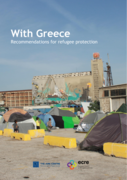
The information in this report is up-to-date as of June 2016.
The report, which follows a field visit to the country between 28 May and 6 June, also emphasises the need for international organisa
...
tions to be mindful of the long present efforts of Greek lawyers and NGOs in the field, and recommends that new initiatives should be targeted and sustainable.
more
This handbook aims to give practical guidance to support development organisations to mainstream disability into their work. It is
...
primarily intended for VSO programmes, but could be useful to other development actors interested in mainstreaming disability, such as NGOs, government and donors
more
Journal of the International AIDS Society Vol. 21 (2018) e25133
Many prevention of mother-to-child HIV transmission programmes across Africa initiate HIV-infected (HIV positive) pregnant women on lifelong antiretroviral therapy (ART) on the fir ... st day of antenatal care (“same-day” initiation). However, there are concerns that same-day initiation may limit patient preparation before starting ART and contribute to subsequent non-adherence, disengagement from care and raised viral load. We examined if same-day initiation was associated with viral suppression and engagement in care during pregnancy.
The data suggest that same-day ART initiation during pregnancy is not associated with lower levels of engagement in care or viral suppression through 12 months post-delivery in this setting, providing reassurance to ART programmes implementing Option B+.
https://doi.org/10.1002/jia2.25133 more
Many prevention of mother-to-child HIV transmission programmes across Africa initiate HIV-infected (HIV positive) pregnant women on lifelong antiretroviral therapy (ART) on the fir ... st day of antenatal care (“same-day” initiation). However, there are concerns that same-day initiation may limit patient preparation before starting ART and contribute to subsequent non-adherence, disengagement from care and raised viral load. We examined if same-day initiation was associated with viral suppression and engagement in care during pregnancy.
The data suggest that same-day ART initiation during pregnancy is not associated with lower levels of engagement in care or viral suppression through 12 months post-delivery in this setting, providing reassurance to ART programmes implementing Option B+.
https://doi.org/10.1002/jia2.25133 more
Institute for Human Rights annually submits a report on the development of the human rights situation in Germany to the German Federal Parliament (in accordance with sec. 2 para. 5 of the Act regarding the Legal Status and Mandate of the German Inst
...
itute for Human Rights of 16 July 2015; short: DIMRG). The report is presented on the occasion of the International Human Rights Day on 10 December. The DIMRG provides that the German Federal Parliament officially responds to the report. The fifth report 2019/2020 covers the period 1 July 2019 to 30 June 2020.
more
Healthcare-associated infections (HAI) are a significant burden globally, with millions of patients affected each year. These infections affect both high- and limited-resource healthcare settings, but in limited-resource settings, rates are approximately twice as high as high-resource settings (15 o
...
ut of every 100 patients versus 7 out of every 100 patients). Furthermore, rates of infections within certain patient populations are significantly higher in limited-resource settings, including surgical patients, patients in intensive-care units (ICU) and neonatal units. It is well documented that environmental contamination plays a role in the transmission of HAIs in healthcare settings. Therefore, environmental cleaning is a fundamental intervention for infection prevention and control (IPC).It is a multifaceted intervention that involves cleaning and disinfection (when indicated) of the environment alongside other key program elements to support successful implementation (e.g., leadership support, training, monitoring, and feedback mechanisms). To be effective, environmental cleaning activities must be implemented within the framework of the facility IPC program, and not as a standalone intervention. It is also essential that IPC programs advocate for and work with facility administration and government officials to budget, operate and maintain adequate water, sanitation and hygiene (WASH) infrastructure to ensure that environmental cleaning can be performed according to best practices.
more
The document is a practical guide on how to prepare for and respond to emergencies and disasters. It explains that disasters such as floods, fires, severe weather, or power outages can happen at any
...
time and that individuals should be prepared in advance. The guide provides advice on personal preparedness, including storing food and water, maintaining hygiene, preparing a medicine kit, and keeping important documents ready. It also describes how to act during specific emergency situations, such as fires, floods, or hazardous material incidents, and emphasizes the importance of first aid, emergency communication, and following official warnings. Overall, the text aims to help people become more self-reliant and capable of protecting themselves and others in crisis situations.
more
The purpose of this study was to document a technical assessment of a sample of these existing shelters on their functionality, accessibility, operation and management, community perspectives in Myanmar; identify gaps, needs and further the linkages
...
with community-based disaster risk reduction (CDBRR) activities. The study also aims at a wider assessment: looking at broader recovery in terms of shelter and livelihood aspects with clear linkages and strategic direction for future cyclone shelter support activities.
No publication year indicated. more
No publication year indicated. more
Myanmar’s transition to a market‐based economy is accompanied by rapid development of the private manufacturing sector, which has large potential for improving economic growth. The overall success of the sector, however, should not be taken for
...
granted. Future advances will greatly depend on the policy and business environment in which manufacturing activities take place. It is, therefore, important to better understand the business environment and help inform policies conducive to sustainable economic growth.
more
The progressive development of peoples is an object of deep interest and concern to the Church. This is particularly true in the case of those peoples who are trying to escape the ravages of hunger,
...
poverty, endemic disease and ignorance; of those who are seeking a larger share in the benefits of civilization and a more active improvement of their human qualities; of those who are consciously striving for fuller growth.
more
tep 1 Competencies have been designed to provide staff with the core skills required to care for a critically ill patient safely, whilst under supervision. It is expected that Step 1 competencies wi
...
ll be completed prior to commencing an academic critical care programme.
Steps 2 & 3 Competencies have been designed to further develop your essential critical care skills and will require enhanced theoretical knowledge to underpin your practice. It is anticipated that Steps 2 & 3 competencies will be undertaken whilst undertaking an academic critical care programme.
Step 4 Competencies have been designed to provide staff with the core skills required to take charge in a critical care unit; building management and leadership capability into your professional development, to demonstrate safe and effective coordination and prioritisation of unit workload, workforce and resources.
You can downlaod any of the Steps Competency Documents from this link
more
Disability Inclusive Development Toolkit
recommended
This toolkit is designed as a resource for CBM that can be used in a variety of ways: to support staff induction, team meetings, refresher days and training workshops. It can also be used as a tool for personal reflection and self-study. Tips for th
...
ose intending to use it as a training resource are shaded differently.
more
This handbook is a quick-reference tool that provides practical, field-level guidance to establish and maintain a GBV sub-cluster in a humanitarian emergency. It provides the foundations for coordination. More in-depth information can be pursued thr
...
ough resources referenced in this handbook. The GBV AoR website (gbvaor.net) maintains a repository of tools, training materials and resources that complement this handbook. As a second edition, this handbook provides updates to practitioners on humanitarian reforms, lessons learned, promising practices and resources that have emerged since its first publication in 2010.
more
Disability-inclusive social protection research in Vietnam
Banks, Lena M., Walsham, Matthew and others
International Centre for Evidence in Disability
(2018)
C1
A national overview with a case study from Cam Le district
The overall aims of this study are (1) to assess the extent to which social protection systems in Vietnam address the needs of people ... with disabilities; and (2) to identify and document elements of good practice, as well as challenges, in the design and delivery of social protection for people with disabilities. As most social protection programmes in Vietnam are targeted to various vulnerable groups (e.g. orphans, widows, single parents), the research mainly focuses on disability-specific schemes, as they are relevant to a higher proportion of people with disabilities. more
The overall aims of this study are (1) to assess the extent to which social protection systems in Vietnam address the needs of people ... with disabilities; and (2) to identify and document elements of good practice, as well as challenges, in the design and delivery of social protection for people with disabilities. As most social protection programmes in Vietnam are targeted to various vulnerable groups (e.g. orphans, widows, single parents), the research mainly focuses on disability-specific schemes, as they are relevant to a higher proportion of people with disabilities. more

The Government of Myanmar has taken initial steps to implement some of the
recommendations, particularly those made by the Advisory Commission. The overarching
objectives of the recommendations, however, remain largely unaddressed, with no
signif
...
icant progress observed on human rights concerns raised in previous reports
submitted to the Human Rights Council. The High Commissioner recommends that the
Government of Myanmar take action to ensure compliance with its international human
rights obligations.
more
Preventing Suicide: A Technical Package of Policy, Programs, and Practices
Stone, D.; K. Holland, B. Bartholow, et al.
Centers for Disease Control and Prevention CDC
(2017)
C_CDC
This technical package represents a select group of strategies based on the best available evidence to help communities and states sharpen their focus on prevention activities with the greatest potential t
...
o prevent suicide
more
Based on Human Rights Watch (HRW)'s reporting on the human rights dimensions of the COVID-19 pandemic (see Related Summary, and the video, below), this document presents 40 questions to provoke thinking about a rights-respecting response
...
to the crisis. The questions address the needs - including around issues of information and communication - of groups most at risk, such as people living in poverty, ethnic and religious minorities, women, people with disabilities, older people, migrants, refugees, children, and lesbian, gay, bisexual, and transgender (LGBT) people. The resource also identifies a variety of responses to the crisis, some of which are positive and others problematic - with many links to related stories and resources online.
more
