
Filter
5431
Text search:
sustainable
health
Featured
429
1436
Language
5190
189
157
97
96
54
49
44
11
10
7
5
4
4
4
4
4
3
3
3
3
3
3
3
3
3
2
2
2
2
2
2
2
2
2
2
2
2
2
2
1
1
1
1
1
1
1
1
1
1
1
1
1
1
1
1
1
1
1
1
Document type
2490
1403
578
360
301
96
82
36
28
27
12
8
4
4
Countries
410
153
150
120
119
114
103
101
100
99
93
91
89
83
82
82
72
71
69
63
63
48
47
43
43
42
41
41
40
38
32
32
32
31
31
31
29
26
24
23
22
22
19
19
18
18
18
17
17
17
16
16
14
14
14
14
13
13
13
12
12
11
11
11
10
10
8
7
7
6
6
6
6
6
6
5
5
5
5
5
5
5
4
4
4
4
4
4
4
4
4
4
4
4
3
3
3
3
3
3
3
3
3
3
3
2
2
2
2
2
2
2
2
2
2
2
2
2
2
2
2
2
2
2
2
1
1
1
1
1
1
1
1
1
1
1
1
1
1
1
1
1
1
1
1
1
1
1
Authors & Publishers
746
193
182
168
154
143
71
66
61
59
58
34
30
30
24
23
23
22
22
21
20
19
19
18
18
18
18
17
17
17
17
16
16
16
15
15
15
14
14
13
13
13
13
13
13
13
12
12
12
12
12
12
12
12
11
11
11
11
11
11
10
10
10
10
10
10
9
9
9
9
9
9
9
9
9
8
8
8
8
8
8
8
8
8
8
8
8
8
8
8
8
8
8
7
7
7
7
7
7
7
7
7
7
7
7
7
6
6
6
6
6
6
6
6
6
6
6
6
6
6
6
6
6
6
6
6
6
6
6
6
6
6
6
6
6
6
6
6
6
6
5
5
5
5
5
5
5
5
5
5
5
5
5
5
5
5
5
5
5
5
5
5
5
5
5
5
5
5
4
4
4
4
4
4
4
4
4
4
4
4
4
4
4
4
4
4
4
4
4
4
4
4
4
4
4
4
4
4
4
4
4
4
4
4
4
4
4
4
4
4
4
4
4
4
4
4
4
4
4
4
4
4
4
4
4
4
4
4
4
4
3
3
3
3
3
3
3
3
3
3
3
3
3
3
3
3
3
3
3
3
3
3
3
3
3
3
3
3
3
3
3
3
3
3
3
3
3
3
3
3
3
3
3
3
3
3
3
3
3
3
3
3
3
3
3
3
3
3
3
3
3
3
3
3
3
3
3
3
3
3
3
3
3
3
3
3
3
3
3
3
3
3
3
3
3
3
3
3
3
3
3
3
3
3
3
3
3
3
3
3
3
3
3
3
3
3
3
2
2
2
2
2
2
2
2
2
2
2
2
2
2
2
2
2
2
2
2
2
2
2
2
2
2
2
2
2
2
2
2
2
2
2
2
2
2
2
2
2
2
2
2
2
2
2
2
2
2
2
2
2
2
2
2
2
2
2
2
2
2
2
2
2
2
2
2
2
2
2
2
2
2
2
2
2
2
2
2
2
2
2
2
2
2
2
2
2
2
2
2
2
2
2
2
2
2
2
2
2
2
2
2
2
2
2
2
2
2
2
2
2
2
2
2
2
2
2
2
2
2
2
2
2
2
2
2
2
2
2
2
2
2
2
2
2
2
2
2
2
2
2
2
2
2
2
2
2
2
2
2
2
2
2
2
2
2
2
2
2
2
2
2
2
2
2
2
2
2
2
2
2
2
2
2
2
2
2
2
2
2
2
2
2
2
2
2
2
2
2
2
2
2
2
2
2
2
2
2
2
2
2
2
2
2
2
2
2
2
2
2
2
2
2
2
2
2
2
2
2
2
2
2
2
2
2
2
2
2
2
2
2
2
2
2
2
2
2
2
2
2
2
2
2
2
2
2
2
2
2
2
2
2
2
2
2
2
2
2
2
2
2
2
2
2
2
2
2
2
2
2
2
2
2
2
2
2
2
2
2
1
1
1
1
1
1
1
1
1
1
1
1
1
1
1
1
1
1
1
1
1
1
1
1
1
1
1
1
1
1
1
1
1
1
1
1
1
1
1
1
1
1
1
1
1
1
1
1
1
1
1
1
1
1
1
1
1
1
1
1
1
1
1
1
1
1
1
1
1
1
1
1
1
1
1
1
1
1
1
1
1
1
1
1
1
1
1
1
1
1
1
1
1
1
1
1
1
1
1
1
1
1
1
1
1
1
1
1
1
1
1
1
1
1
1
1
1
1
1
1
1
1
1
1
1
1
1
1
1
1
1
1
1
1
1
1
1
1
1
1
1
1
1
1
1
1
1
1
1
1
1
1
1
1
1
1
1
1
1
1
1
1
1
1
1
1
1
1
1
1
1
1
1
1
1
1
1
1
1
1
1
1
1
1
1
1
1
1
1
1
1
1
1
1
1
1
1
1
1
1
1
1
1
1
1
1
1
1
1
1
1
1
1
1
1
1
1
1
1
1
1
1
1
1
1
1
1
1
1
1
1
1
1
1
1
1
1
1
1
1
1
1
1
1
1
1
1
1
1
1
1
1
1
1
1
1
1
1
1
1
1
1
1
1
1
1
1
1
1
1
1
1
1
1
1
1
1
1
1
1
1
1
1
1
1
1
1
1
1
1
1
1
1
1
1
1
1
1
1
1
1
1
1
1
1
1
1
1
1
1
1
1
1
1
1
1
1
1
1
1
1
1
1
1
1
1
1
1
1
1
1
1
1
1
1
1
1
1
1
1
1
1
1
1
1
1
1
1
1
1
1
1
1
1
1
1
1
1
1
1
1
1
1
1
1
1
1
1
1
1
1
1
1
1
1
1
1
1
1
1
1
1
1
1
1
1
1
1
1
1
1
1
1
1
1
1
1
1
1
1
1
1
1
1
1
1
1
1
1
1
1
1
1
1
1
1
1
1
1
1
1
1
1
1
1
1
1
1
1
1
1
1
1
1
1
1
1
1
1
1
1
1
1
1
1
1
1
1
1
1
1
1
1
1
1
1
1
1
1
1
1
1
1
1
1
1
1
1
1
1
1
1
1
1
1
1
1
1
1
1
1
1
1
1
1
1
1
1
1
1
1
1
1
1
1
1
1
1
1
1
1
1
1
1
1
1
1
1
1
1
1
1
1
1
1
1
1
1
1
1
1
1
1
1
1
1
1
1
1
1
1
1
1
1
1
1
1
1
1
1
1
1
1
1
1
1
1
1
1
1
1
1
1
1
1
1
1
1
1
1
1
1
1
1
1
1
1
1
1
1
1
1
1
1
1
1
1
1
1
1
1
1
1
1
1
1
1
1
1
1
1
1
1
1
1
1
1
1
1
1
1
1
1
1
1
1
1
1
1
1
1
1
1
1
1
1
1
1
1
1
1
1
1
1
1
1
1
1
1
1
1
1
1
1
1
1
1
1
1
1
1
1
1
1
1
1
1
1
1
1
1
1
1
1
1
1
1
1
1
1
1
1
1
1
1
1
1
1
1
1
1
1
1
1
1
1
1
1
1
1
1
1
1
1
1
1
1
1
1
1
1
1
1
1
1
1
1
1
1
1
1
1
1
1
1
1
1
1
1
1
1
1
1
1
1
1
1
1
1
1
1
1
1
1
1
1
1
1
1
1
1
1
1
1
1
1
1
1
1
1
1
1
1
1
1
1
1
1
1
1
1
1
1
1
1
1
1
1
1
1
1
1
1
1
1
1
1
1
1
1
1
1
1
1
1
1
1
1
1
1
1
1
1
1
1
1
1
1
1
1
1
1
1
1
1
1
1
1
1
1
1
1
1
1
1
1
1
1
1
1
1
1
1
1
1
1
1
1
1
1
1
1
1
1
1
1
1
1
1
1
1
1
1
1
1
1
1
1
1
1
1
1
1
1
1
1
1
1
1
1
1
1
1
1
1
1
1
1
1
1
1
1
1
1
1
1
1
1
1
1
1
1
1
1
1
1
1
1
1
1
1
1
1
1
1
1
1
1
1
1
1
1
1
1
1
1
1
1
1
1
1
1
1
1
1
1
1
1
1
1
1
1
1
1
1
1
1
1
1
1
1
1
1
1
1
1
1
1
1
1
1
1
1
1
1
1
1
1
1
1
1
1
1
1
1
1
1
1
1
1
1
1
1
1
1
1
1
1
1
1
1
1
1
1
1
1
1
1
1
1
1
1
1
1
1
1
1
1
1
1
1
1
1
1
1
1
1
1
1
1
1
1
1
1
1
1
1
1
1
1
1
1
1
1
1
1
1
1
1
1
1
1
1
1
1
1
1
1
1
1
1
1
1
1
1
1
1
1
1
1
1
1
1
1
1
1
1
1
1
1
1
1
1
1
1
1
1
1
1
1
1
1
1
1
1
1
1
1
1
1
1
1
1
1
1
1
1
1
1
1
1
1
1
1
1
1
1
1
1
1
1
1
1
1
1
1
1
1
1
1
1
1
1
1
1
1
1
1
1
1
1
1
1
1
1
1
1
1
1
1
1
1
1
1
1
1
1
1
1
1
1
1
1
1
1
1
1
1
1
1
1
1
1
1
1
1
1
1
1
1
1
1
1
1
1
1
1
1
1
1
1
1
1
1
1
1
1
1
1
1
1
1
1
1
1
1
1
1
1
1
1
1
1
1
1
1
1
1
1
1
1
1
1
1
1
1
1
1
1
1
1
1
1
1
1
1
1
1
1
1
1
1
1
1
1
1
1
1
1
1
1
1
1
1
1
1
1
1
1
1
1
1
1
1
1
1
1
1
1
1
1
1
1
1
1
1
1
1
1
1
1
1
1
1
1
1
1
1
1
1
1
1
1
1
1
1
1
1
1
1
1
1
1
1
1
1
1
1
1
1
1
1
1
1
1
1
1
1
1
1
1
1
1
1
1
1
1
1
1
1
1
1
1
1
1
1
1
1
1
1
1
1
1
1
1
1
1
1
1
1
1
1
1
1
1
1
1
1
1
1
1
1
1
1
1
1
1
1
1
1
1
1
1
1
1
1
1
1
1
1
1
1
1
1
1
1
1
1
1
1
1
1
1
1
1
1
1
1
1
1
1
1
1
1
1
1
1
1
1
1
1
1
1
1
1
1
1
1
1
1
1
1
1
1
1
1
1
1
1
1
1
1
1
1
1
1
1
1
1
1
1
1
1
1
1
1
1
1
1
1
1
1
1
1
1
1
1
1
1
1
1
1
1
1
1
1
1
1
1
1
1
1
1
1
1
1
1
1
1
1
1
1
1
1
1
1
1
1
1
1
1
1
1
1
1
1
1
1
1
1
1
1
1
1
1
1
1
1
1
1
1
1
1
1
1
1
1
1
1
1
1
1
1
1
1
1
1
1
1
1
1
1
1
1
1
1
1
1
1
1
1
1
1
1
1
1
1
1
1
1
1
1
1
1
1
1
1
1
1
1
1
1
1
1
1
1
1
1
1
1
1
1
1
1
1
1
1
1
1
1
1
1
1
1
1
1
1
1
1
1
1
1
1
1
1
1
1
1
1
1
1
1
1
1
1
1
1
1
1
1
1
1
1
1
1
1
1
1
1
1
1
1
1
1
1
1
1
1
1
1
1
1
1
1
1
1
1
1
1
1
1
1
1
1
1
1
1
1
1
1
1
1
1
1
1
1
1
1
1
1
1
1
1
1
1
1
1
1
1
1
1
1
1
1
1
1
1
1
1
1
1
1
1
1
1
1
1
1
1
1
1
1
1
1
1
1
1
1
1
1
1
1
1
1
1
1
1
1
1
1
1
1
1
1
1
1
1
1
1
1
1
1
1
1
1
1
1
1
1
1
1
1
1
1
1
1
1
1
1
1
1
1
1
1
1
1
1
1
1
1
1
1
1
1
1
1
1
1
1
1
1
1
1
1
1
1
1
1
1
1
1
1
1
1
1
1
1
1
1
1
1
1
1
1
1
1
1
1
1
1
1
1
1
1
1
1
1
1
1
1
1
1
1
1
1
1
1
1
1
1
1
1
1
1
1
1
1
1
1
1
1
1
1
1
1
1
1
1
1
1
1
1
1
1
1
1
1
1
1
1
1
1
1
1
1
1
1
1
1
1
1
1
1
1
1
1
1
1
1
1
1
1
1
1
1
1
1
1
1
1
1
1
1
1
1
1
1
1
1
1
1
1
1
1
1
1
1
1
1
1
1
1
1
1
1
1
1
1
1
1
1
1
1
1
1
1
1
1
1
1
1
1
1
1
1
1
1
1
1
1
1
1
1
1
1
1
1
1
1
1
1
1
1
1
1
1
1
1
1
1
1
1
1
1
1
1
1
1
1
1
1
1
1
1
1
1
1
1
1
1
1
1
1
1
1
1
1
1
1
1
1
1
1
1
1
1
1
1
1
1
1
1
1
1
1
1
1
1
1
1
1
1
1
1
1
1
1
1
1
1
1
1
1
1
1
1
1
1
1
1
1
1
1
1
1
1
1
1
1
1
1
1
1
1
1
1
1
1
1
1
1
1
1
1
1
1
1
1
1
1
1
1
1
1
1
1
1
1
1
1
1
1
1
1
1
1
1
1
1
1
1
1
1
1
1
1
1
1
1
1
1
1
1
1
1
1
1
1
1
1
1
1
1
1
1
1
1
1
1
1
1
1
1
1
1
1
1
1
1
1
1
1
1
1
1
1
1
1
1
1
1
1
1
1
1
1
1
1
1
1
1
1
1
1
1
1
1
1
1
1
1
1
1
1
1
1
1
1
1
1
1
1
1
1
1
1
1
1
1
1
1
1
1
1
1
1
1
1
1
1
1
1
1
1
1
1
1
1
1
1
1
1
1
1
1
1
1
1
1
1
1
1
1
1
1
1
1
1
1
1
1
1
1
1
1
1
1
1
1
1
1
1
1
1
1
1
1
1
1
1
1
1
1
1
1
1
1
1
1
1
1
1
1
1
1
1
1
1
1
1
1
1
1
1
1
1
1
1
1
1
1
1
1
1
1
1
1
1
1
1
1
1
1
1
1
1
1
1
1
1
1
1
1
1
1
1
1
1
1
1
1
1
1
1
1
1
1
1
1
1
1
1
1
1
1
1
1
1
1
1
1
1
1
1
1
1
1
1
1
1
1
1
1
1
1
1
1
1
1
1
1
1
1
1
1
1
1
1
1
1
1
1
1
1
1
1
1
1
1
1
1
1
1
1
1
1
1
1
1
1
1
1
1
1
1
1
1
1
1
1
1
1
1
1
1
1
1
1
1
1
1
1
1
1
1
1
1
1
1
1
1
1
1
1
1
1
1
1
1
1
1
1
1
1
1
1
1
1
1
1
1
1
1
1
1
1
1
1
1
1
1
1
1
1
1
1
1
1
1
1
1
1
1
1
1
1
1
1
1
1
1
1
1
1
1
1
1
1
1
1
1
1
1
1
1
1
1
1
1
1
1
1
1
1
1
1
1
1
1
1
1
1
1
1
1
1
1
1
1
1
1
1
1
1
1
1
1
1
1
1
1
1
1
1
1
1
1
1
1
1
1
1
1
1
1
1
1
1
1
1
1
1
1
1
1
1
1
1
1
1
1
1
1
1
1
1
1
1
1
1
1
1
1
1
1
1
1
1
1
1
1
1
1
1
1
1
1
1
1
1
1
1
1
1
1
1
1
1
1
1
1
1
1
1
1
1
1
1
1
1
1
1
1
1
1
1
1
1
1
1
1
1
1
1
1
1
1
1
1
1
1
1
1
1
1
1
1
1
1
1
1
1
1
1
1
1
1
1
1
1
1
1
1
1
1
1
1
1
1
1
1
1
1
1
1
1
1
1
1
1
1
1
1
1
1
1
1
1
1
1
1
1
1
1
1
1
1
1
1
1
1
1
1
1
1
1
1
1
1
1
1
1
1
1
1
1
1
1
1
1
1
1
1
1
1
1
1
1
1
1
1
1
1
1
1
1
1
1
1
1
1
1
1
1
1
1
1
1
1
1
1
1
1
1
1
1
1
1
1
1
1
1
1
1
1
1
1
1
1
1
1
1
1
1
1
1
1
1
1
1
1
1
1
1
1
1
1
1
1
1
1
1
1
1
1
1
1
1
1
1
1
1
1
1
1
1
1
1
1
1
1
1
1
1
1
1
1
1
1
1
1
1
1
1
1
1
1
1
1
1
1
1
1
1
1
1
1
1
1
1
1
1
1
1
1
1
1
1
1
1
1
1
1
1
1
1
1
1
1
1
1
1
1
1
1
1
1
1
1
1
1
1
1
1
1
1
1
1
1
1
1
1
1
1
1
1
1
1
1
1
1
1
1
1
1
1
1
1
1
1
1
1
1
1
1
1
1
1
1
1
1
1
1
1
1
1
1
1
1
1
1
1
1
1
1
1
1
1
1
1
1
1
1
1
1
1
1
1
1
1
1
1
1
1
1
1
1
1
1
1
1
1
1
1
1
1
1
1
1
1
1
1
1
1
1
1
1
1
1
1
1
1
1
1
1
1
1
1
1
1
1
1
1
1
1
1
1
1
1
1
1
1
1
1
1
1
1
1
1
1
1
1
1
1
1
1
1
1
1
1
1
1
1
1
1
1
1
1
1
1
1
1
1
1
1
1
1
1
1
1
1
1
1
1
1
1
1
1
1
1
1
1
1
1
1
1
1
1
1
1
1
1
1
1
1
1
1
1
1
1
1
1
1
1
1
1
1
1
1
1
1
1
1
1
1
1
1
1
1
1
1
1
1
1
1
1
1
1
1
1
1
1
1
1
1
1
1
1
1
1
1
1
1
1
1
1
1
1
1
1
1
1
1
1
1
1
1
1
1
1
1
1
1
1
1
1
1
1
1
1
1
1
1
1
1
1
1
1
1
1
1
1
1
1
1
1
1
1
1
1
1
1
1
1
1
1
1
1
1
1
1
1
1
1
1
1
1
1
1
1
1
1
1
1
1
1
1
1
1
1
1
1
1
1
1
1
1
1
1
1
1
1
1
1
1
1
1
1
1
1
1
1
1
1
1
1
1
1
1
1
1
1
1
1
1
1
1
1
1
1
1
1
1
1
1
1
1
1
1
1
1
1
1
1
1
1
1
1
1
1
1
1
1
1
1
1
1
1
1
1
1
1
1
1
1
1
1
1
1
1
1
1
1
1
1
1
1
1
1
1
1
1
1
1
1
1
1
1
1
1
1
1
1
1
1
1
1
1
1
1
1
1
1
1
1
1
1
1
1
1
1
1
1
1
1
1
1
1
1
1
1
1
1
1
1
1
1
1
1
1
1
1
1
1
1
1
1
1
1
1
1
1
1
1
1
1
1
1
1
1
1
1
1
1
1
1
1
1
1
1
1
1
1
1
1
1
1
1
1
1
1
1
1
1
1
1
1
1
1
1
1
1
1
1
1
1
1
1
1
1
1
1
1
1
1
1
1
1
1
1
1
1
1
1
1
1
1
1
1
1
1
1
1
1
1
1
1
1
1
1
1
1
1
1
1
1
1
1
1
1
1
1
1
1
1
1
1
1
1
1
1
1
1
1
1
1
1
1
1
1
1
1
1
1
1
1
1
1
1
1
1
1
1
1
1
1
1
1
1
1
1
1
1
1
1
1
1
1
1
1
1
1
1
1
1
1
1
1
1
1
1
1
1
1
1
1
1
1
1
1
1
1
1
1
1
1
1
1
1
1
1
1
1
1
1
1
1
1
1
1
1
1
1
1
1
1
1
1
1
1
1
1
1
1
1
1
1
1
1
1
1
1
1
1
1
1
1
1
1
1
1
1
1
1
1
1
1
1
1
1
1
1
1
1
1
1
1
1
1
1
1
1
1
1
1
1
1
1
1
1
1
1
1
1
1
1
1
1
1
1
1
1
Publication Years
2041
3028
346
14
2
Category
1977
439
392
300
260
92
33
2
Toolboxes
474
341
338
258
203
190
189
182
179
166
159
155
143
101
101
95
87
74
73
55
33
20
20
19
16
3
1
This resource is a practical, user-friendly tools that aid in the application of gender-transformative approaches for everyday work at the frontlines within the social, health, education, or legal sectors, among others.
Gender-transformative appr
...
oaches intentionally challenge harmful gender norms, roles, and relations towards a more equal redistribution of power and resources. This includes engaging diverse stakeholders, such as men, boys, and traditional leaders, in redefining gender roles and increasing the agency of women and girls.
more
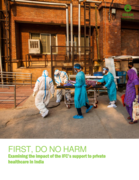
This report examines the support to private healthcare provision in India by the World Bank’s private sector arm, the International Finance Corporation (IFC). Despite supporting private healthcare in the country since 1997, no healthcare results for lending and investments have been disclosed sinc
...
e the start of these operations over twenty-five years ago. The IFC has overwhelmingly invested in high-end urban hospitals which are out of reach for the majority of Indians. Several have consistently failed to provide free healthcare to poor patients despite this being a condition under which free or subsidized public land was allotted to these hospitals. Supporting private healthcare in a context where 37% of Indians experience catastrophic health expenditures in private hospitals appears to run counter to the World Bank Group’s focus on poverty reduction. These investments do not contribute to the building of stronger healthcare infrastructure or respond to unmet healthcare needs. Only 14% of IFC-financed hospitals are located in the 10 states ranked lowest in terms of the overall performance of the health system. Furthermore, we found many instances where regulators upheld complaints pertaining to violations of patients’ rights by these hospitals including overcharging, denial of healthcare, price rigging, financial conflict of interest and medical negligence.
more

The Global Aids Strategy 2026-2031
recommended
United- Towards Ending AIDS. The Global AIDS Strategy 2026-2031 focuses global efforts for the future of the AIDS response to end AIDS as a public health threat by 2030 and sustain the HIV response after 2030. This is a strategy uniting the world.
...
The Strategy will shape the June 2026 United Nations General Assembly High-Level Meeting on Ending AIDS and its political declaration. It provides all actors in the field with guidance to overcome the challenges and to ensure effective country-led AIDS responses. The Global AIDS Strategy 2026-2031 includes new global targets for 2030 and resource needs estimates.
more

While many of the countries hit by the COVID-19 in the first few months of the year are now beginning to relax lockdown measures as infection and death rates fall, in the regions most affected by HIV, TB and malaria, such as Africa, South Asia and Latin America, the pandemic continues to accelerate.
...
In lower resource settings, lockdowns are less effective and hard to sustain, and clinical care facilities are extremely limited. In such environments, the response to COVID-19 must focus on containing the pandemic’s spread as far as possible through testing, contact tracing and isolation, protecting the health workforce through training and the provision of personal protective equipment (PPE) and minimizing the knock-on impact on other diseases through shoring up fragile health systems, and adapting existing disease programs.
more
Since the discovery of insulin nearly 100 years ago, advances in diabetes treatments and therapies have transformed the lives of people
with diabetes (PwD), notably reducing the daily burden of its management.
Newer technologies, including those driven by artificial intelligence, have the potentia
...
l to further improve the quality of life of PwD and help
identify and diagnose people at risk of developing Type 2 diabetes and diabetes-related complications early. However, medical and technological advances alone are not enough to fix the diabetes challenge. It is also critical to acknowledge the complexity and the seriousness of diabetes, its impact on the quality of life and well-being of over 32 million PwD in the EU and the financial burden it represents for health systems and society at large.
more

The objectives of the research presented in this report were to identify case studies of community-led HIV-related health and social inclusion service delivery organizations in eastern and southern Africa; describe the typologies of the services pro
...
vided; and identify evidence of their service delivery and contribution beyond HIV, including advancing universal health coverage.
more
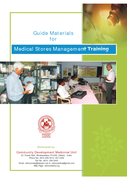
Drugs and medical supplies are dispensed at the cutting edge level of the interface between the public health system and the people. Availability or lack of it brings either credit or discredit to the public
...
health system. The primary reason for holding stocks of medicines and medical supplies in a proper scientific manner is to ensure continuous and uninterrupted availability to prevent stock-outs, especially of critical items of supply while at the same time ensuring that stocks of medicines do not get expired. An efficient inventory management is a pre-requisite for optimal stock management. It enables the management of health facilities to know the current pattern of consumption of drug trends over a period of time and also variances. The environmental control of the drugs and other medical supplies play an important role to keep the products' efficacy intact. Some medicines and vaccines need special storage temperature, otherwise, there may be wastage. The quality of the medicines can be adversely affected by poor storage, transportation and distribution. Thus, maintaining proper storage condition for health commodities is vital for ensuring their quality. So, by this training, CDMU wants to educate different people dealing with medicines and equip them for the roles they have to perform efficiently so that the wastage does not take place or can be minimized.
more
Education is UNESCO’s top priority because
it is a basic human right and the foundation
on which to build peace and drive sustainable
development. UNESCO is the United Nations’
specialized agency for education and the
Education Sector provi
...
des global and
regional leadership in education, strengthens
national education systems and responds
to contemporary global challenges through
education with a special focus on gender
equality and Africa.
more
This guidebook for people in school settings is intended to offer strategies for use and adaptation with children and families to re-establish routines of hygiene with basic access to water and sanitation services through an approach that visibly shows that the school is WASHfriendly, inclusive - so
...
that all children, including those with disabilities have "ownership of the information and activities", and sustainable, repeating messages "over time to encourage lasting behaviour change"
more
This guidance highlights tangible, evidence-based priority actions in health and WASH programs to achieve the Global Targets for nutrition. Throughout the guidance the importance of cross-sectoral collaboration within and outside the Red Cross Red C
...
rescent Movement to holistically address nutrition is emphasised.
more
This report is from the National study on living conditions among people
with disabilities carried out in Nepal in 2014-2015. The study was carried
out as a household survey with two-stage stratified sampling, including a screening/listing procedure using the Washington Group on Disability
Statis
...
tics 6 questions, one Household questionnaire administered to
households with (Case HHs) and without disabled members (Control
HHs), one Individual Case questionnaire administered to individuals who were found to qualify as being disabled in the screening (Case
individuals), and an Individual Control questionnaire administered to
matched non-disabled individuals in the Control HHs (Control individuals). The study covers a range of indicators on level of living, such as socioeconomic indicators, economic activity, income, ownership and infrastructure, health (including reproductive health), access to health information, access to services, education, access to information, social participation, and exposure to discrimination and abuse (see all
questionnaires in Appendix).
more
The volume presents data on the surgical burden of disease, disability, congenital anomalies, and trauma, along with health impact and economic analyses of procedures, platforms, and packages to improve care in settings with severe budget limitation
...
s. Essential Surgery identifies 44 surgical procedures that meet the following criteria: they address substantial needs, are cost effective, and are feasible to implement in low- and middle-income countries. If made universally available, the provision of these 44 procedures would avert 1.5 million deaths a year and rank among the most cost effective of all health interventions.
Entire Volume large file: 19 MB!!!
more
Infectious diseases are the leading cause of death globally, particularly among children and young adults. The spread of new pathogens and the threat of antimicrobial resistance pose particular challenges in combating these diseases. Major Infectious Diseases identifies feasible, cost-effective pack
...
ages of interventions and strategies across delivery platforms to prevent and treat HIV/AIDS, other sexually transmitted infections, tuberculosis, malaria, adult febrile illness, viral hepatitis, and neglected tropical diseases. The volume emphasizes the need to effectively address emerging antimicrobial resistance, strengthen health systems, and increase access to care. The attainable goals are to reduce incidence, develop innovative approaches, and optimize existing tools in resource-constrained settings.
Large File: 136 MB!!!!! Please download from the website link!
more

The key question addressed in this article is social inclusion, as an opposite concept of social exclusion. The author provides a historical of social inclusion/exclusion terminology. Further, some of the principles of social inclusion are presented. In the end, the article focuses on the role of ed
...
ucation as a very important and useful tool for ensuring social inclusion.Social inclusion through education, in particular through vocational education, considered by the author as the only way towards sustainable development of Albanian society.
more
This document provides a systematic approach in developing a coordinated, standardized, reliable, efficient, cost-effective, and sustainable specimen transport and referral system to support IVHD and VL testing networks. This document provides techn
...
ical and programmatic recommendations on the appropriate specimen storage and transportation of specimens for HIV VL and IVHD testing. Along with the national guidelines for specimen storage and transport, these standards should provide guidance on the creation or improvement of specimen referral networks and specimen transport systems. In addition, standard operating procedures (SOPs) targeting drivers and persons responsible for packing of specimens and results return are included in this document.
No publication year indicated in the document. more
No publication year indicated in the document. more
Sectors in which Priority Adaptation Projects should be implemented first include:
- 1) Agriculture, Early Warning Systems and Forest (First Priority Level Sectors). This is followed by:
- 2) Public Health and Water Resources (Second Pri ... ority Level Sectors);
- 3) Coastal Zone (Third Priority Level Sector); and
- 4) Energy and Industry, and Biodiversity (Fourth Priority Level Sectors). more
- 1) Agriculture, Early Warning Systems and Forest (First Priority Level Sectors). This is followed by:
- 2) Public Health and Water Resources (Second Pri ... ority Level Sectors);
- 3) Coastal Zone (Third Priority Level Sector); and
- 4) Energy and Industry, and Biodiversity (Fourth Priority Level Sectors). more

Maternal, Infant and Young Child Nutrition Strategic Actions:
1 Endorse and disseminate key policies and regulations
2 Improve maternal nutrition
3 Protect, promote, and support optimal infant and young child feeding practices
4 Support optimal infant and young child feeding in ... difficult circumstances
5 Ensure intra-sectoral integration (Health and Nutrition)
6 Improve intersectoral integration (food security and livelihood, WASH, protection, education and shelter)
7 Support capacity building and service strengthening
8 Initiate advocacy and social behavioural change communication
9 Sustain research, information, monitoring and evaluation
10 Mobilise resources and support more
1 Endorse and disseminate key policies and regulations
2 Improve maternal nutrition
3 Protect, promote, and support optimal infant and young child feeding practices
4 Support optimal infant and young child feeding in ... difficult circumstances
5 Ensure intra-sectoral integration (Health and Nutrition)
6 Improve intersectoral integration (food security and livelihood, WASH, protection, education and shelter)
7 Support capacity building and service strengthening
8 Initiate advocacy and social behavioural change communication
9 Sustain research, information, monitoring and evaluation
10 Mobilise resources and support more
Following the declaration of the 9th Ebola Disease Outbreak (EVD) on 8 May 2018 by the Democratic Republic of Congo (DRC) Ministry of Health, the WHO has raised the alert for neighbouring countries of the Democratic Republic of the Congo (DRC) which
...
share extensive borders, hosting DRC refugees and are used as corridors for DRC population movement. On 1 August 2018, just one week after the declaration of the end of the Ebola outbreak in Equator province, the 10th Ebola epidemic of the DRC was declared in the provinces of North Kivu and Ituri, which are among the most populated provinces in the DRC that also share borders with Uganda and Rwanda.
more
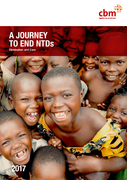
LEAVING NO-ONE BEHIND | “A Journey to End NTDs – Elimination and Care” records what we have achieved over the last year and where we are now. It presents our plan of action for the coming years, bringing our ‘traditional’ NTD work together with ‘Disease Management Disability and Inclusio
...
n’ (DMDI), Community Based Inclusive Development (CBID) and Livelihoods. We care for those affected and we’re working to enhance community and government ownership through national
health system strengthening, community engagement and cross-sectoral action. Ultimately, we are working to free future generations from these menacing diseases, improving prevention and treatment, without forgetting those for whom prevention and treatment are too late because they already have a disability.
more

GMS Zeitschrift für MedizinischeAusbildung 2015, Vol. 32(5),ISSN 1860-3572
Internationalizing higher education is considered to be a major goal for universities in Germany and many medical students aspire to include international experiences into their academic training. However, the exact meani
...
ng of “internationalizing” medical education is still poorly defined, just as is the possible pedagogic impact and effects. Against this background, this article presents the special track curriculum on global health (in German: Schwerpunktcurriculum Global Health, short: SPC) at Justus Liebig University Giessen, which was established in 2011 as a comprehensive teaching program to integrate international perspectives and activities systematically into the clinical years of the medical curriculum
more
