
Filter
4317
Text search:
Sanitation
Featured
409
1402
Language
4031
179
110
79
57
52
27
15
14
9
9
8
7
7
6
6
6
5
5
5
5
5
4
4
4
4
3
3
3
2
2
2
2
2
2
2
1
1
1
1
1
1
1
1
1
1
1
Document type
2245
753
486
235
233
126
76
75
39
20
10
9
7
2
Countries
226
184
178
176
112
106
104
96
92
88
77
77
69
68
60
60
58
58
57
56
56
55
53
45
40
38
38
35
35
30
30
29
29
28
28
26
24
23
22
20
18
18
17
17
17
16
16
15
15
14
14
14
14
12
11
11
11
10
10
9
9
9
9
9
8
8
7
7
7
7
6
6
6
6
5
5
5
5
5
4
4
4
4
4
4
3
3
3
3
3
3
3
3
3
3
3
2
2
2
2
2
2
2
2
2
2
2
2
2
2
2
2
2
1
1
1
1
1
1
1
1
1
1
1
1
1
1
1
1
1
1
Authors & Publishers
481
155
128
109
100
94
93
61
50
43
41
33
32
26
26
26
24
24
24
23
23
23
23
22
21
21
20
18
17
17
15
14
14
14
14
14
13
13
13
13
12
12
12
12
12
11
11
11
11
11
11
11
10
10
10
9
9
9
9
9
9
9
9
8
8
8
8
8
8
8
8
8
8
8
8
8
7
7
7
7
7
7
7
7
7
7
7
7
7
7
7
7
7
7
7
7
7
6
6
6
6
6
6
6
6
6
6
6
6
6
6
6
6
6
6
6
6
6
6
6
6
5
5
5
5
5
5
5
5
5
5
5
5
5
5
5
5
5
5
5
5
5
5
5
5
5
5
5
4
4
4
4
4
4
4
4
4
4
4
4
4
4
4
4
4
4
4
4
4
4
4
4
4
4
4
4
4
4
4
4
4
4
4
4
4
4
4
4
4
4
4
4
4
4
4
4
4
4
3
3
3
3
3
3
3
3
3
3
3
3
3
3
3
3
3
3
3
3
3
3
3
3
3
3
3
3
3
3
3
3
3
3
3
3
3
3
3
3
3
3
3
3
3
3
3
3
3
3
3
3
3
3
3
3
3
3
3
3
3
3
3
3
3
3
3
3
3
3
3
3
3
3
3
3
3
3
3
3
3
3
3
3
3
3
3
3
3
3
3
3
3
3
2
2
2
2
2
2
2
2
2
2
2
2
2
2
2
2
2
2
2
2
2
2
2
2
2
2
2
2
2
2
2
2
2
2
2
2
2
2
2
2
2
2
2
2
2
2
2
2
2
2
2
2
2
2
2
2
2
2
2
2
2
2
2
2
2
2
2
2
2
2
2
2
2
2
2
2
2
2
2
2
2
2
2
2
2
2
2
2
2
2
2
2
2
2
2
2
2
2
2
2
2
2
2
2
2
2
2
2
2
2
2
2
2
2
2
2
2
2
2
2
2
2
2
2
2
2
2
2
2
2
2
2
2
2
2
2
2
2
2
2
2
2
2
2
2
2
2
2
2
2
2
2
2
2
2
2
2
2
2
2
2
2
2
2
2
2
2
2
2
2
2
2
2
2
2
2
2
2
2
2
2
2
2
2
2
2
2
2
2
2
2
2
2
2
2
2
2
2
2
2
2
2
2
2
2
2
2
2
2
2
2
2
2
2
2
2
2
2
2
2
2
2
2
1
1
1
1
1
1
1
1
1
1
1
1
1
1
1
1
1
1
1
1
1
1
1
1
1
1
1
1
1
1
1
1
1
1
1
1
1
1
1
1
1
1
1
1
1
1
1
1
1
1
1
1
1
1
1
1
1
1
1
1
1
1
1
1
1
1
1
1
1
1
1
1
1
1
1
1
1
1
1
1
1
1
1
1
1
1
1
1
1
1
1
1
1
1
1
1
1
1
1
1
1
1
1
1
1
1
1
1
1
1
1
1
1
1
1
1
1
1
1
1
1
1
1
1
1
1
1
1
1
1
1
1
1
1
1
1
1
1
1
1
1
1
1
1
1
1
1
1
1
1
1
1
1
1
1
1
1
1
1
1
1
1
1
1
1
1
1
1
1
1
1
1
1
1
1
1
1
1
1
1
1
1
1
1
1
1
1
1
1
1
1
1
1
1
1
1
1
1
1
1
1
1
1
1
1
1
1
1
1
1
1
1
1
1
1
1
1
1
1
1
1
1
1
1
1
1
1
1
1
1
1
1
1
1
1
1
1
1
1
1
1
1
1
1
1
1
1
1
1
1
1
1
1
1
1
1
1
1
1
1
1
1
1
1
1
1
1
1
1
1
1
1
1
1
1
1
1
1
1
1
1
1
1
1
1
1
1
1
1
1
1
1
1
1
1
1
1
1
1
1
1
1
1
1
1
1
1
1
1
1
1
1
1
1
1
1
1
1
1
1
1
1
1
1
1
1
1
1
1
1
1
1
1
1
1
1
1
1
1
1
1
1
1
1
1
1
1
1
1
1
1
1
1
1
1
1
1
1
1
1
1
1
1
1
1
1
1
1
1
1
1
1
1
1
1
1
1
1
1
1
1
1
1
1
1
1
1
1
1
1
1
1
1
1
1
1
1
1
1
1
1
1
1
1
1
1
1
1
1
1
1
1
1
1
1
1
1
1
1
1
1
1
1
1
1
1
1
1
1
1
1
1
1
1
1
1
1
1
1
1
1
1
1
1
1
1
1
1
1
1
1
1
1
1
1
1
1
1
1
1
1
1
1
1
1
1
1
1
1
1
1
1
1
1
1
1
1
1
1
1
1
1
1
1
1
1
1
1
1
1
1
1
1
1
1
1
1
1
1
1
1
1
1
1
1
1
1
1
1
1
1
1
1
1
1
1
1
1
1
1
1
1
1
1
1
1
1
1
1
1
1
1
1
1
1
1
1
1
1
1
1
1
1
1
1
1
1
1
1
1
1
1
1
1
1
1
1
1
1
1
1
1
1
1
1
1
1
1
1
1
1
1
1
1
1
1
1
1
1
1
1
1
1
1
1
1
1
1
1
1
1
1
1
1
1
1
1
1
1
1
1
1
1
1
1
1
1
1
1
1
1
1
1
1
1
1
1
1
1
1
1
1
1
1
1
1
1
1
1
1
1
1
1
1
1
1
1
1
1
1
1
1
1
1
1
1
1
1
1
1
1
1
1
1
1
1
1
1
1
1
1
1
1
1
1
1
1
1
1
1
1
1
1
1
1
1
1
1
1
1
1
1
1
1
1
1
1
1
1
1
1
1
1
1
1
1
1
1
1
1
1
1
1
1
1
1
1
1
1
1
1
1
1
1
1
1
1
1
1
1
1
1
1
1
1
1
1
1
1
1
1
1
1
1
1
1
1
1
1
1
1
1
1
1
1
1
1
1
1
1
1
1
1
1
1
1
1
1
1
1
1
1
1
1
1
1
1
1
1
1
1
1
1
1
1
1
1
1
1
1
1
1
1
1
1
1
1
1
1
1
1
1
1
1
1
1
1
1
1
1
1
1
1
1
1
1
1
1
1
1
1
1
1
1
1
1
1
1
1
1
1
1
1
1
1
1
1
1
1
1
1
1
1
1
1
1
1
1
1
1
1
1
1
1
1
1
1
1
1
1
1
1
1
1
1
1
1
1
1
1
1
1
1
1
1
1
1
1
1
1
1
1
1
1
1
1
1
1
1
1
1
1
1
1
1
1
1
1
1
1
1
1
1
1
1
1
1
1
1
1
1
1
1
1
1
1
1
1
1
1
1
1
1
1
1
1
1
1
1
1
1
1
1
1
1
1
1
1
1
1
1
1
1
1
1
1
1
1
1
1
1
1
1
1
1
1
1
1
1
1
1
1
1
1
1
1
1
1
1
1
1
1
1
1
1
1
1
1
1
1
1
1
1
1
1
1
1
1
1
1
1
1
1
1
1
1
1
1
1
1
1
1
1
1
1
1
1
1
1
1
1
1
1
1
1
1
1
1
1
1
1
1
1
1
1
1
1
1
1
1
1
1
1
1
1
1
1
1
1
1
1
1
1
1
1
1
1
1
1
1
1
1
1
1
1
1
1
1
1
1
1
1
1
1
1
1
1
1
1
1
1
1
1
1
1
1
1
1
1
1
1
1
1
1
1
1
1
1
1
1
1
1
1
1
1
1
1
1
1
1
1
1
1
1
1
1
1
1
1
1
1
1
1
1
1
1
1
1
1
1
1
1
1
1
1
1
1
1
1
1
1
1
1
1
1
1
1
1
1
1
1
1
1
1
1
1
1
1
1
1
1
1
1
1
1
1
1
1
1
1
1
1
1
1
1
1
1
1
1
1
1
1
1
1
1
1
1
1
1
1
1
1
1
1
1
1
1
1
1
1
1
1
1
1
1
1
1
1
1
1
1
1
1
1
1
1
1
1
1
1
1
1
1
1
1
1
1
1
1
1
1
1
1
1
1
1
1
1
1
1
1
1
1
1
1
1
1
1
1
1
1
1
1
1
1
1
1
1
1
1
1
1
1
1
1
1
1
1
1
1
1
1
1
1
1
1
1
1
1
1
1
1
1
1
1
1
1
1
1
1
1
1
1
1
1
1
1
1
1
1
1
1
1
1
1
1
1
1
1
1
1
1
1
1
1
1
1
1
1
1
1
1
1
1
1
1
1
1
1
1
1
1
1
1
1
1
1
1
1
1
1
1
1
1
1
1
1
1
1
1
1
1
1
1
1
1
1
1
1
1
1
1
1
1
1
1
1
1
1
1
1
1
1
1
1
1
1
1
1
1
1
1
1
1
1
1
1
1
1
1
1
1
1
1
1
1
1
1
1
1
1
1
1
1
1
1
1
1
1
1
1
1
1
1
1
1
1
1
1
1
1
1
1
1
1
1
1
1
1
1
1
1
1
1
1
1
1
1
1
1
1
1
1
1
1
1
1
1
1
1
1
1
1
1
1
1
1
1
1
1
1
1
1
1
1
1
1
1
1
1
1
1
1
1
1
1
1
1
1
1
1
1
1
1
1
1
1
1
1
1
1
1
1
1
1
1
1
1
1
1
1
1
1
1
1
1
1
1
1
1
1
1
1
1
1
1
1
1
1
1
1
1
1
1
1
1
1
1
1
1
1
1
1
1
1
1
1
1
1
1
1
1
1
1
1
1
1
1
1
1
1
1
1
1
1
1
1
1
1
1
1
1
1
1
1
1
1
1
1
1
1
1
1
1
1
1
1
1
1
1
1
1
1
1
1
1
1
1
1
1
1
1
1
1
1
1
1
1
1
1
1
1
1
1
1
1
1
1
1
1
1
1
1
1
1
1
1
1
1
1
1
1
1
1
1
1
1
1
1
1
1
1
1
1
1
1
1
1
1
1
1
1
1
1
1
1
1
1
1
1
1
1
1
1
1
1
1
1
1
1
1
1
1
1
1
1
1
1
1
1
1
1
1
1
1
1
1
1
1
1
1
1
1
1
1
1
1
1
1
1
1
1
1
1
1
1
1
1
1
1
1
1
1
1
1
1
1
1
1
1
1
1
1
1
1
1
1
1
1
1
1
1
1
1
1
1
1
1
1
1
1
1
1
1
1
1
1
1
1
1
1
1
1
1
1
1
1
1
1
1
1
1
1
1
1
1
1
1
1
1
1
1
1
1
1
1
1
1
1
1
1
1
1
1
1
1
1
1
1
1
1
1
1
1
1
1
1
1
1
1
1
1
1
1
1
1
1
1
1
1
1
1
1
1
1
1
1
1
1
1
1
1
1
1
1
1
1
1
1
1
1
1
1
1
1
1
1
1
1
1
1
1
1
1
1
1
1
1
1
1
1
1
1
1
1
1
1
1
1
1
1
1
1
1
1
1
1
1
1
1
1
1
1
1
1
1
1
1
1
1
1
1
1
1
1
1
1
1
1
1
1
1
1
1
1
1
1
1
1
1
1
1
1
1
1
1
1
1
1
1
1
1
1
1
1
1
1
1
1
1
1
1
1
1
1
1
1
1
1
1
1
1
1
1
1
1
1
1
1
1
1
1
1
1
1
1
1
1
1
1
1
1
1
1
1
1
1
1
1
1
1
1
1
1
1
1
1
1
1
1
1
1
1
1
1
1
1
1
1
1
1
1
1
1
1
1
1
1
1
1
1
1
1
1
1
1
1
1
1
1
1
1
1
1
1
1
1
1
1
1
1
1
1
1
1
1
1
1
1
1
1
1
1
1
1
1
1
1
1
1
1
1
1
1
1
1
1
1
1
1
1
1
1
1
1
1
1
1
1
1
1
1
1
1
1
1
1
1
1
1
1
1
1
1
1
1
1
1
1
1
1
1
1
1
1
1
1
1
1
1
1
1
1
1
1
1
1
1
1
1
1
1
1
1
1
1
1
1
1
1
1
1
1
1
1
1
1
1
1
1
1
1
1
1
1
1
1
1
1
1
1
1
1
1
1
1
1
1
1
1
1
1
1
1
1
1
1
1
1
1
1
1
1
1
1
1
1
1
1
1
1
1
1
1
1
1
1
1
1
1
1
1
1
1
1
1
1
1
1
1
1
1
1
1
1
1
1
1
1
1
1
1
1
1
1
1
1
1
1
1
1
1
1
1
1
1
1
1
1
1
1
1
1
1
1
1
1
1
1
1
1
1
1
1
1
1
1
1
1
1
1
1
1
1
1
1
1
1
1
1
1
1
1
1
1
1
1
1
1
1
1
1
1
1
1
1
1
1
1
1
1
1
1
1
1
1
1
1
1
1
1
1
1
1
1
1
1
1
1
1
1
1
1
1
1
1
1
1
1
1
1
1
1
1
1
1
1
1
1
1
1
1
1
1
1
1
1
1
1
1
1
1
1
1
1
1
1
1
1
1
1
1
1
1
1
1
1
1
1
1
1
1
1
1
1
1
1
1
1
1
1
1
1
1
1
1
1
1
1
1
1
1
1
1
1
1
1
1
1
1
1
1
1
1
1
1
1
1
1
1
1
1
1
1
1
1
1
1
1
1
1
1
1
1
1
1
1
1
1
1
1
1
1
1
1
1
1
1
1
1
1
1
1
1
1
1
1
1
1
1
1
1
1
1
1
1
1
1
1
1
1
1
1
1
1
1
1
1
1
1
1
1
1
1
1
1
1
1
1
1
1
1
1
1
1
1
1
1
1
1
1
1
1
1
1
1
1
1
1
1
1
Publication Years
1362
2592
340
20
3
Category
1910
536
193
182
152
90
13
1
Toolboxes
404
247
226
216
170
169
159
156
136
123
105
105
103
94
70
40
36
34
27
26
22
21
19
13
13
7
2
The document outlines comprehensive guidelines for managing cholera outbreaks in South Africa, focusing on prevention, diagnosis, treatment, and public health measures. It emphasizes the importance of rehydration therapy, sanitation, clean water acc
...
ess, and community involvement to control the spread of the disease. It also provides protocols for handling outbreaks, including case identification, laboratory confirmation, and multi-sectoral coordination to reduce morbidity and mortality rates.
more
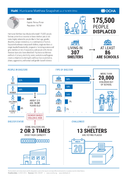
Hurricane Matthew has displaced around 175,500 people. Serious protection concerns in these shelters put at risk some highly vulnerable people due to their age, gender, disability, sexual orientation, or a combination of factors. Separated and unaccompanied children, single mothers or single-headed
...
households, pregnant or lactating women and girls, families at risk of separation, and people with chronic illnesses have also been identified. Psychosocial distress and lack of privacy, electricity, water, sanitation and hygiene create a situation in which girls and boys face exploitation, abuse, aggression, and sexual and gender based violence.
more
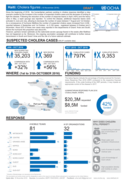
This document summarizes Haiti's cholera situation as of November 16, 2016. Between January and October 2016, Haiti reported 35,203 new suspected cholera cases (32% increase from 2015) and 369 deaths (56% increase). After Hurricane Matthew, cases rose dramatically, with 52% of new cases concentrated
...
in Grand'Anse and South departments. Since the 2010 outbreak began, Haiti had experienced 797,000 total cases and 9,353 deaths. The report identifies key factors contributing to cholera persistence: weak water and sanitation infrastructure, limited healthcare access, underfunding, population density, and mobility. Despite concerning trends, humanitarian partners were cautiously optimistic as a feared nationwide outbreak following Hurricane Matthew had not materialized, and a vaccination campaign was underway. However, the cholera response was significantly underfunded, with only 42% of requested funds received.
more
This 3 minutes and 24 second animation describes Dengue transmission, infection and the different symptoms associated with this disease. Also, the animation gives additional information about the habits of this mosquito. This video illustrates several important preventative measures, both inside the
...
house and the environmental sanitation around the house, to avoid being bitten by the mosquitoes. Let's all work together to stop the spread of dengue!
more
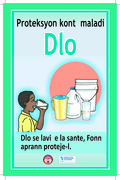
The document "Proteksyon Maladi" focuses on preventing waterborne and hygiene-related diseases through practical measures. It emphasizes the importance of personal hygiene, including washing hands with soap and clean water before eating, after using the toilet, and during food preparation. Maintaini
...
ng personal cleanliness is highlighted as a key step in preventing the spread of diseases.
Water safety is another critical focus, with recommendations to use treated or boiled water for drinking and cooking and to store water in clean, covered containers to prevent contamination. The document also addresses sanitation, encouraging the construction and maintenance of latrines to eliminate open defecation and promoting proper waste disposal to protect the environment and water sources.
Overall, the document serves as an educational resource, providing simple and effective strategies for communities to reduce the risk of diseases and improve public health through better hygiene, sanitation, and water safety practices.
more
On 19 August 2016, the former UN Secretary-General announced a new approach to cholera in Haiti, consisting of two tracks. Track 1 focuses on reducing cholera transmission, improving access to care, and addressing water, sanitation, and health syste
...
m issues. Track 2 aims to provide material assistance to those most affected by cholera. The Secretary-General urged Member States to show solidarity with Haiti by increasing contributions. The UN General Assembly, in resolution 71/161, recognized the UN's moral responsibility to cholera victims and called for support to eliminate cholera and address its victims' suffering. The Secretary-General was requested to provide an update on the progress of this approach.
more
This version of the Sphere training pack was developed by the Sphere community to strengthen the capacity of humanitarian staff working in and around Syria. It seeks to help them professionalise and improve the effectiveness, quality and accountability of the response.
The training package includes
...
the following modules:
What is Sphere?; The Humanitarian Charter; Protection Principles; The Core Humanitarian Standard (which replaces the six Core Standards of the 2011 edition of the Sphere Handbook); Sessions on each sectoral chapter of the Sphere Handbook (Water supply, sanitation and hygiene promotion; Food security and nutrition; Health action; Shelter, settlement and non-food items)
Please download directly from the webiste 50 MB!!!
more
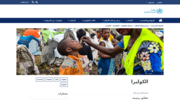
The World Health Organization's cholera fact sheet provides essential information about cholera, an acute diarrheal infection caused by ingesting food or water contaminated with Vibrio cholerae bacteria. The disease remains a global public health threat, particularly in areas lacking safe water and
...
adequate sanitation. While many infected individuals exhibit mild or no symptoms, severe cases can lead to rapid dehydration and death if untreated. Prevention focuses on ensuring access to clean water, proper sanitation, and hygiene practices. Effective treatment primarily involves prompt administration of oral rehydration solutions. The fact sheet also highlights the importance of surveillance, preparedness, and response strategies to control outbreaks.
more
This article describes WHO's efforts to combat a cholera outbreak in South Sudan in July 2017. The organization received 500,000 doses of oral cholera vaccine (OCV) and was working with South Sudan's Ministry of Health to launch a vaccination campaign from July 28 to August 3, 2017. At the time, the
...
country had reported 17,785 cholera cases and 320 deaths since the outbreak began in June 2016. The vaccination campaign targeted four counties with high transmission rates: Tonj East, Kapoeta South, Kapoeta North, and Kapoeta East. South Sudan was implementing an integrated approach to control cholera, combining patient care, surveillance, social mobilization, water and sanitation improvements, and vaccination. The article notes that approximately 6 million people in South Sudan were facing starvation, with food insecurity and drought exacerbating the risk of cholera spread as people resorted to using contaminated water sources.
more

Hygiene Awareness Manual (Arabic) - GIZ
recommended
The "Hygiene Awareness Manual" focuses on promoting improved hygiene practices within communities, emphasizing personal and household hygiene, water safety, and environmental health. It highlights the importance of handwashing, oral hygiene, and maintaining cleanliness of the skin and clothing as ke
...
y aspects of personal and family hygiene. Specific practices such as regular bathing and wearing clean clothes are also emphasized.
For household hygiene, the manual provides guidance on safe food preparation and storage, as well as keeping living spaces, kitchens, and latrines clean to prevent contamination. It also addresses water safety, emphasizing the need to store water in clean containers, treat it for safe consumption, and dispose of wastewater properly to avoid environmental contamination.
The manual underscores the significance of balanced nutrition and food safety, offering guidelines for cooking and preserving food to reduce health risks. It also delves into disease prevention, explaining the causes and transmission of waterborne and hygiene-related diseases, such as cholera and dysentery, and outlining effective methods to prevent them through proper sanitation and hygiene.
This comprehensive guide serves as a practical resource for community health workers and households, aiming to foster better hygiene practices, prevent diseases, and enhance overall health and well-being.
more
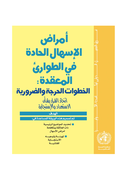
The document provides essential guidelines for preventing and managing acute diarrhoeal diseases, particularly in complex emergency situations such as conflicts, natural disasters, or health crises. It highlights the importance of access to safe drinking water,
...
sanitation, personal hygiene, and the prompt treatment of patients using oral rehydration solutions (ORS). The text also emphasizes the need for coordination between local and international actors to ensure an effective and sustainable response.
more
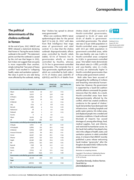
The Lancet Global Health, published online 18 August 2017;
http://dx.doi.org/10.1016/S2214-109X(17)30332-7
The article "The Political Determinants of the Cholera Outbreak in Yemen" examines how the ongoing civil war has contributed to Yemen’s severe cholera outbreak. The 2017 epidemic was des
...
cribed as the worst in the world, with cholera spreading rapidly due to the collapse of health, water, and sanitation systems.
The analysis shows that Houthi-controlled areas were disproportionately affected, accounting for 77.7% of cases and 80.7% of deaths. The article highlights the role of the Saudi-led coalition in worsening conditions through airstrikes on infrastructure, blockades restricting medical and food supplies, and the overall humanitarian crisis. It criticizes UNICEF for accepting a $67 million donation from Saudi Arabia while the coalition contributed to the crisis.
The article underscores that political actions and conflict have been key factors in the outbreak’s severity, with both warring sides failing to protect civilians.
more

WHO supports Zambia in vaccinating 1 million people in Lusaka against cholera to combat an outbreak that began in October 2017, causing 2,672 cases and 63 deaths. Two million vaccine doses were provided by Gavi. WHO and the Zambia National Public Health Institute are improving water access,
...
sanitation, and hygiene education while training medical staff. Another 1 million people in high-risk areas will be vaccinated later.
more
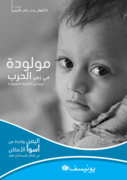
According to the report:
More than 5,000 children have been killed or injured in the violence – an average of five children every day since March 2015.
More than 11 million children now need humanitarian assistance – nearly every child in Yemen.
More than half of the country’s
...
children don’t have access to safe drinking water or adequate sanitation.
An estimated 1.8 million children are acutely malnourished, including nearly 400,000 severe acutely malnourished children who are fighting for their lives.
Nearly 2 million children are out of school, including almost half a million who dropped out since the conflict escalated in March 2015.
Suspected cholera and acute watery diarrhea have affected over 1 million people, with children under 5 years old accounting for a quarter of all cases.
more
The substantial burden of death and disability that results from interpersonal violence, road traffic injuries, unintentional injuries, occupational health risks, air pollution, climate change, and inadequate water and sanitation falls disproportion
...
ally on low- and middle-income countries. Injury Prevention and Environmental Health addresses the risk factors and presents updated data on the burden, as well as economic analyses of platforms and packages for delivering cost-effective and feasible interventions in these settings. The volume's contributors demonstrate that implementation of a range of prevention strategies-presented in an essential package of interventions and policies-could achieve a convergence in death and disability rates that would avert more than 7.5 million deaths a year
more
(August 28 – October 10, 2017)
A nutrition and mortality assessment using SMART methodology was applied and the survey covered 15 statistical (14 districts plus 1) domains countrywide. The main objective of the survey was to assess the current nutrition status of the population, especially ch ... ildren 6-59 months old and women of reproductive age (15-49 years of age). The survey also looked at the major contextual factors contributing to undernutrition such as infant and young child feeding (IYCF) practices; food security indicators; water, sanitation and hygiene indicators; and health situation in Sierra Leone more
A nutrition and mortality assessment using SMART methodology was applied and the survey covered 15 statistical (14 districts plus 1) domains countrywide. The main objective of the survey was to assess the current nutrition status of the population, especially ch ... ildren 6-59 months old and women of reproductive age (15-49 years of age). The survey also looked at the major contextual factors contributing to undernutrition such as infant and young child feeding (IYCF) practices; food security indicators; water, sanitation and hygiene indicators; and health situation in Sierra Leone more

Advances have been made through expanded interventions delivered through five public health approaches: innovative and intensified disease management; preventive chemotherapy; vector ecology and management; veterinary public health services; and the provision of safe water,
...
sanitation and hygiene. In 2015 alone nearly one billion people were treated for at least one disease and significant gains were achieved in relieving the symptoms and consequences of diseases for which effective tools are scarce; important reductions were achieved in the number of new cases of sleeping sickness, of visceral leishmaniasis in South-East Asia and also of Buruli ulcer.
The report also considers vector control strategies and discusses the importance of the draft WHO Global Vector Control Response 2017–2030. more
The report also considers vector control strategies and discusses the importance of the draft WHO Global Vector Control Response 2017–2030. more
Punjab Province Report: Nutrition Political Economy, Pakistan
Zaidi, Shehla; Bhutta, Zulfiqar et al.
Institute of Development Studies, Aga Khan University
(2015)
C1
In this report a nutrition governance framework was applied to research and analyse the provincial experience with nutrition policy in Pakistan, looking both at chronic and acute malnutrition. Twenty-one in-depth interviews with key stakeholders were also conducted along with a review of published a
...
nd grey literature. Findings were validated and supplemented by consultative provincial roundtable meetings. Punjab’s nutritional puzzle is that it has high levels of chronic malnutrition and micro-nutrient deficiencies despite a surplus production of food and a low poverty level. Under-nutrition is mainly linked to insufficient attention to preventive health strategies and to a lack of connection between relevant sectors such as Education, Health, Poverty, Safe Water and Sanitation, and Food. Strategic opportunities are recommended which include cross-party political support and ownership for nutrition, with steering by executive leadership; multi-sectoral action and functional integration of various departments and programmes with the creation of a central convening structure for effective cross-sectoral coordination; broadening of nutritional activities beyond salt iodization and vitamin A coverage; central co-ordination of monitoring and evaluation and effective partnerships between the state and non-state sector around data production, awareness, advocacy, and monitoring.
more

Ethiopia met the MDG target for drinking water access with a unique and high degree of success. The magnitude of the country’s success in providing improved drinking water to nearly half of its population in 25 years despite its diversity, size, and challenges cannot be overstated. This case study
...
documents the progress of the Ethiopian WASH sector from 1990 to 2015, and analyzes the impact of local systems created in Ethiopia to respond to water and sanitation challenges.
more

Nationally, Senegal met the MDG target for water supply access. It did this by engaging the public and private sectors to effectively invest and report on investments. It focused on larger population centers, less on remote regions of the country. Its achievements set the stage for more equitable an
...
d widespread service provision as the country now works to achieve the SDGs, requiring sustainable management of universal access. This case study documents the progression of the sector between 1990 and 2015, and analyzes the impact of local systems created in Senegal to respond to the water and sanitation challenge.
more
