
Filter
3311
Text search:
treatment
gap
Featured
Recommendations
260
New Publications
950
Language
Document type
No document type
1943
Studies & Reports
649
Guidelines
314
Strategic & Response Plan
150
Manuals
144
Fact sheets
34
Training Material
30
Situation Updates
30
Resource Platforms
9
Infographics
4
Brochures
3
Online Courses
1
Countries / Regions
Global
170
India
141
Kenya
111
Ethiopia
89
Uganda
87
Nigeria
78
Sierra Leone
76
South Africa
72
Africa
68
Western and Central Europe
66
Nepal
64
Myanmar / Burma
64
Liberia
63
Zambia
63
Malawi
58
Rwanda
53
Bangladesh
51
Latin America and the Carribbean
49
Tanzania
48
Ghana
43
Syria
43
Namibia
38
Ukraine
36
Eastern Europe
29
Zimbabwe
28
South Sudan
28
Lesotho
28
Asia
25
Indonesia
23
Guinea
22
Mozambique
22
South–East Asia Region
22
Senegal
20
Congo, Democratic Republic of
20
Haiti
20
Cambodia
20
Philippines
18
East and Southern Africa
16
Botswana
15
Russia
15
Sudan
13
Eswatini/ Swaziland
12
Burkina Faso
11
Lebanon
11
Yemen
11
Pakistan
10
Eastern Europe and Central Asia
10
Cameroon
9
Jordan
8
Brazil
8
Colombia
8
Venezuela
8
Georgia
8
Germany
7
Iraq
6
Thailand
6
Central African Republic
6
West and Central Africa
6
Middle East and North Africa
6
Tajikistan
6
Afghanistan
5
Turkey
5
China
5
Somalia
4
Argentina
4
Madagascar
4
Sri Lanka
4
Western Pacific Region
4
Paraguay
4
Albania
4
Kyrgyzstan
4
Jamaica
4
Mali
3
Peru
3
North Macedonia
3
Angola
3
Armenia
3
Laos
3
Timor Leste/ East Timor
3
Iran
3
Vietnam
3
Turkmenistan
3
United Kingdom
3
Portugal
3
Morocco
2
Egypt
2
Papua New Guinea
2
Hungary
2
Burundi
2
Ecuador
2
Bolivia
2
Greece
2
Libya
2
Mexico
2
Chile
2
Poland
2
Southern Africa
2
Canada
2
Estonia
2
Kazakhstan
2
North America
2
Spain
2
Belarus
2
Guinea-Bissau
1
Côte d’Ivoire / Ivory Coast
1
Saudi Arabia
1
Niger
1
Chad
1
Gambia
1
Malaysia
1
Ireland
1
Singapore
1
Benin
1
Switzerland
1
Serbia
1
Croatia
1
Nicaragua
1
Other region
1
Bhutan
1
Italy
1
Bulgaria
1
Romania
1
Moldova
1
Japan
1
Belgium
1
France
1
Maldives
1
Mauritius
1
Tunisia
1
Norway
1
Azerbaijan
1
French Guyana
1
Bosnia and Herzegovina
1
Authors & Publishers
Publication Years
Category
Countries
1335
Clinical Guidelines
177
Public Health
167
Key Resources
161
Women & Child Health
145
Capacity Building
35
Pharmacy & Technologies
24
Annual Report MEDBOX
1
Toolboxes
HIV
358
Mental Health
321
TB
204
COVID-19
149
AMR
119
Disability
118
Conflict
104
NTDs
97
Planetary Health
73
Ebola & Marburg
67
Caregiver
65
Global Health Education
62
Health Financing Toolbox
62
NCDs
62
Refugee
42
Natural Hazards
39
Pharmacy
34
Malaria
27
2.0 Rapid Response
26
Rapid Response
23
Cholera
16
Polio
9
Social Ethics
9
Zika
7
Specific Hazards
4
South Sudan
1
Typhoon
1

Africa’s health sector is facing an unprecedented financing crisis, driven by a sharp decline of 70% in Official Development Assistance (ODA) from 2021 to 2025 and deep-rooted structural vulnerabilities. This collapse is placing immense pressure on Africa’s already fragile health systems as ODA
...

Achieving financial risk protection for the whole population requires significant financing for health. Health systems in low- and middle-income countries (LMIC) are plagued with persistent underfunding, and recent reductions in official development assistance have been registered. To create fiscal
...

Zambia is facing a severe economic crisis marked by high inflation, increasing poverty and a heavy debt burden that is straining both its fiscal stability and progress in health outcomes. By 2020, the country's external debt reached United States dollars (USD) 12.7 billion, representing 108% of the
...

The Council was established in late 2020 by Dr Tedros Adhanom
Ghebreyesus (Director-General, WHO) to provide new economic thinking – reassessing how health and wellbeing are valued, produced and distributed across the economy. An all-female group of 10 distinguished economists and area experts, t
...

There has never been a more critical moment to invest in WHO, and strengthen the unique role it plays in global health. Now is the time to sustainably finance WHO and invest in a healthy return for all.

The Malaria Ministerial Conference, co-hosted by WHO and the Government of Cameroon on 6 March 2024, brought together more than 400 stakeholders, including Ministers of Health and senior representatives from the African countries hardest hit by malaria, global health leaders, scientists, civil socie
...

Early Identification and Early Intervention Services for Young Children with Developmental Delays and Disabilities in Namibia Republic of Namibia Namibia
Regional Consultations Report

Namibia has, for many years, had a strong legislative and policy framework for the protection of children. These policies and laws have been developed through the combined expertise of those working in the field of child protection who have ensured Namibia has a robust legal framework that is in li
...

This publication provides a problem analysis of the U.S. cuts in global health and derives concrete recommendations for action for medical actors. The focus is on analyzing the direct effects on health-specific development cooperation.

El propósito de esta guía es brindar orientaciones clínicas actualizadas en TB/VIH con énfasis en aspectos de diagnóstico, incluidas nuevas técnicas, así como de tratamiento vigente, sin perder de vista un enfoque de salud pública. Al recopilar y consolidar en una sola guía las últimas rec
...
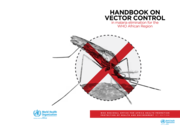
Vector control, alongside case management, remains the most effective approach to controlling and eliminating malaria. Key interventions, such as indoor residual spraying (IRS) and long-lasting insecticidal nets (LLINs), have significantly reduced malaria transmission in many African countries. This
...

Access to safe, effective and quality-assured health products and technologies is crucial for achieving universal health coverage and primary health care goals. The continued growth of the aging population; increasing burden of noncommunicable diseases; growing burden of mental health issues; climat
...

This document on logistics management information systems (LMIS) was developed to address the increasing need for harmonization and standardization of core indicators for managing medicines and health products for neglected tropical diseases (NTDs) at country level (i.e. for last-mile logistics). It
...

Breastfeeding is a cornerstone of healthy infant nutrition, development and survival. It is critical for countries* to improve breastfeeding rates in order to achieve global targets for newborn and child health and survival, as well as economic growth and environmental sustainability

Early Adolescent Skills for Emotions (EASE) is an evidence-based group psychological intervention to help 10–15-year-olds affected by internalizing problems (e.g. stress and symptoms of anxiety, depression) in communities exposed to adversity. Published by the World Health Organization (WHO) and U
...

The 2022 report reviews the global malaria diagnostics market and technological landscape to support Unitaid’s 2023–2027 strategy for quality malaria case management. The report highlights the stalled progress of malaria control efforts, the gaps in access to diagnostics and the public health im
...

To contribute to the availability of basic knowledge and skills for the provision of palliative care in
the African region, the African Palliative Care Association (APCA) has developed a competencybased core curriculum framework for use in introductory training on palliative care. The curriculum
...

In the absence of a such a measure, and building on the success of developing the APCA African
Palliative Outcome Scale (POS) for adults, the African Palliative Care Association has developed the
APCA African Children’s POS. The tool has been validated across diseases, countries, settings and
...

This Toolkit for ensuring rights-based and ethical use of digital technologies in HIV and health programmes is derived from the comprehensive UNDP Guidance on the rights-based and ethical use of digital technologies in HIV and health programmes document. The foundational UNDP Guidance document outli
...

Epidemics and pandemics are some of the biggest threats to a safe and healthy world. But with effective preparedness and response measures, we can reduce their impacts and even stop them in their tracks.
Through the Programmatic Partnership with the European Union, 24 local Red Cross and Red Cres
...
