
Filter
7737
Text search:
access
to
medical
care
Featured
755
2034
Language
7526
183
137
101
92
54
44
38
16
15
9
9
9
9
8
8
8
7
7
7
7
6
6
5
5
5
4
4
4
4
4
4
4
4
3
3
3
3
3
3
3
3
3
3
3
3
3
3
2
2
2
2
2
2
2
2
2
2
1
1
1
1
1
1
Document type
4012
1397
1083
473
322
162
146
82
21
20
8
5
1
Countries
348
335
251
206
173
170
164
162
153
149
147
130
120
120
119
115
109
105
101
100
98
91
72
67
63
56
54
51
49
48
45
45
43
43
42
42
39
39
38
36
36
33
33
32
31
30
26
26
26
23
23
22
21
21
20
19
19
18
17
17
17
16
16
15
13
12
12
11
11
10
10
9
9
9
8
7
7
7
7
6
6
6
6
6
6
5
5
5
5
5
4
4
4
4
4
4
4
4
4
4
4
4
4
3
3
3
3
3
3
3
3
3
3
3
3
3
2
2
2
2
2
2
2
2
2
2
2
2
2
2
2
2
2
2
1
1
1
1
1
1
1
1
1
1
1
1
1
1
1
1
1
1
1
1
1
Authors & Publishers
1067
309
259
197
180
120
120
114
80
63
58
54
48
47
44
36
35
34
34
34
33
32
32
31
29
29
27
26
24
24
24
23
23
23
23
22
22
22
21
21
21
20
20
20
19
19
19
19
19
19
18
18
17
17
16
16
16
16
15
15
15
15
15
15
14
14
14
14
14
13
13
13
13
13
13
13
13
12
12
12
12
12
12
12
11
11
11
11
11
11
11
10
10
10
10
10
10
10
10
10
10
10
10
10
10
10
9
9
9
9
9
9
9
9
9
9
9
8
8
8
8
8
8
8
8
8
8
8
8
8
8
8
8
8
7
7
7
7
7
7
7
7
7
7
7
7
7
7
7
7
7
6
6
6
6
6
6
6
6
6
6
6
6
6
6
6
6
6
6
6
6
6
6
6
6
6
6
6
6
6
6
6
6
6
6
6
6
6
6
6
6
6
5
5
5
5
5
5
5
5
5
5
5
5
5
5
5
5
5
5
5
5
5
5
5
5
5
5
5
5
5
5
5
5
5
5
5
5
5
5
5
5
5
5
5
5
5
4
4
4
4
4
4
4
4
4
4
4
4
4
4
4
4
4
4
4
4
4
4
4
4
4
4
4
4
4
4
4
4
4
4
4
4
4
4
4
4
4
4
4
4
4
4
4
4
4
4
4
4
4
4
4
4
4
4
4
4
4
4
4
4
4
4
4
4
4
4
4
4
4
3
3
3
3
3
3
3
3
3
3
3
3
3
3
3
3
3
3
3
3
3
3
3
3
3
3
3
3
3
3
3
3
3
3
3
3
3
3
3
3
3
3
3
3
3
3
3
3
3
3
3
3
3
3
3
3
3
3
3
3
3
3
3
3
3
3
3
3
3
3
3
3
3
3
3
3
3
3
3
3
3
3
3
3
3
3
3
3
3
3
3
3
3
3
3
3
3
3
3
3
3
3
3
3
3
3
3
3
3
3
3
3
3
3
3
3
3
3
3
3
3
3
3
3
3
3
3
3
3
2
2
2
2
2
2
2
2
2
2
2
2
2
2
2
2
2
2
2
2
2
2
2
2
2
2
2
2
2
2
2
2
2
2
2
2
2
2
2
2
2
2
2
2
2
2
2
2
2
2
2
2
2
2
2
2
2
2
2
2
2
2
2
2
2
2
2
2
2
2
2
2
2
2
2
2
2
2
2
2
2
2
2
2
2
2
2
2
2
2
2
2
2
2
2
2
2
2
2
2
2
2
2
2
2
2
2
2
2
2
2
2
2
2
2
2
2
2
2
2
2
2
2
2
2
2
2
2
2
2
2
2
2
2
2
2
2
2
2
2
2
2
2
2
2
2
2
2
2
2
2
2
2
2
2
2
2
2
2
2
2
2
2
2
2
2
2
2
2
2
2
2
2
2
2
2
2
2
2
2
2
2
2
2
2
2
2
2
2
2
2
2
2
2
2
2
2
2
2
2
2
2
2
2
2
2
2
2
2
2
2
2
2
2
2
2
2
2
2
2
2
2
2
2
2
2
2
2
2
2
2
2
2
2
2
2
2
2
2
2
2
2
2
2
2
2
2
2
2
2
2
2
2
2
2
2
2
2
2
2
2
2
2
2
2
2
2
2
2
2
2
2
2
2
2
2
2
2
2
2
2
2
2
2
2
2
2
2
2
2
2
2
2
2
2
2
2
2
2
2
2
2
2
2
2
2
2
2
2
2
2
2
2
2
2
2
2
2
2
2
2
2
2
2
2
2
2
2
2
2
2
2
2
2
2
2
2
2
2
2
2
2
2
2
2
2
2
2
2
2
2
2
2
2
2
2
2
2
2
2
2
2
2
2
2
2
2
2
2
2
2
2
2
2
2
2
2
2
2
2
2
2
2
2
2
2
2
2
2
2
2
2
1
1
1
1
1
1
1
1
1
1
1
1
1
1
1
1
1
1
1
1
1
1
1
1
1
1
1
1
1
1
1
1
1
1
1
1
1
1
1
1
1
1
1
1
1
1
1
1
1
1
1
1
1
1
1
1
1
1
1
1
1
1
1
1
1
1
1
1
1
1
1
1
1
1
1
1
1
1
1
1
1
1
1
1
1
1
1
1
1
1
1
1
1
1
1
1
1
1
1
1
1
1
1
1
1
1
1
1
1
1
1
1
1
1
1
1
1
1
1
1
1
1
1
1
1
1
1
1
1
1
1
1
1
1
1
1
1
1
1
1
1
1
1
1
1
1
1
1
1
1
1
1
1
1
1
1
1
1
1
1
1
1
1
1
1
1
1
1
1
1
1
1
1
1
1
1
1
1
1
1
1
1
1
1
1
1
1
1
1
1
1
1
1
1
1
1
1
1
1
1
1
1
1
1
1
1
1
1
1
1
1
1
1
1
1
1
1
1
1
1
1
1
1
1
1
1
1
1
1
1
1
1
1
1
1
1
1
1
1
1
1
1
1
1
1
1
1
1
1
1
1
1
1
1
1
1
1
1
1
1
1
1
1
1
1
1
1
1
1
1
1
1
1
1
1
1
1
1
1
1
1
1
1
1
1
1
1
1
1
1
1
1
1
1
1
1
1
1
1
1
1
1
1
1
1
1
1
1
1
1
1
1
1
1
1
1
1
1
1
1
1
1
1
1
1
1
1
1
1
1
1
1
1
1
1
1
1
1
1
1
1
1
1
1
1
1
1
1
1
1
1
1
1
1
1
1
1
1
1
1
1
1
1
1
1
1
1
1
1
1
1
1
1
1
1
1
1
1
1
1
1
1
1
1
1
1
1
1
1
1
1
1
1
1
1
1
1
1
1
1
1
1
1
1
1
1
1
1
1
1
1
1
1
1
1
1
1
1
1
1
1
1
1
1
1
1
1
1
1
1
1
1
1
1
1
1
1
1
1
1
1
1
1
1
1
1
1
1
1
1
1
1
1
1
1
1
1
1
1
1
1
1
1
1
1
1
1
1
1
1
1
1
1
1
1
1
1
1
1
1
1
1
1
1
1
1
1
1
1
1
1
1
1
1
1
1
1
1
1
1
1
1
1
1
1
1
1
1
1
1
1
1
1
1
1
1
1
1
1
1
1
1
1
1
1
1
1
1
1
1
1
1
1
1
1
1
1
1
1
1
1
1
1
1
1
1
1
1
1
1
1
1
1
1
1
1
1
1
1
1
1
1
1
1
1
1
1
1
1
1
1
1
1
1
1
1
1
1
1
1
1
1
1
1
1
1
1
1
1
1
1
1
1
1
1
1
1
1
1
1
1
1
1
1
1
1
1
1
1
1
1
1
1
1
1
1
1
1
1
1
1
1
1
1
1
1
1
1
1
1
1
1
1
1
1
1
1
1
1
1
1
1
1
1
1
1
1
1
1
1
1
1
1
1
1
1
1
1
1
1
1
1
1
1
1
1
1
1
1
1
1
1
1
1
1
1
1
1
1
1
1
1
1
1
1
1
1
1
1
1
1
1
1
1
1
1
1
1
1
1
1
1
1
1
1
1
1
1
1
1
1
1
1
1
1
1
1
1
1
1
1
1
1
1
1
1
1
1
1
1
1
1
1
1
1
1
1
1
1
1
1
1
1
1
1
1
1
1
1
1
1
1
1
1
1
1
1
1
1
1
1
1
1
1
1
1
1
1
1
1
1
1
1
1
1
1
1
1
1
1
1
1
1
1
1
1
1
1
1
1
1
1
1
1
1
1
1
1
1
1
1
1
1
1
1
1
1
1
1
1
1
1
1
1
1
1
1
1
1
1
1
1
1
1
1
1
1
1
1
1
1
1
1
1
1
1
1
1
1
1
1
1
1
1
1
1
1
1
1
1
1
1
1
1
1
1
1
1
1
1
1
1
1
1
1
1
1
1
1
1
1
1
1
1
1
1
1
1
1
1
1
1
1
1
1
1
1
1
1
1
1
1
1
1
1
1
1
1
1
1
1
1
1
1
1
1
1
1
1
1
1
1
1
1
1
1
1
1
1
1
1
1
1
1
1
1
1
1
1
1
1
1
1
1
1
1
1
1
1
1
1
1
1
1
1
1
1
1
1
1
1
1
1
1
1
1
1
1
1
1
1
1
1
1
1
1
1
1
1
1
1
1
1
1
1
1
1
1
1
1
1
1
1
1
1
1
1
1
1
1
1
1
1
1
1
1
1
1
1
1
1
1
1
1
1
1
1
1
1
1
1
1
1
1
1
1
1
1
1
1
1
1
1
1
1
1
1
1
1
1
1
1
1
1
1
1
1
1
1
1
1
1
1
1
1
1
1
1
1
1
1
1
1
1
1
1
1
1
1
1
1
1
1
1
1
1
1
1
1
1
1
1
1
1
1
1
1
1
1
1
1
1
1
1
1
1
1
1
1
1
1
1
1
1
1
1
1
1
1
1
1
1
1
1
1
1
1
1
1
1
1
1
1
1
1
1
1
1
1
1
1
1
1
1
1
1
1
1
1
1
1
1
1
1
1
1
1
1
1
1
1
1
1
1
1
1
1
1
1
1
1
1
1
1
1
1
1
1
1
1
1
1
1
1
1
1
1
1
1
1
1
1
1
1
1
1
1
1
1
1
1
1
1
1
1
1
1
1
1
1
1
1
1
1
1
1
1
1
1
1
1
1
1
1
1
1
1
1
1
1
1
1
1
1
1
1
1
1
1
1
1
1
1
1
1
1
1
1
1
1
1
1
1
1
1
1
1
1
1
1
1
1
1
1
1
1
1
1
1
1
1
1
1
1
1
1
1
1
1
1
1
1
1
1
1
1
1
1
1
1
1
1
1
1
1
1
1
1
1
1
1
1
1
1
1
1
1
1
1
1
1
1
1
1
1
1
1
1
1
1
1
1
1
1
1
1
1
1
1
1
1
1
1
1
1
1
1
1
1
1
1
1
1
1
1
1
1
1
1
1
1
1
1
1
1
1
1
1
1
1
1
1
1
1
1
1
1
1
1
1
1
1
1
1
1
1
1
1
1
1
1
1
1
1
1
1
1
1
1
1
1
1
1
1
1
1
1
1
1
1
1
1
1
1
1
1
1
1
1
1
1
1
1
1
1
1
1
1
1
1
1
1
1
1
1
1
1
1
1
1
1
1
1
1
1
1
1
1
1
1
1
1
1
1
1
1
1
1
1
1
1
1
1
1
1
1
1
1
1
1
1
1
1
1
1
1
1
1
1
1
1
1
1
1
1
1
1
1
1
1
1
1
1
1
1
1
1
1
1
1
1
1
1
1
1
1
1
1
1
1
1
1
1
1
1
1
1
1
1
1
1
1
1
1
1
1
1
1
1
1
1
1
1
1
1
1
1
1
1
1
1
1
1
1
1
1
1
1
1
1
1
1
1
1
1
1
1
1
1
1
1
1
1
1
1
1
1
1
1
1
1
1
1
1
1
1
1
1
1
1
1
1
1
1
1
1
1
1
1
1
1
1
1
1
1
1
1
1
1
1
1
1
1
1
1
1
1
1
1
1
1
1
1
1
1
1
1
1
1
1
1
1
1
1
1
1
1
1
1
1
1
1
1
1
1
1
1
1
1
1
1
1
1
1
1
1
1
1
1
1
1
1
1
1
1
1
1
1
1
1
1
1
1
1
1
1
1
1
1
1
1
1
1
1
1
1
1
1
1
1
1
1
1
1
1
1
1
1
1
1
1
1
1
1
1
1
1
1
1
1
1
1
1
1
1
1
1
1
1
1
1
1
1
1
1
1
1
1
1
1
1
1
1
1
1
1
1
1
1
1
1
1
1
1
1
1
1
1
1
1
1
1
1
1
1
1
1
1
1
1
1
1
1
1
1
1
1
1
1
1
1
1
1
1
1
1
1
1
1
1
1
1
1
1
1
1
1
1
1
1
1
1
1
1
1
1
1
1
1
1
1
1
1
1
1
1
1
1
1
1
1
1
1
1
1
1
1
1
1
1
1
1
1
1
1
1
1
1
1
1
1
1
1
1
1
1
1
1
1
1
1
1
1
1
1
1
1
1
1
1
1
1
1
1
1
1
1
1
1
1
1
1
1
1
1
1
1
1
1
1
1
1
1
1
1
1
1
1
1
1
1
1
1
1
1
1
1
1
1
1
1
1
1
1
1
1
1
1
1
1
1
1
1
1
1
1
1
1
1
1
1
1
1
1
1
1
1
1
1
1
1
1
1
1
1
1
1
1
1
1
1
1
1
1
1
1
1
1
1
1
1
1
1
1
1
1
1
1
1
1
1
1
1
1
1
1
1
1
1
1
1
1
1
1
1
1
1
1
1
1
1
1
1
1
1
1
1
1
1
1
1
1
1
1
1
1
1
1
1
1
1
1
1
1
1
1
1
1
1
1
1
1
1
1
1
1
1
1
1
1
1
1
1
1
1
1
1
1
1
1
1
1
1
1
1
1
1
1
1
1
1
1
1
1
1
1
1
1
1
1
1
1
1
1
1
1
1
1
1
1
1
1
1
1
1
1
1
1
1
1
1
1
1
1
1
1
1
1
1
1
1
1
1
1
1
1
1
1
1
1
1
1
1
1
1
1
1
1
1
1
1
1
1
1
1
1
1
1
1
1
1
1
1
1
1
1
1
1
1
1
1
1
1
1
1
1
1
1
1
1
1
1
1
1
1
1
1
1
1
1
1
1
1
1
1
1
1
1
1
1
1
1
1
1
1
1
1
1
1
1
1
1
1
1
1
1
1
1
1
1
1
1
1
1
1
1
1
1
1
1
1
1
1
1
1
1
1
1
1
1
1
1
1
1
1
1
1
1
1
1
1
1
1
1
1
1
1
1
1
1
1
1
1
1
1
1
1
1
1
1
1
1
1
1
1
1
1
1
1
1
1
1
1
1
1
1
1
1
1
1
1
1
1
1
1
1
1
1
1
1
1
1
1
1
1
1
1
1
1
1
1
1
1
1
1
1
1
1
1
1
1
1
1
1
1
1
1
1
1
1
1
1
1
1
1
1
1
1
1
1
1
1
1
1
1
1
1
1
1
1
1
1
1
1
1
1
1
1
1
1
1
1
1
1
1
1
1
1
1
1
1
1
1
1
1
1
1
1
1
1
1
1
1
1
1
1
1
1
1
1
1
1
1
1
1
1
1
1
1
1
1
1
1
1
1
1
1
1
1
1
1
1
1
1
1
1
1
1
1
1
1
1
1
1
1
1
1
1
1
1
1
1
1
1
1
1
1
1
1
1
1
1
1
1
1
1
1
1
1
1
1
1
1
1
1
1
1
1
1
1
1
1
1
1
1
1
1
1
1
1
1
1
1
1
1
1
1
1
1
1
1
1
1
1
1
1
1
1
1
1
1
1
1
1
1
1
1
1
1
1
1
1
1
1
1
1
1
1
1
1
1
1
1
1
1
1
1
1
1
1
1
1
1
1
1
1
1
1
1
1
1
1
1
1
1
1
1
1
1
1
1
1
1
1
1
1
1
1
1
1
1
1
1
1
1
1
1
1
1
1
1
1
1
1
1
1
1
1
1
1
1
1
1
1
1
1
1
1
1
1
1
1
1
1
1
1
1
1
1
1
1
1
1
1
1
1
1
1
1
1
1
1
1
1
1
1
1
1
1
1
1
1
1
1
1
1
1
1
1
1
1
1
1
1
1
1
1
1
1
1
1
1
1
1
1
1
1
1
1
1
1
1
1
1
1
1
1
1
1
1
1
1
1
1
1
1
1
1
1
1
1
1
1
1
1
1
1
1
1
1
1
1
1
1
1
1
1
1
1
1
1
1
1
1
1
1
1
1
1
1
1
1
1
1
1
1
1
1
1
1
1
1
1
1
1
1
1
1
1
1
1
1
1
1
1
1
1
1
1
1
1
1
1
1
1
1
1
1
1
1
1
1
1
1
1
1
1
1
1
1
1
1
1
1
1
1
1
1
1
1
1
1
1
1
1
1
1
1
1
1
1
1
1
1
1
1
1
1
1
1
1
1
1
1
1
1
1
1
1
1
1
1
1
1
1
1
1
1
1
1
1
1
1
1
1
1
1
1
1
1
1
1
1
1
1
1
1
1
1
1
1
1
1
1
1
1
1
1
1
1
1
1
1
1
1
1
1
1
1
1
1
1
1
1
1
1
1
1
1
1
1
1
1
1
1
1
1
1
1
1
1
1
1
1
1
1
1
1
1
1
1
1
1
1
1
1
1
1
1
1
1
1
1
1
1
1
1
1
1
1
1
1
1
1
1
1
1
1
1
1
1
1
1
1
1
1
1
1
1
1
1
1
1
1
1
1
1
1
1
1
1
1
1
1
1
1
1
1
1
1
1
1
1
1
1
1
1
1
1
1
1
1
1
1
1
1
1
1
1
1
1
1
1
1
1
1
1
1
1
1
1
1
1
1
1
1
1
1
1
1
1
1
1
1
1
1
1
1
1
1
1
1
1
1
1
1
1
1
1
1
1
1
1
1
1
1
1
1
1
1
1
1
1
1
1
1
1
1
1
1
1
1
1
1
1
1
1
1
1
1
1
1
1
1
1
1
1
1
1
1
1
1
1
1
1
1
1
1
1
1
1
1
1
1
1
1
1
1
1
1
1
1
1
1
1
1
1
1
1
1
1
1
1
1
1
1
1
1
1
1
1
1
1
1
1
1
1
1
1
1
1
1
1
1
1
1
1
1
1
1
1
1
1
1
1
1
1
1
1
1
1
1
1
1
1
1
1
1
1
1
1
1
1
1
1
1
1
1
1
1
1
1
1
1
1
1
1
1
1
1
1
1
1
1
1
1
1
1
1
1
1
1
1
1
1
1
1
1
1
1
1
1
1
1
1
1
1
1
1
1
1
1
1
1
1
1
1
1
1
1
1
1
1
1
1
1
1
1
1
1
1
1
1
1
1
1
1
1
1
1
1
1
1
1
1
1
1
1
1
1
1
1
1
1
1
1
1
1
1
1
1
1
1
1
1
1
1
1
1
1
1
1
1
1
1
1
1
1
1
1
1
1
1
1
1
1
1
1
1
1
1
1
1
1
1
1
1
1
1
1
1
1
1
1
1
1
1
1
1
1
1
1
1
1
1
1
1
1
1
1
1
1
1
1
1
1
1
1
1
1
1
1
1
1
1
1
1
1
1
1
1
1
1
1
1
1
1
1
1
1
1
1
1
1
1
1
1
1
1
1
1
1
1
1
1
1
1
1
1
1
1
1
1
1
1
1
1
1
1
1
1
1
1
1
1
1
1
1
1
1
1
1
1
1
1
1
1
1
1
1
1
1
1
1
1
1
1
1
1
1
1
1
1
1
1
1
1
1
1
1
1
1
1
1
1
1
1
1
1
1
1
1
1
1
1
1
1
1
1
1
1
1
1
1
1
1
1
1
1
1
1
1
1
1
1
1
1
1
1
1
1
1
1
1
1
1
1
1
1
1
1
1
1
1
1
1
1
1
1
1
1
1
1
1
1
1
1
1
1
1
1
1
1
1
1
1
1
1
1
1
1
1
1
1
1
1
1
1
1
1
1
1
1
1
1
1
1
1
1
1
1
1
1
1
1
1
1
1
1
1
1
1
1
1
1
1
1
1
1
1
1
1
1
1
1
1
1
1
1
1
1
1
1
1
1
1
1
1
1
1
1
1
1
1
1
1
1
1
1
1
1
1
1
1
1
1
1
1
1
1
1
1
1
1
1
1
1
1
1
1
1
1
1
1
1
1
1
1
1
1
1
1
1
1
1
1
1
1
1
1
1
1
1
1
1
1
1
1
1
1
1
1
1
1
1
1
1
1
1
1
1
1
1
1
1
1
1
1
1
1
1
1
1
1
1
1
1
1
1
1
1
1
1
1
1
1
1
1
1
1
1
1
1
1
1
1
1
1
1
1
1
1
1
1
1
1
1
1
1
1
1
1
1
1
1
1
1
1
1
1
1
1
1
1
1
1
1
1
1
1
1
1
1
1
1
1
1
1
1
1
1
1
1
1
1
1
1
1
1
1
1
1
1
1
1
1
1
1
1
1
1
1
1
1
1
1
1
1
1
1
1
1
1
1
1
1
1
1
1
1
1
1
1
1
1
1
1
1
1
1
1
1
1
1
1
1
1
1
1
1
1
1
1
1
1
1
1
1
1
1
1
1
1
1
1
1
1
1
1
1
1
1
1
1
1
1
1
1
1
1
1
1
1
1
1
1
1
1
1
1
1
1
1
1
1
1
1
1
1
1
1
1
1
1
1
1
1
1
1
1
1
1
1
1
1
1
1
1
1
1
1
1
1
1
1
1
1
1
1
1
1
1
1
1
1
1
1
1
1
1
1
1
1
1
1
1
1
1
1
1
1
1
1
1
1
1
1
1
1
1
1
1
1
1
1
1
1
1
1
1
1
1
1
1
1
1
1
1
1
1
1
1
1
1
1
1
1
1
1
1
1
1
1
1
1
1
1
1
1
1
1
1
1
1
1
1
1
1
1
1
1
1
1
1
1
1
1
1
1
1
1
1
1
1
1
1
1
1
1
1
1
1
1
1
1
1
1
1
1
1
1
1
1
1
1
1
1
1
1
1
1
1
1
1
1
1
1
1
1
1
1
1
1
1
1
1
1
1
1
1
1
1
1
1
1
1
1
1
1
1
1
1
1
1
1
1
1
1
1
1
1
1
1
1
1
1
1
1
1
1
1
1
1
1
1
1
1
1
1
1
1
1
1
1
1
1
1
1
1
1
1
1
1
1
1
1
1
1
1
1
1
1
1
1
1
1
1
1
1
1
1
1
1
1
1
1
1
1
1
1
1
1
1
1
1
1
1
1
1
1
1
1
1
1
1
1
1
1
1
1
1
1
1
1
1
1
1
1
1
1
1
1
1
1
1
1
1
1
1
1
1
1
1
1
1
1
1
1
1
1
1
1
1
1
1
1
1
1
1
1
1
1
1
1
1
1
1
1
1
1
1
1
1
1
1
1
1
1
1
1
1
1
1
1
1
1
1
1
1
1
1
1
1
1
1
1
1
1
1
1
1
1
1
1
1
1
1
1
1
1
1
1
1
1
1
1
1
1
1
1
1
1
1
1
1
1
1
1
1
1
1
1
1
1
1
1
1
1
1
1
1
1
1
1
1
1
1
1
1
1
1
1
1
1
1
1
1
1
1
1
1
1
1
1
1
1
1
1
1
1
1
1
1
1
1
1
1
1
1
1
1
1
1
1
1
1
1
1
1
1
1
1
1
1
1
1
1
1
1
1
1
1
1
1
1
1
1
1
1
1
1
1
1
1
1
1
1
1
1
1
1
1
1
1
1
1
1
1
1
1
1
1
1
1
1
1
1
1
1
1
1
1
1
1
1
1
1
1
1
1
1
1
1
1
1
1
1
1
1
1
1
1
1
1
1
1
1
1
1
1
1
1
1
1
1
1
1
1
1
1
1
1
1
1
1
1
1
1
1
1
1
1
1
1
1
1
1
1
1
1
1
1
1
1
1
1
1
1
1
1
1
1
1
1
1
1
1
1
1
1
1
1
1
1
1
1
1
1
1
1
1
1
1
1
1
1
1
1
1
1
1
1
1
1
1
1
1
1
1
1
1
1
1
1
1
1
1
1
1
1
1
1
1
1
1
1
1
1
1
1
1
1
1
1
1
1
1
1
1
1
1
1
1
1
1
1
1
1
1
1
1
1
1
1
1
1
1
1
1
1
1
1
1
1
1
1
1
1
1
1
1
1
1
1
1
1
1
1
1
1
1
1
1
1
1
1
1
1
1
1
1
1
1
1
1
1
1
1
1
1
1
1
1
1
1
1
1
1
1
1
1
1
1
1
1
1
1
1
1
1
1
1
1
1
1
1
1
1
1
1
1
1
1
1
1
1
1
1
1
1
1
1
1
1
1
1
1
1
1
1
1
1
1
1
1
1
1
1
1
1
1
1
1
1
1
1
1
1
1
1
1
1
1
1
1
1
1
1
1
1
1
1
1
1
1
1
1
1
1
1
1
1
1
1
1
1
1
1
1
1
1
1
1
1
1
1
1
1
1
1
1
1
1
1
1
1
1
1
1
1
1
1
1
1
1
1
1
1
1
1
1
1
1
1
1
1
1
1
1
1
1
1
1
1
1
1
1
1
1
1
1
1
1
1
1
1
1
1
1
1
1
1
1
1
1
1
1
1
1
1
1
1
1
1
1
1
1
1
1
1
1
1
1
1
1
1
1
1
1
1
1
1
1
1
1
1
1
1
1
1
1
1
1
1
1
1
1
1
1
1
1
1
1
1
1
1
1
1
1
1
1
1
1
1
1
1
1
1
1
1
1
1
1
1
1
1
1
1
1
1
1
1
1
1
1
1
1
1
1
1
1
1
1
1
1
1
1
1
1
1
1
1
1
1
1
1
1
1
1
1
1
1
1
1
1
1
1
1
1
1
1
1
1
1
1
1
1
1
1
1
1
1
1
1
1
1
1
1
1
1
1
1
1
1
1
1
1
1
1
1
1
1
1
1
1
1
1
1
1
1
1
1
1
1
1
1
1
1
1
1
1
1
1
1
1
1
1
1
1
1
1
1
1
1
1
1
1
1
1
1
1
1
1
1
1
1
1
1
1
1
1
1
1
1
1
1
1
1
1
1
1
1
1
1
1
1
1
1
1
1
1
1
1
1
1
1
1
1
1
1
1
1
1
1
1
1
1
1
1
1
1
1
1
1
1
1
1
1
1
1
1
1
1
1
1
1
1
1
1
1
1
1
1
1
1
1
1
1
1
1
1
1
1
1
1
1
1
1
1
1
1
1
1
1
1
1
1
1
1
1
1
1
1
1
1
1
1
1
1
1
1
1
1
1
1
1
1
1
1
1
1
1
1
1
1
1
1
1
1
1
1
1
1
1
1
1
1
1
1
1
1
1
1
1
1
1
1
1
1
1
1
1
1
1
1
1
1
1
1
1
1
1
1
1
1
1
1
1
1
1
1
1
1
1
1
1
1
1
1
1
1
1
1
1
1
1
1
1
1
1
1
1
1
1
1
1
1
1
1
1
1
1
1
1
1
1
1
1
1
1
1
1
1
1
1
1
1
1
1
1
1
1
1
1
1
1
1
1
1
1
1
1
1
1
1
1
1
1
1
1
1
1
1
1
1
1
1
1
1
1
1
1
1
1
1
1
1
1
1
1
1
1
1
1
1
1
1
1
1
1
1
1
1
1
1
1
1
1
1
1
1
1
1
1
1
1
1
1
1
1
1
1
1
1
1
1
1
1
1
1
1
1
1
1
1
1
1
1
1
1
1
1
1
1
1
1
1
1
1
1
1
1
1
1
1
1
1
1
1
1
1
1
Publication Years
2418
4587
690
37
4
1
Category
3075
550
452
441
426
159
73
3
Toolboxes
710
661
367
358
271
256
256
239
222
200
180
179
170
158
133
124
95
94
80
73
57
50
38
35
27
6
2
For COVID-19, as for many infectious diseases, the true level of transmission is frequently underestimated because a substantial proportion of people with the infection are undetected either because they are asymptomatic or have only mild symptoms and thus typically fail
...
to present at healthcare facilities. There may also be neglected or under-served segments of the population who are less likely to access healthcare or testing. Under-detection of cases may be exacerbated during an epidemic, when testing capacity may be limited and restricted to people with severe cases and priority risk groups (such as frontline healthcare workers, elderly people and people with comorbidities). Cases may also be misdiagnosed and attributed to other diseases with similar clinical presentation, such as influenza.
Differences in mortality between groups of people and countries are important proxy indicators of relative risk of death that guide policy decisions regarding scarce medical resource allocation during the ongoing COVID-19 pandemic. This document is intended to help countries estimate CFR and, if possible, IFR, as appropriately and accurately as possible, while accounting for possible biases in their estimation
more
Technical Brief Workforce Development
recommended
The World Health Organization (WHO) projects a global shortfall of 18 million health workers by 2030, mostly in low- and lower-middle-income countries. Contributing to the global deficit are chronic under-investment in education and training of heal
...
th workers; workforce migration; an aging health workforce; rapid increases in chronic diseases; and inability to track existing human resources using health information systems. Health care worker shortages are compounded by the increased portability and virulence of infections. Rapid population growth, climate change, deforestation, international travel, migration, poverty, and social inequality have dramatically increased the risk of pandemics and highlighted the need for skilled health workforce to effectively respond to emerging health threats. This is evident now more than ever as COVID-19 exacerbates health inequity and barriers to access, and further strains the already fragile health systems in many countries.
more

Today, the World Health Organization (WHO) is advancing the global fight against acute malnutrition in children under 5 with the launch of its new guideline on the prevention and management of wasting and nutritional oedema (acute malnutrition). This milestone is a crucial response
...
to the persistent global issue of acute malnutrition, which affects millions of children worldwide.
In 2015, the world committed to achieving the Sustainable Development Goals (SDGs), including the ambitious target of eliminating malnutrition in all of its forms by 2030. However, despite these commitments, the proportion of children with acute malnutrition has persisted at a worrying level, affecting an estimated 45 million children under five worldwide in 2022.
In 2022, approximately 7.3 million children received treatment for severe acute malnutrition (SAM). Although treatment coverage has increased, children with SAM in many of the worst affected countries are still unable to access the full necessary care for them to recover.
The Global Action Plan (GAP) on child wasting recognized the need for updated normative guidance to support governments in the prevention and management of acute malnutrition. WHO answered this call to action and developed a comprehensive guideline that provides evidence-based recommendations and good practice statements and will be followed by guidance and tools for implementation.
more
UNICEF CHILD ALERT May 2018
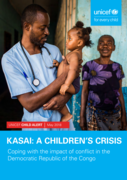
As part of a UNICEF series highlighting the challenges faced by children in current crisis situations, this Child Alert examines the situation of children affected by violent conflict in Kasai region, Democratic Republic of the Congo. The alert outlines what UNICEF a ... nd its partners have achieved to date in providing humanitarian assistance to children in Kasai affected by malnutrition and lack of access to health care, safe water and education. It calls upon all parties to the conflict – and the international community – to take urgent action protecting the lives and futures of children at risk, before it is too late. more
As part of a UNICEF series highlighting the challenges faced by children in current crisis situations, this Child Alert examines the situation of children affected by violent conflict in Kasai region, Democratic Republic of the Congo. The alert outlines what UNICEF a ... nd its partners have achieved to date in providing humanitarian assistance to children in Kasai affected by malnutrition and lack of access to health care, safe water and education. It calls upon all parties to the conflict – and the international community – to take urgent action protecting the lives and futures of children at risk, before it is too late. more
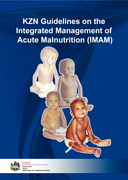
The current guidelines on Integrated Management of Acute Malnutrition (IMAM), addresses the issue of improved management of severe acute malnutrition (SAM), particularly in children under 5 years of age. In the absence of standard protocols, mortality in children admitted
...
to hospital with SAM can range between 20 -30% with the highest levels of 50-60% among those with oedematous malnutrition. With modern treatment regimens and improved access to treatment, case-fatality rates can be reduced to less than 5%. These provincial guidelines on IMAM in KZN, includes inpatient care protocols on the management of SAM, and outpatient and community outreach components to manage moderate acute malnutrition (MAM) and prevent deterioration to SAM.
more

The protracted humanitarian situation in northeastern Nigeria, particularly in Borno, Adamawa, and Yobe (BAY) States, remains a concern due to ongoing insecurity, displacement, food insecurity, disease outbreaks, and climate-related shocks.
...
To address these complex challenges, the health sector has developed a comprehensive humanitarian response strategy aligned with the three States Development plans, Durable Solutions for the Population Displacement Plan, and the Humanitarian Need Response Plan for 2025. This strategy aims to reduce morbidity and mortality among crisisaffected populations by ensuring timely, equitable, and effective delivery of lifesaving health services, while strengthen the resilience of health system and enhancing local and national capacities for sustainable health response in protracted emergency.
Supported by an in-depth analysis of the ongoing health humanitarian response using the Strengths, Weaknesses, Opportunities, and Threats (SWOT) methodology, the strategy is guided by three key objectives:
1. Provide access to lifesaving interventions and sustain an effective response to the prolonged health emergency.
2. Prevent, mitigate, and prepare for health risks from all hazards and respond to all health emergencies.
3. Advance the primary health care approach and essential health system capacities for universal health coverage.
To achieve these objectives, the strategy employs the “Five C” framework which refers to:
• Collaborative Surveillance: Enhancing collaborative efforts for effective monitoring.
• Community Protection: Implementing community-based protection measures.
• Safe and Scalable Care: Ensuring care that is both secure and scalable.
• Access to Countermeasures: Facilitating access to necessary countermeasures.
• Emergency Coordination: Coordinating emergency responses efficiently.
These proactive approaches are designed to be more anticipatory and preemptive rather than reactive, aiming to meet the needs of the crisis-affected population by providing lifesaving interventions, enhancing preventive and anticipatory actions, and ensuring the resilience of the health system. All actions are guided by International Humanitarian Standards and the Humanitarian Principles.
The implementation of the health humanitarian response strategy will involve collaboration with local authorities, non-governmental organizations (NGOs), and international organizations. The strategy emphasizes localization and resource mobilization, efficient logistics and supply chain management, mainstreaming protection, and the deployment and training of healthcare workers. Continuous monitoring and periodic evaluation will ensure the effectiveness of the response. Cross-sector collaboration with sectors such as WASH, Nutrition, Education, and Protection will be crucial to enhance the quality and reach of health interventions. Additionally, sustainability and transition approaches will ensure long-term health outcomes and benefits, bridging the gap from humanitarian to development efforts.
By adopting this comprehensive approach, the humanitarian response in northeastern Nigeria, particularly in BAY States, can be effectively guided, ultimately reducing the suffering of affected populations.
more
The article is a scoping review that explores the challenges in diagnosing asthma in children in three sub-Saharan African countries: Nigeria, South Africa, and Uganda. It identifies key barriers, such as a lack of community awareness, inadequate healthcare
...
access, limited diagnostic tools like spirometry, and insufficient knowledge among healthcare workers. The review also highlights the stigma associated with asthma and the absence of relevant diagnostic guidelines. Solutions proposed include community education, development and adherence to diagnostic guidelines, and strengthening healthcare systems. The study aims to inform policymakers and healthcare providers to improve asthma diagnosis and care for children in these regions.
more
Infectious diseases are the leading cause of death globally, particularly among children and young adults. The spread of new pathogens and the threat of antimicrobial resistance pose particular challenges in combating these diseases. Major Infectious Diseases identifies feasible, cost-effective pack
...
ages of interventions and strategies across delivery platforms to prevent and treat HIV/AIDS, other sexually transmitted infections, tuberculosis, malaria, adult febrile illness, viral hepatitis, and neglected tropical diseases. The volume emphasizes the need to effectively address emerging antimicrobial resistance, strengthen health systems, and increase access to care. The attainable goals are to reduce incidence, develop innovative approaches, and optimize existing tools in resource-constrained settings.
Large File: 136 MB!!!!! Please download from the website link!
more

The Zambia Population Based HIV impact assessment of 2016, reported the prevalence of viral hepatitis in Zambia as ranging between 5.6% among adults aged 15 to 59% in the general population, and 7.1% among HIV infected individuals. It is estimated t
...
hat the majority of persons with chronic hepatitis B and/ or hepatitis C are unware of their infection and do not benefit from promotive, preventive and curative services designed to reduce onward transmission. Zambia introduced hepatitis B virus vaccine to the routine Under 5 vaccination schedule in 2005. Preliminary results from the ZAMPHIA indicate that hundreds of infections have been abated in children since then. However, its also clear that we continue to miss key opportunities to prevent transmission, diagnose and treat infections, prevent serious disease, and in many cases cure people. In addition, high risk groups inter alia health care workers still have limited access to the vaccine.
more
The chapter Closing the Gap: The Health Disparities of Older LGBTI People in the Americas, is part of the publication series titled ‘Decade of Healthy Aging: situation and challenges’. In order to outline the current knowledge available on the s
...
ituation of health and well-being of older persons in the Americas at the beginning of the United Nations Decade of Healthy Aging (2021-2030), this document presents data and existing evidence different forms of discrimination and mistreatment older people face due to their sexual orientation and gender identities that ultimately increase health disparities. Previous studies on LGBTI older people offer valuable information on the lived experiences of these communities and demonstrate that they face unique challenges with aging, emphasizing the difficulties related to access to care. Very few studies on older people and aging include a focus on sexual orientation or gender identity; however, it is possible to point out that HIV/AIDS is one of the most significant health disparities confronting LGBTI older persons, followed by physical and mental health problems, substance use, social isolation, poverty, and the lack of access to quality healthcare, including long-term care facilities or other institutions. Closing the gap in access and quality of health and care services is an imperative to increase longevity, health status and quality of life of LGBTI older people.
more

Ethiopia has been repeatedly affected by conflict, flooding, drought, and disease outbreaks in the past years. As of January 2024, the country is actively responding to the longest recorded cholera outbreak which started in August 2022, recurrent me
...
asles outbreaks which started in August 2021, and the highest number of malaria cases reported since 2017. The El Niño phenomenon is expected to cause further havoc up to July 2024, by causing drought in some parts of the country, and flooding in others. Food insecurity due to lost harvest and livestock is aggravating already high malnutrition rates, negatively impacting morbidity and mortality.
The Health Cluster is closely collaborating with the Ministry of Health (MOH) to prepare for, prevent, and respond to public health emergencies by mobilizing resources to enable health partners to provide life-saving health services to vulnerable populations.
In an environment with ever-increasing needs and decreased funding, the below priorities for 2024 and 2025 have been identified: 1 Strengthen advocacy for longer-term, development funding to address root causes of recurrent disease outbreaks, including through the Humanitarian-Development-Peace Nexus 2 Advocate for increased access to quality health services, with a strong focus on:
sexual and reproductive health services (including for survivors of sexual and gender-based violence)
inclusion of people with disabilities, older people, and people living with HIV
remote populations through inclusion of Mobile Health Teams (MHT) as part of the health system 3 Standardize health services provided by Health Cluster partners through the implementation of Essential Health Care packages, aligned with existing MOH guidance, aimed at ensuring quality service delivery for affected populations, especially at community level 4 Strengthen quality of, and access to data for needs analysis and informed decision-making 5 Strengthen subnational coordination, with increased focus on zones and local health partners
more

The development of the Country Cooperation Strategy (CCS) was based on a consultative and participatory process with strong commitment and support from the Ministry of Health of Ghana. The CCS draws on lessons from the implementation of the first, and second generation CCSs, the country focus strate
...
gy, and the United Nations Sustainable Development Cooperation Framework (2023–2025).
The strategic agenda of the CCS outlines three strategic priorities, which are:
1. improving universal access to essential health services through the primary health care approach.
2. health emergency preparedness and response: addressing gaps in IHR core capacities and strengthening national capacities to prevent, detect and respond appropriately to public health emergencies through a resilient health system.
3. addressing social, economic, and environmental determinants of health; promoting high-impact interventions to address public health risks using multisectoral approaches.
more

Senegal has adopted the World Health Organization–Joint United Nations Programme on HIV/AIDS recommended 90-90-90 targets.5 The adoption of this strategy means that the country is expected, by 2020, to have 90% of its population living with HIV di
...
agnosed, 90% of all those diagnosed receiving sustained HIV treatment, and 90% of those receiving antiretroviral therapy having suppressed viral load measures.5 To achieve these outcomes, having good clinical laboratory services for diagnosis and follow-up will be critical.6 More specifically, investments will be needed to improve laboratory infrastructure, and to facilitate the access and availability of routine viral load and early infant diagnosis (EID) measures through the implementation of point-of-care (POC) diagnostic platforms along with an efficient and sustainable quality assurance programme.
more
Monitoring financial protection and utilization of health services in Mongolia 2009-2018 is based on national representative household socioeconomic surveys. The study finds that between 2009 and 2018, despite ambitious health reforms, the incidence of catastrophic health spending and impoverishing
...
spending at the relative poverty line have increased. These increases were mainly driven by out-of-pocket spending on medicines and inpatient care. In the same period, inequity in access to and utilization of health services remained constant among population groups. Evidence suggests health financing policies need to be further strengthened to make progress towards universal health coverage. Continuous tracking of out-of-pocket payments and service utilization to inform policymaking is needed.
more
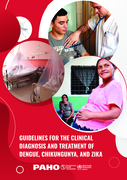
Evidence-based guidelines are one of the most useful tools for improving public health and clinical practice. Their purpose is to formulate interventions based on strong evidence of efficacy, avoid unnecessary risks, use resources efficiently, reduc
...
e clinical variability and, in essence, improve health and ensure quality care, which is the purpose of health systems and services. These guidelines were developed following the GRADE methodology, with the support of a panel of clinical experts from different countries, all convened by the Pan American Health Organization. By responding to twelve key questions about the clinical diagnosis and treatment of dengue, chikungunya, and Zika, evidence-based recommendations were formulated for pediatric, youth, adult, older adult, and pregnant patients who are exposed to these diseases or have a suspected or confirmed diagnosis of infection. The purpose of the guidelines is to prevent progression to severe forms of these diseases and the fatal events they may cause. The recommendations are intended for health professionals, including general, resident, and specialist physicians, nursing professionals, and medical and nursing students, who participate in caring for patients with suspected dengue, chikungunya, or Zika. They are also intended for health unit managers and the executive teams of national arboviral disease prevention and control programs, who are responsible for facilitating the process of implementing these guidelines.
more
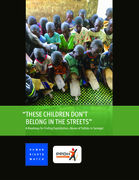
For over a decade, Senegalese and international journalists, human rights advocates, and child protection experts have documented and denounced the ongoing exploitation, abuse and neglect of children living in many of Senegal’s traditional Quranic schools, or daaras. Thousands of these children, k
...
nown as talibés, continue to live in conditions of extreme squalor, deprived of adequate food and medical care.
more
The Lancet Regional Health - Americas 2022;00: 100248 Published online xxx https://doi.org/10.1016/j.lana.2022.100248.
The Lancet Countdown report, discuss the overlapping social, climate and health challenges in Latin America and the Caribbean, and urge multisectoral and political action
...
to transform these challenges into opportunities through adaptation and mitigation measures that place peoples’ health and wellbeing at the centre of public policies. Latin American and Caribbean governments are called upon to promote climate-resilient health care systems with adaptation plans that are tailored to guarantee quality access to care for all in this viewpoint.
more

The World Heart Federation (WHF) Roadmap series covers a large range of cardiovascular conditions. These Roadmaps identify potential roadblocks and their solutions to improve the prevention, detection and management of cardiovascular diseases and pr
...
ovide a generic global framework available for local adaptation. A first Roadmap on raised blood pressure was published in 2015. Since then, advances in hypertension have included the publication of new clinical guidelines (AHA/ACC; ESC; ESH/ISH); the launch of the WHO Global HEARTS Initiative in 2016 and the associated Resolve to Save Lives (RTSL) initiative in 2017; the inclusion of single-pill combinations on the WHO Essential
Medicines’ list as well as various advances in technology, in particular telemedicine and mobile health. Given the substantial benefit accrued from effective interventions in the management of hypertension and their potential for scalability in low and middle-income countries (LMICs), the WHF has now revisited and updated the ‘Roadmap for raised BP’ as ‘Roadmap for hypertension’
by incorporating new developments in science and policy. Even though cost-effective lifestyle and medical interventions to prevent and manage hypertension exist, uptake is still low, particularly in resource-poor areas. This Roadmap examined the roadblocks pertaining to both the demand side (demographic and socio-economic factors, knowledge and beliefs, social relations, norms, and
traditions) and the supply side (health systems resources and processes) along the patient pathway to propose a range of possible solutions to overcoming them. Those include the development of population-wide prevention and control programmes; the implementation of opportunistic screening and of out-of-office blood pressure measurements; the strengthening of primary care and a greater focus on task sharing and team-based care; the delivery of people-centred care and stronger patient and carer education; and the facilitation of adherence to treatment. All of the above are dependent upon the availability and effective distribution of good quality, evidencebased, inexpensive BP-lowering agents.
more

Bonchial asthma is the most common chronic respiratory disease in the world. In Kenya, it has been estimated that about 7.5% of the Kenyan population, nearly 4 million people, are currently living with asthma. Many cases tend to be underdiagnosed an
...
d undertreated which leads to high levels of morbidity and avoidable deaths. The consequences of poorly controlled asthma, including physical, mental, social, and economic impacts, are magnified in the poor on account of poor access to asthma services and sub-optimal quality of those services. With these guidelines, Kenya's Ministry of Health aims to work towards embedding asthma care in Universal Health Care (UHC) to ensure that quality asthma services are available in primary care settings with
referral networks strengthened for those who may require secondary and tertiary care. These national asthma guidelines will also ensure that treatment for asthma is standardized in both the public and the non-state health care sector.
more

This document consolidates, for the first time, WHO recommendations on the prevention, testing, treatment and monitoring of hepatitis B and C, and includes testing strategies for hepatitis D. Drawing on a decade of evidence-based guidance issued between 2015 and 2025, it provides a single, practical
...
handbook to support global progress toward eliminating viral hepatitis by 2030.
The document also highlights simplified service delivery models that promote decentralization, integration with primary care and related programmes such as HIV and tuberculosis, as well as task sharing and differentiated care to expand access and improve efficiency. It further underscores the need for robust data and monitoring systems to support effective programme implementation.
more
