
Filter
4323
Text search:
Sanitation
Featured
409
1402
Language
4037
179
110
79
57
52
27
15
14
9
9
8
7
7
6
6
6
5
5
5
5
5
4
4
4
4
3
3
3
2
2
2
2
2
2
2
1
1
1
1
1
1
1
1
1
1
1
Document type
2245
754
491
235
233
126
76
75
39
20
10
9
7
2
Countries
226
184
178
176
112
106
104
96
92
88
81
77
69
68
62
60
58
58
57
56
56
55
53
45
40
38
38
35
35
30
30
29
29
28
28
26
24
23
22
20
18
18
17
17
17
16
16
15
15
14
14
14
14
12
11
11
11
10
10
9
9
9
9
9
8
8
7
7
7
7
6
6
6
6
5
5
5
5
5
4
4
4
4
4
4
3
3
3
3
3
3
3
3
3
3
3
2
2
2
2
2
2
2
2
2
2
2
2
2
2
2
2
2
1
1
1
1
1
1
1
1
1
1
1
1
1
1
1
1
1
1
Authors & Publishers
481
155
128
109
100
94
93
61
50
43
41
33
32
26
26
26
24
24
24
23
23
23
23
22
21
21
20
18
17
17
15
14
14
14
14
14
13
13
13
13
12
12
12
12
12
12
11
11
11
11
11
11
11
10
10
10
9
9
9
9
9
9
9
9
8
8
8
8
8
8
8
8
8
8
8
8
7
7
7
7
7
7
7
7
7
7
7
7
7
7
7
7
7
7
7
7
7
6
6
6
6
6
6
6
6
6
6
6
6
6
6
6
6
6
6
6
6
6
6
6
6
5
5
5
5
5
5
5
5
5
5
5
5
5
5
5
5
5
5
5
5
5
5
5
5
5
5
5
4
4
4
4
4
4
4
4
4
4
4
4
4
4
4
4
4
4
4
4
4
4
4
4
4
4
4
4
4
4
4
4
4
4
4
4
4
4
4
4
4
4
4
4
4
4
4
4
4
4
3
3
3
3
3
3
3
3
3
3
3
3
3
3
3
3
3
3
3
3
3
3
3
3
3
3
3
3
3
3
3
3
3
3
3
3
3
3
3
3
3
3
3
3
3
3
3
3
3
3
3
3
3
3
3
3
3
3
3
3
3
3
3
3
3
3
3
3
3
3
3
3
3
3
3
3
3
3
3
3
3
3
3
3
3
3
3
3
3
3
3
3
3
3
2
2
2
2
2
2
2
2
2
2
2
2
2
2
2
2
2
2
2
2
2
2
2
2
2
2
2
2
2
2
2
2
2
2
2
2
2
2
2
2
2
2
2
2
2
2
2
2
2
2
2
2
2
2
2
2
2
2
2
2
2
2
2
2
2
2
2
2
2
2
2
2
2
2
2
2
2
2
2
2
2
2
2
2
2
2
2
2
2
2
2
2
2
2
2
2
2
2
2
2
2
2
2
2
2
2
2
2
2
2
2
2
2
2
2
2
2
2
2
2
2
2
2
2
2
2
2
2
2
2
2
2
2
2
2
2
2
2
2
2
2
2
2
2
2
2
2
2
2
2
2
2
2
2
2
2
2
2
2
2
2
2
2
2
2
2
2
2
2
2
2
2
2
2
2
2
2
2
2
2
2
2
2
2
2
2
2
2
2
2
2
2
2
2
2
2
2
2
2
2
2
2
2
2
2
2
2
2
2
2
2
2
2
2
2
2
2
2
2
2
2
2
2
2
1
1
1
1
1
1
1
1
1
1
1
1
1
1
1
1
1
1
1
1
1
1
1
1
1
1
1
1
1
1
1
1
1
1
1
1
1
1
1
1
1
1
1
1
1
1
1
1
1
1
1
1
1
1
1
1
1
1
1
1
1
1
1
1
1
1
1
1
1
1
1
1
1
1
1
1
1
1
1
1
1
1
1
1
1
1
1
1
1
1
1
1
1
1
1
1
1
1
1
1
1
1
1
1
1
1
1
1
1
1
1
1
1
1
1
1
1
1
1
1
1
1
1
1
1
1
1
1
1
1
1
1
1
1
1
1
1
1
1
1
1
1
1
1
1
1
1
1
1
1
1
1
1
1
1
1
1
1
1
1
1
1
1
1
1
1
1
1
1
1
1
1
1
1
1
1
1
1
1
1
1
1
1
1
1
1
1
1
1
1
1
1
1
1
1
1
1
1
1
1
1
1
1
1
1
1
1
1
1
1
1
1
1
1
1
1
1
1
1
1
1
1
1
1
1
1
1
1
1
1
1
1
1
1
1
1
1
1
1
1
1
1
1
1
1
1
1
1
1
1
1
1
1
1
1
1
1
1
1
1
1
1
1
1
1
1
1
1
1
1
1
1
1
1
1
1
1
1
1
1
1
1
1
1
1
1
1
1
1
1
1
1
1
1
1
1
1
1
1
1
1
1
1
1
1
1
1
1
1
1
1
1
1
1
1
1
1
1
1
1
1
1
1
1
1
1
1
1
1
1
1
1
1
1
1
1
1
1
1
1
1
1
1
1
1
1
1
1
1
1
1
1
1
1
1
1
1
1
1
1
1
1
1
1
1
1
1
1
1
1
1
1
1
1
1
1
1
1
1
1
1
1
1
1
1
1
1
1
1
1
1
1
1
1
1
1
1
1
1
1
1
1
1
1
1
1
1
1
1
1
1
1
1
1
1
1
1
1
1
1
1
1
1
1
1
1
1
1
1
1
1
1
1
1
1
1
1
1
1
1
1
1
1
1
1
1
1
1
1
1
1
1
1
1
1
1
1
1
1
1
1
1
1
1
1
1
1
1
1
1
1
1
1
1
1
1
1
1
1
1
1
1
1
1
1
1
1
1
1
1
1
1
1
1
1
1
1
1
1
1
1
1
1
1
1
1
1
1
1
1
1
1
1
1
1
1
1
1
1
1
1
1
1
1
1
1
1
1
1
1
1
1
1
1
1
1
1
1
1
1
1
1
1
1
1
1
1
1
1
1
1
1
1
1
1
1
1
1
1
1
1
1
1
1
1
1
1
1
1
1
1
1
1
1
1
1
1
1
1
1
1
1
1
1
1
1
1
1
1
1
1
1
1
1
1
1
1
1
1
1
1
1
1
1
1
1
1
1
1
1
1
1
1
1
1
1
1
1
1
1
1
1
1
1
1
1
1
1
1
1
1
1
1
1
1
1
1
1
1
1
1
1
1
1
1
1
1
1
1
1
1
1
1
1
1
1
1
1
1
1
1
1
1
1
1
1
1
1
1
1
1
1
1
1
1
1
1
1
1
1
1
1
1
1
1
1
1
1
1
1
1
1
1
1
1
1
1
1
1
1
1
1
1
1
1
1
1
1
1
1
1
1
1
1
1
1
1
1
1
1
1
1
1
1
1
1
1
1
1
1
1
1
1
1
1
1
1
1
1
1
1
1
1
1
1
1
1
1
1
1
1
1
1
1
1
1
1
1
1
1
1
1
1
1
1
1
1
1
1
1
1
1
1
1
1
1
1
1
1
1
1
1
1
1
1
1
1
1
1
1
1
1
1
1
1
1
1
1
1
1
1
1
1
1
1
1
1
1
1
1
1
1
1
1
1
1
1
1
1
1
1
1
1
1
1
1
1
1
1
1
1
1
1
1
1
1
1
1
1
1
1
1
1
1
1
1
1
1
1
1
1
1
1
1
1
1
1
1
1
1
1
1
1
1
1
1
1
1
1
1
1
1
1
1
1
1
1
1
1
1
1
1
1
1
1
1
1
1
1
1
1
1
1
1
1
1
1
1
1
1
1
1
1
1
1
1
1
1
1
1
1
1
1
1
1
1
1
1
1
1
1
1
1
1
1
1
1
1
1
1
1
1
1
1
1
1
1
1
1
1
1
1
1
1
1
1
1
1
1
1
1
1
1
1
1
1
1
1
1
1
1
1
1
1
1
1
1
1
1
1
1
1
1
1
1
1
1
1
1
1
1
1
1
1
1
1
1
1
1
1
1
1
1
1
1
1
1
1
1
1
1
1
1
1
1
1
1
1
1
1
1
1
1
1
1
1
1
1
1
1
1
1
1
1
1
1
1
1
1
1
1
1
1
1
1
1
1
1
1
1
1
1
1
1
1
1
1
1
1
1
1
1
1
1
1
1
1
1
1
1
1
1
1
1
1
1
1
1
1
1
1
1
1
1
1
1
1
1
1
1
1
1
1
1
1
1
1
1
1
1
1
1
1
1
1
1
1
1
1
1
1
1
1
1
1
1
1
1
1
1
1
1
1
1
1
1
1
1
1
1
1
1
1
1
1
1
1
1
1
1
1
1
1
1
1
1
1
1
1
1
1
1
1
1
1
1
1
1
1
1
1
1
1
1
1
1
1
1
1
1
1
1
1
1
1
1
1
1
1
1
1
1
1
1
1
1
1
1
1
1
1
1
1
1
1
1
1
1
1
1
1
1
1
1
1
1
1
1
1
1
1
1
1
1
1
1
1
1
1
1
1
1
1
1
1
1
1
1
1
1
1
1
1
1
1
1
1
1
1
1
1
1
1
1
1
1
1
1
1
1
1
1
1
1
1
1
1
1
1
1
1
1
1
1
1
1
1
1
1
1
1
1
1
1
1
1
1
1
1
1
1
1
1
1
1
1
1
1
1
1
1
1
1
1
1
1
1
1
1
1
1
1
1
1
1
1
1
1
1
1
1
1
1
1
1
1
1
1
1
1
1
1
1
1
1
1
1
1
1
1
1
1
1
1
1
1
1
1
1
1
1
1
1
1
1
1
1
1
1
1
1
1
1
1
1
1
1
1
1
1
1
1
1
1
1
1
1
1
1
1
1
1
1
1
1
1
1
1
1
1
1
1
1
1
1
1
1
1
1
1
1
1
1
1
1
1
1
1
1
1
1
1
1
1
1
1
1
1
1
1
1
1
1
1
1
1
1
1
1
1
1
1
1
1
1
1
1
1
1
1
1
1
1
1
1
1
1
1
1
1
1
1
1
1
1
1
1
1
1
1
1
1
1
1
1
1
1
1
1
1
1
1
1
1
1
1
1
1
1
1
1
1
1
1
1
1
1
1
1
1
1
1
1
1
1
1
1
1
1
1
1
1
1
1
1
1
1
1
1
1
1
1
1
1
1
1
1
1
1
1
1
1
1
1
1
1
1
1
1
1
1
1
1
1
1
1
1
1
1
1
1
1
1
1
1
1
1
1
1
1
1
1
1
1
1
1
1
1
1
1
1
1
1
1
1
1
1
1
1
1
1
1
1
1
1
1
1
1
1
1
1
1
1
1
1
1
1
1
1
1
1
1
1
1
1
1
1
1
1
1
1
1
1
1
1
1
1
1
1
1
1
1
1
1
1
1
1
1
1
1
1
1
1
1
1
1
1
1
1
1
1
1
1
1
1
1
1
1
1
1
1
1
1
1
1
1
1
1
1
1
1
1
1
1
1
1
1
1
1
1
1
1
1
1
1
1
1
1
1
1
1
1
1
1
1
1
1
1
1
1
1
1
1
1
1
1
1
1
1
1
1
1
1
1
1
1
1
1
1
1
1
1
1
1
1
1
1
1
1
1
1
1
1
1
1
1
1
1
1
1
1
1
1
1
1
1
1
1
1
1
1
1
1
1
1
1
1
1
1
1
1
1
1
1
1
1
1
1
1
1
1
1
1
1
1
1
1
1
1
1
1
1
1
1
1
1
1
1
1
1
1
1
1
1
1
1
1
1
1
1
1
1
1
1
1
1
1
1
1
1
1
1
1
1
1
1
1
1
1
1
1
1
1
1
1
1
1
1
1
1
1
1
1
1
1
1
1
1
1
1
1
1
1
1
1
1
1
1
1
1
1
1
1
1
1
1
1
1
1
1
1
1
1
1
1
1
1
1
1
1
1
1
1
1
1
1
1
1
1
1
1
1
1
1
1
1
1
1
1
1
1
1
1
1
1
1
1
1
1
1
1
1
1
1
1
1
1
1
1
1
1
1
1
1
1
1
1
1
1
1
1
1
1
1
1
1
1
1
1
1
1
1
1
1
1
1
1
1
1
1
1
1
1
1
1
1
1
1
1
1
1
1
1
1
1
1
1
1
1
1
1
1
1
1
1
1
1
1
1
1
1
1
1
1
1
1
1
1
1
1
1
1
1
1
1
1
1
1
1
1
1
1
1
1
1
1
1
1
1
1
1
1
1
1
1
1
1
1
1
1
1
1
1
1
1
1
1
1
1
1
1
1
1
1
1
1
1
1
1
1
1
1
1
1
1
1
1
1
1
1
1
1
1
1
1
1
1
1
1
1
1
1
1
1
1
1
1
1
1
1
1
1
1
1
1
1
1
1
1
1
1
1
1
1
1
1
1
1
1
1
1
1
1
1
1
1
1
1
1
1
1
1
1
1
1
1
1
1
1
1
1
1
1
1
1
1
1
1
1
1
1
1
1
1
1
1
1
1
1
1
1
1
1
1
1
1
1
1
1
1
1
1
1
1
1
1
1
1
1
1
1
1
1
1
1
1
1
1
1
1
1
1
1
1
1
1
1
1
1
1
1
1
1
1
1
1
1
1
1
1
1
1
1
1
1
1
1
1
1
1
1
1
1
1
1
1
1
1
1
1
1
1
1
1
1
1
1
1
1
1
1
1
1
1
1
1
1
1
1
1
1
1
1
1
1
1
1
1
1
1
1
1
1
1
1
1
1
1
1
1
1
1
1
1
1
1
1
1
1
1
1
1
1
1
1
1
1
1
1
1
1
1
1
1
1
1
1
1
1
1
1
1
1
1
1
1
1
1
1
1
1
1
1
1
1
1
1
1
1
1
1
1
1
1
1
1
1
1
1
1
1
1
1
1
1
1
1
1
1
1
1
1
1
1
1
1
1
1
1
1
1
1
1
1
1
1
1
1
1
1
1
1
1
1
1
1
1
1
1
1
1
1
1
1
1
1
1
1
1
1
1
1
1
1
1
1
1
1
1
1
1
1
1
1
1
1
1
1
1
1
1
1
1
1
1
1
1
1
1
1
1
1
1
1
1
1
1
1
1
1
1
1
1
1
1
1
1
1
1
1
1
1
1
1
1
1
1
1
1
1
1
1
1
1
1
1
1
1
1
1
1
1
1
1
1
1
1
1
1
1
1
1
1
1
1
1
1
1
1
1
1
1
1
1
1
1
1
1
1
1
1
1
1
1
1
1
1
1
1
1
1
1
1
1
1
1
1
1
1
1
1
Publication Years
1366
2594
340
20
3
Category
1910
536
193
182
152
90
13
1
Toolboxes
404
247
232
216
170
169
159
156
136
123
105
105
103
94
70
40
36
34
27
26
22
21
19
13
13
7
2
Census Report Volume 4-C
The 2014 Myanmar Census provided the opportunity to measure maternal mortality. The questions on deaths in households during the twelve months prior to the Census were included in the questionnaire, as well as questions necessary to estimate maternal mortality indicator ... s. more
The 2014 Myanmar Census provided the opportunity to measure maternal mortality. The questions on deaths in households during the twelve months prior to the Census were included in the questionnaire, as well as questions necessary to estimate maternal mortality indicator ... s. more
Census Report Volume 4-B
In the 2014 Census, early-age mortality was measured from the responses to two simple retrospective questions on childbearing addressed to ever-married women aged 15 and over. These questions referred to how many live children they had ever given birth to, and how many ... had died (or survived). Adult mortality was measured by using a question on the number of household members who had died during the 12 months preceding the Census.
According to the 2014 Census, infant and child mortality, which comprises under-five mortality, was high compared to other countries in the region. Previous estimates indicated a rapid decline during the 1960s and 1970s, with a substantial deceleration starting in the early 1980s. The decline has accelerated again during recent years. more
In the 2014 Census, early-age mortality was measured from the responses to two simple retrospective questions on childbearing addressed to ever-married women aged 15 and over. These questions referred to how many live children they had ever given birth to, and how many ... had died (or survived). Adult mortality was measured by using a question on the number of household members who had died during the 12 months preceding the Census.
According to the 2014 Census, infant and child mortality, which comprises under-five mortality, was high compared to other countries in the region. Previous estimates indicated a rapid decline during the 1960s and 1970s, with a substantial deceleration starting in the early 1980s. The decline has accelerated again during recent years. more
Census Report Volume 4-K
The results of the 2014 Census collected only relates to four of the six types of disability domains recommended by the Washington Group on Disability Statistics, namely: seeing, hearing, walking, and remembering or concentrating.
Out of a total of 50.3 million pe ... rsons enumerated in the 2014 Census, there were 2.3 million persons (4.6 per cent of the total population) who reported some degree of difficulty with either one or more of the four functional domains. Of this number, over half a million (representing over 1 per cent of the population as a whole) reported having a lot of difficulty or could not do one or more of the four activities at all (referred to as severe disability). Among those with the severest degree of disability, 55 thousand were blind, 43 thousand were deaf, 99 thousand could not walk at all and 90 thousand did not have the capability to remember or concentrate.
The Census shows that disability is predominantly an old age phenomenon with its prevalence remaining low up to a certain age, after which rates increase substantially. more
The results of the 2014 Census collected only relates to four of the six types of disability domains recommended by the Washington Group on Disability Statistics, namely: seeing, hearing, walking, and remembering or concentrating.
Out of a total of 50.3 million pe ... rsons enumerated in the 2014 Census, there were 2.3 million persons (4.6 per cent of the total population) who reported some degree of difficulty with either one or more of the four functional domains. Of this number, over half a million (representing over 1 per cent of the population as a whole) reported having a lot of difficulty or could not do one or more of the four activities at all (referred to as severe disability). Among those with the severest degree of disability, 55 thousand were blind, 43 thousand were deaf, 99 thousand could not walk at all and 90 thousand did not have the capability to remember or concentrate.
The Census shows that disability is predominantly an old age phenomenon with its prevalence remaining low up to a certain age, after which rates increase substantially. more
Census Report Volume 4-L
Myanmar’s 2014 Census enumerated 4.5 million people aged 60 and over and by 2050 Myanmar is projected to have 13 million people in this age group.
Myanmar’s population has aged between 1973 and 2014; while the total population increased at an annual rate of 1. ... 4 per cent, the population aged 60 and over increased annually by 2.4 per cent. Within the older population, the oldest age group, those over 80 years old, has been growing much faster than those aged 60-79. In 2014, the urban population was slightly older than the rural population. This is the result of a more rapid decline in urban fertility, offset by net migration to urban areas by youth and young adults. more
Myanmar’s 2014 Census enumerated 4.5 million people aged 60 and over and by 2050 Myanmar is projected to have 13 million people in this age group.
Myanmar’s population has aged between 1973 and 2014; while the total population increased at an annual rate of 1. ... 4 per cent, the population aged 60 and over increased annually by 2.4 per cent. Within the older population, the oldest age group, those over 80 years old, has been growing much faster than those aged 60-79. In 2014, the urban population was slightly older than the rural population. This is the result of a more rapid decline in urban fertility, offset by net migration to urban areas by youth and young adults. more

The Republic of the Union of Myanmar is at a historic moment, with a new civilian government assuming power in 2016. The country graduated to lower-middle-income status in 2015, and has made significant progress in reducing poverty, improving food security and addressing malnutrition.
The remai ... ning challenges to food and nutrition security and achievement of Sustainable Development Goal 2 targets include continued population displacements resulting from conflict, vulnerability to extreme weather events, poverty, limited social protection coverage, high malnutrition and persistent gender inequalities. more
The remai ... ning challenges to food and nutrition security and achievement of Sustainable Development Goal 2 targets include continued population displacements resulting from conflict, vulnerability to extreme weather events, poverty, limited social protection coverage, high malnutrition and persistent gender inequalities. more
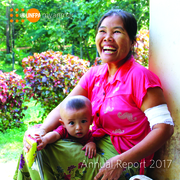
Ensuring reproductive rights for all

In many of Myanmar’s contested regions, healthcare services are provided through two parallel governance systems – by the government’s Ministry of Health, and by providers linked to ethnic armed organizations. Building upon efforts to build trust between these two actors following ceasefires s
...
igned in 2011 and 2012, the new National League for Democracy-led government offers an unprecedented opportunity to increase cooperation between these systems and to ensure health services reach Myanmar’s most vulnerable populations.
The report provides an overview of existing health service arrangements in these areas, from both the Ministry of Health and from ethnic and community-based health organizations. It then unpacks the concept of “convergence”, highlighting key opportunities and policy recommendations for both government and non-government actors. more
The report provides an overview of existing health service arrangements in these areas, from both the Ministry of Health and from ethnic and community-based health organizations. It then unpacks the concept of “convergence”, highlighting key opportunities and policy recommendations for both government and non-government actors. more
In many of Myanmar’s contested regions, healthcare services are provided through two parallel governance systems – by the government’s Ministry of Health, and by providers linked to ethnic armed organizations. Building upon efforts to build trust between these two actors following ceasefires s
...
igned in 2011 and 2012, the new National League for Democracy-led government offers an unprecedented opportunity to increase cooperation between these systems and to ensure health services reach Myanmar’s most vulnerable populations.
The report provides an overview of existing health service arrangements in these areas, from both the Ministry of Health and from ethnic and community-based health organizations. It then unpacks the concept of “convergence”, highlighting key opportunities and policy recommendations for both government and non-government actors. more
The report provides an overview of existing health service arrangements in these areas, from both the Ministry of Health and from ethnic and community-based health organizations. It then unpacks the concept of “convergence”, highlighting key opportunities and policy recommendations for both government and non-government actors. more
Survey report
Four health surveys were performed in Kutupalong Makeshift Settlment (KMS), Balukhali Makeshift Settlement (BMS), Kutupalong Makeshift Settlement Extension (KMS Extension) and Balukhali Makeshift Settlement Extension (BMS Extension). These sites were chosen to ensure that the health ... status and conditions were measured in both the new settlements and the pre-existing settlements. The surveys measured current and retrospective mortality, the main morbidities affecting the population, global and severe acute malnutrition rates, vaccination coverage rates for key antigens and health-seeking behaviour. Simple random sampling was used with a recall period from 25th February 2017 until the date of interview (30th October to 12th November): approximately 260 days. more
Four health surveys were performed in Kutupalong Makeshift Settlment (KMS), Balukhali Makeshift Settlement (BMS), Kutupalong Makeshift Settlement Extension (KMS Extension) and Balukhali Makeshift Settlement Extension (BMS Extension). These sites were chosen to ensure that the health ... status and conditions were measured in both the new settlements and the pre-existing settlements. The surveys measured current and retrospective mortality, the main morbidities affecting the population, global and severe acute malnutrition rates, vaccination coverage rates for key antigens and health-seeking behaviour. Simple random sampling was used with a recall period from 25th February 2017 until the date of interview (30th October to 12th November): approximately 260 days. more
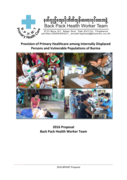
Project Programs:
A. Medical Care Program
B. Community Health Promotion and Prevention Program
C. Maternal and Child Health Program
Target Population: 228,000 people living within the Mon, Kayah, Kayan, Karen,Shan, Kachin, Pa O, Chin and Arakan areas
Projec ... t Duration:January to December 2016 more
A. Medical Care Program
B. Community Health Promotion and Prevention Program
C. Maternal and Child Health Program
Target Population: 228,000 people living within the Mon, Kayah, Kayan, Karen,Shan, Kachin, Pa O, Chin and Arakan areas
Projec ... t Duration:January to December 2016 more

(Health Systems in Transition, Vol. 4, No. 3, 2014)
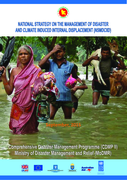
National strategy on the management of disaster and climate induced internal displacement (NSMDCIID)
This strategy has been developed with a view to managing climate-induced internal displacement (CIID) in a comprehensive and rights-based manner. It is part of the action plan for the Government of Bangladesh (GoB) to implement the Sendai Framework.
The strategy focuses solely on internal disp ... lacements caused by climate-related disasters and not cross-border displacement issues. It aims to chalk out a comprehensive strategy covering all three phases of displacements: (i) pre-displacement; (ii) displacement phase; and (iii) post-displacement. The multidimensional characteristics of the Strategy require participation of all relevant ministries with a target to integrate the concerns of CIIDPs into the existing programmes of all these ministries. more
The strategy focuses solely on internal disp ... lacements caused by climate-related disasters and not cross-border displacement issues. It aims to chalk out a comprehensive strategy covering all three phases of displacements: (i) pre-displacement; (ii) displacement phase; and (iii) post-displacement. The multidimensional characteristics of the Strategy require participation of all relevant ministries with a target to integrate the concerns of CIIDPs into the existing programmes of all these ministries. more
The National Disaster Management Plan (NDMP) provides a framework and direction to the government agencies for all phases of disaster management cycle. The NDMP is a “dynamic document” in the sense that it will be periodically improved keeping up with the emerging global best practices and knowl
...
edge base in disaster management. It is in accordance with the provisions of the Disaster Management Act, 2005, the guidance given in the National Policy on Disaster Management, 2009 (NPDM), and the established national practices.
more
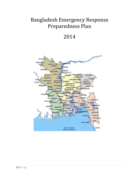
The ERP approach seeks to improve effectiveness by reducing both time and effort, enhancing predictability through establishing predefined roles, responsibilities and coordination mechanisms. The Emergency Response Preparedness Plan (ERPP) has four main components: i) Risk Assessment, ii) Minimum Pr
...
eparedness Actions, iii) Standard Operating Procedures (SOP), and iv) Contingency Plans for the initial emergency response. Besides these four elements, the preparedness package also includes the updated Multi-Sector Initial Rapid Assessment (MIRA) methodology, the Scenario Plan for a cyclone in Ayeyawaddy as well as the key documents for cash transfer programming in new emergencies.
more

In April and May 2015, Nepal was hit by two major earthquakes killing around 9,000 people and leaving many thousands more injured and homeless.
To optimize the speed and volume of critical humanitarian assistance, the HCT has developed this Plan to:
1. Reach a common understanding of earth ... quake risk to ensure early action is taken when required.
2. Establish a minimum level of earthquake preparedness across clusters.
3. Build the basis for a joint HCT response strategy to meet the needs of affected people in the first 6 weeks to 3 months of a response.
4. Define considerations for detailed contingency planning on the basis of the worst-case scenario, especially around access and logistics. more
To optimize the speed and volume of critical humanitarian assistance, the HCT has developed this Plan to:
1. Reach a common understanding of earth ... quake risk to ensure early action is taken when required.
2. Establish a minimum level of earthquake preparedness across clusters.
3. Build the basis for a joint HCT response strategy to meet the needs of affected people in the first 6 weeks to 3 months of a response.
4. Define considerations for detailed contingency planning on the basis of the worst-case scenario, especially around access and logistics. more
WHO guidance for contingency planning
recommended
In this contingency planning guidance, a set of actions to prepare for emergencies from all hazards and to help minimize their impact, is proposed. These actions include the development, implementation, simulation, monitoring and regular update of risks-based contingency plans.
The CBDRR Manual is a practical ‘how-to’ guide on community-based disaster risk reduction for government and non-government agencies in Lao PDR. It is a commonly agreed document to be referred to by agencies working on CBDRR in Lao PDR. It provides guidance and support for systematic implementat
...
ion of CBDRR programs by explaining each of the steps as well as tools used.
The manual will also support the Government of Lao PDR (GoL) to monitor CBDRR activities, oversee progress of activities implemented by different actors and locations, provide necessary support on CBDRR technical knowledge as well as provide a reference point for replication of initiatives for local government and implementing agencies. more
The manual will also support the Government of Lao PDR (GoL) to monitor CBDRR activities, oversee progress of activities implemented by different actors and locations, provide necessary support on CBDRR technical knowledge as well as provide a reference point for replication of initiatives for local government and implementing agencies. more

The publication aims to establish the rationale for inclusion and provides technical advice and tools for putting theory into practice. It is intended to be used as a reference during organizational and program/project development with a focus on gender responsiveness and disability inclusion as wel
...
l as a tool to support good practice in implementation.
This first part guides the reader through the process of assessing whether or not the organization is ready to change towards becoming a more inclusive organization. The second part introduces the ACAP framework, which sets up a way of approaching inclusion via focus on the areas: Access, Communication, Attitude and Participation. It then demonstrates how the framework can be applied to projects and programmes. The third part provides guidelines for the people who will guide organizations through the process of change towards becoming inclusive of persons from marginalized groups. more
This first part guides the reader through the process of assessing whether or not the organization is ready to change towards becoming a more inclusive organization. The second part introduces the ACAP framework, which sets up a way of approaching inclusion via focus on the areas: Access, Communication, Attitude and Participation. It then demonstrates how the framework can be applied to projects and programmes. The third part provides guidelines for the people who will guide organizations through the process of change towards becoming inclusive of persons from marginalized groups. more
